

In the ever-evolving landscape of beauty, few trends possess the enduring power of the French manicure. From its supposed origins on the runways of 1970s Paris to its peak ubiquity in the early 2000s, the crisp white tip has long been a staple of the polished aesthetic. However, as the digital age ushered in a wave of hyper-specific beauty trends—ranging from the "faded French" ombré to the barely-there "micro French"—the classic look found itself in need of a contemporary update.
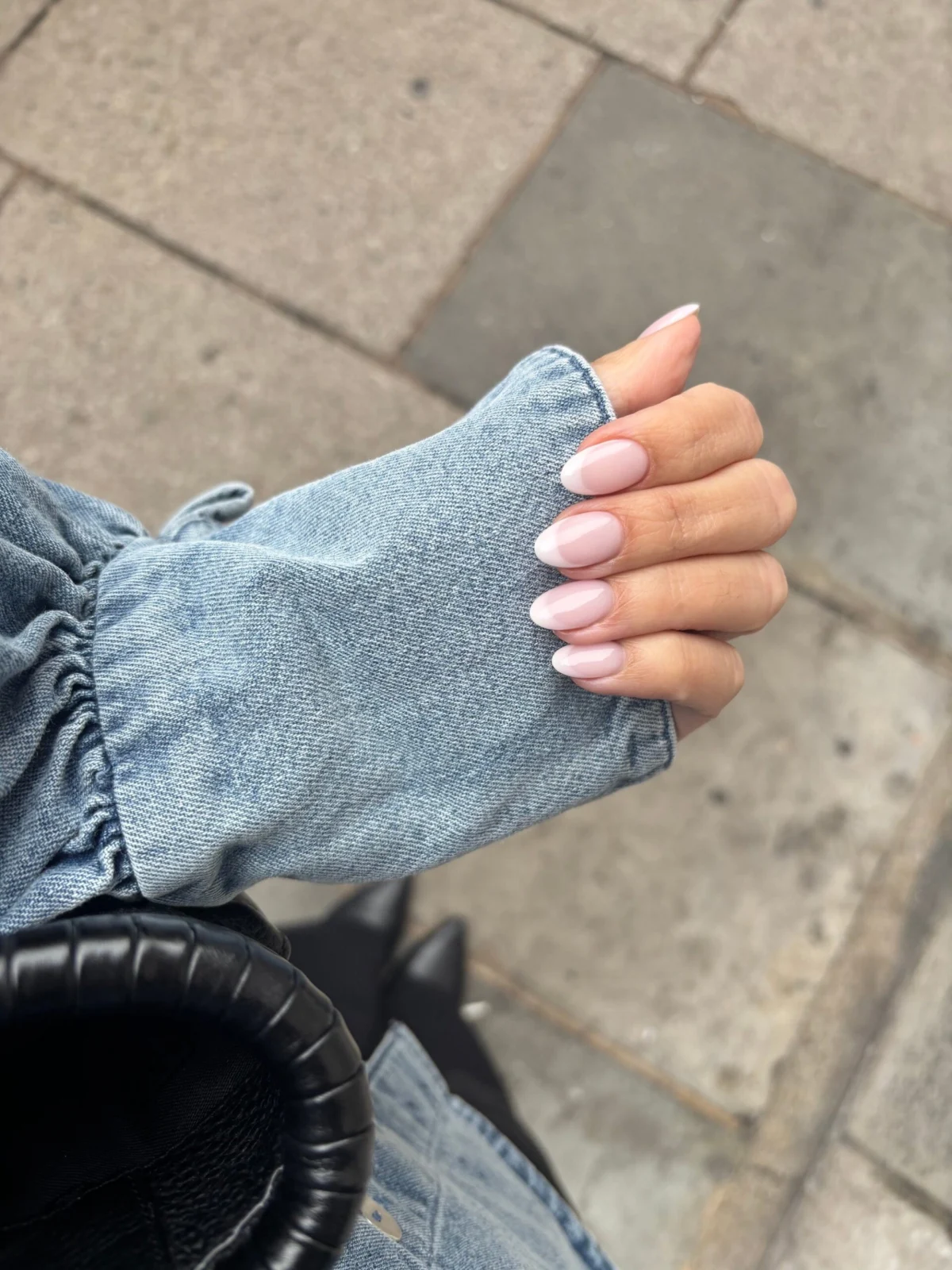
Enter the "Modern French" manicure. Currently dominating social media feeds and salon request lists, this refined iteration is stripping away the harsh, artificial contrast of the past in favor of a sophisticated, "my nails but better" philosophy.
The Anatomy of the Modern French: A Shift in Philosophy
For decades, the standard French manicure was defined by stark, opaque, bright-white tips and a thick, often chalky pink or peach base. While iconic, the look was undeniably "done." The modern French manicure, by contrast, prioritizes subtlety and natural enhancement.
According to editorial manicurist Ami Streets, the modern French is a masterclass in minimalism. "The modern French manicure enlists a sheer shade that will enhance your natural nails while camouflaging any imperfections," Streets explains. "As a result, nails simply look perfectly groomed."
The core differentiator lies in the base coat. Rather than using opaque, heavy pigments that hide the nail plate, modern practitioners are opting for translucent, milky, or clear polishes. This shift allows the natural health and texture of the nail to peek through, creating a luminous, healthy appearance that feels inherently more organic.
Chronology of the French Manicure: From Paris to TikTok
To understand why the "Modern French" is having such a profound cultural moment, one must look at the trajectory of the style:
- The 1970s Foundation: While often attributed to Jeff Pink, the founder of Orly, the French manicure was designed to be a versatile solution for Hollywood starlets who needed a nail look that matched every costume change.
- The 1990s/2000s Peak: The trend became a cultural phenomenon, characterized by long, square-shaped acrylics with extremely wide, stark white tips. It was a status symbol of the era, though it eventually became associated with a "dated" aesthetic.
- The 2010s Decline: As nail art exploded into intricate designs, rhinestones, and vibrant colors, the classic French manicure fell out of favor, viewed by many as an relic of the past.
- The 2020s Renaissance: The pandemic sparked a shift toward "clean girl" aesthetics and low-maintenance beauty. Suddenly, the French manicure returned—not in its original form, but fragmented into various sub-trends.
- 2024 and Beyond: The "Modern French" has emerged as the definitive version of this trend, synthesizing the minimalism of the 2020s with the classic structural integrity of the 1990s, but with a refined, sophisticated edge.
Supporting Data: The Digital Influence
The rise of the modern French is not merely anecdotal; it is backed by a surge in digital engagement. On TikTok, the hashtag #Frenchmanicure has garnered hundreds of millions of views, with sub-categories like "Vanilla French" and "Micro French" contributing to a broader cultural obsession with "quiet luxury" in beauty.
Data from social media analytics suggests that the "Vanilla French" variation—which uses soft, creamy, off-white tones instead of stark, optic white—has become the most requested salon look of the last year. This trend aligns with a wider industry movement toward neutral, "vanilla-toned" color palettes in fashion and interior design, signaling a consumer shift away from high-contrast intensity toward muted, harmonious aesthetics.
Professional Insights: Expert Guidance on Execution
Achieving the modern French is as much about technique as it is about color selection. Professional manicurists emphasize that the shape of the nail is the foundational step.
The Shape Matters
Streets advises that the modern French thrives on softer silhouettes. "The modern French manicure substitutes the classic square shape for a softer, more subtle, rounded or almond nail shape," she says. "The French tip is delicate and slim as opposed to wide and more defined. It gives the illusion of being your nails—but better."
- For Short Nails: A rounded or square-oval shape is recommended to elongate the fingers without requiring excess length.
- For Long Nails: The almond shape remains the gold standard, as it naturally tapers the finger and provides a graceful canvas for the slim, modern tip.
The Application Process
For those seeking a professional-grade finish, utilizing systems like Builder in a Bottle (BIAB) or gel extensions is common. These products provide the structural support needed for the "modern" look while maintaining a natural, lightweight feel.
For the DIY enthusiast, the barrier to entry has never been lower. Social media has democratized the process through two primary techniques:
- The Finger Pad Method: Pressing the tip of the finger directly into a thin layer of polish to stamp the smile line onto the nail.
- Silicone Stampers: Using a squishy, transparent silicone gel cushion to "dip" the nail tip into, ensuring a symmetrical, razor-thin line every time. This method is lauded for its cleanliness and efficiency compared to traditional freehand brush painting.
Implications: The Move Toward Sustainable Beauty
The rise of the modern French manicure has significant implications for the beauty industry, particularly regarding consumer behavior and product development.
Longevity and Maintenance
The modern French is inherently more sustainable than other elaborate nail art trends. Because the base is translucent or sheer, the "line of growth" at the cuticle is significantly less noticeable as the nail grows out. This extends the lifespan of the manicure to two or three weeks, appealing to the increasingly "low-maintenance" consumer who desires professional quality without the need for bi-weekly salon visits.
The "Clean" Aesthetic
The preference for sheer, natural-looking bases mirrors the broader "skinimalism" trend. Consumers are investing more in nail health—using cuticle oils, strengthening base coats, and prioritizing the natural nail plate over heavy overlays. The modern French acts as a vehicle for this, as it highlights the health of the nail rather than masking it.
Salon Economic Impact
For nail technicians, the transition to the modern French allows for a more nuanced service menu. Salons are shifting focus from high-volume, rapid-fire acrylic services to more detailed, bespoke consultations where skin tone matching for the base and precise smile-line mapping are prioritized. This elevation of the service justifies higher price points and fosters long-term client loyalty.
Conclusion: A Timeless Reinterpretation
The modern French manicure is more than just a fleeting trend; it is a refinement of a classic that demonstrates our collective desire for simplicity, elegance, and understated luxury. By discarding the rigid, artificial standards of the early 2000s and embracing a more natural, sophisticated approach, the modern French has successfully cemented its place in the permanent rotation of beauty staples.
Whether you are heading to a salon for a professional BIAB treatment or experimenting with a silicone stamper at your kitchen table, the goal remains the same: a polished, clean, and effortlessly chic finish that celebrates the natural beauty of the nail. In a world of noise, the modern French serves as a quiet, graceful reminder that sometimes, the most impactful statements are the ones that whisper rather than shout. As the trend continues to evolve, one thing is certain—the French manicure, in all its modern iterations, is here to stay.
