

By [Your Name/Publication]
At the recent Experiential Marketing Summit (EMS), the atmosphere was charged with discussions on how digital-first brands are returning to physical spaces. However, for US Foods, a titan in the broadline food distribution industry, the physical experience has always been the cornerstone of their business. The challenge wasn’t finding a way back to physical events; it was reinventing them to meet the evolving demands of a modern, tech-savvy culinary landscape.
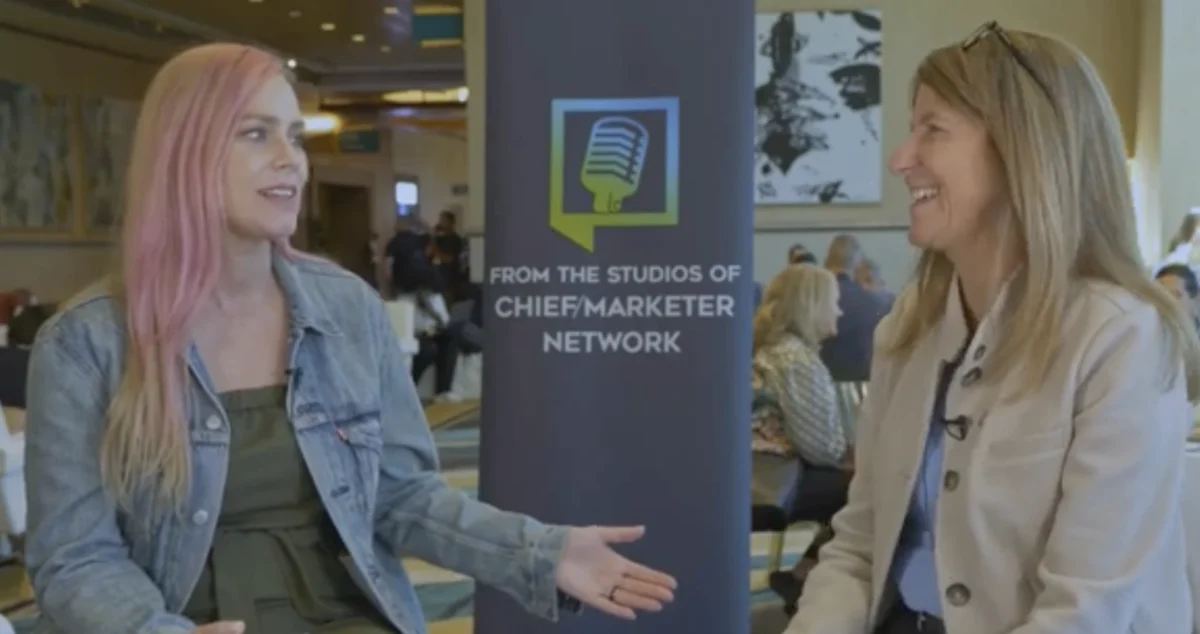
Diane Hund, Senior Vice President and Chief Marketing Officer at US Foods, sat down with Chief Marketer’s Kaylee Hultgren to discuss the brand’s strategic pivot. In a wide-ranging interview, Hund detailed how the company is moving beyond traditional "product lists" to create immersive, outcome-driven experiences that bridge the gap between B2B logistics and culinary inspiration.
Main Facts: The Strategic Value of Experiential in B2B
US Foods operates at a massive scale, acting as the vital link between hundreds of vendors and hundreds of thousands of customers, ranging from independent restaurant owners to executive chefs at major hospitality chains. For a company of this magnitude, marketing is often viewed through the lens of logistics and volume. However, Hund is steering the brand toward a more sensory and emotional connection.
"To be really compelling with these chefs and operators, we’ve gotta bring them more than just a list of products," Hund explained during the summit. "They’ve gotta feel it, taste it, experience it, to really want to connect with the food that we’re selling."
This philosophy has led to a complete overhaul of the company’s food shows. Traditionally, food distribution trade shows were functional affairs—rows of booths and stacks of brochures. Under Hund’s leadership, US Foods has transitioned these events into experiential hubs designed to bring the brand’s value proposition to life. This isn’t just about the food; it’s about the tools, the delivery technology, and the personal relationships that define the US Foods ecosystem.
The "More" Campaign: A Unified Vision
At the heart of their current marketing efforts is the "More" campaign. This initiative is built upon three strategic pillars:
- More Quality: Showcasing superior product sourcing and culinary excellence.
- More Delivery: Highlighting the reliability and precision of their logistics network.
- More Tools: Promoting the proprietary technology and data-driven solutions that help restaurant operators manage their businesses more efficiently.
Hund noted that these pillars are not just marketing slogans; they are the architectural blueprint for their events, ensuring that every touchpoint—from a digital ad to a physical booth—delivers a consistent message.
Chronology: A Two-Year Journey of Innovation
The transformation of US Foods’ experiential strategy did not happen overnight. It was the result of a deliberate, multi-year process aimed at breaking the "industry echo chamber."
Step 1: Recognizing the Need for Change (2022)
Approximately two years ago, the leadership team at US Foods realized that their food show format, which had been industry-leading for 15 years, was becoming stagnant. While it was still functional, it lacked the "spark" required to engage a new generation of chefs who are influenced as much by social media and tech as they are by traditional culinary schools.
Step 2: Seeking Cross-Industry Inspiration
To find a "breakthrough," Hund and her team partnered with the agency EA. Rather than looking at what other food distributors were doing, they looked at the tech sector. The team attended HubSpot’s "Inbound" event—a massive gathering known for its high energy and community-centric design.
"When we saw that, we were hooked," Hund recalled. "To go outside your industry, get some experiences from other areas, that was the breakthrough to help us really think about how to be innovative."
Step 3: Stakeholder Alignment (Late 2023)
Six months prior to launching the new format, Hund faced the daunting task of aligning internal and external stakeholders. This was particularly challenging with vendors and suppliers, who were being asked to increase their financial investment in a concept that was, at the time, entirely theoretical.
To bridge this gap, Hund hosted a "visualization session" in Las Vegas. She walked vendors into a 200,000-square-foot empty trade show floor and asked them to imagine a new kind of engagement. By showing them the physical scale and the strategic "why" behind the shift, she secured the necessary buy-in to move forward.
Supporting Data: The Outcome-First Design Framework
A recurring theme in Hund’s strategy is the "outcome-first" design framework. In an era where marketing budgets are under constant scrutiny, Hund argues that creativity must be tethered to measurable business results.
Measuring Success via ROI
For US Foods, the ROI of an event is calculated through three specific customer behaviors:
- Expansion: Do existing customers who attend the event buy a wider variety of products?
- Conversion: Do prospects who attend leave as signed-on, brand-new customers?
- Retention: Do event attendees have a higher lifetime value and stay with the brand longer than those who do not attend?
"As long as we’re meeting our goals in all of those, this is an area we’ll continue to invest in," Hund stated. This data-driven approach ensures that experiential marketing is viewed not as a "nice-to-have" expense, but as a critical revenue driver.
The Marketing Mix Hierarchy
Hund views the US Foods marketing machine as a three-pronged stool:
- Events (In-Person): Building the emotional connection and value understanding.
- Digital: Creating frequency of message and managing the post-event customer journey.
- Sellers: The 3,000-strong field sales team that closes the deals and manages the day-to-day relationships.
By integrating these three channels, US Foods ensures that the inspiration sparked at a food show is nurtured through digital retargeting and finalized by a personal visit from a sales representative.
Official Responses: AI, Leadership, and the Future of the CMO
During the interview, Hund provided insights into the broader trends affecting the marketing profession, specifically the rise of Artificial Intelligence and the changing role of the C-suite.
On Artificial Intelligence
US Foods is currently utilizing AI in two distinct ways: Predictive and Generative.
- Predictive AI: "We’re using tons of predictive AI right now to really determine what our customers are likely to buy," Hund explained. By analyzing a customer’s digital footprint and even their public-facing menus, US Foods can predict what ingredients a restaurant needs before the chef even places the order.
- Generative AI: The marketing team is experimenting with generative tools to streamline content creation for photography, copy, and video, allowing for faster deployment of localized marketing assets.
On the Modern CMO Role
When asked what it takes to be a successful CMO today, Hund highlighted the shift from "doer" to "enabler."
"Once you get to the CMO level, it becomes a little less about my ability to [create a value proposition] and more about my ability to unlock that and enable that amongst my team," she said.
She also stressed the importance of staying "super human" in an increasingly automated world. Her mantra? Stay close to the customer. "Once you lose sight of what a customer truly needs, I don’t think you can be an effective marketer anymore."
Implications: The Consumerization of B2B Marketing
The strategies discussed by Diane Hund at EMS signal a broader shift in the B2B landscape: the "consumerization" of professional services. US Foods is acknowledging that a chef is not just a "business account"—they are a creative individual who expects the same level of brand engagement and digital sophistication they receive from B2C brands like Apple or Nike.
Breaking the Silos
One of the most significant implications of Hund’s approach is the dismantling of the "event silo." By insisting that the event team sits at the table for all strategy discussions and spends time in the field with sellers, US Foods is ensuring that experiential marketing is grounded in the reality of the customer’s kitchen.
The Future of Food Distribution
As US Foods continues to roll out its "More" campaign and refined event format, the industry will likely see a ripple effect. Competitors may be forced to move away from transactional sales models toward more holistic, "inspiration-based" marketing.
Furthermore, the use of predictive AI to analyze restaurant menus suggests a future where food distributors act as consultants rather than just suppliers. By telling a chef, "We see you’re serving a Caesar salad; here is how our specific parmesan and romaine can improve your margins," US Foods is positioning itself as an indispensable partner in the operator’s success.
Conclusion
The interview with Diane Hund serves as a masterclass in modern B2B marketing. By combining cross-industry inspiration, a rigorous outcome-first framework, and a relentless focus on the human element of the culinary trade, US Foods is proving that even in a world dominated by digital data, the most powerful marketing still happens when people—and food—come together in the same room.
As Hund put it before returning to the summit floor: "You’ve gotta get back to that floor… that’s where it happens." For US Foods, the "floor" is where the brand’s promise becomes a reality.
