

Retail Dive | Published June 5, 2026
By Daphne Howland
The Turnaround Strategy: A Multifaceted Approach to Reinvigorating Torrid
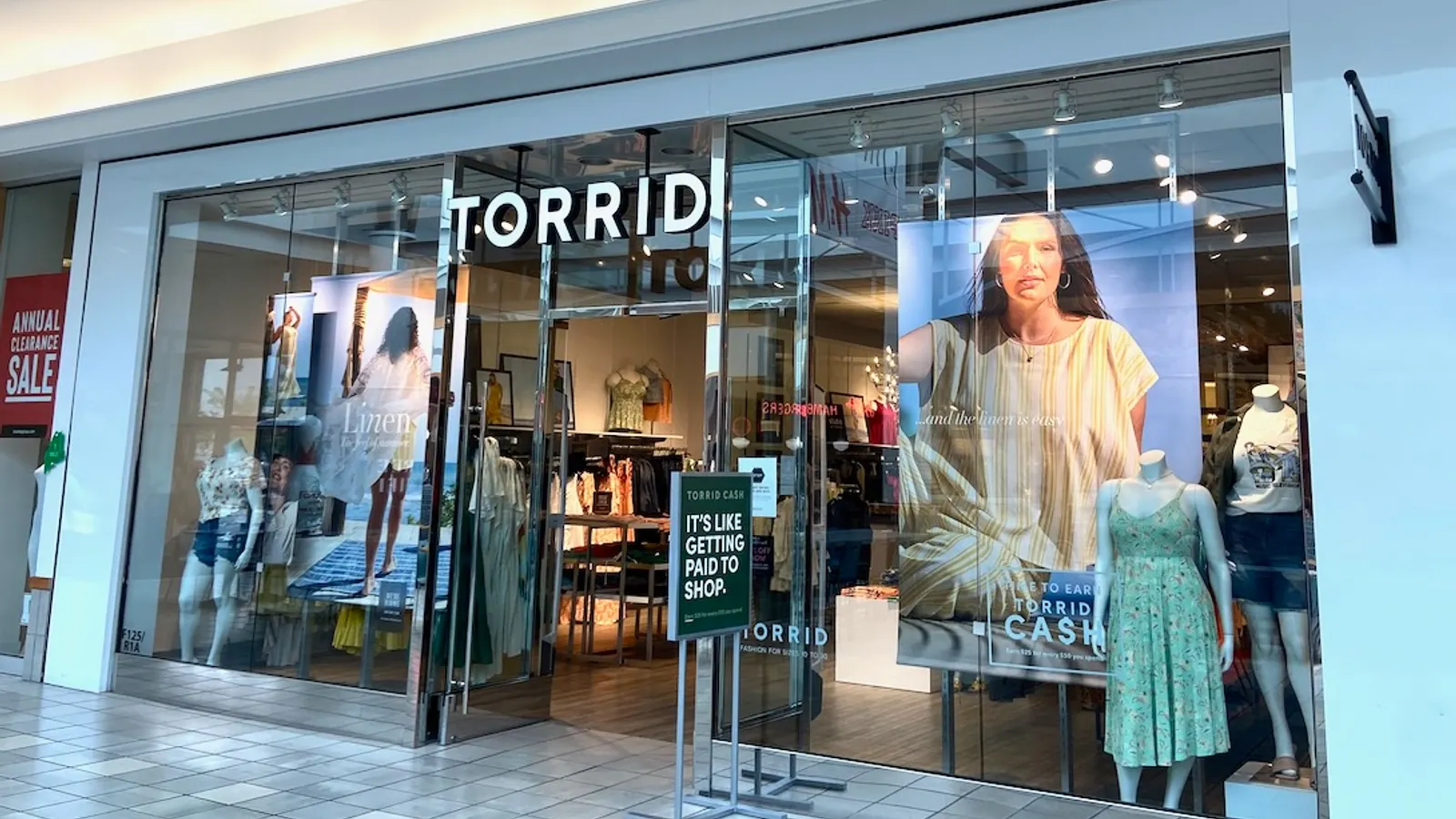
In a strategic pivot that appears to be yielding significant results, plus-size apparel retailer Torrid has embarked on a comprehensive turnaround plan that emphasizes operational efficiency, targeted brand expansion, and innovative customer engagement. The company’s recent financial disclosures reveal a business actively shedding underperforming assets while simultaneously investing in initiatives designed to cultivate a loyal and growing customer base. At the forefront of this resurgence are two key strategies: a revitalized direct-mail campaign and an expanded "casting call" program aimed at identifying both models and influential brand ambassadors.
This dual approach, implemented earlier this year, has already demonstrated a "substantive incremental lift in retained and reactivated customers," according to Torrid CEO Lisa Harper. The retailer’s focus on optimizing its store footprint, coupled with a strategic spotlight on its burgeoning subbrands, has enabled Torrid to surpass initial expectations for the first quarter of 2026. The company’s ability to adapt and innovate in a dynamic retail landscape is now being closely watched by industry analysts, who are assessing the long-term sustainability of this ambitious revival.
A Renewed Focus on Subbrands and Direct Engagement
Torrid’s strategic repositioning hinges on the growth and prominence of its various subbrands. These specialized offerings, designed to cater to a diverse range of styles and needs within the plus-size market, have become a cornerstone of the company’s growth trajectory. In the first quarter of 2026, sales within the subbrand portfolio surged by an impressive 75%, a figure that CEO Lisa Harper projects will continue to climb, contributing approximately 60% more to total annual sales compared to 2025.
The long-term vision for Torrid’s subbrand portfolio is ambitious, with plans to expand its contribution to total net sales from a modest 7% to a significant 12%. Within this expanding ecosystem, subbrands featuring opening price points have emerged as powerful revenue drivers, accounting for nearly a third of apparel sales during the recent quarter. Crucially, these high-volume sales are being achieved at what Harper describes as "healthy product margins," indicating a sustainable and profitable growth model.
To effectively communicate the evolving product assortment and the unique value proposition of these subbrands, Torrid relaunched its direct-mail campaign in February. This initiative has proven to be a potent tool for re-engaging with a previously identified customer base. "Beyond the numbers, it gives us a powerful vehicle to reintroduce Torrid to lapsed audiences to show them how our product assortment has evolved and introduce our subbrands," Harper explained. The company’s commitment to this channel is unwavering, with plans to "continue to scale this channel deliberately and productively throughout the year." This strategic emphasis on direct communication underscores Torrid’s understanding of the importance of personalized marketing in fostering customer loyalty and driving repeat purchases.
The Power of the "Casting Call": Cultivating Community and Brand Advocacy
Complementing its direct-mail efforts, Torrid has significantly expanded and refined its "casting call" program. Far from being a mere model search, this initiative has evolved into a multifaceted platform for discovering influential brand ambassadors and fostering a deeper connection with its customer community. In 2024 alone, the program proved instrumental in onboarding 10,000 new customers and reactivating over 14,000 existing ones, highlighting its dual impact on customer acquisition and retention.
The momentum generated by the "casting call" program is set to accelerate throughout 2026. The program will be prominently featured in a high-visibility event in Times Square in August, a testament to its growing significance and brand appeal. This will be followed by a series of four mall-based events and an ambitious schedule of 30 in-store casting parties. These events offer a unique opportunity for customers to engage directly with the brand, showcase their personal style, and potentially become integral to Torrid’s marketing efforts. By empowering customers to become advocates, Torrid is leveraging authentic voices to build trust and drive organic growth, a strategy that resonates strongly in today’s consumer landscape.
Operational Realignment: Optimizing the Footprint for Sustainable Growth
A critical component of Torrid’s turnaround has been a deliberate and disciplined approach to its physical retail presence. The company has undertaken a strategic initiative to close underperforming stores, a move designed to streamline operations and reallocate resources toward more profitable ventures. This recalibration of its store footprint is seen by executives as achieving an "optimal" configuration, allowing the company to focus its energy and investment on locations that demonstrate strong customer engagement and sales potential.
While the financial benefits of these closures are evident in improved Q1 performance, analysts remain cautious about the long-term implications. William Blair analysts, led by Dylan Carden, noted in a client update that "Torrid is still in the early stages of structural change, which likely implies continued volatility as it reinvests savings from store closures into growth initiatives with still uncertain benefit and continued refinement of pricing and merchandising architecture." This sentiment suggests that while the company is making positive strides, the full realization of its growth potential may still be some time away and will require ongoing strategic adjustments.

Market Dynamics and the Uncharted Territory of Weight Loss Medications
As Torrid navigates its recovery, the broader retail market is grappling with evolving consumer behaviors and emerging trends. One significant factor that has captured the attention of the apparel sector is the increasing prevalence and societal impact of weight loss medications, particularly GLP-1 agonists. Wells Fargo analysts, under the guidance of Ike Boruchow, have observed that this trend is "boosting apparel sales elsewhere as people look for clothing that fits," suggesting a potential tailwind for retailers catering to a wider range of body types and sizes.
However, the impact on the plus-size market remains a subject of scrutiny. While the narrative of people seeking well-fitting clothing is generally positive, there are concerns that a broader societal shift towards weight loss could potentially dampen demand for plus-size garments. Analysts at Jefferies, led by Corey Tarlowe, have pointed out that Macy’s recently noted apparel as the only category experiencing declines, a subtle indicator that shifts in consumer weight and fashion preferences could present unique challenges for retailers like Torrid.
Torrid executives have, thus far, refrained from commenting directly on the specific impact, if any, of weight loss medications on their sales. This measured approach may reflect a strategy of focusing on their core strengths and established customer base, rather than speculating on external market forces. The company’s robust growth in subbrands and its successful customer engagement strategies suggest a strong foundation that may be resilient to these broader societal shifts. Nonetheless, the interplay between evolving health trends and consumer spending in the apparel sector will undoubtedly remain a critical area to monitor in the coming years.
Analyst Perspectives: Cautious Optimism Amidst Structural Change
Following Torrid’s latest financial report, analysts have offered a range of perspectives, generally characterized by cautious optimism. While acknowledging the positive momentum and strategic clarity demonstrated by the company, many emphasize the ongoing nature of its transformation.
Jefferies analysts, in their assessment, stated that while Torrid is "positioned to pivot toward growth," the "visibility into a sustained demand recovery and consistent comp inflection remains limited." This highlights the inherent uncertainty in predicting the long-term success of any turnaround strategy, especially in the volatile retail environment. The path forward for Torrid, according to these analysts, will require not only strategic execution but also a sustained ability to adapt to evolving consumer preferences and market conditions.

The William Blair analysis further underscores this sentiment, pointing to the "early stages of structural change" and the potential for "continued volatility." Their note highlights the ongoing reinvestment of savings from store closures into growth initiatives, the benefits of which are still being assessed. This suggests that Torrid’s journey toward a fully realized and sustainable recovery is likely to be a marathon, not a sprint, demanding patience and continued strategic refinement.
Despite these caveats, the underlying narrative of Torrid’s revival is one of proactive adaptation and strategic foresight. The company’s willingness to embrace innovative marketing, cultivate authentic customer relationships, and optimize its operational footprint positions it as a compelling case study in retail resilience. As Torrid continues to execute its multifaceted turnaround plan, the industry will be keenly observing its ability to translate these promising early results into sustained, long-term growth and market leadership in the plus-size fashion sector. The success of its direct-mail campaigns and its community-driven "casting call" initiatives offer a glimpse into a future where personalized engagement and brand advocacy are paramount to retail success.
