

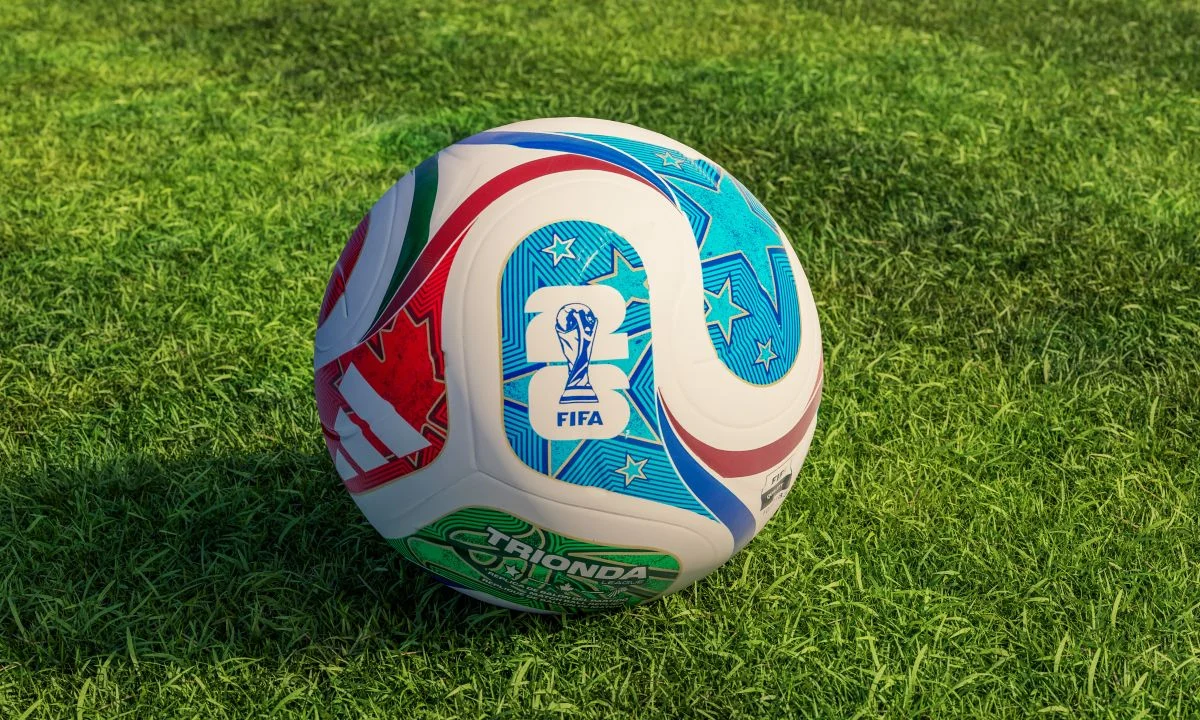
The 2026 FIFA World Cup was envisioned as a historic milestone—a monthlong festival of flags, chants, and athletic brilliance spanning the North American continent. With 104 matches scheduled across the United States, Canada, and Mexico from June 11 through July 19, the tournament is the largest in the history of the sport. However, as the final countdown to kickoff begins, the narrative surrounding the event has shifted from the pitch to the pocketbook.
What was meant to be a seamless showcase of North American hospitality and advanced commerce has, for many fans, transformed into an exercise in financial endurance. The 2026 World Cup is increasingly defined not by the "beautiful game," but by "surge pricing" as a business model, leaving fans to grapple with astronomical transit costs, luxury-tier parking fees, and a ticketing market that has drawn the scrutiny of government regulators.
Main Facts: A Tri-National Commerce Machine
The 2026 World Cup is a logistical behemoth. For the first time, the tournament features 48 teams (up from 32) and is being hosted by three nations simultaneously. The 16 host cities—ranging from Vancouver to Mexico City to New York/New Jersey—are expected to act as hubs for a "six-week commerce machine."
From a macroeconomic perspective, the tournament is a windfall. Global payment leaders and financial institutions have integrated themselves into the very fabric of the event. Visa, serving as the Official Payment Technology Partner, has implemented a strategy focused on "frictionless" commerce, upgrading stadium point-of-sale systems and supporting small businesses in host vicinities. Similarly, Bank of America, the Official Bank Sponsor, has leveraged the event to drive cardholder engagement through hospitality packages and exclusive fan access.
However, the "frictionless" dream for the industry is proving to be a "friction-filled" reality for the consumer. While the infrastructure for tapping a credit card is more robust than ever, the numbers appearing on the digital receipts are causing widespread "fan fatigue." The economic story of 2026 is one of two halves: the corporate success of integrated payments and the grassroots struggle against hyper-inflationary travel and attendance costs.
Chronology: From Bid Approval to Regulatory Scrutiny
The journey to the 2026 World Cup began in 2018 when the "United Bid" won the rights to host. At the time, the promise was one of existing infrastructure and ease of movement. Unlike previous hosts that required billions in new stadium construction, North America boasted NFL and Liga MX venues ready for use.
By late 2025 and early 2026, however, the logistical reality began to sour. As fans started booking travel, the price of basic services began to skyrocket.
- Late 2025: Parking passes for major venues were released, with prices in cities like Dallas and Boston immediately hitting triple digits.
- March 2026: Federal agencies, including the FTC and FinCEN, began issuing warnings regarding the "dark side" of the tournament’s commerce, focusing on ticket fraud and human trafficking risks.
- April 2026: State-level legal interventions began. The Attorneys General of New York and New Jersey launched formal investigations into FIFA’s ticketing practices following a deluge of consumer complaints regarding variable pricing models.
- June 2026: Days before the opening match, reports emerged of fans organizing their own "shadow infrastructure"—such as private bus fleets—to bypass official transit systems that had implemented 600% price hikes.
Supporting Data: The Quantitative Toll on Fans
The disparity between standard operating costs and "World Cup rates" is stark. Data collected from various host cities illustrates a pattern of aggressive pricing that tests the limits of "pent-up demand."
The Transit Crisis
In the New York/New Jersey corridor, the primary artery for fans reaching MetLife Stadium is the rail link from Manhattan. Under normal conditions, a round-trip fare costs approximately $12.90. For the World Cup, fans are facing fares of $98—a nearly eight-fold increase. In Massachusetts, the trip to Gillette Stadium, which typically costs $20, has been listed at $80.
The financial pressure has led to grassroots ingenuity. One notable case involved a supporter from Scotland who, appalled by local bus quotes, organized a fleet of private school buses for 1,000 members of the "Tartan Army." By bypassing official transit options, the group saved an estimated $85,000, reducing the per-person cost to $50.
The Parking Premium
Parking has become a "penalty shootout" for the middle class. FIFA-sanctioned parking passes have reached the following levels:
- Dallas (Semifinals): $175 per spot.
- Kansas City (Quarterfinals): $125 per spot.
- Boston (Group Stage): $175 per spot.
In many instances, these fees do not even guarantee tailgating privileges, as local organizers have restricted stadium lot access to ticketed fans only, further tightening the "controlled commerce" environment.
The Lodging Paradox
While one would expect hotels to be at 100% capacity, the American Hotel & Lodging Association (AHLA) reported a surprising trend in June 2026: 80% of surveyed hoteliers reported bookings below initial forecasts. This "shrug effect" is attributed to a combination of factors:
- Price Gouging: Match-day rooms in premium markets are approaching $700 per night.
- Visa Barriers: International fans have faced significant delays in obtaining U.S. visitor visas.
- FIFA Room Blocks: Large numbers of rooms held by FIFA for officials and sponsors were released back to the public late, at prices that the average fan could no longer afford.
Official Responses and Regulatory Intervention
The escalation of costs has not gone unnoticed by government officials. The most significant pushback has come from the legal sector. New York Attorney General Letitia James and her counterpart in New Jersey have initiated probes into the transparency of the ticketing process.
The investigation focuses on "dynamic pricing" algorithms that saw some seats for the July 19 final listed for as much as $33,000 on secondary markets. Critics argue that the seating maps provided during the initial sales phases were misleading, and that the "variable pricing" model essentially functioned as a state-sanctioned scalping operation.
In response to the outcry, New York City officials announced a "lottery" for 1,000 discounted tickets priced at $50 for matches at MetLife Stadium. While a positive PR move, observers noted that these 1,000 tickets represent a microscopic fraction of the hundreds of thousands of seats available, leading to the sentiment that affordable access is more of a "buried treasure" than a standard offering.
On the security and fraud front, the Federal Trade Commission (FTC) has been forced to issue emergency alerts. The surge in demand has created a vacuum filled by sophisticated scammers using copycat websites and "screenshot" tickets that vanish once the payment is processed. Simultaneously, FinCEN has urged banks to monitor for financial anomalies that could signal human trafficking, a grim but recurring reality for "mega-events" that draw massive global crowds.
Implications: The Future of Mega-Event Commerce
The 2026 World Cup serves as a cautionary tale for the future of global sports. It demonstrates that while technology can make payments "frictionless," it cannot solve the friction of a broken value proposition.
1. The Rise of "World Cup Adjacency"
One of the most interesting implications is the economic activity in non-host cities. Washington, D.C. (the National Mall) and Orlando (Pointe Orlando) have invested heavily in "Fan Zones" and "Soccer Celebrations." These cities are betting that fans, priced out of the host stadiums, will seek a "stadium-adjacent" experience that offers the atmosphere of the World Cup without the $175 parking fee. This suggests a future where the "overflow" market becomes as significant as the event itself.
2. The Limits of Surge Pricing
The data from the hotel industry suggests that there is a "ceiling" to what fans will tolerate. When the cost of attendance exceeds the perceived value of the experience, the "economic boom" predicted by host cities can quickly turn into a "shrug." For future hosts, the lesson is clear: excessive monetization risks alienating the core demographic that provides the event with its cultural energy.
3. The Digital Divide in Fandom
The 2026 tournament has highlighted a growing divide between the corporate-sponsored fan and the traditional supporter. With Bank of America and Visa offering high-end hospitality packages, the "front of the house" is more luxurious than ever. However, the "back of the house"—the fans who travel across oceans and organize school buses—is being squeezed.
Conclusion
The World Cup will undoubtedly be a financial success for FIFA and its primary sponsors. It will move billions of dollars through digital channels and showcase the efficiency of modern payment systems. Yet, as the final whistle blows in July 2026, the lasting legacy may not be the goals scored on the pitch, but the questions raised about the sustainability of the "mega-event" model. If every fan touchpoint is treated as a toll booth, the "beautiful game" risks becoming just another itemized receipt in an increasingly unaffordable world.
