

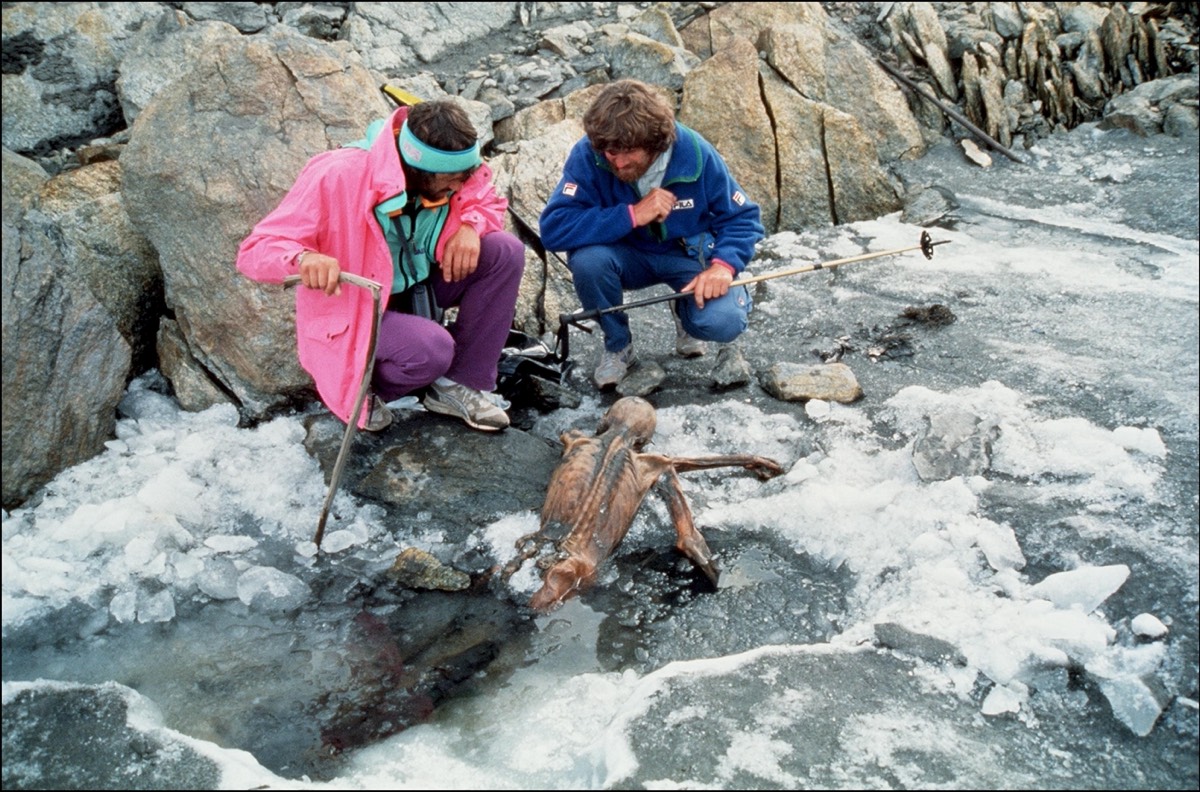
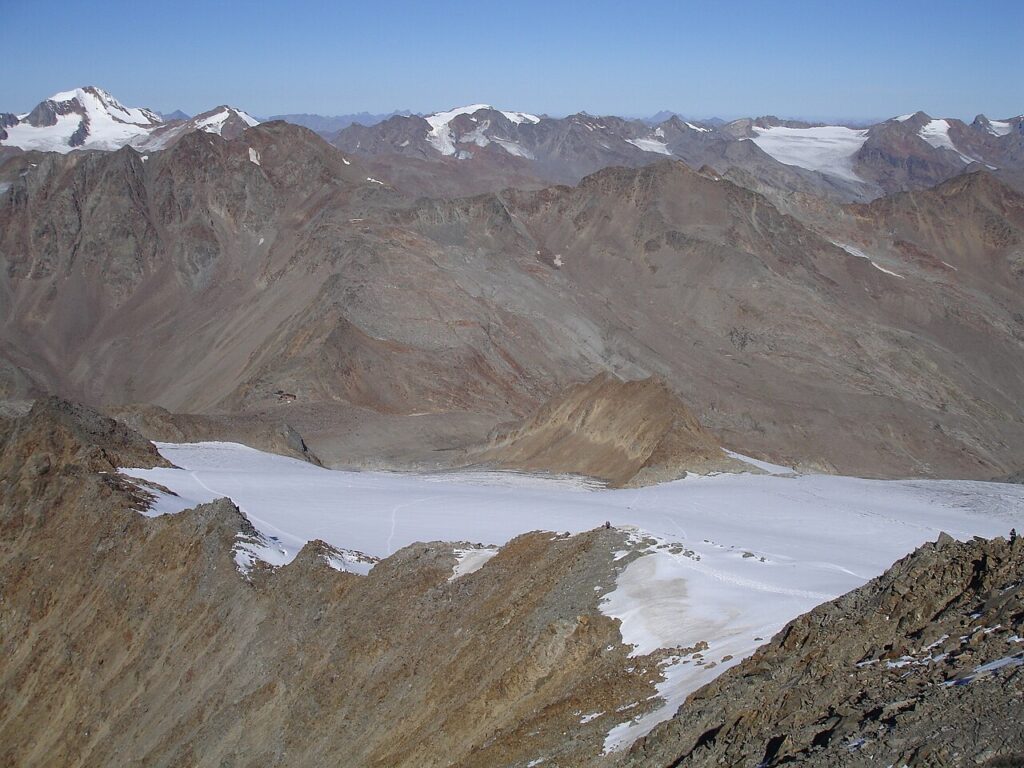
For over 5,300 years, Ötzi the Iceman lay encased in the deep freeze of the Ötztal Alps, a silent witness to the passage of millennia. Since his discovery by hikers in 1991, the Copper Age mummy has been subjected to the most rigorous scientific scrutiny imaginable. Researchers have sequenced his genome, analyzed the contents of his final meal, and reconstructed the tools he carried during his last, desperate journey.
However, a groundbreaking study published in the journal Microbiome (2026) by microbiologist Mohamed S. Sarhan and his colleagues at the Institute for Mummy Studies at Eurac Research has revealed that Ötzi is far more than a static artifact. He is a "living archive"—a dynamic, evolving ecosystem that continues to host microbial life long after his death.
The Microbes That Never Left
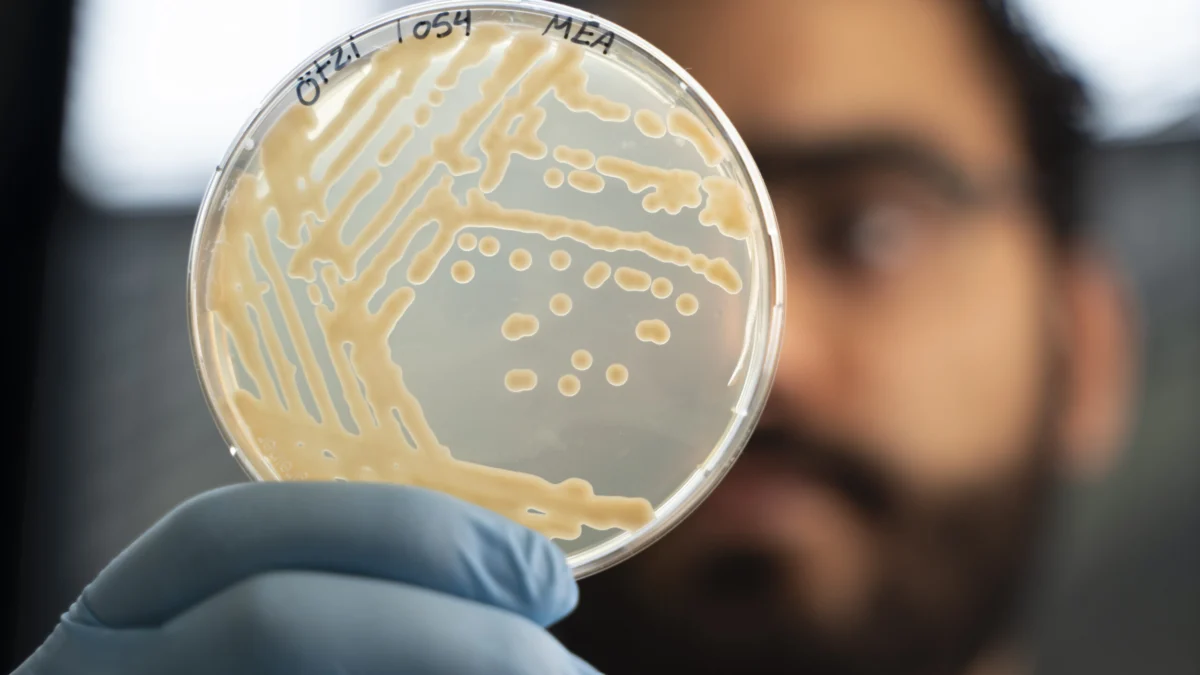
The central revelation of the 2026 study is that Ötzi’s body, preserved in a high-tech climate-controlled chamber at the South Tyrol Museum of Archaeology, is home to active, cold-tolerant yeast species. While the mummy is maintained at a brisk -6°C with 99 percent humidity to prevent decomposition, these specific fungi have managed to survive—and even thrive—by adapting to the unique conditions of their ancient host.
Researchers identified four distinct strains of cold-tolerant yeasts: Phenolifera, Glaciozyma, Goffeauzyma, and Mrakia. Unlike the gut bacteria associated with Ötzi’s life in the Copper Age, which exist only as fragmented, degraded strands of ancient DNA, these yeasts appear to be biologically active.
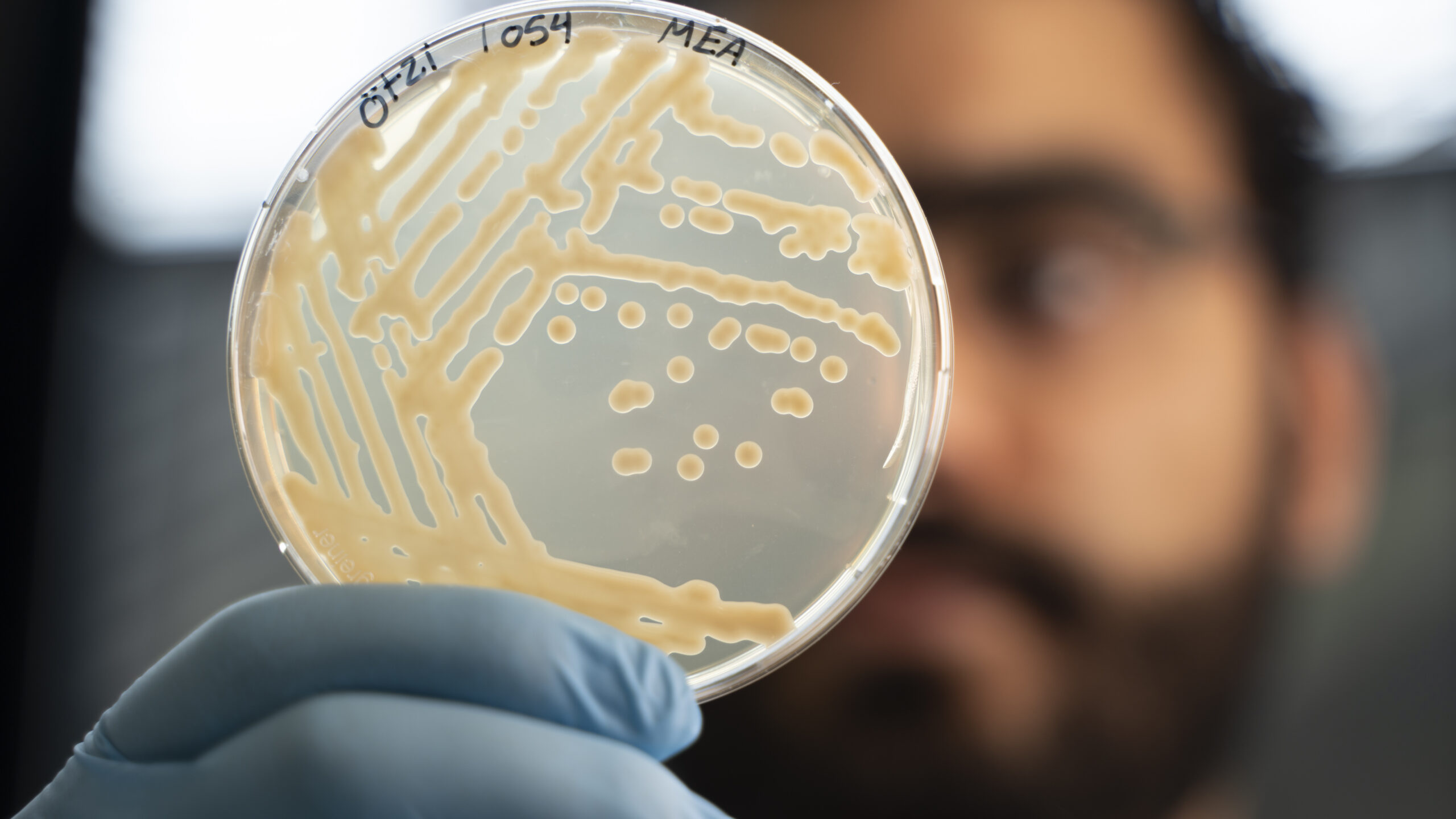
"These yeasts have accompanied Ötzi on his long journey through the millennia," said Frank Maixner, director of the Institute for Mummy Studies and co-author of the study. While the notion of a 5,300-year-old sourdough starter is a compelling thought experiment, the researchers emphasize that these microbes are not merely dormant relics. They are reproducing, albeit at a "glacial pace," suggesting that the mummy’s body provides a consistent, if extreme, niche for these extremophiles.
A Chronology of Colonization
To understand the complexity of Ötzi’s microbial landscape, the research team employed shotgun metagenomics, a process that sequences all DNA present in a sample, allowing them to differentiate between ancient indigenous microbes and modern contaminants.
Phase 1: The Copper Age Ecosystem
When Ötzi walked the Alps, he possessed a complex gut microbiome typical of "non-Westernized" humans. This original microbial community died with him. Today, it is represented only by fragmented, highly damaged DNA, the telltale sign of biological material that has decayed over five millennia.
Phase 2: Post-Mortem Infiltration
Shortly after his death, Ötzi became a beacon for microbes in the alpine environment. Yeasts such as Glaciozyma, commonly found in nearby glacial ice, likely infiltrated the body through natural openings. These organisms were able to utilize the mummy’s tissues as a food source, entering a state of semi-dormancy that was interrupted by periodic thawing events over the centuries.
Phase 3: The Conservation Era
The most recent chapter in this microbial history began in 1991. When conservators treated the mummy with phenol—a common antifungal agent—to halt decomposition, they inadvertently acted as a selective pressure. The species that survived this chemical onslaught were those that could break down phenol, effectively giving them an evolutionary advantage over their competitors. This, combined with the modern, high-humidity storage environment, has allowed these specific yeast strains to establish a stable, long-term colony on the skin and internal tissues of the mummy.
Supporting Data: The Evidence of Evolution
The research team bolstered their findings by comparing samples taken in 2010 with those collected in 2019. The comparative data showed a marked increase in the length of DNA fragments in the newer samples, indicating that the yeast populations are not just surviving, but actively proliferating and turning over their genetic material.
Furthermore, the team examined the soil bacterium Pseudomonas. They found that this bacterium is present in both the ice surrounding the mummy and the mummy’s own tissues. Crucially, the bacteria on the mummy showed distinct genetic adaptations compared to their soil-bound counterparts. This suggests that Pseudomonas has not only colonized the mummy but has evolved specifically to exploit the unique, artificial environment of the museum’s conservation facility.
Additional swabs of the mummy’s skin revealed the presence of Methylobacterium and Sphingomonas. These species are highly resilient and adept at forming biofilms. Their presence is attributed to the museum’s constant spray of UV-treated water, which, while intended to preserve the mummy, has created a new, modern ecological niche that these bacteria have successfully occupied.
Official Responses and Preservation Challenges
Elisabeth Vallazza, Director of the South Tyrol Museum of Archaeology, emphasized that the findings do not suggest that the mummy is in danger of decay. "Ötzi is stable, and he is being carefully monitored," she stated. "These findings provide a deeper understanding of the biological complexity of the mummy, which is essential for our ongoing conservation efforts."
The study highlights a recurring tension in archaeology: the conflict between scientific curiosity and the imperative to protect human remains. While the team successfully cultured these yeasts, they did so for identification purposes, not for culinary experimentation. The prospect of using ancient, mummy-derived yeast to bake bread—a concept that has circulated in popular media—remains firmly in the realm of the theoretical and the unethical. As one researcher noted, "Please don’t eat valuable scientific research material."
Scientific and Philosophical Implications
The implications of the 2026 study extend far beyond the study of a single mummy. By characterizing the "living" microbiome of the Iceman, scientists are gaining insight into how biological systems adapt to extreme, long-term storage.
The "Dynamic Biological Interface"
The study redefines the mummy not as a relic, but as a "dynamic biological interface." This concept suggests that human remains, under the right conditions, function as living laboratories. The microbial community on Ötzi is a composite of three distinct eras:

- The Ancient Legacy: The broken remnants of his original, pre-death microbiome.
- The Glacial Transition: The microbes that colonized him in the wild during his 5,300-year entombment.
- The Modern Anthropogenic Layer: The resilient bacteria and fungi that have adapted to his life as a museum exhibit.
A New Model for Preservation
This research provides a new model for the preservation of organic materials. Understanding that microbes can evolve in response to conservation treatments allows museum staff to adjust their protocols. For instance, knowing that specific yeasts can thrive on phenol means that researchers can move toward more targeted, less ecologically disruptive conservation methods.
The Truth of Existence
Perhaps the most profound takeaway from the study is the humbling reminder of the human condition. As the researchers noted in their conclusion, "Life is short, then you die—and the whole time, you’re a dynamic biological interface."
Even in death, we are not truly alone. We remain part of a vast, shifting cycle of life. Ötzi, the man from the Copper Age, continues to be a host, a habitat, and a teacher. His journey through the millennia has not been a solitary one; he has been accompanied by a persistent, evolving, and remarkably resilient legion of microbes that continue to write his story in the language of DNA.
As we look toward the future, the case of the Iceman serves as a testament to the fact that biology is never truly static. Whether in the high, frozen reaches of the Alps or the sterile, climate-controlled halls of a museum, life finds a way to endure, to adapt, and to reshape its environment—even when that environment is the history of our own species.
