

Nearly a century ago, in the quiet enclave of Wilder, Kentucky, a German immigrant named Theodore Drees laid the foundation for what would become an American homebuilding powerhouse. His first project—a modest, hand-built brick Cape Cod—was more than just a structure; it was the cornerstone of a legacy. Today, as Drees Homes, currently ranked No. 25 on the HousingWire Homebuilder Rankings, approaches its centennial in 2028, the company is undergoing a significant leadership evolution.
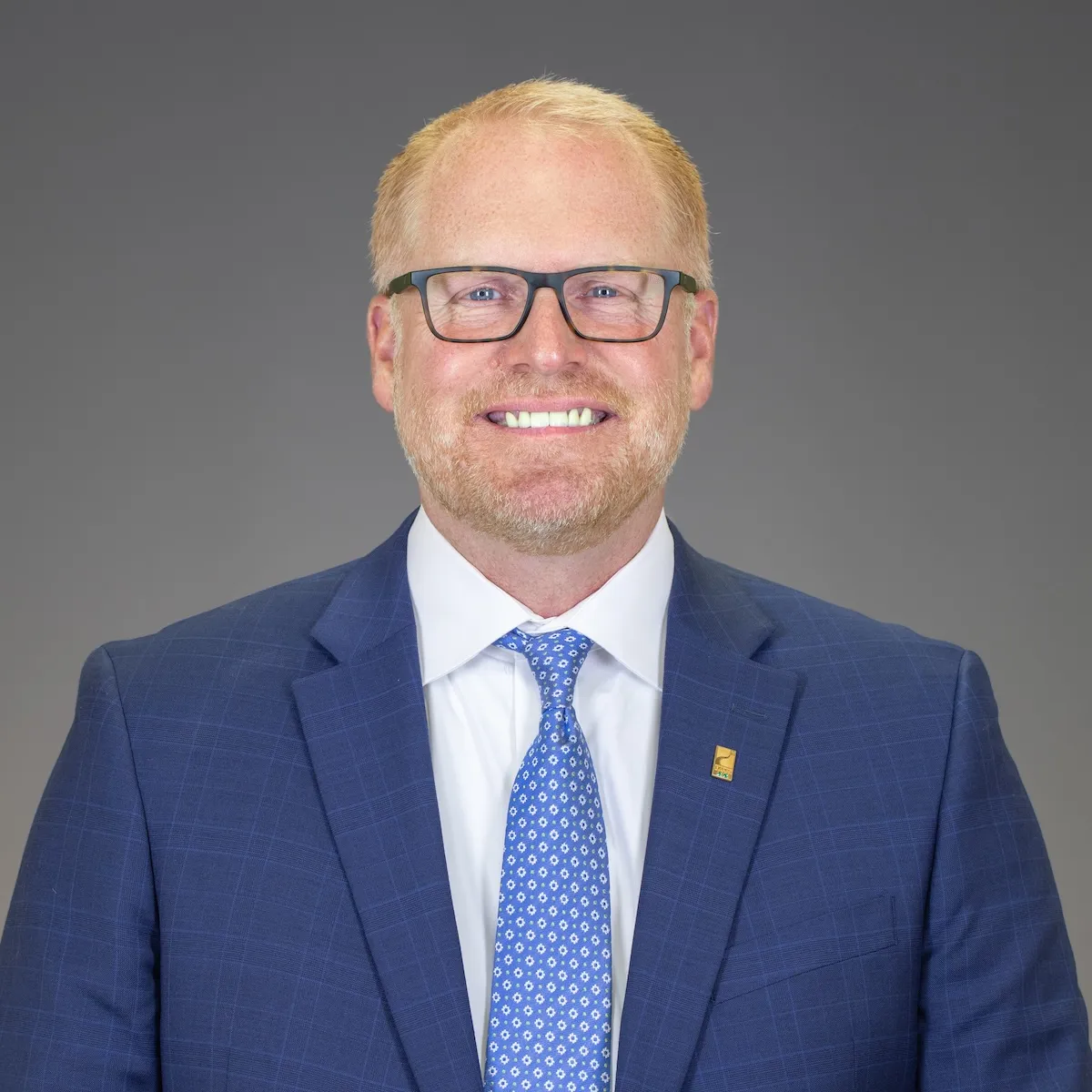
In a move that signals both continuity and a pivot toward modern operational precision, the Fort Mitchell-based firm has appointed Prescott “Scott” Drees as Midwest Regional President. Scott, the great-grandson of the founder, succeeds Steve Tuckerman, a industry veteran who departs after a distinguished 39-year career, including 11 years as the Midwest Regional President.
A Legacy Built on Intentionality
The ascent of Scott Drees into the Midwest Regional Presidency is not a story of dynastic entitlement, but one of deliberate, meritocratic preparation. In an era where family businesses often struggle with the “shirtsleeves to shirtsleeves in three generations” adage, Drees Homes has managed to navigate the complexities of succession with a rare, quiet grace.
For Scott, the path to the C-suite was paved not with pressure, but with Legos and company site visits. His childhood was punctuated by the sights and sounds of residential construction, fostering a natural, osmotic understanding of the business. "I feel blessed that there wasn’t that intense pressure or expectation you sometimes hear about with family businesses," Scott reflects. "Our family did an excellent job of cultivating that interest naturally. What likely had the biggest impact on me were the community grand openings and other company events, which were staples of Drees family vacations."
These early experiences shifted his focus from the bricks and mortar to the human element. "My interactions with our employees were especially meaningful," he recalls. "They would share stories about my grandfather and how proud they were to work at Drees. Being around that level of enthusiasm and pride, it felt only natural to want to be part of it myself."
A Chronology of Operational Rigor
Scott Drees’s professional trajectory serves as a blueprint for the modern legacy leader. Before joining the family firm in 2015 as a Builder Trainee, he sharpened his skills as a project engineer for national construction and development companies. This external experience was vital, providing him with a perspective uncolored by the internal family dynamic.
Upon joining Drees, his career became a masterclass in foundational learning:
- 2015: Joined Drees as a Builder Trainee, learning the intricacies of field operations.
- Mid-Career Expansion: Transitioned into land acquisition, developing the "stealth" instincts required to secure high-value, complex parcels.
- Sales & Strategy: Led sales operations in Indianapolis, gaining a frontline understanding of the buyer journey.
- Divisional Leadership: Served as President of the Townhome Division, a role that proved pivotal in understanding the balance between affordability, design, and operational discipline.
This sequence of roles—field, land, sales, and product development—was a calculated path designed to prepare him for the broader responsibilities of the Midwest region, which encompasses key markets in Cincinnati, Northern Kentucky, Cleveland, Columbus, and Indianapolis.
The Centennial Strategy and Supporting Data
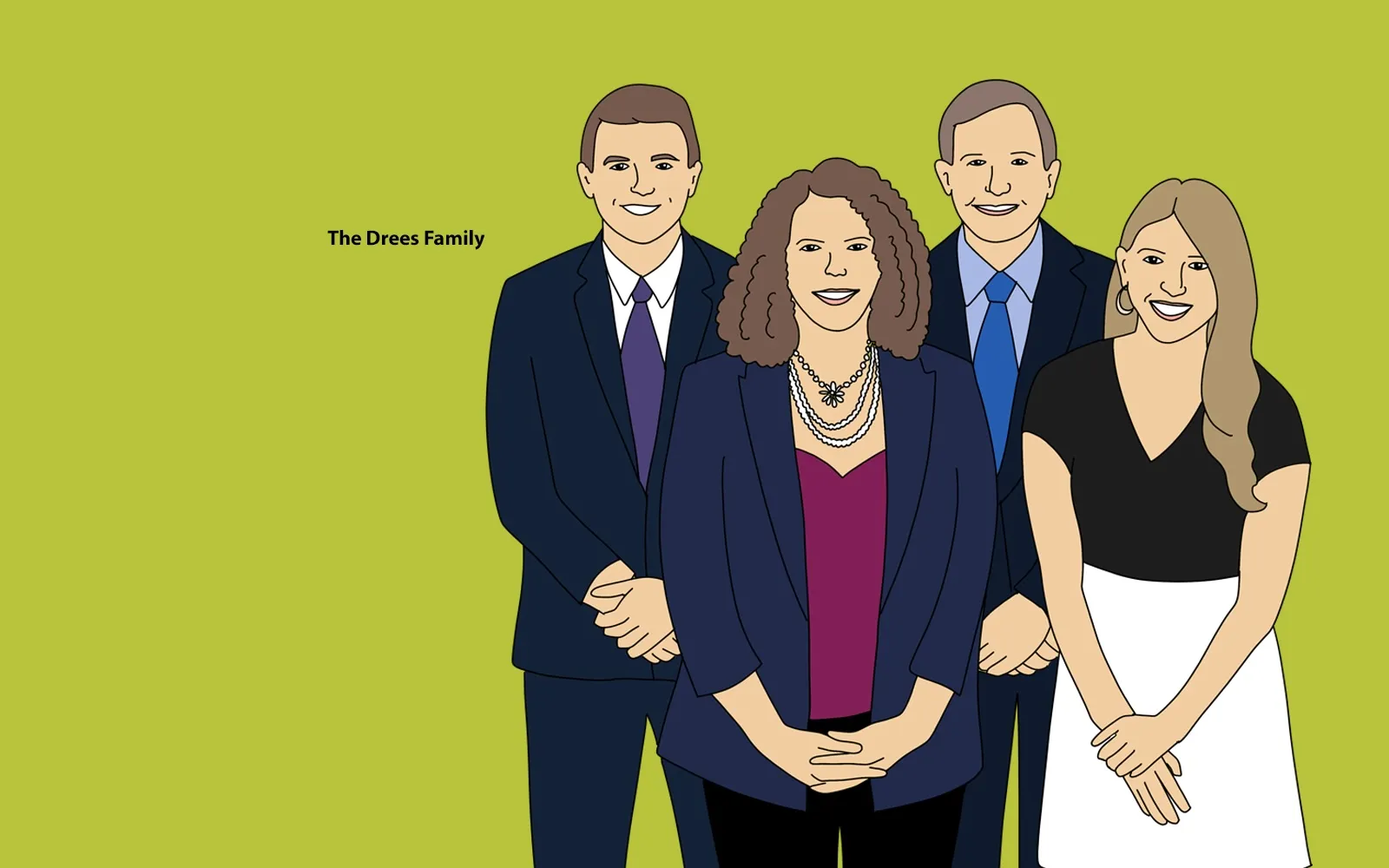
The appointment of Scott Drees is part of a broader, well-orchestrated "Centennial Strategy." David Drees, the current CEO and grandson of the founder, has spent the last 25 years preparing the organization for its 100th anniversary. This strategy is defined by a shift toward professionalized, data-driven management.
Under the guidance of President Tim Terrell, the company has instilled a new sense of urgency and operational discipline. Furthermore, the addition of leaders like Southeast Regional President Randy Mickle, who brings deep experience from the public-builder sector, underscores the company’s commitment to scaling its operations without sacrificing the "custom home" brand promise.
The goal is clear: to achieve approximately 300 closings per division annually. To reach this, the company is leaning into a "stealth land development" model. Unlike public builders that often engage in high-stakes bidding wars for massive tracts of land, Drees identifies smaller, more difficult-to-develop sites. These plots, often ignored by larger competitors, are transformed into high-quality, high-margin communities that cater to the firm’s upper-end product lines.
The Evolving Definition of "Customer"
When asked about his primary objective in his new role, Scott Drees is characteristically direct: he views his mission as one of evolution rather than preservation. "Our employees and our culture do a tremendous job every day of protecting that legacy," he notes. "I definitely see it as my job to evolve the company going forward."
This evolution involves redefining the customer relationship. Scott emphasizes that the "customer" includes the internal workforce. By investing in the ease of the builder’s and sales representative’s daily workflows, the company empowers them to provide a superior experience to the homebuyer.
This human-centric approach is supported by a robust integration of data. "Data-driven decisions and models that our employees at all levels can use to get instant feedback—it’s been an absolute game-changer," says Scott. "It’s going to be a driving force behind so many incremental improvements over the next 10 years."
The "Drees Difference" in a Changing Market
The homebuilding industry is becoming increasingly capital-intensive and professionalized. Drees Homes, however, continues to leverage its private status as a competitive advantage. Because the company is not beholden to quarterly Wall Street expectations, it can remain nimble.
"Everyone has David Drees’s phone number. Everyone has my phone number," Scott says, highlighting the direct line of accountability that defines the company’s culture. "We’re able to be really nimble in process change, which allows us to move the needle in this ever-changing landscape."
Key Implications for the Future
- Product Diversification: As affordability pressures persist, the company is successfully applying its design-forward ethos to attainable segments, including townhomes and the "Pure Style" product line. This proves that high-end design is not exclusive to high-end price points.
- Cultural Stewardship: The company’s focus on "hiring for character" over technical skill alone remains the bedrock of their culture. By vetting for shared values, Drees ensures that new talent, even from the competitive public-builder space, aligns with their long-standing ethos.
- Local Expertise: Drees remains committed to the principle that homebuilding is hyper-local. By empowering regional divisions to cater to specific city dynamics, they maintain a "concierge-like" service model that is difficult for national, centralized giants to replicate.
Conclusion: A Second Century Begins
As the company looks toward 2028, the narrative at Drees Homes is one of balance. It is the marriage of a century of institutional knowledge with the agile, data-first mindset of a new generation.
Scott Drees understands that the ultimate verdict will not be found in stock prices or raw volume, but in the enduring perception of the Drees experience. His hope is that when the company celebrates its 100th anniversary, the industry will recognize that the Drees family and its team have successfully modernized their systems while remaining true to the principles established by Theodore Drees in 1928.
"I’d like people to say that Drees truly provides an exceptional experience, both in home buying, but also working for them and with them," Scott says. "I hope they say of this team that’s taking them into the second century, that we’re poised to allow more families to experience that Drees difference than ever before."
With a grounded, operations-heavy leader at the helm of its most important region, Drees Homes appears not only ready to face its second century but to redefine what a legacy builder can achieve in a modern, data-driven world.
