

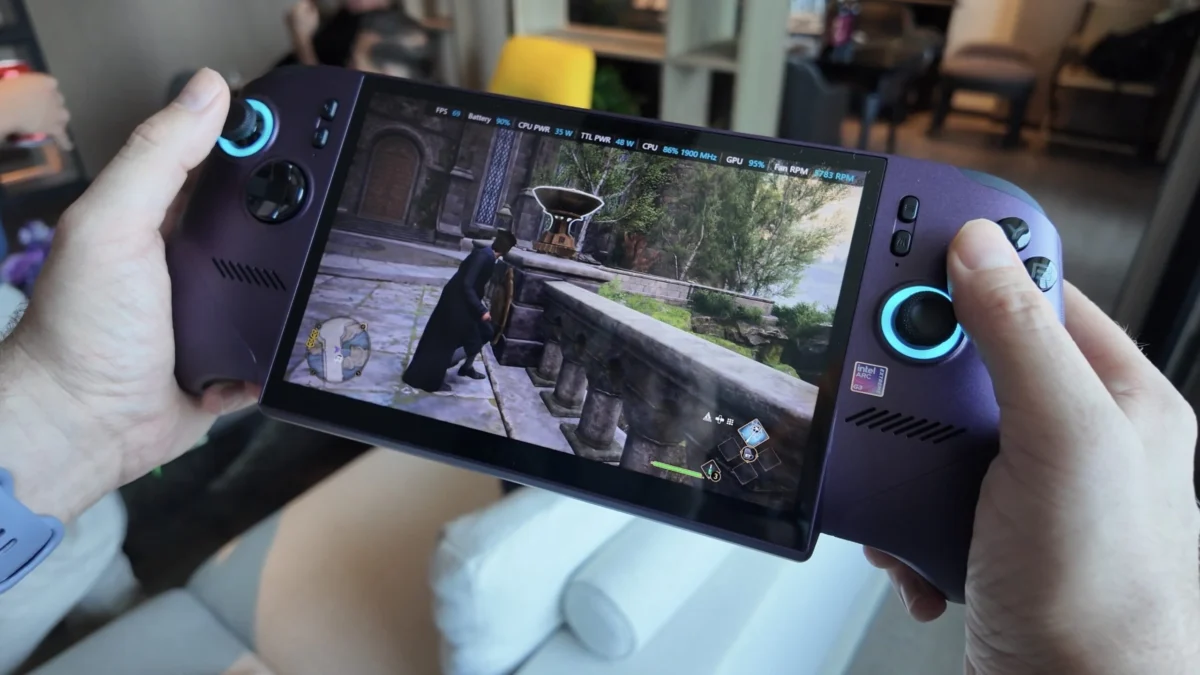
The landscape of portable gaming is undergoing a seismic shift. For years, the handheld PC market—pioneered by the runaway success of the Steam Deck—has been dominated by AMD’s custom silicon. However, as Intel prepares to roll out its next generation of mobile processors, specifically the high-performance Panther Lake architecture and the G3 Extreme chip, the industry is bracing for a new era of hardware diversity. In a significant move that signals the maturation of the handheld ecosystem, Valve has introduced pivotal updates to its SteamOS 3.8.8 beta, explicitly targeting better support for Intel-based hardware.
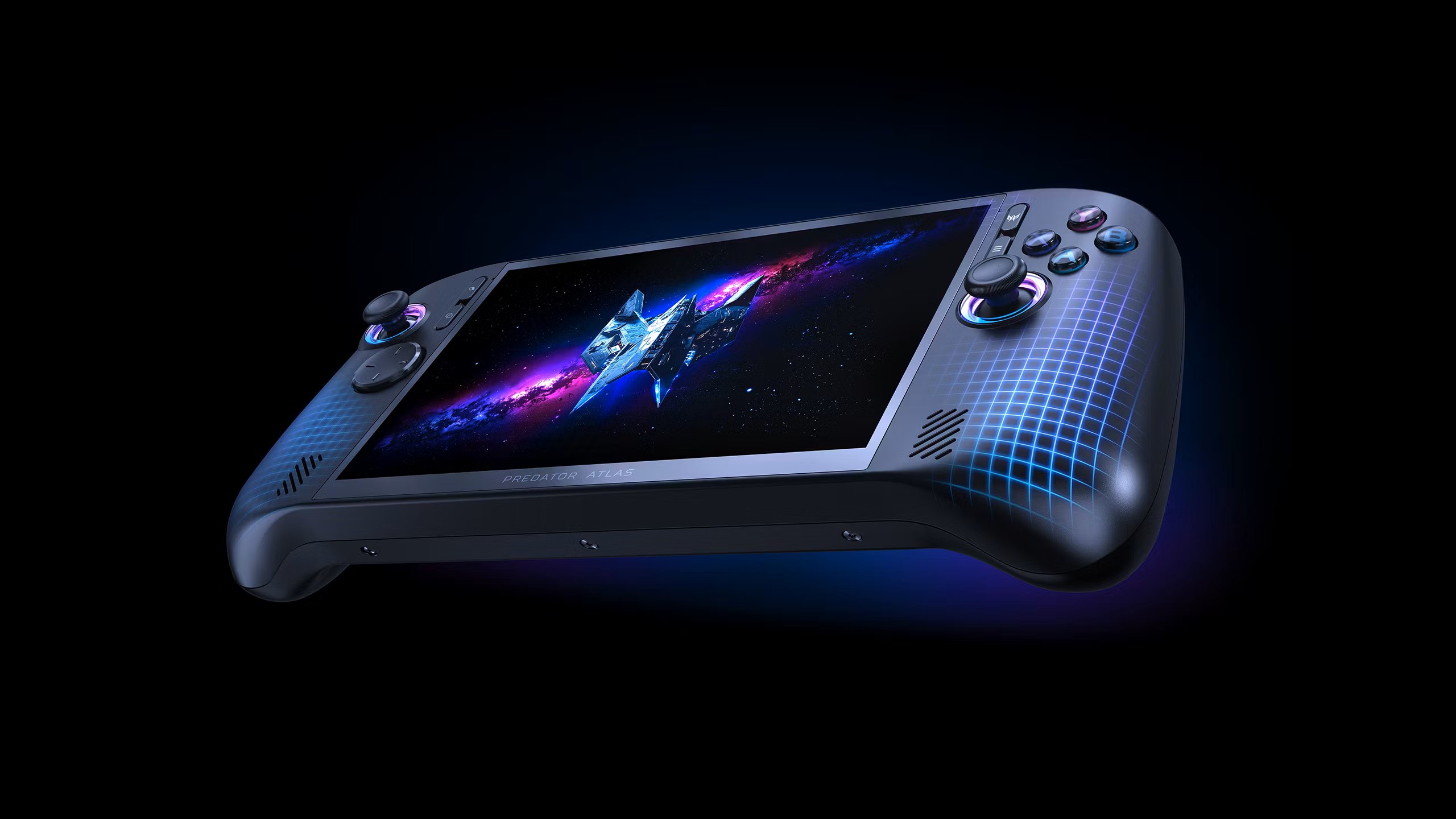
This development is more than a mere software patch; it represents a strategic alignment between the world’s most popular Linux-based gaming operating system and the hardware giants at Intel. As upcoming devices like the MSI Claw 8 EX AI+, the OneXPlayer 3, and the Acer Predator Atlas 8 prepare for launch, the promise of a console-like, optimized gaming experience is finally becoming a reality for Intel enthusiasts.
Main Facts: Breaking Down the SteamOS 3.8.8 Beta
The release of SteamOS 3.8.8 beta marks a turning point for users who have long felt alienated by the OS’s previous prioritization of AMD-specific drivers. The update introduces foundational hardware support for Intel platforms, enabling smoother communication between the operating system and the chipsets powering the latest generation of handhelds.
Key features of this update include:
- Enhanced Intel Kernel Support: Improved driver stacks that allow for better resource management and hardware acceleration on Intel G3 Extreme processors.
- Controller Compatibility: Expanded mapping support for the distinct input layouts found on devices like the MSI Claw series, ensuring that the SteamOS interface responds correctly to native hardware buttons and triggers.
- Initial Firmware Infrastructure: The inclusion of low-level firmware support designed to handle the specific power states and wake/sleep functions of the next wave of Intel handhelds.
For the end user, this means that the "Steam Deck experience"—characterized by a seamless, snappy UI, optimized power management, and instant-resume functionality—is no longer gated behind the necessity of using an AMD-powered device.
A Chronology of the Handheld Hardware Tug-of-War
To understand the significance of this update, one must look back at the rocky road Intel has traveled in the handheld space.
The Initial Struggle (2023–2024)
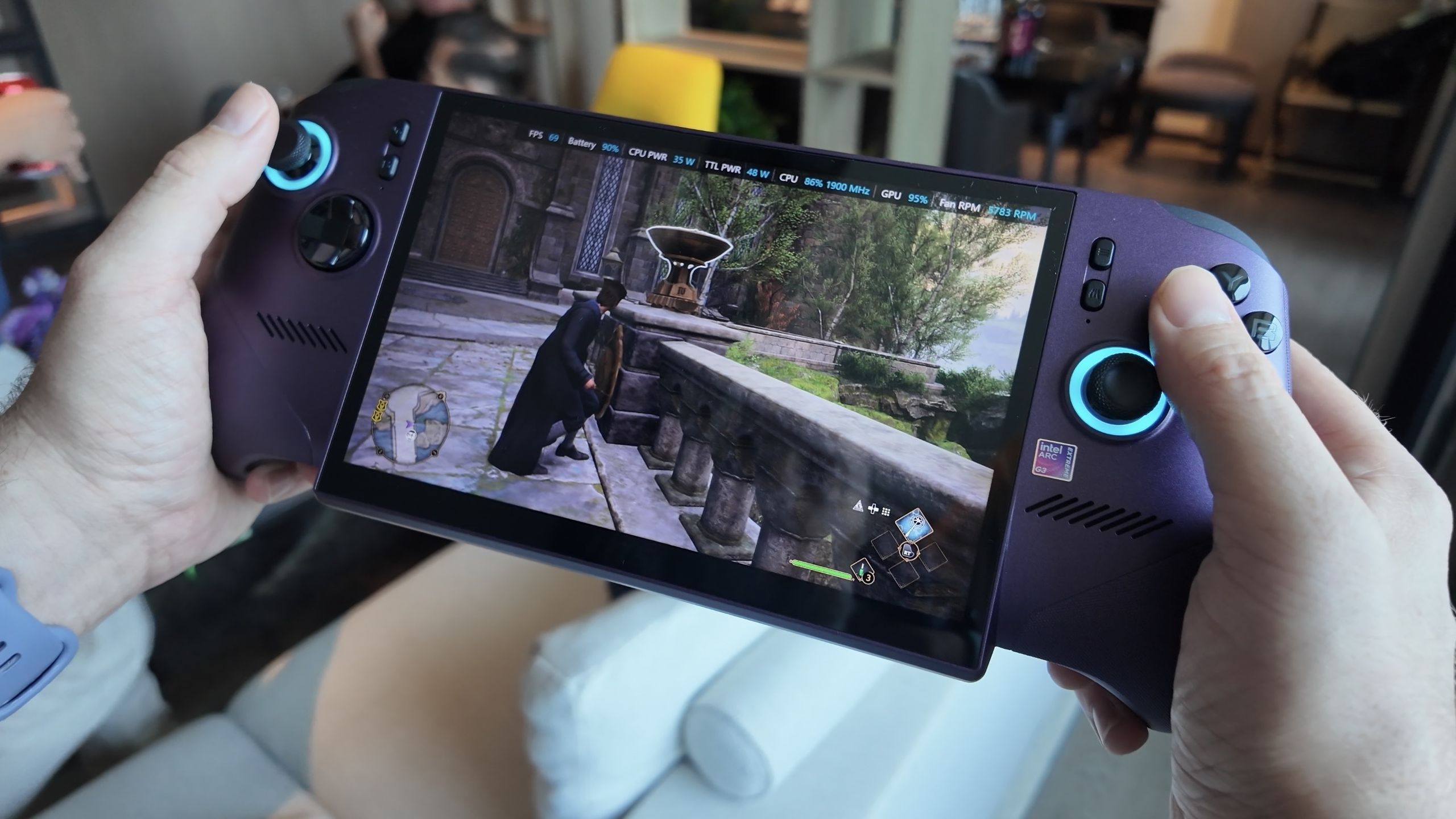
When the first wave of Windows-based handhelds arrived, they were almost exclusively powered by AMD’s Ryzen Z1 and Z1 Extreme chips. These chips were designed from the ground up for low-power, high-efficiency gaming. When MSI launched the original Claw, it utilized Intel’s Meteor Lake architecture. Early reviewers and users reported a disjointed experience; while the hardware was capable, the software—Windows 11—was not optimized for the form factor.
The Failed Linux Experiment
Many enthusiasts attempted to install SteamOS (or its community-maintained derivative, Bazzite) on these early Intel devices to escape the bloat and overhead of Windows. They were met with disappointment. Because the Linux kernel lacked mature support for Intel’s specific integrated graphics and power-management features, performance was frequently worse than it was under Windows. Games stuttered, TDP (Thermal Design Power) control was non-existent, and essential features like the "Steam button" menu simply failed to trigger.
The Turning Point (Late 2024–Present)
The announcement of the MSI Claw 8 AI+ and the subsequent collaboration between hardware manufacturers and Valve began to shift the narrative. Valve, recognizing that the handheld market is becoming fragmented, began integrating Intel-specific patches into the mainline Linux kernel. This culminated in the 3.8.8 beta, which provides the first "out-of-the-box" feeling of stability for Intel users.
Supporting Data: Performance and Optimization
The technical challenge of porting SteamOS to Intel lies in the difference between how Intel and AMD handle memory allocation and power efficiency.
TDP Control and Power Efficiency
One of the most persistent issues for handheld users is TDP management. In the Steam Deck, Valve provides a simple slider that allows users to cap the power draw to save battery. On Intel devices, this was historically handled by third-party tools like "Decky Loader" plugins. While functional, these were often unstable and prone to breaking after system updates. The new beta introduces a more standardized communication layer between the OS and the processor, allowing for more granular, reliable control over the hardware’s power profile.
Frame Rate and Fluidity
Recent demonstrations by hardware enthusiasts, such as those by ETA Prime, have shown that the MSI Claw 8 AI+ running the latest SteamOS beta handles demanding titles like Cyberpunk 2077 and Forza Horizon 5 with newfound consistency. While the performance gap between Windows 11 and SteamOS remains, the gap is closing. In many instances, the overhead reduction provided by the Linux kernel allows Intel chips to maintain higher minimum frame rates, significantly reducing the "micro-stuttering" that plagued earlier attempts at running Linux on Intel silicon.
Official Responses and Industry Outlook
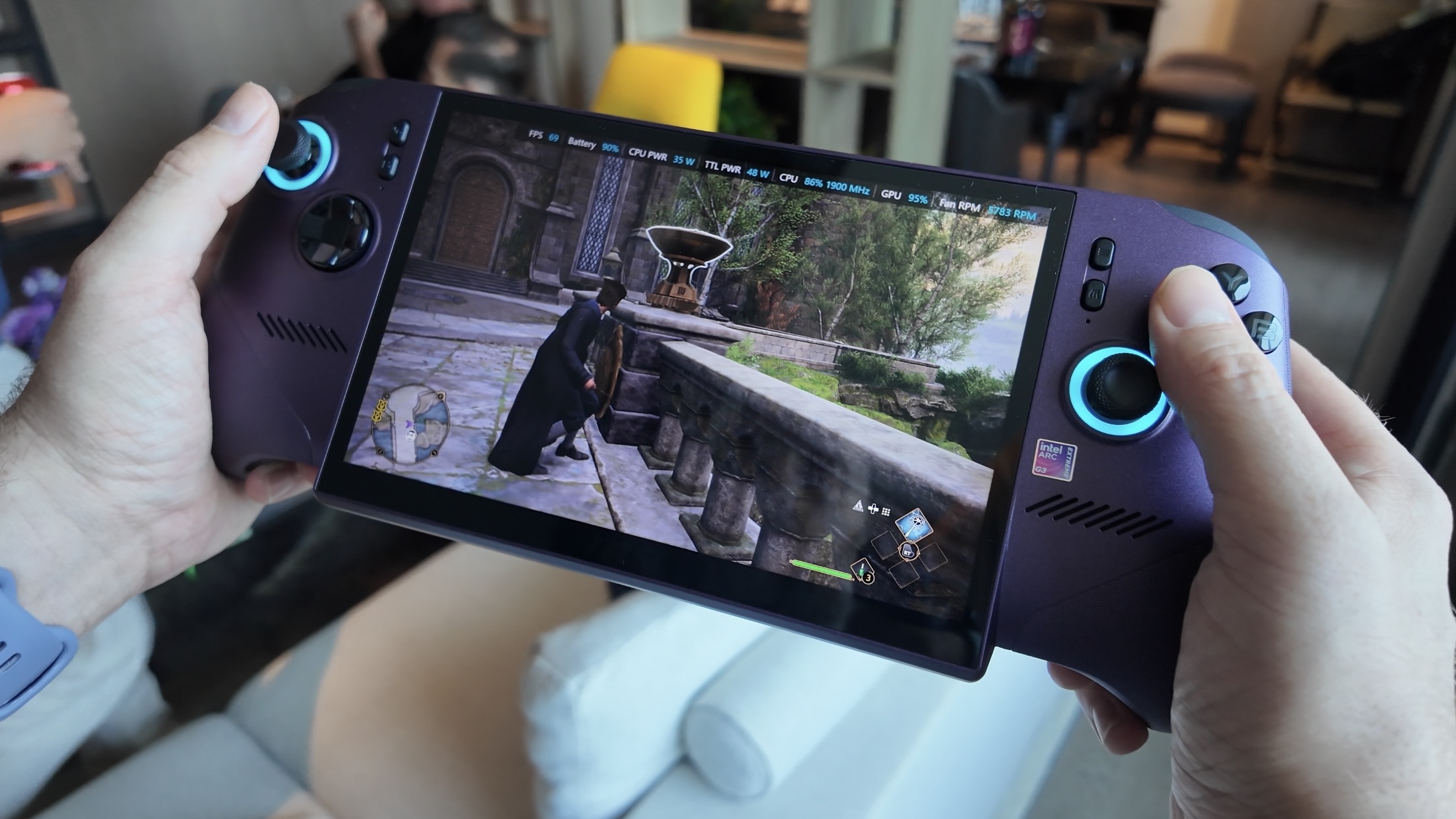
While Valve has remained characteristically tight-lipped regarding specific partnerships, the inclusion of firmware for the Acer Predator Atlas 8 and OneXPlayer 3 suggests a high level of behind-the-scenes cooperation.
Intel’s strategy appears to be one of "software-hardware synergy." By providing the necessary documentation and driver support to the Linux community, Intel is ensuring that its upcoming Panther Lake mobile processors—which promise massive leaps in NPU (Neural Processing Unit) and GPU performance—are ready for the "living room" experience that gamers crave.
Hardware manufacturers are equally optimistic. The ability to market a device as "SteamOS-ready" or "Linux-compatible" is a massive selling point in a market where consumers are increasingly wary of the complexity and instability of Windows 11 on handhelds. By decoupling these devices from the "PC-as-a-laptop" paradigm and moving toward a "console-like" paradigm, companies like MSI and Acer are positioning themselves to capture a broader audience that wants the power of a PC without the maintenance of a desktop operating system.
Implications for the Future of Handheld Gaming
The move to support Intel in SteamOS carries three major implications for the industry:
1. The Death of the "Proprietary Ecosystem"
For a long time, the Steam Deck was the only device that could offer the true SteamOS experience. With the 3.8.8 update, the barrier to entry for other manufacturers is lowered. We are likely to see a competitive market where manufacturers compete not just on chip power, but on display quality, battery life, and ergonomic design—all while running the same highly optimized software.
2. A Challenge to Microsoft’s Dominance
Microsoft has struggled to adapt Windows 11 to the handheld form factor. The lack of a true "Xbox Mode" that matches the simplicity of the SteamOS interface has left a vacuum in the market. If Valve continues to polish the Intel experience, it could lead to a significant migration of users away from Windows-based handhelds. This forces Microsoft to either accelerate the development of a dedicated "Windows Handheld Edition" or risk losing a significant slice of the PC gaming ecosystem.
3. Accelerated Innovation in Mobile CPUs
With both AMD and Intel now having a "home" on the premier handheld operating system, the competition for the next generation of handheld chips will become fiercer. We can expect to see faster iterations of chips specifically designed for low-wattage, high-resolution gaming, as both companies aim to provide the best performance-per-watt profile for the SteamOS community.
Conclusion: A New Era for Portability
The release of the SteamOS 3.8.8 beta is a watershed moment. It signals that the handheld gaming market is moving away from a single-vendor monopoly toward a diverse, open, and robust ecosystem. For the owner of an upcoming Intel-powered device, the future looks bright.
While there are still hurdles to clear—such as the need for better native menu integration, standardized TDP controls, and improved touch-navigation for non-game menus—the trajectory is clear. Valve is building a platform that transcends hardware, and Intel is finally providing the tools to make that platform sing. As we head into 2026, the question for gamers will no longer be "Which brand of handheld should I buy?" but rather "Which handheld offers the best experience for the games I love?" With SteamOS now in the mix, the answer is looking increasingly like it will be "whichever one you choose."
