

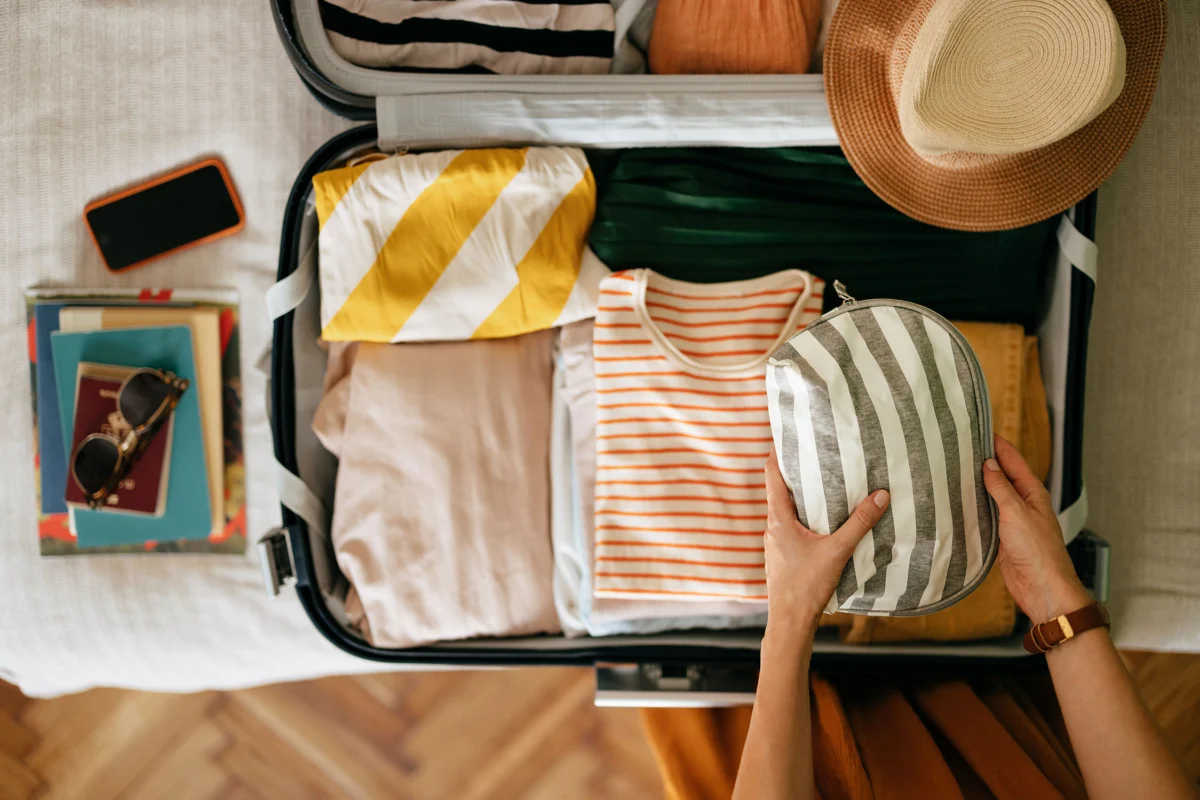
Packing for a summer getaway is often synonymous with anxiety. The mental checklist is daunting: Will my suitcase be overweight? Did I pack for every weather contingency? Is this ensemble chic enough for dinner yet comfortable enough for a layover? For the average traveler, the experience is fraught with logistical hurdles, from TSA regulations to the dreaded "gate check."
However, there is a cohort of professionals who have turned this chaotic chore into a streamlined, high-performance art form: flight attendants. For these sky-bound professionals, the suitcase is not just luggage; it is a mobile life-support system. By interviewing crew members from JSX and Hawaiian Airlines, we have decoded the philosophy that allows them to live out of a carry-on for weeks at a time. The verdict is simple: travel light, stay organized, and—if you value your sanity—never check a bag.
The Philosophy of Versatility: Less is More
"The best travel tip I can give is to pack versatile, multi-purpose items that serve more than one function," says Rogelio “Jay” Gan, a JSX flight attendant based in New York. The core of the flight attendant’s approach is the rejection of "variety" in favor of "versatility." When you stop trying to curate a different look for every hour of the day, you reclaim both physical space in your luggage and mental space in your mind.
For summer travel, the absolute gold standard of this philosophy is the pareo. Hawaiian Airlines flight attendant Mapuana Faulkner considers it a non-negotiable essential. "A pareo can be used as a colorful scarf, a pool or beach cover-up, or an airplane blanket," she explains. Her colleague, Kesha Ahlo, echoes this sentiment: "I love a pareo because it’s a light blanket on the plane, a throw for the beach, or a stylish wrap skirt for dinner. It is endlessly versatile and takes up almost zero space."
This principle extends to clothing choices. The goal is to curate a "capsule wardrobe" consisting of lightweight, wrinkle-resistant pieces that can be layered. A classic cardigan, for instance, serves as a chic accessory for a cool evening, a protective layer against aggressive cabin air conditioning, and a makeshift cover-up when visiting seaside cafes.
Chronology of a Packing Strategy
To understand how to pack like a pro, one must follow the chronological workflow that flight attendants utilize to ensure they are prepared without being burdened.
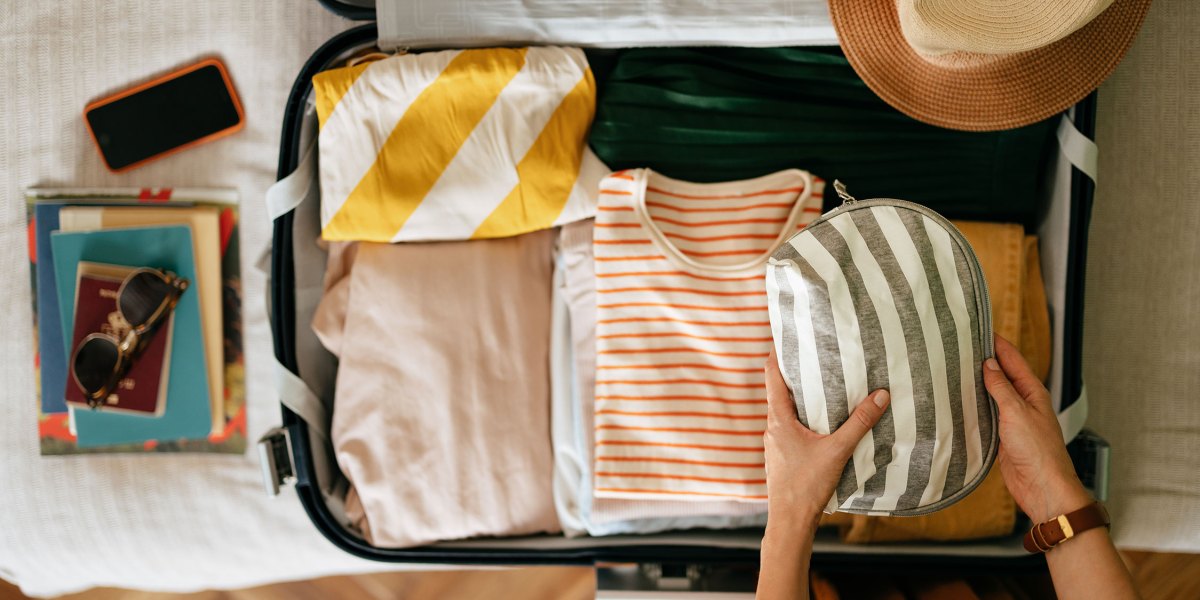
Phase 1: The "Wearable" Strategy
The process begins with the items that never make it into the suitcase. Sarah Mukai, a flight attendant for Hawaiian Airlines, suggests an aggressive approach to bulk. "I always wear my bulkiest shoes—usually my boots or sneakers—to the airport," she explains. "This saves valuable real estate in my carry-on for lightweight sandals, slippers, or heels that barely take up any room." By wearing the heaviest items, you effectively "cheat" the weight limits while maintaining your wardrobe options.
Phase 2: Structural Organization
Once the clothing is selected, the internal architecture of the bag becomes the focus. Flight attendants swear by compression packing cubes, which physically shrink the volume of your clothes. Beyond the cubes, they look for "sleeper hits" in storage. JSX attendant Deborah Blayne recommends packing a few empty, foldable plastic shopping bags. "They are incredibly practical," Blayne notes. "They can be used for wet swimwear, separating dirty laundry, or even as an extra tote for shopping at your destination. They weigh virtually nothing."
Phase 3: The Transit Protocol
The final phase occurs at the airport. This is where the "empty bottle" strategy comes into play. Since liquids over 3.4 ounces are prohibited at security, bringing a pre-filled bottle is a waste of effort. Instead, keeping a high-quality, collapsible water bottle—like a Vapur—in your carry-on allows you to breeze through security and fill up at a hydration station or request a fill-up from the flight crew once on board.
Supporting Data: Why "Carry-On Only" is the Superior Choice
The implications of checking a bag go far beyond the annoyance of waiting at the baggage claim carousel. According to industry data, the primary causes of travel-related stress—aside from weather delays—are lost, stolen, or damaged luggage.
By committing to a carry-on, you eliminate the "wait time" variable. You are the first off the plane and the first out of the terminal. Furthermore, you eliminate the risk of the "lost bag" scenario, which remains a significant operational challenge for major airlines during peak summer travel periods. For a traveler, this independence translates to a more flexible itinerary; should your flight be canceled or diverted, you are not tethered to a bag sitting in a different city.
Official Responses and Expert Hacks
We reached out to the crew for their "hidden gems"—the small, often overlooked items that make a massive difference in quality of life while traveling.
- The Climate Regulator: Elana Cukier (JSX) insists on a portable, foldable handheld fan. "It sounds minor, but when you are trapped in a stuffy terminal or an airplane cabin where the temperature control is lagging, it is a lifesaver," she says.
- The Tech Minimalist: Sarah Mukai (Hawaiian Airlines) has moved away from tangled cords. "I carry a slim MagSafe charger," she explains. "It powers my phone wirelessly, allowing me to explore all day without worrying about wall outlets or cable management."
- The Sensory Manager: Unsurprisingly, noise-canceling headphones remain the number one recommendation across the board. The ability to create a "sonic bubble" is essential for long-haul fatigue management.
The Implications of Mindful Travel
Adopting these strategies does more than just save you the $30 to $50 checked bag fee; it fundamentally shifts the way you interact with your vacation. When you travel with less, you are less concerned with your possessions and more engaged with your surroundings.
As Mukai poignantly observes, "Packing this way leaves room for what matters most: the treasures, stories, and memories you’ll bring home long after the trip is over."
When you aren’t struggling to maneuver a massive suitcase over cobblestone streets or worrying about whether your bag made the connection in Chicago, you are mentally present. You are more likely to strike up a conversation with a local, more likely to explore an extra neighborhood, and significantly less likely to arrive at your hotel exhausted by the physical labor of your own luggage.
Your Master Summer Packing Checklist
To replicate the efficiency of our flight attendant sources, use this structured guide as your foundation:
Essential Gear
- Carry-on suitcase: Opt for a lightweight, four-wheeled spinner.
- Personal item: A backpack or tote with a luggage sleeve that slides over your suitcase handle.
- Packing cubes: One for tops, one for bottoms, one for undergarments.
- Laundry bag: A thin, waterproof pouch to isolate worn items.
Clothing (The Versatility Suite)
- The Pareo: Your multi-purpose savior.
- Neutral Base Layers: Think lightweight linen or performance fabrics that wick moisture.
- The "Workhorse" Cardigan: Mid-weight, neutral color.
- Comfortable Footwear: One pair of supportive walking shoes (worn) and one pair of dressy sandals (packed).
Tech & Charging
- MagSafe or Slim Power Bank: High capacity, low profile.
- Noise-Canceling Headphones: Essential for inflight peace.
- Universal Adapter: If traveling internationally, keep it in a dedicated mesh pouch.
Organization & Misc
- Foldable Shopping Bags: For dirty laundry or unexpected souvenirs.
- Collapsible Water Bottle: BPA-free and leak-proof.
- Handheld Fan: Battery-operated or manual for climate control.
Skincare & Sun Protection
- Travel-Sized Essentials: Always decant full-sized products into 3oz silicone containers to ensure they fit in your TSA-compliant clear bag.
- Solid Sunscreen: Eliminates liquid volume concerns.
By following this expert-vetted blueprint, you move from being a traveler who is "at the mercy" of their luggage to one who is in total control of their journey. The stress of the airport, the fear of the lost bag, and the exhaustion of overpacking can be replaced by the quiet confidence of a professional who knows exactly what they need—and exactly how to carry it.
