

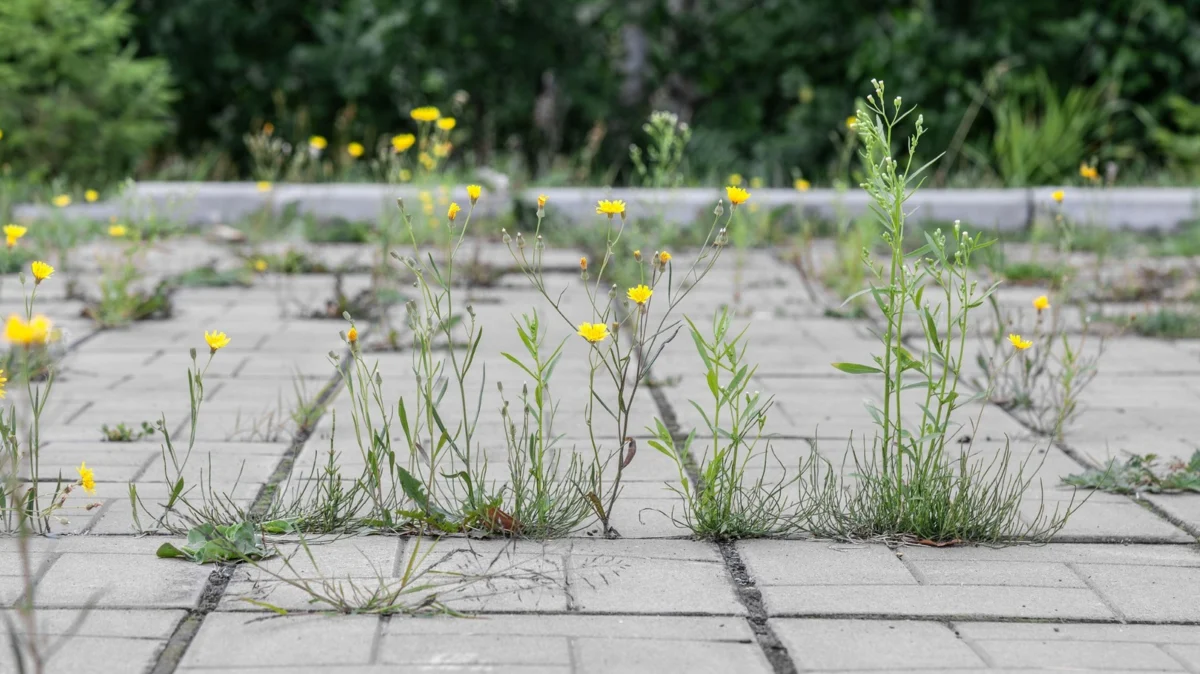
For decades, homeowners have faced a perennial dilemma when designing outdoor living spaces: how to balance environmental responsibility with aesthetic appeal and low-maintenance functionality. Traditional permeable materials, such as standard gravel and loose-fill pavers, offer excellent drainage but act as a magnet for persistent weeds. Conversely, solid concrete prevents weed growth but creates impermeable surfaces that contribute to runoff and drainage issues.
In recent years, a sophisticated alternative has emerged, promising to bridge this gap: resin-bound gravel. By fusing high-quality aggregates with a specialized resin binder, this material offers a smooth, durable, and permeable surface that is effectively inhospitable to invasive vegetation. As urban planning shifts toward sustainable drainage systems (SuDS), resin-bound surfaces are rapidly becoming the gold standard for both residential patios and commercial walkways.
The Core Mechanics of Resin-Bound Surfaces
At its fundamental level, a resin-bound surface is a mixture of selected aggregates—ranging from crushed granite and rounded quartz to decorative pea gravel—combined with a polyurethane or epoxy binder. The resulting mixture creates a viscous, mortar-like consistency that is hand-troweled onto a prepared sub-base.
Permeability vs. Weed Growth
The genius of the resin-bound process lies in its structural integrity. As the binder cures, it coats every individual stone, locking them together while maintaining microscopic voids between them. These gaps are engineered to be large enough to allow rainwater to permeate through to the sub-base, replenishing groundwater levels, yet too small to provide the environment necessary for weed seeds to germinate or take root. Unlike loose gravel, where seeds can bury themselves deep into the substrate, the solid, sealed nature of a resin-bound patio acts as a physical barrier against unwanted plant life.
The "Resin-Bound" vs. "Resin-Bonded" Distinction
It is critical for homeowners to understand the difference between these two industry terms, as they represent entirely different products.
- Resin-Bound: Stones are mixed thoroughly with resin before application. The result is a permeable, smooth finish that is consistent throughout the depth of the layer.
- Resin-Bonded: Resin is spread across a surface, and loose aggregate is scattered on top. This creates an impermeable, "sandpaper-like" texture that is prone to loose stones and does not allow for water drainage.
A Chronological Evolution of Patio Materials
The history of patio design mirrors our changing relationship with nature and urban infrastructure.
- The Era of Hardscaping (1950s–1980s): Post-war residential design favored the "set it and forget it" mentality of poured concrete. While durable, these surfaces became associated with suburban heat islands and increased flood risk due to excessive runoff.
- The Permeable Revolution (1990s–2010s): Environmental awareness led to a surge in permeable pavers and loose gravel. However, homeowners quickly discovered the "maintenance tax"—the hours spent weeding gaps and re-leveling shifting stones.
- The Modern Integration (2015–Present): With the refinement of polyurethane binders, resin-bound technology moved from commercial car parks and high-end public plazas into the private residential sector. It represents the maturation of the "green" patio, where sustainability is coupled with luxury.
Supporting Data and Financial Implications
Investing in a patio is a long-term capital improvement. When comparing resin-bound systems to alternatives, the financial picture is nuanced.
Installation Costs and Value
On average, professional installation of a resin-bound surface ranges from $11 to $17 per square foot. While this is significantly higher than the cost of standard loose gravel or basic concrete, industry experts argue that the "total cost of ownership" is lower over a 30-year lifespan. Because the surface is crack-resistant and does not require the recurring purchase of weed killers or barrier cloths, the ROI (Return on Investment) becomes apparent within the first decade.
Structural Performance
- Durability: A properly installed resin-bound patio can last three decades, provided the sub-base is stable.
- Safety: The material is naturally slip-resistant and eliminates standing water, which serves as a major safety feature in climates prone to winter freezing.
- Sustainability: Because it facilitates natural drainage, it reduces the burden on municipal storm drains, making it a preferred choice for eco-conscious urban developments.
The Professional Imperative: Why DIY Is Not Recommended
While the process of mixing stones and resin might appear straightforward, it is deceptive. Manufacturers and professional contractors strongly advise against the "do-it-yourself" approach for several critical reasons.
Technical Precision
The ratio of resin to aggregate must be exact. If the mix is too "lean," the surface will crumble; if it is too "rich," the voids will fill with excess resin, rendering the patio impermeable and prone to cracking. Furthermore, the application window is narrow—the material begins to set almost immediately upon mixing. Professionals utilize specialized equipment and expertise to ensure a seamless finish without visible "seams" or "trowel marks."
Safety and Regulatory Concerns
The chemical process involved in curing resins can release toxic gases if not managed correctly. Professionals use personal protective equipment (PPE) and proper ventilation to mitigate these risks. Additionally, many premium manufacturers will void their warranties if the product is installed by an uncertified individual, effectively leaving the homeowner with no recourse if the patio fails due to poor mixing or improper sub-base preparation.
Maintenance and Long-Term Care
One of the primary selling points of a resin-bound patio is its "low-touch" maintenance profile. Unlike traditional paving, which requires re-sanding joints or pulling weeds, resin-bound surfaces are largely self-contained.
Routine Cleaning
A standard regimen consists of occasional sweeping to remove organic debris (leaves, twigs) that could decay and trap moisture. Periodic washing with a garden hose is usually sufficient to maintain the aesthetic brightness of the stone.
Handling Algae and Moss
While the system is weed-resistant, it is not immune to biological growth like algae or moss, particularly in shaded or damp environments. These can be effectively managed using a pressure washer, provided the pressure is kept at a moderate setting and the nozzle is kept at a safe distance from the surface to prevent dislodging the resin-coated stones.
Implications for Future Urban Design
As climate change continues to increase the frequency of heavy rainfall events, the role of permeable surfaces in residential design will likely be codified into law. Cities are increasingly incentivizing the use of sustainable drainage systems (SuDS) to prevent flooding.
By opting for a resin-bound patio, homeowners are not just making a decorative choice; they are participating in a larger infrastructure movement. This material represents the synthesis of human aesthetic desire and ecological necessity. It allows for a polished, modern look that doesn’t compromise the health of the local ecosystem.
Ultimately, while the upfront cost of resin-bound gravel may require a larger budget, the elimination of weeding, the reduction in flood-related maintenance, and the longevity of the material make it the smartest choice for the modern homeowner. When the goal is a beautiful, functional, and eco-friendly outdoor space, the transition away from traditional concrete and gravel toward high-performance resins is a logical evolution in home improvement.
