


The landscape of corporate environmental responsibility is undergoing a seismic shift at Starbucks. In a move that has sent ripples through the sustainability sector, the coffee giant has eliminated more than 300 positions as part of a sweeping financial turnaround plan. Among those exiting the company are Marika McCauley Sine, the Chief Sustainability Officer, and Chris McFarlane, the lead strategist behind the company’s ambitious reusable packaging initiatives.
These departures mark a critical turning point for a company that has long positioned itself as a global leader in ethical sourcing and environmental stewardship. As Starbucks prioritizes profitability under CEO Brian Niccol, the consolidation of its sustainability functions into a broader social impact division has prompted questions about the future of the company’s net-zero commitments and its role as an advocate for circular economy solutions.
The Anatomy of the Cuts: A New Corporate Alignment
The recent layoffs, announced in mid-May, are part of a broader contraction that has seen Starbucks reduce its corporate and administrative workforce by approximately 2,300 roles since September 2024. Sources familiar with the internal transition confirmed that the sustainability department, once a standalone pillar of the company’s corporate identity, is being folded into the Social Impact division.
Remaining staff will now report to Kelly Goodejohn, a 20-year veteran of the company who currently leads the Starbucks Foundation and has extensive experience in coffee-sourcing strategy. Goodejohn’s appointment is framed by the company as a move toward operational synergy.
"We’re bringing sustainability and social impact under one leader because—in our coffeehouses and in coffee-growing communities—the work goes hand in hand," a Starbucks spokesperson stated. While the company maintains that this integration will streamline operations, critics and former employees suggest that the move signals a dilution of focus on critical environmental metrics, particularly as the company struggles to hit its 2030 climate targets.
Chronology: From Sustainability Leadership to Streamlined Operations
To understand the current volatility at Starbucks, one must look at the recent history of its leadership and strategic pivots:
- 2020–2021: The Era of Ambitious Targets: Under the guidance of its first Chief Sustainability Officer, Michael Kobori, Starbucks codified its "2030 goals," aiming to cut greenhouse gas emissions, water consumption, and waste in half. These targets were backed by rigorous science-based methodologies.
- November 2024: Marika McCauley Sine, a veteran executive formerly of Mars, was appointed as the new Chief Sustainability Officer, replacing Kobori. Her arrival was seen as an effort to stabilize the company’s environmental strategy during a period of transition.
- September 2024: CEO Brian Niccol launched a comprehensive financial turnaround plan, aimed at restoring profitability and growth after several quarters of stagnation.
- Mid-May 2025: Starbucks announced a new round of layoffs affecting over 300 employees, specifically targeting the sustainability and ethical sourcing teams.
- July 17, 2025: The effective date for the latest round of corporate departures, as outlined in state regulatory filings.
Supporting Data: The Climate Dilemma
The internal restructuring comes at a time when Starbucks faces significant pressure regarding its environmental performance. Despite its public commitments, the company has struggled to reverse the trajectory of its carbon footprint.
Data analysis from the last available reporting period shows a 3 percent growth in the company’s carbon footprint between 2019 and 2024. The primary drivers of this increase are two-fold: the environmental cost of dairy milk production and the carbon intensity of the coffee supply chain itself.
The absence of a global impact report for 2026—which usually arrives by April—has fueled speculation that the company is tempering its public transparency as it navigates these internal changes. While the company continues to highlight its work in plastics recycling and reusable cup trials, the metrics suggest that operationalizing these values at scale has proven significantly more difficult than anticipated.
Perspectives from the Frontlines: A Changing Philosophy
The impact of these cuts extends beyond organizational charts; it has fundamentally altered the company culture for long-term employees. Katie Herod, a former global coffee strategist who spent 13 years at Starbucks, recently shared her disillusionment on LinkedIn.
"At the time, there was no other company like it," Herod wrote. "A Fortune 500 company that lived its mission and values so overtly it almost felt like a cult. Leaders spoke openly about humanity, dignity, sustainability, and community—and then actually operationalized those values… Lately, the philosophy feels different."
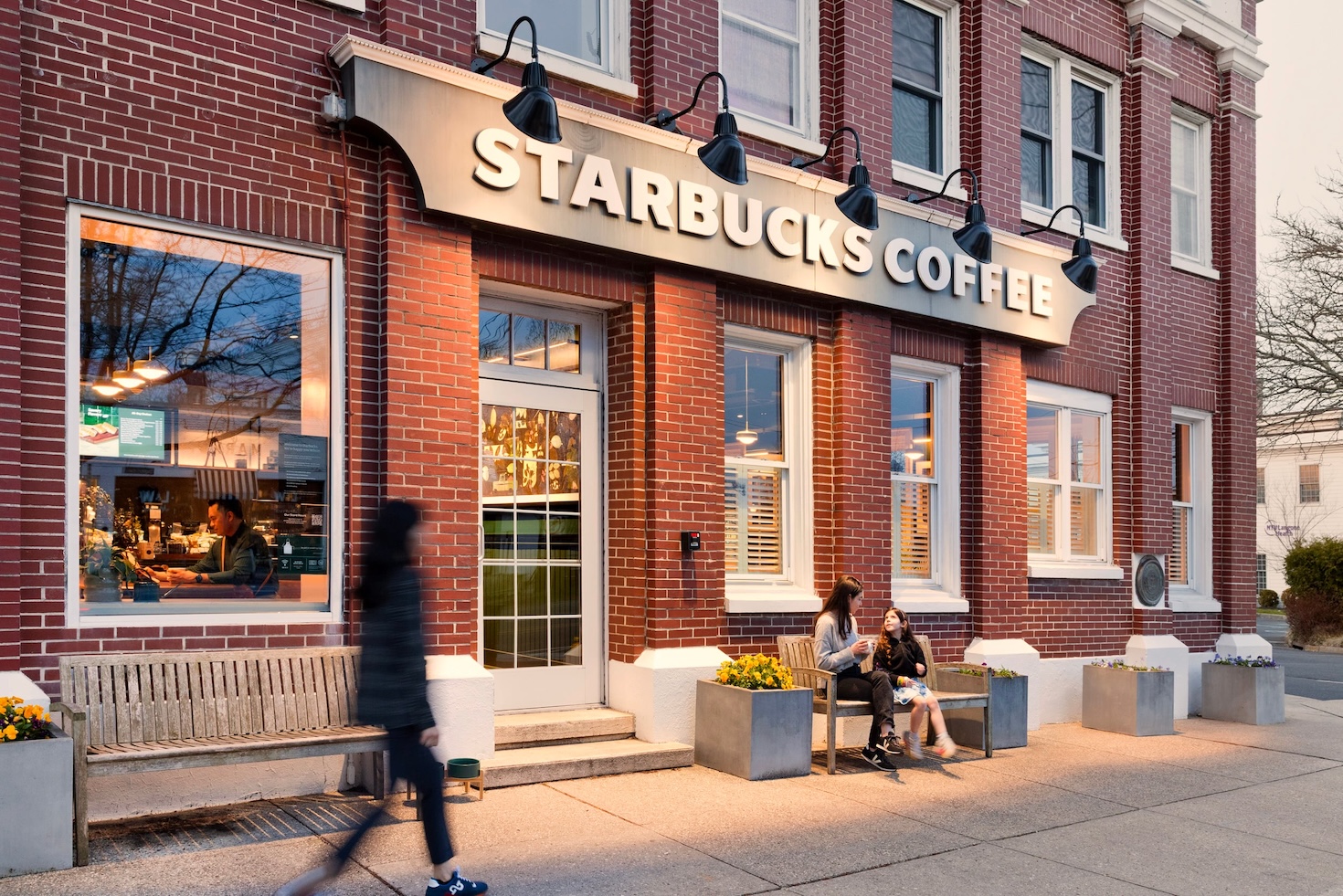
Herod’s sentiments reflect a broader concern among industry observers: that the "Starbucks way"—a model where social purpose was inextricably linked to profit—is being superseded by a more conventional, profit-first corporate mandate. The elimination of specialized roles, such as those held by McCauley Sine and McFarlane, suggests that the "sustainability-first" mindset is being relegated to a support function rather than a core business driver.
The Reusable Packaging Pivot
Chris McFarlane, the manager who led the company’s reusable packaging strategy, had been instrumental in positioning Starbucks as a leader in waste reduction. For five years, the company has funded and piloted numerous reusable cup initiatives, aiming to decouple its growth from single-use plastic waste.
With McFarlane’s departure, the future of these experiments remains uncertain. While the company has touted its partnership with waste management firms to improve cup recyclability, the loss of dedicated leadership for circular economy initiatives suggests that the company may be shifting its focus away from behavioral change among customers and toward less disruptive, infrastructure-based solutions.
Implications: Can Profit and Purpose Coexist?
The consolidation of the sustainability team under Kelly Goodejohn’s social impact office is a strategic gamble. On one hand, it could allow Starbucks to integrate its environmental goals more deeply into its supply chain, potentially making sustainability a more practical component of coffee-growing operations. On the other hand, it risks losing the specialized, high-level advocacy required to tackle massive environmental challenges like Scope 3 emissions.
1. Risk of "Sustainability Drift"
When sustainability is integrated into broader social impact departments, there is a recurring tendency in the corporate world for environmental metrics to lose their urgency. If the primary focus of the new department becomes charitable giving or social programming, the rigorous, data-driven approach to carbon and water reduction may be sidelined.
2. Investor Relations and ESG Expectations
Starbucks is a bellwether for the retail industry. Investors increasingly demand transparency regarding ESG (Environmental, Social, and Governance) performance. By scaling back the visibility and leadership of its sustainability team, Starbucks may face increased scrutiny from ESG-focused institutional investors who have historically backed the company precisely because of its proactive stance on climate issues.
3. Supply Chain Vulnerability
The coffee industry is on the front lines of climate change. Rising temperatures and unpredictable weather patterns threaten the future of Arabica coffee production. By cutting positions dedicated to ethical sourcing and sustainability strategy, the company may be sacrificing long-term supply chain resilience for short-term financial gains.
Conclusion
As Starbucks moves forward under the leadership of Brian Niccol, the company stands at a crossroads. The recent layoffs represent more than just a cost-cutting measure; they represent a fundamental re-evaluation of the company’s identity.
The challenge for the new leadership team will be to prove that the integration of sustainability and social impact is a strategic evolution rather than an abandonment of the company’s foundational values. For now, the departure of key leaders in the sustainability space leaves a void that the market will be watching closely. Whether Starbucks can continue to be a leader in the green transition while prioritizing the bottom line remains the defining question of its current corporate era.
The industry remains in a "wait and see" mode. If Starbucks cannot maintain its leadership in sustainability, it may find that its brand equity—which has long relied on its perceived moral mission—begins to erode, creating a new, long-term challenge that no amount of financial restructuring can easily solve.
