

Across the United States, a quiet war is being waged in town halls and county council chambers. It is a battle between the insatiable hunger for artificial intelligence and the desire of local communities to protect their neighborhoods. For years, the rapid proliferation of massive data centers—the physical infrastructure underpinning the digital economy—has sparked a grassroots firestorm. From New York to Utah, and from Texas to Pennsylvania, hundreds of communities have mobilized against these facilities, citing concerns over relentless noise, threats to local water tables, and the strain these energy-hungry monoliths place on regional power grids.
The opposition is rare in its bipartisanship; in a fractured political landscape, rural conservatives and urban liberals have found common ground in their opposition to the sprawling, windowless warehouses that house the world’s server farms. Now, as tech giants and AI startups scramble to secure massive amounts of computing power, the industry faces a daunting new reality: the question is no longer which projects will encounter resistance, but which ones will manage to avoid it entirely.
A New Frontier: Repurposing the Industrial Past
As the backlash intensifies, a novel strategy is emerging: the "brownfield" pivot. Developers are increasingly looking to abandoned or underutilized oil and gas fields as the ideal sites for the next generation of data centers. These locations offer several strategic advantages: they are typically situated far from residential population centers, they possess robust existing infrastructure, and they are often located near reliable, captive power sources.
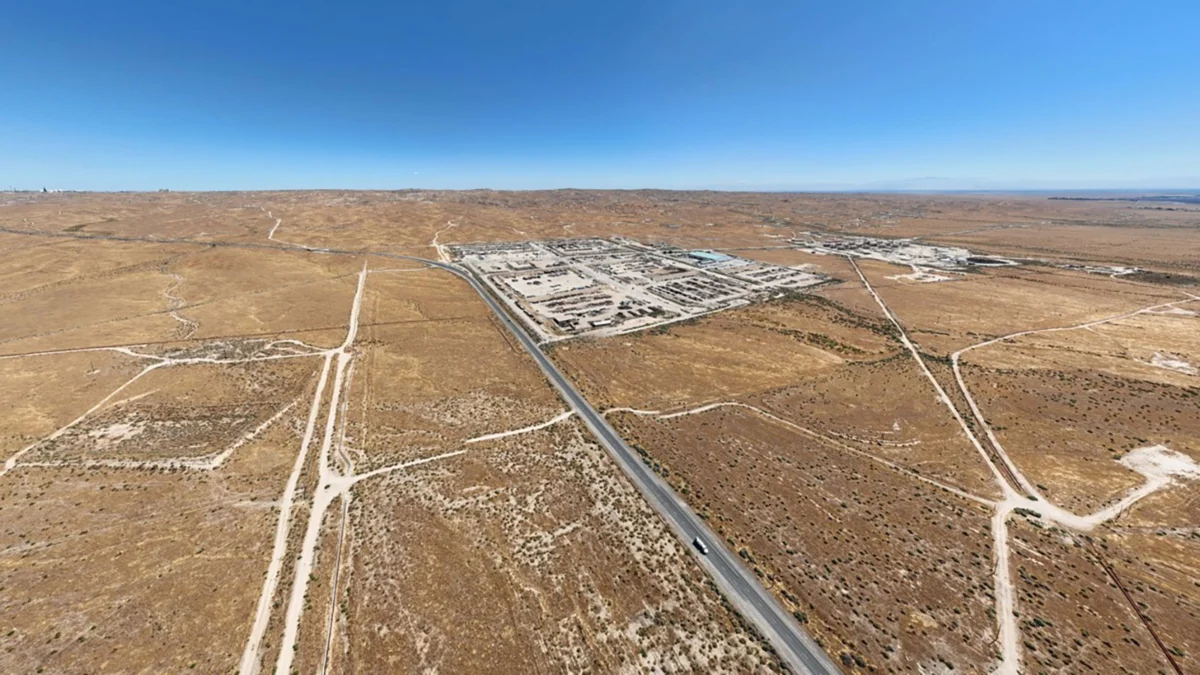
This week, California Resources Corporation (CRC), the state’s largest oil producer, unveiled a proposal that could serve as a blueprint for this trend. The company plans to construct a 600,000-square-foot data center campus—dubbed the "Golden Valley Technology Hub"—within the historic Elk Hills oil field, located approximately two hours north of Los Angeles. By situating the facility on 100 acres of a sprawling, decades-old industrial site, CRC hopes to bypass the "not-in-my-backyard" (NIMBY) sentiment that has plagued other developers who have encroached on farmland or installed diesel generators near suburban homes.
Chronology of a Shifting Landscape
The recent pivot toward oil-field development follows a period of mounting regulatory hostility toward data centers. The chronology of this friction is stark:
- Mid-2024 to Early 2025: A wave of public outcry against data center noise and energy consumption peaks, leading to high-profile lawsuits and protests in regions like Northern Virginia and Kentucky, where residents fought against the transformation of agricultural land.
- April 2025: Elon Musk’s xAI project in Memphis draws intense scrutiny over the installation of massive diesel generators in proximity to residential areas, fueling a national conversation about the environmental and health impacts of tech infrastructure.
- May 2026: Policymakers in New York, Texas, Pennsylvania, and Utah introduce a flurry of legislative bills aimed at imposing strict land-use, noise, and energy-consumption standards on new data center developments.
- June 2026: CRC and its partner, Beacon, officially announce the Golden Valley Technology Hub, framing it as the future of "responsible" industrial development in California.
The Synergy of Power and Production
The primary currency of the AI boom is electricity. Data centers require consistent, high-voltage power 24/7, a demand that is increasingly difficult to meet as the national grid struggles with aging infrastructure and the transition to renewables. In the Permian Basin of Texas and the shale-rich regions of Pennsylvania, oil and gas companies are finding that their existing power generation assets are as valuable as the fuel they extract.
At Elk Hills, the economics are straightforward. The site currently utilizes a 550-megawatt natural gas power plant originally built to generate steam for drilling operations. With crude production in California having declined by more than half over the last decade due to stricter environmental regulations, the plant is operating well below capacity. By funneling this excess electricity into a data center, CRC can monetize its "stranded" energy assets.
"Where you stand on these things depends on where you sit," says Gabriel Collins, a research fellow at Rice University’s Center for Energy Studies. "If you’re already out in the middle of an area that’s seen heavy industrial activity for a long time, there’s already a precedent. Folks there will probably find it easier to deal with."
Official Responses and Corporate Strategy
CRC executives have gone to great lengths to emphasize that their approach is fundamentally different from the "swallow-up-the-farm" model. Chris Gould, CRC’s chief sustainability officer and head of its carbon capture venture, argues that the project is an exercise in efficiency.
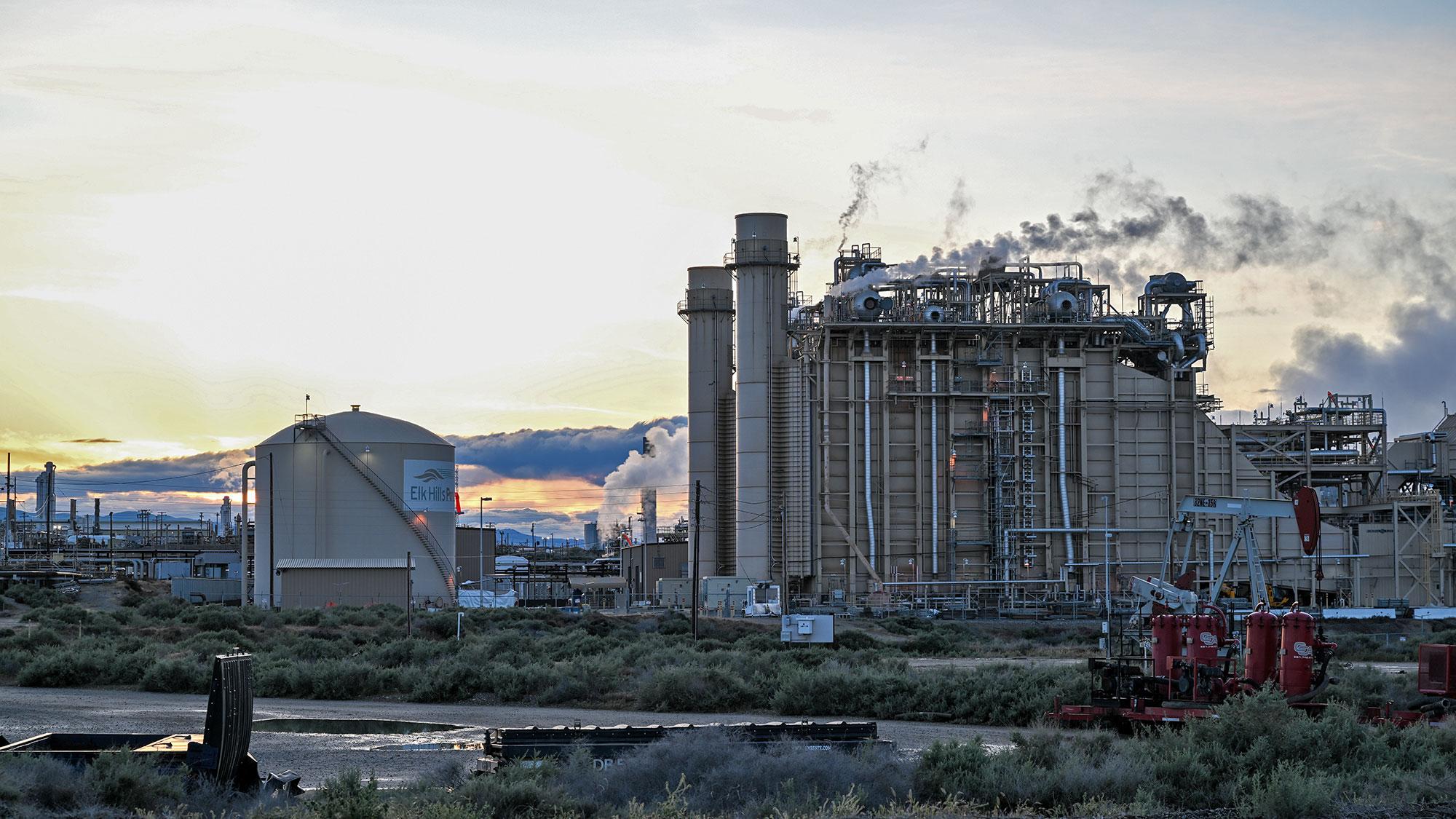
"By repurposing an existing industrial site, creating jobs and tax revenue in Kern County, utilizing dedicated on-site power, and employing one of the industry’s most water-efficient cooling systems, the project is designed to support California’s growing digital infrastructure needs while minimizing impacts on local communities," Gould stated.
The company has aggressively courted local support, holding town halls in nearby Taft and Buttonwillow and promising financial investments in public infrastructure, such as roads. In their permit application, CRC included a list of 150 local signatures in support of the project, though critics have pointed out that at least five of these signatories are directly affiliated with the local oil industry.
The Implications: A Clash of Visions
The project represents a fundamental clash between two visions of California’s future. For the state government, the goal is a rapid, clean-energy transition. For companies like CRC, the reality is a multi-decade pivot away from pure oil extraction toward becoming an "energy transition" firm—akin to Norway’s Equinor, which balances fossil fuel production with wind energy.
The Environmentalist Critique
Environmental groups, led by organizations such as Earthjustice, remain deeply skeptical. They argue that the "responsible development" narrative is a thin veil for continuing reliance on fossil fuels.
"It’s a disservice to the people who are breathing that unhealthy air," says Nina Robertson, a deputy managing attorney at Earthjustice. She contends that California, a leader in solar and grid-scale battery deployment, should be powering its digital future with zero-emission energy, not propping up aging gas plants. "We are building the clean energy future, and this is pulling us back. You can’t paper it over with the fact that you’re building it on top of an oil field."
Economic Realities in Kern County
From a local economic perspective, the stakes are high. Kern County has seen a significant decline in oil-sector employment, falling from 12,000 jobs in 2015 to roughly 6,000 today. The tax revenue from oil assets has similarly plummeted, dropping from 30 percent of the county’s property tax income to just 10 percent. The promise of 1,500 union construction jobs and 250 permanent positions is a powerful incentive for local officials to ignore the environmental warnings.
Future Outlook: The Tech-Energy Marriage
The partnership between CRC and the tech sector is not an isolated experiment. Across the country, the marriage of oil and AI is deepening. Chevron has already signed a deal to supply natural gas to a Microsoft data center in West Texas, and oilfield service giants like Schlumberger and Halliburton are increasingly pivoting their expertise toward the construction and energy management of server farms.
For declining oil fields, this represents a lifeline. As Gabriel Collins notes, "In the Permian Basin, the oil field and the data centers are going to compete with each other for power. If you have a declining oil field and you have that big captive asset there, then plugging it in to run digital infrastructure instead makes a lot of sense."
As the world continues to integrate AI into every facet of society, the demand for power will only grow. Whether these massive energy projects will find a permanent home in the forgotten corners of our industrial past or be blocked by a new wave of environmental oversight remains to be seen. One thing is certain: the era of the "unseen" data center is over. Every megawatt consumed now carries a political and environmental price tag, and the race to find the most "socially acceptable" place to plug in has only just begun.
