

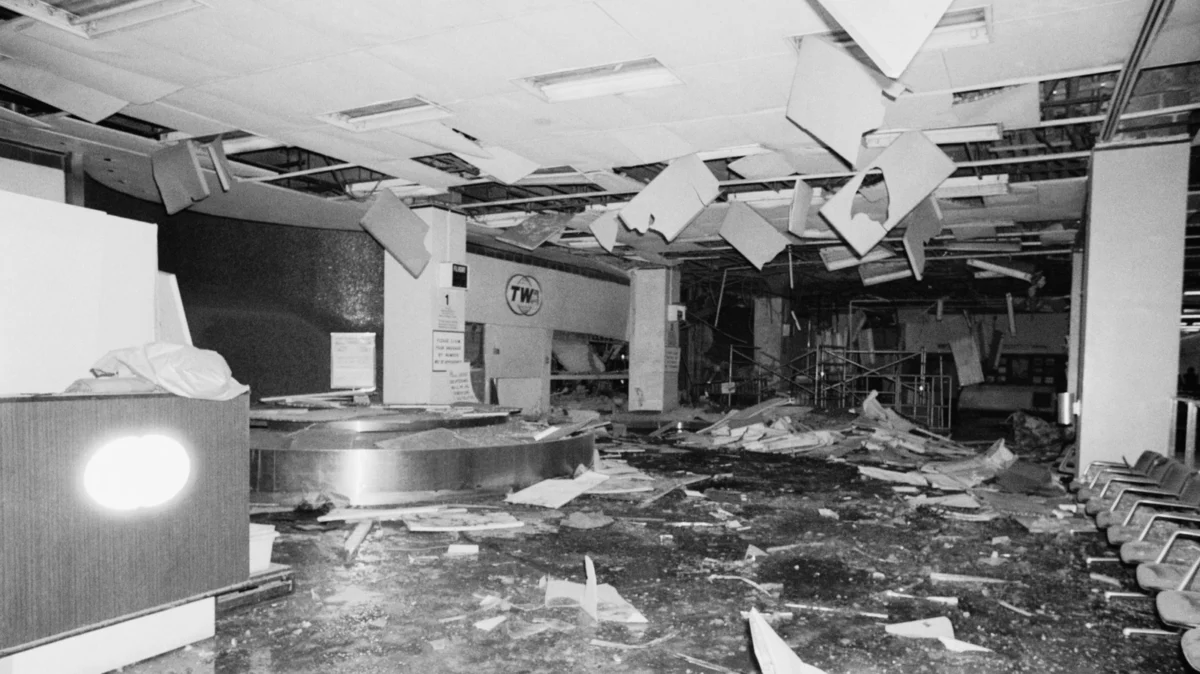
On the evening of December 29, 1975, the terminal at LaGuardia Airport in New York City was a bustling corridor of travelers—families returning from holiday gatherings, businessmen heading home, and airport staff winding down a standard shift. By 7:30 p.m., the scene had been transformed into a harrowing landscape of twisted steel, pulverized concrete, and profound tragedy. A powerful bomb, hidden inside a luggage locker, detonated with the force of 25 sticks of dynamite.
The blast claimed 11 lives and left over 75 people injured, many suffering from catastrophic, life-altering trauma. Yet, despite the sheer scale of the carnage and the unprecedented nature of the attack, the LaGuardia bombing has effectively vanished from the American consciousness. It remains one of the most haunting cold cases of the 20th century—a moment of domestic terrorism that helped define an era of instability but was ultimately eclipsed by the rapid, relentless march of the modern news cycle.
The Anatomy of an Unprecedented Attack
The explosion occurred in the baggage claim area of the main terminal, a space shared by Delta and Trans World Airlines. The device was placed inside a locker, a common feature of airports in the 1970s that would become a primary security concern in the years that followed.
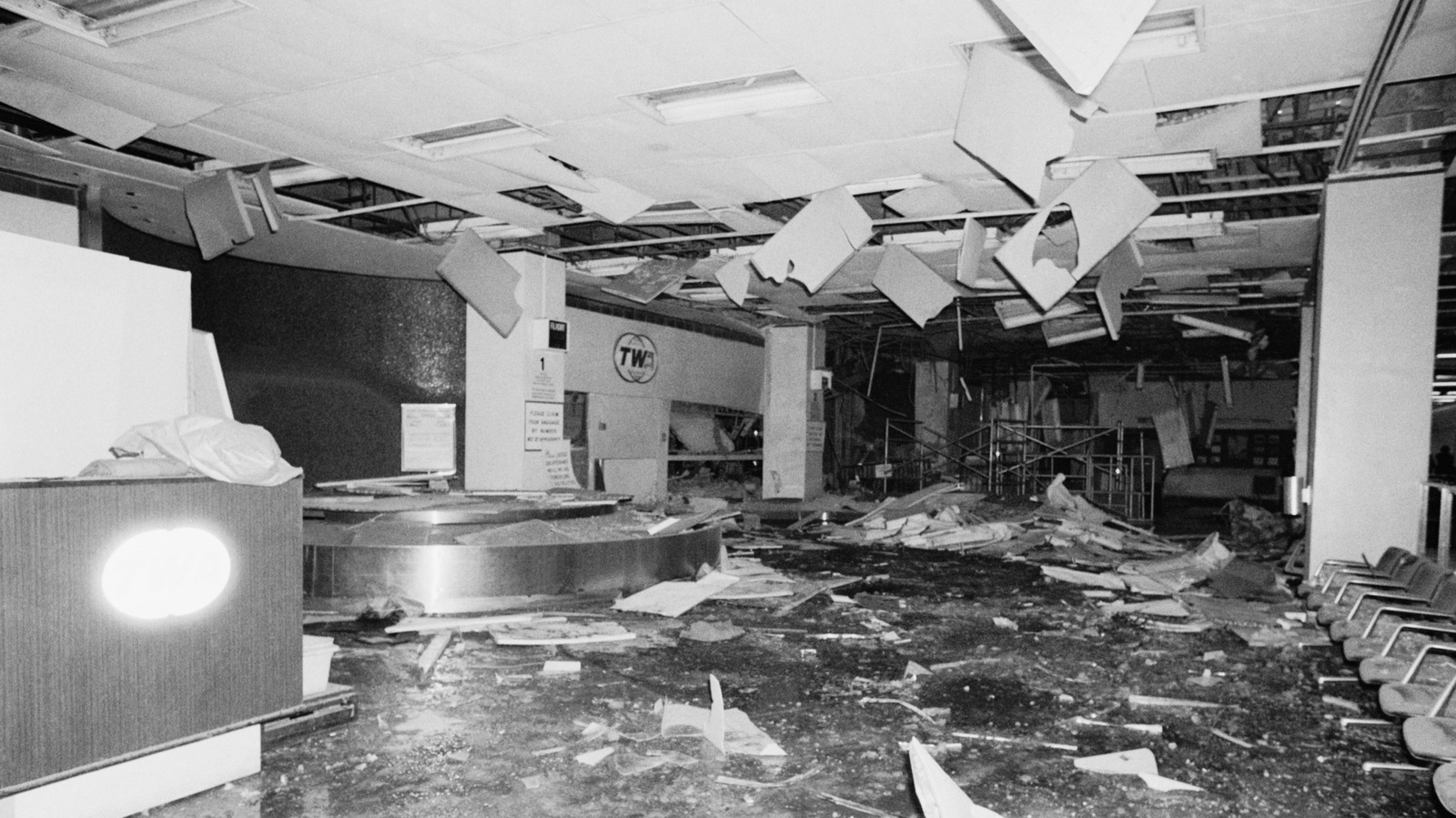
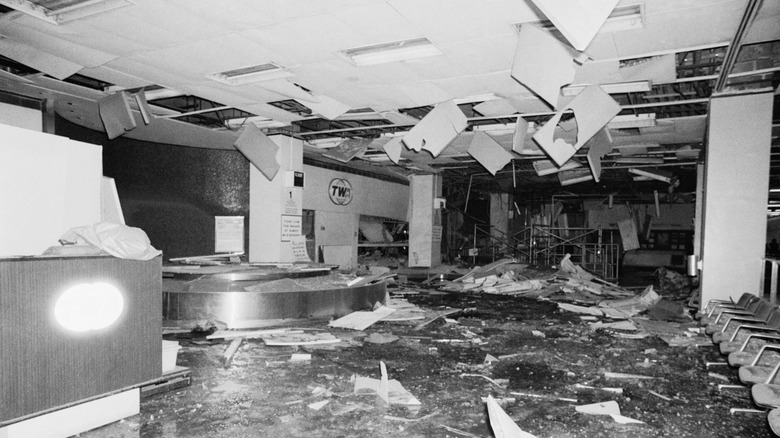
The physical destruction was absolute. The force of the blast tore a 12-foot-wide hole through an eight-inch-thick concrete ceiling. Plate-glass windows lining the terminal were shattered along the length of a football field. The sound, witnesses later described, was deafening—a physical shockwave that collapsed the infrastructure of the airport and sent shrapnel flying into the crowded terminal.
The immediate aftermath was a scene of visceral horror. First responders were confronted with a chaotic triage situation where 175 pints of blood were rushed from the bank on Amsterdam Avenue to area hospitals within minutes. The intensity of the blast was such that it sheared off limbs and caused massive internal trauma to those in the immediate vicinity. For those who survived, the memory of the "horror" remained etched in their minds, yet for the nation, the event became a ghost.
A Chronology of a Disappearing Investigation
In the immediate wake of the 1975 bombing, the federal government launched a massive investigation. The FBI mobilized 120 agents, conducting over 5,000 interviews and tracking leads across 38 states. It was, for a brief window in late 1975 and early 1976, the focal point of American law enforcement.
1975–1976: The Height of the Manhunt
The FBI looked into various radical groups and political factions, considering the volatile climate of the 1970s. During this time, the public was captivated by the investigation. However, the lack of an immediate "smoking gun" or a definitive claim of responsibility began to drain the urgency from the case.
1977–1983: The Shift in Focus
As two years passed without a major breakthrough, the investigation began to lose steam. The FBI reassigned the majority of its task force to other priorities. Crucially, the arrival of the "Son of Sam" killer—David Berkowitz—dominated the New York City headlines, effectively sucking the oxygen out of the room for any other investigation. The LaGuardia case was relegated to the back pages, then eventually to the archives.
1983–Present: The Cold Case
When NYPD Deputy Chief Edwin Dreher retired in 1983, he was so haunted by the unsolved nature of the bombing that he reportedly took the case files home with him. Over the decades, occasional journalistic interest flickered, but no institutional effort was made to memorialize the victims or resolve the mystery. Today, the case remains officially open, though the trail has long since gone cold.
Supporting Data: A Nation Unprepared for Terror
To understand why the LaGuardia bombing has been "forgotten," one must look at the context of the era. The 1970s in the United States were characterized by a high frequency of political violence, ranging from the radicalization of domestic groups to the tragic arson at the UpStairs Lounge in 1973.
The bombing was not "small" by any metric. Until the 1995 Oklahoma City bombing, it stood as one of the deadliest acts of terrorism on U.S. soil. However, the absence of 24-hour cable news meant that once the morning papers had their say, the narrative was left to solidify—or dissolve.
Data regarding the victims highlights the tragedy:
- Total Fatalities: 11 people.
- Injuries: More than 75, many requiring complex, long-term reconstructive surgery.
- Investigation Scope: 120 FBI agents, 5,000+ interviews, 38 states searched.
- Outcome: Zero arrests, zero convictions, zero closure.
The Official Response and Its Failures
The government’s failure to identify a perpetrator is not merely a matter of bad luck; it reflects a systemic inability to bridge the gap between initial crisis management and long-term cold case resolution. The victims’ families were largely left to fend for themselves, with many noting that even the agencies responsible for the investigation stopped reaching out to them shortly after the initial probes stalled.
As one survivor noted in a recent inquiry, the initial contact from journalists decades later was met with suspicion. The lack of outreach from the government had led many to believe the case had been erased from the official record entirely. There are no grand monuments at LaGuardia to the victims, and the event is conspicuously absent from major municipal archives. The "official" response, therefore, has been one of quiet abandonment.
Implications: The Ethics of Memory
The erasure of the LaGuardia bombing from the American narrative holds significant implications for how we view domestic terrorism. When a tragedy of this magnitude is relegated to the footnotes of history, we lose more than just a historical fact; we lose the lessons that could have prevented future lapses in security and support for victims.
Why We Must Remember
- Justice for Victims: The families of the 11 people killed deserve to see their loved ones acknowledged in the public sphere.
- Historical Integrity: The 1975 bombing is a vital link in understanding the evolution of airport security and domestic terror policy in the United States.
- The Potential for Closure: While the primary perpetrators may have passed away, the advancement of forensic technology and renewed archival interest can occasionally spark long-dormant leads.
The bombing of LaGuardia Airport is a stark reminder that history is not just what happened, but what we choose to keep alive. In an age of digital saturation, where every moment is recorded and indexed, the disappearance of a major terrorist event from the 1970s serves as a sobering lesson in the fragility of truth.
If we allow the stories of the victims to be swallowed by silence, we are essentially saying that their lives—and the trauma of their families—are secondary to the convenience of moving on. The case of the LaGuardia bombing remains open, not just on the books of the FBI, but in our collective duty to remember. It is a story that demands to be told, not because it is comfortable, but because it is true.
