

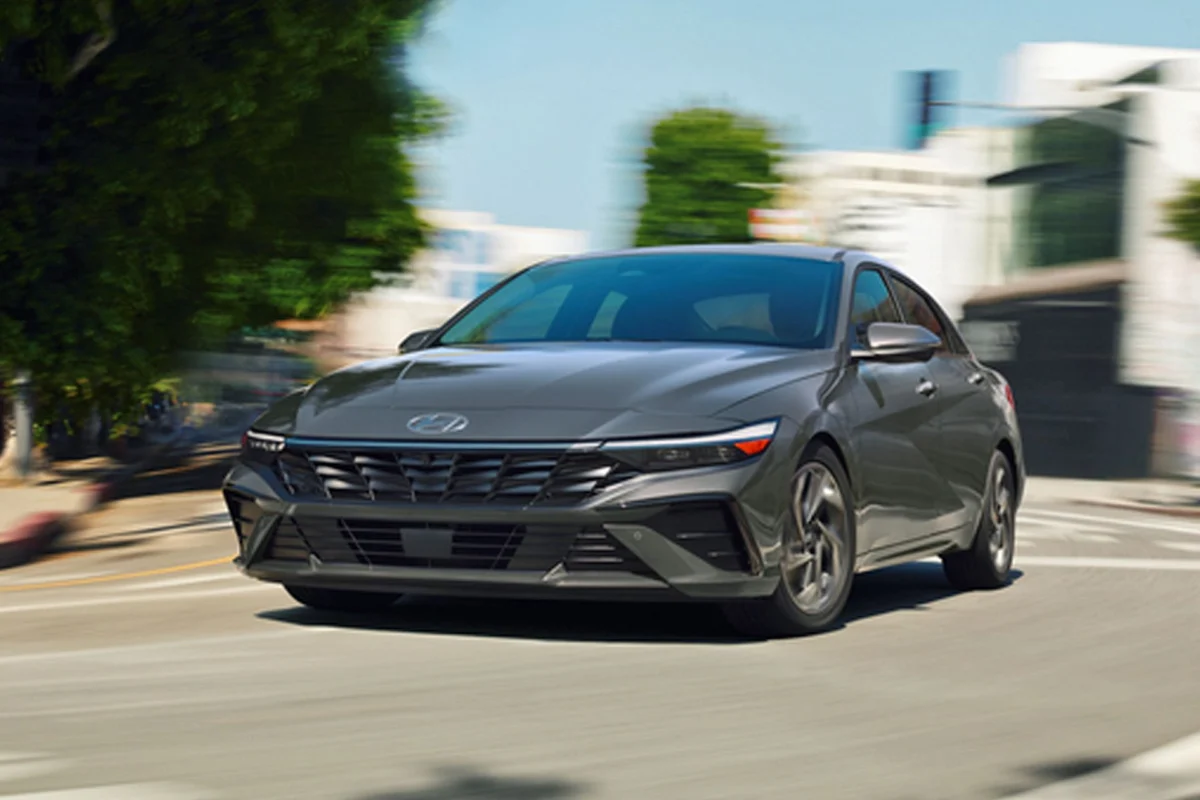
In an era where economic uncertainty has become the backdrop of daily life, the decision to purchase a new vehicle has evolved from a simple matter of personal taste into a complex exercise in financial engineering. With inflationary pressures impacting everything from household groceries to interest rates, the "sticker price" of a car is merely the opening act in a much longer drama of ownership costs. For the modern Canadian consumer, the challenge is to look past the monthly payment and calculate the true, long-term impact on their personal balance sheet.
To assist in this endeavor, we have conducted a comprehensive three-year ownership analysis of the 2026 Hyundai Elantra—a cornerstone of the compact sedan market—and, for the sake of comparison, its electrified stablemate, the Kona Electric. By breaking down fuel, maintenance, and financing, we aim to provide a clear view of what these machines actually cost to keep on the road.
The Landscape of the Compact Sedan
The 2026 Hyundai Elantra occupies a fiercely competitive segment, standing toe-to-toe with established titans like the Honda Civic and Toyota Corolla. Once considered "compact," the Elantra has matured in size and capability, offering a diverse "yaffle" of trim levels and four distinct powertrain configurations. While all variants in the current lineup utilize front-wheel drive, the divergence in their mechanical heartbeats—ranging from efficient combustion engines to sophisticated hybrid systems—creates a fascinating case study in cost-versus-value.
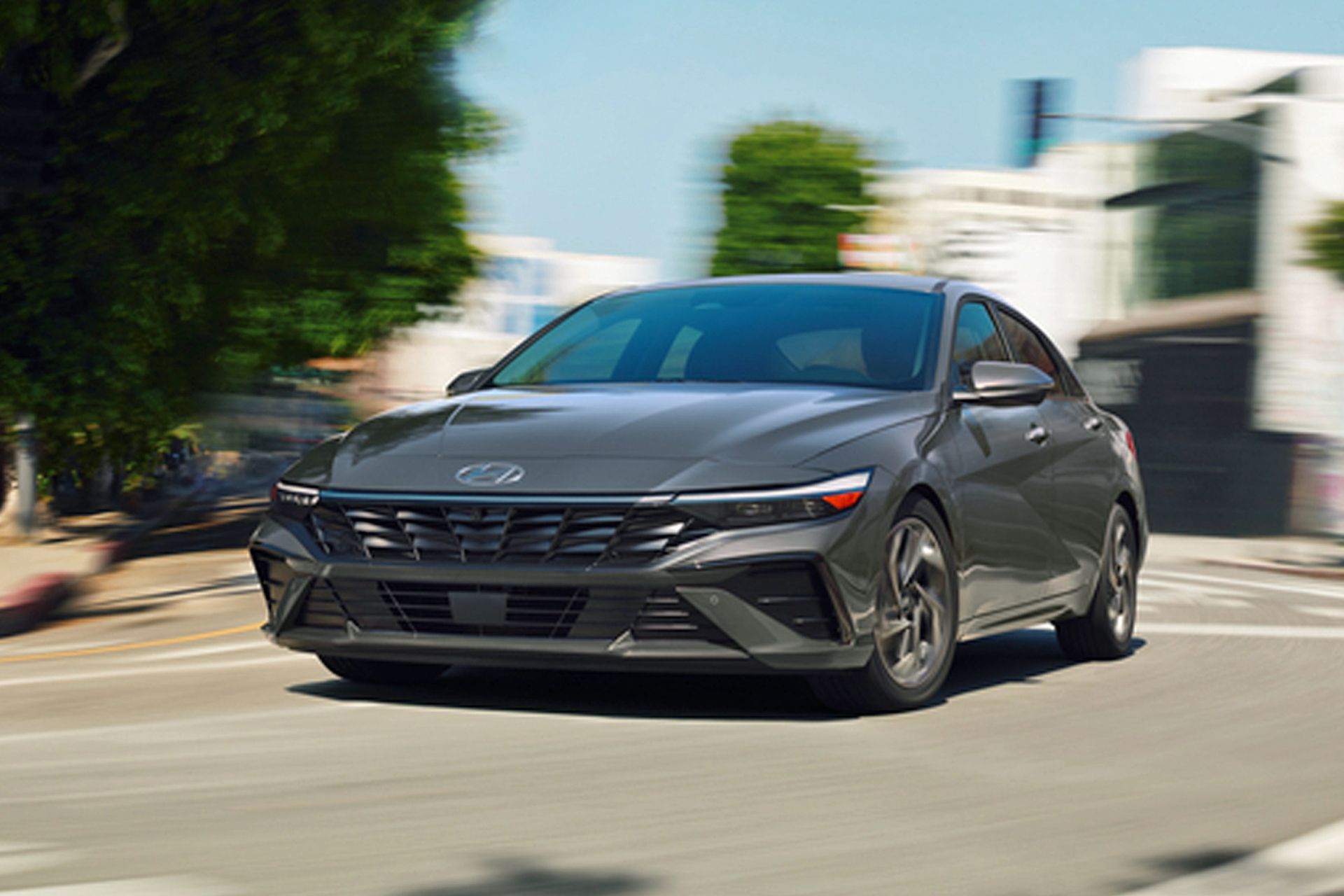
To provide a holistic view, we have included the Kona Electric crossover in our analysis. While its form factor differs from the traditional sedan, its footprint is surprisingly similar, making it a viable alternative for shoppers weighing the transition to battery-electric propulsion.
Methodology and Financial Parameters
Before diving into the numbers, it is essential to establish our benchmarks. The financial figures presented here reflect the market reality as of September 2026, including the harmonized sales tax (HST). For consistency, we have utilized a fuel cost of $1.80 per litre, a figure reflecting current average volatility.
Maintenance costs are derived from prescribed factory schedules for each specific powertrain, with labor rates sourced from local dealerships. It is important to note that insurance premiums—which vary wildly based on individual driving history, location, and age—have been excluded, as they remain a highly personalized variable. Furthermore, the interest rates utilized for our 72-month financing calculations reflect the current subvented manufacturer rates, which vary significantly across models and trims.

The Entry Point: The Elantra Essential
For the budget-conscious consumer, the Elantra Essential represents the "Ace of Base" philosophy. Priced at $26,345, it is a well-equipped starting point, featuring heated front seats, an 8.0-inch touchscreen, and essential safety tech like lane-keeping assist and forward collision-avoidance.
Over a 72-month finance term, this model carries a monthly payment of $485. When we factor in the estimated fuel consumption and the cost of routine maintenance over the first three years, the effective monthly ownership cost rises to approximately $726. For comparison, our analysis of the 2026 Toyota Corolla reveals a slightly higher monthly cost—roughly $30 more—when adjusted for comparable fuel metrics, highlighting the razor-thin margins that exist in this segment.
The Hybrid Dilemma: Choosing the Luxury Trim
Hyundai has positioned its hybrid technology as a premium option, exclusive to the "Luxury" trim of the Elantra. This move creates a direct, head-to-head comparison between the traditional gasoline model and the hybrid variant. The Luxury trim elevates the cabin experience with leatherette seating, an eight-speaker Bose audio system, a wireless charging pad, and adaptive cruise control.

The gasoline-powered Luxury trim and its hybrid counterpart provide a rare opportunity to see the real-world impact of electrification. While the pure gas model offers a slight edge in raw horsepower, the hybrid delivers a superior torque profile, providing a more responsive feel in urban traffic.
Despite the hybrid’s higher MSRP, the long-term math favors the electrified powertrain. While the monthly financing note is roughly $40 higher for the hybrid, the fuel savings—amounting to roughly $5 per week—allow the hybrid to emerge as the more economical choice over a three-year horizon. We calculated the hybrid at a total monthly cost of $778, compared to $801 for the gasoline version. Interestingly, this places the Elantra Hybrid within two dollars per month of the Toyota Corolla Hybrid, proving that manufacturers are keeping a watchful eye on their competitors’ pricing strategies.
Performance vs. Practicality: The N-Line and the N
For the driving enthusiast, the Elantra N-Line and the full-fat Elantra N offer a different value proposition. The N-Line, producing 201 horsepower from its 1.6L turbocharged engine, balances daily usability with a spirited performance envelope. Our calculations put the N-Line at approximately $881 per month over three years.

The flagship Elantra N, however, is a different beast entirely. Boasting 286 horsepower and an aggressive chassis setup, it demands a higher commitment to maintenance. Because the recommended service interval is shortened to 5,000 km—as opposed to the 8,000 km interval for other trims—the maintenance costs effectively double. Consequently, the Elantra N carries an estimated monthly ownership cost of $1,165. For the enthusiast, this is the "cost of admission" for high-performance driving, and it serves as a stern reminder that performance and economy are rarely bedfellows.
The Electric Frontier: The Kona Electric
To address the growing curiosity surrounding EVs, we analyzed the Kona Electric Preferred. Because this model utilizes a different financing structure than the Elantra, the interest rate environment significantly impacts the monthly payment.
The energy costs for the Kona are calculated based on residential electricity rates in Ontario. While the cost is exceptionally low—roughly $55 per month in energy—this assumes home charging. Users reliant on Level 3 DC fast charging will find their costs rising to match or exceed gas-powered equivalents. Even so, with an estimated monthly cost of $855, the Kona Electric proves that the price gap between internal combustion and electric is closing, particularly when the lower maintenance requirements of an EV are factored into the total cost of ownership.

Maintenance: The "Combo Meal" Approach
Hyundai has modernized the service experience by adopting a "menu-based" maintenance schedule. By packaging specific services into numbered tiers—much like a fast-food meal—the company has attempted to remove the guesswork from the service desk.
However, consumers should remain vigilant. While the menu system is convenient, pricing for these packages is not uniform across the dealer network. A survey of service centers revealed significant discrepancies in pricing for the same "Service #1" package, with some dealers charging nearly $40 more than others for identical labor. It is highly recommended that consumers shop around and compare service menus at multiple local dealerships before committing to a long-term maintenance plan.
Implications for the Future
The data gathered from our three-year comparison offers several key takeaways for the prospective buyer:

- The Hybrid Premium is Shrinking: The traditional "payback period" for hybrid vehicles is becoming shorter. As interest rates stabilize and fuel prices remain high, the hybrid option is increasingly likely to be the more rational financial choice, even without considering environmental benefits.
- Maintenance Transparency: The move toward menu-based maintenance is a step in the right direction, but the lack of standardized pricing across the dealer network remains a hurdle. Consumers must treat service as a competitive market rather than a fixed cost.
- Performance Costs: The "N" brand is a testament to engineering excellence, but it requires a realistic appraisal of the owner’s budget. The increased maintenance frequency is not just a suggestion; it is a financial requirement that must be built into the long-term plan.
- EV Adoption: The Kona Electric serves as a strong reminder that the "cost of fuel" is only one part of the EV equation. Home charging infrastructure is the single greatest variable in determining whether an EV will save a consumer money in the long run.
Ultimately, the 2026 Hyundai Elantra lineup—and its companion, the Kona Electric—demonstrates that there is a vehicle configuration for every financial profile. Whether the priority is the low entry cost of the Essential, the balanced efficiency of the Luxury Hybrid, or the visceral excitement of the N, the numbers suggest that the "best" car is not just the one that drives the best, but the one that best fits the owner’s three-year financial horizon. As market conditions continue to shift, the ability to read the fine print of these ownership costs will remain the most valuable tool in any car buyer’s arsenal.
