

For years, the automotive industry has been dominated by a singular narrative: internal combustion engine (ICE) vehicles are the gold standard for long-term durability, while electric vehicles (EVs) are fragile, disposable tech gadgets. However, as the EV market matures and the first generation of mass-produced battery electric vehicles (BEVs) begins to rack up significant mileage, that perception is rapidly shifting.
Hardcore EV enthusiasts have long maintained that the inherent mechanical simplicity of electric powertrains offers a distinct advantage in longevity. Now, as the general public moves past the early-adopter phase, data is beginning to catch up with intuition. A striking case study involving a 250,000-mile Tesla Model 3 has provided perhaps the most compelling evidence yet that the “EVs won’t last” argument is becoming increasingly obsolete.
The Case of the Quarter-Million-Mile Tesla
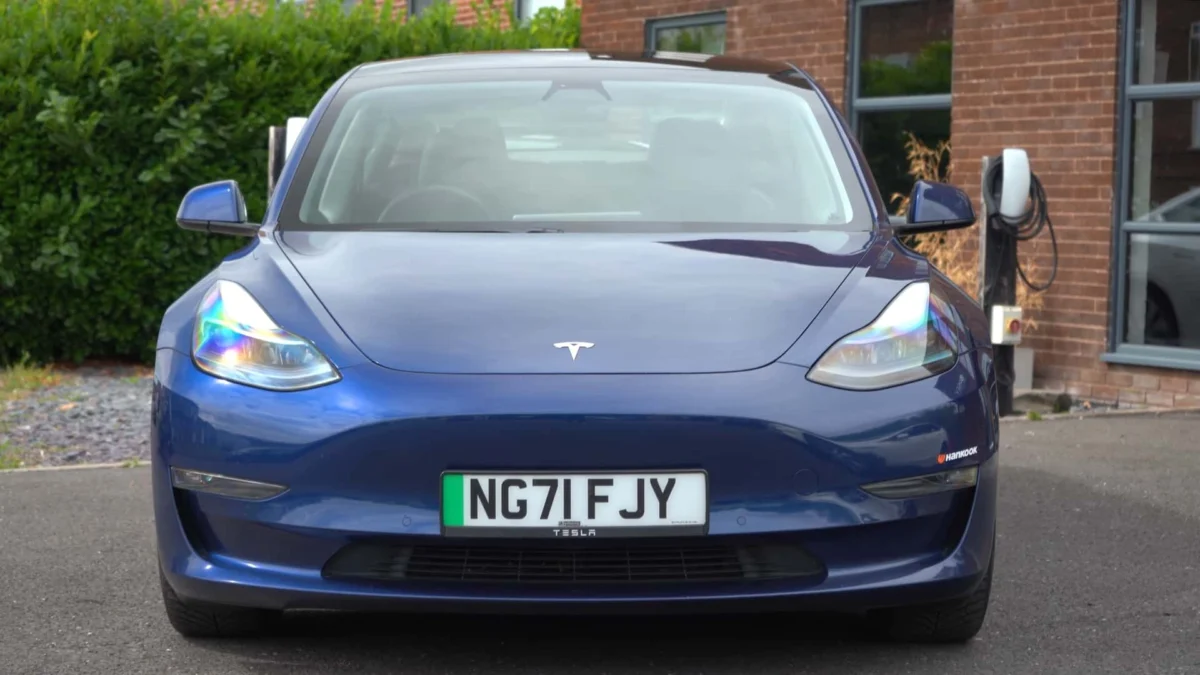
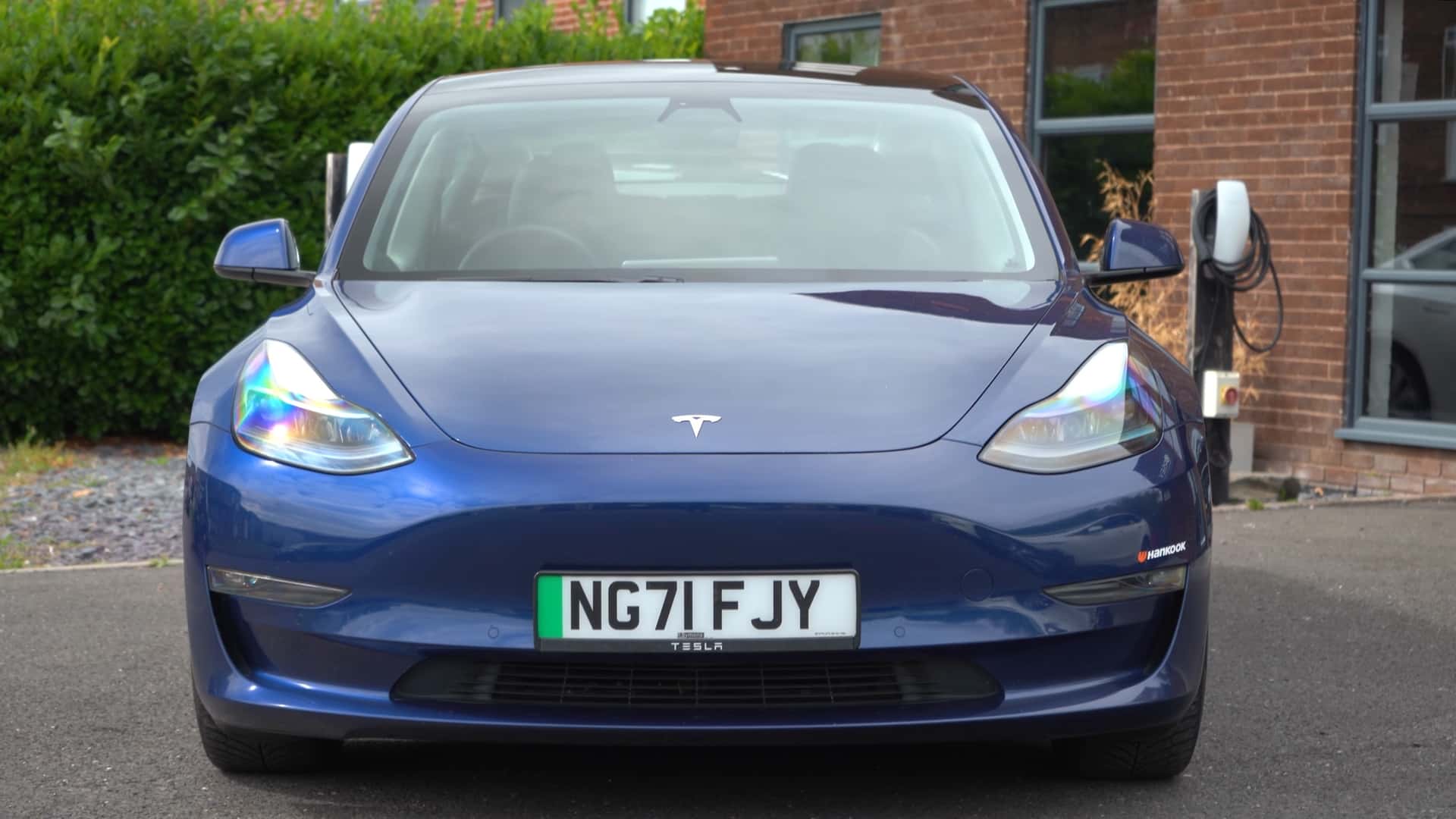
To understand the real-world durability of modern EVs, Richard Symons, owner of the United Kingdom’s largest used Tesla showroom, embarked on a unique experiment. He acquired a 2021 Tesla Model 3 Long Range that had previously served its life as a commercial taxi—a role notorious for extreme duty cycles and high-frequency charging.
When the vehicle crossed the 250,000-mile threshold, it was subjected to rigorous scrutiny. The results were not just impressive; they were revelatory. Despite the odometer reading, the vehicle remains almost entirely original. The electric motors, which are arguably the heart of the machine, have required zero intervention. The traction battery, the component most critics cite as the "Achilles’ heel" of the EV, retains 84% of its original capacity. In real-world summer conditions, this high-mileage veteran still delivers roughly 284 miles of range—a figure that remains more than adequate for the vast majority of daily commuters.
Chronology of Wear: What Actually Breaks?
One of the most persistent myths surrounding electric cars is that they require constant, expensive maintenance to keep the battery and software functioning. The experience of this specific Model 3 suggests the opposite.
Beyond a minor failure of the front bumper’s exterior speaker, the car’s service history is remarkably mundane. Over the course of 250,000 miles, the vehicle’s maintenance regimen has been limited to what one would expect from any high-mileage car: six sets of tires, multiple sets of wiper blades, and routine suspension bushing replacements.
Remarkably, the brake rotors and pads—components that typically wear out every 40,000 to 60,000 miles on an ICE vehicle—are still the original factory-installed parts. Because of regenerative braking, the friction brakes are used so sparingly that they show almost no signs of fatigue. Even the coolant and brake fluid have required minimal attention. The only "upgrade" performed on the car was a set of aftermarket rear shock absorbers, chosen not out of necessity, but to enhance ride comfort.
Supporting Data: The Decline of Failure Rates
This Tesla is not merely a statistical anomaly. Recent industry data confirms that battery technology has made monumental leaps in the last five years. According to recent research and service diagnostics, modern battery packs manufactured after 2022 exhibit a failure rate of just 0.3%.
This stability is largely attributed to improved thermal management systems and more sophisticated Battery Management Systems (BMS) that protect cells from the harsh conditions of fast-charging and extreme temperatures. When analyzed against the complexity of a modern internal combustion engine—which contains hundreds of moving parts, including pistons, valves, fuel injectors, transmissions, and exhaust after-treatment systems—the electric powertrain is exponentially more reliable.
The "moving parts" count in a Tesla is a fraction of that found in a comparable gasoline-powered luxury sedan. With no oil changes, spark plug replacements, timing belt services, or complex transmission fluid flushes, the cost of ownership is drastically reduced over the long term.
The Efficiency Factor: Maintaining Performance
Perhaps the most surprising aspect of the 250,000-mile Model 3 is that it still "feels" new. There are no structural squeaks or rattles, and the performance metrics remain blistering. The car can still accelerate from 0 to 60 mph in a scant 3.8 seconds, matching the performance of a new model.
Charging performance, often a point of contention for older EVs, also remains robust. During a recent test, an 11-minute session at a Tesla Supercharger resulted in a 30% increase in the battery’s state of charge, adding roughly 85 miles of range. The car has averaged 4.15 miles per kilowatt-hour, a testament to the fact that the drivetrain’s efficiency does not significantly degrade with time or mileage. By utilizing off-peak electricity or solar-generated power, owners of such vehicles can keep their operational costs at a level that is economically impossible for combustion vehicles.
Industry and Consumer Implications
The implications of this data for the secondary market are profound. For years, buyers have been hesitant to purchase used EVs, fearing a "ticking time bomb" in the form of a degraded battery. This narrative is now being challenged by anecdotal evidence from across the globe. From high-mileage Model S sedans still performing daily duty with 160,000 miles to Model Ys that have proven their resilience after 100,000 miles of varied charging habits, the "high-mileage EV" is becoming a viable and attractive prospect.
For the automotive industry, this represents a shift in business models. If the powertrain is effectively "lifetime," the value of the car will be determined by its software features, interior wear, and suspension health rather than engine health. This forces manufacturers to focus on OTA (Over-the-Air) updates to keep the user experience fresh, ensuring that a five-year-old car feels as modern as a vehicle rolling off the assembly line today.
A Future of Lower Costs
As we move toward a future where electric vehicles are the standard, the economic argument is shifting from "purchase price" to "lifetime value." When a vehicle can surpass 250,000 miles with nothing more than tire rotations and washer fluid, the total cost of ownership (TCO) becomes significantly lower than that of any comparable ICE vehicle.
The skeptics will always point to the outliers—the rare battery failure or the obscure electronic glitch—but the weight of the evidence is shifting. The transition to electric mobility is not just about environmental sustainability; it is about mechanical efficiency and longevity. The 250,000-mile Tesla Model 3 serves as a harbinger for the rest of the industry: the future of driving is not just electric, it is durable, reliable, and more cost-effective than anything that came before it.
As manufacturers continue to refine battery chemistries—such as the LFP (Lithium Iron Phosphate) batteries that are already showing superior degradation resistance—we can expect these mileage records to be shattered. The era of the "disposable" EV is ending, replaced by a new reality where the car in your driveway might just be the last one you ever need to buy.
What are your thoughts on the longevity of electric vehicles? Does high-mileage performance influence your next car purchase? The InsideEVs team is eager to hear from you—consider taking our three-minute survey to help us shape the future of our coverage.
