

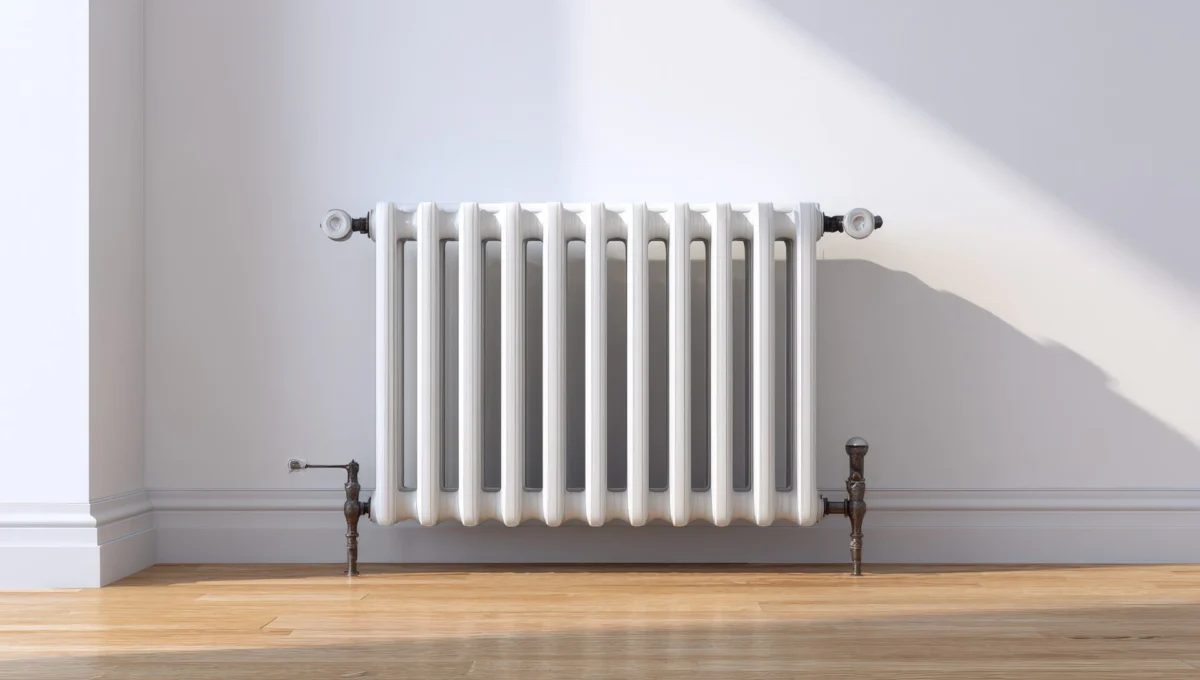
For homeowners seeking a reliable, low-profile, and zoned heating solution, baseboard radiators remain a cornerstone of residential climate control. Whether you are retrofitting an older home or looking for a heating solution that doesn’t rely on cumbersome ductwork, these units offer a unique blend of simplicity and performance. However, navigating the costs and technical requirements of installation requires careful planning.
On average, professional installation of a baseboard radiator system costs between $200 and $1,200 per unit. While the upfront price is relatively accessible, the total investment fluctuates significantly based on the heating type (electric vs. hydronic), the size of the room, and the existing infrastructure of your home.
Main Facts: Understanding the Basics of Baseboard Heating
Baseboard radiators operate on a simple principle: they draw in cool air from the floor, warm it via internal elements, and release it as it rises, creating a convection cycle that heats the room. Unlike forced-air systems that require large furnaces and elaborate duct networks, baseboard units are zoned. This allows you to heat only the rooms you are currently using, potentially saving energy if managed correctly.
The Two Primary Types
- Electric Baseboard Radiators: These units draw power directly from your home’s electrical system. They heat up via internal coils. They are generally the most affordable to install but can be costlier to operate due to electricity rates.
- Hydronic Baseboard Radiators: These systems circulate hot water or oil through the unit. This process is typically facilitated by a central boiler. While the installation is more complex and expensive, hydronic units are widely considered superior for long-term efficiency because liquids retain heat longer than metal coils, resulting in less frequent cycling.
Chronology: From Selection to Installation
The journey of adding baseboard heating to your home typically follows a structured path. Understanding this timeline helps homeowners manage expectations regarding labor and costs.
1. Assessment and Planning
Before purchasing any hardware, a professional HVAC technician must perform a heat-load calculation. This determines how many BTUs or watts are required for each room based on square footage, insulation quality, and regional climate. As Mitch Rosa, owner of Hudson Valley HVAC in New York, notes, "Every home is like a body—it needs to breathe. If you undersize the heating, the system works too hard, essentially causing a ‘heart attack’ for your mechanical equipment."

2. Choosing the System
Once the load requirements are met, you must choose between electric or hydronic models. If your home already has a boiler, sticking with a hydronic system is usually the most logical path. If you are adding heat to a single room without access to plumbing, an electric model is the most practical choice.
3. Professional Installation
Installation involves mounting the units to the wall, connecting the power or plumbing, and ensuring the system is properly vented or wired to a thermostat. For electric models, this may involve an electrician adding a dedicated circuit to your breaker panel. For hydronic models, the technician must integrate the new unit into the existing boiler loop, ensuring there are no leaks and that the system is properly bled of air.
Supporting Data: Cost Breakdown and Efficiency Metrics
To make an informed decision, homeowners must look at the granular costs associated with these systems.
Cost Comparison Table
| Heating Type | Unit Cost (Retail) | Total Cost (Inc. Installation) |
|---|---|---|
| Electric | $50 – $130 | $200 – $1,100 |
| Hydronic | $180 – $320 | $430 – $1,200 |
Efficiency Metrics
- Linear Foot Requirements: A standard electric or electric-hydronic system produces approximately 250 watts per linear foot. A typical room with good insulation requires roughly 10 watts per square foot.
- Hydronic BTU Output: A standard hydronic radiator produces roughly 600 BTUs per linear foot. Given that well-insulated rooms require about 34 BTUs per square foot, a 200-square-foot room would necessitate roughly 12 linear feet of hydronic baseboard.
Official Responses and Expert Perspectives
Industry professionals emphasize that while baseboard radiators are effective, they are not a "one-size-fits-all" solution.
"People tend to ignore them, but baseboard radiators are one of the most effective ways to heat a home," says Mitch Rosa. However, he warns of the spatial trade-offs. "They use up a significant amount of wall space, and homeowners don’t always like to lose that utility."

Furthermore, experts highlight that the "hidden" cost of these systems is often maintenance and spatial management. For example, placing furniture too close to the unit blocks airflow, which forces the system to run longer, spiking your energy bill and potentially causing premature wear on the heating elements.
Implications: Why Professional Installation is Non-Negotiable
A common mistake homeowners make is attempting a DIY installation. While it might seem like a simple mounting task, the technical risks are high.
The Dangers of Improper Installation
- Electrical Risks: Electric baseboard heaters require high-voltage circuits. Improper wiring can lead to fire hazards or circuit board failure.
- Hydronic Complexity: Integrating a new radiator into a boiler system requires a deep understanding of water pressure and venting. If a hydronic loop is not correctly bled of air, the system will not heat, and the boiler may suffer damage.
- Warranty Voidance: Most manufacturers strictly require proof of professional installation to honor product warranties. A DIY error could cost you the entire value of the unit if it fails within the first year.
Long-Term Maintenance and Optimization
To maximize the lifespan of your baseboard radiators—which can last up to 20 years—you must commit to a routine maintenance schedule.
Tips for Efficiency
- Vacuuming: Dust buildup on the heating fins acts as an insulator, preventing heat from escaping. Vacuum your units at least every six months.
- Bleeding (Hydronic Only): Once a year, open the bleed valve on your hydronic units to release trapped air. You will know the job is done when water, rather than air, begins to spurt from the valve.
- Strategic Furniture Placement: Keep all furniture, drapes, and carpets at least 3 to 6 inches away from the units. This ensures proper air circulation and minimizes fire risks.
- Check the Louvers: Ensure the top "flappers" (louvers) are open. Often, these get painted shut or closed during renovations; opening them is a free way to immediately improve heat output.
Frequently Asked Questions (FAQs)
Are baseboard radiators better than forced air?
It depends on your needs. Baseboard radiators offer superior zone control and are much quieter than forced-air systems. However, they do not provide air conditioning, meaning you would need a separate solution (like mini-splits) if you require cooling.
Can I install baseboard radiators in every room?
Yes, but you must ensure your electrical panel or boiler has the capacity to handle the additional load. A professional audit is required to ensure you don’t blow a circuit or overwhelm your boiler.

Why is my electric baseboard heater making a clicking sound?
Clicking is often caused by the metal expanding and contracting as it heats and cools. While usually normal, if the sound is accompanied by a burning smell or sparks, turn off the breaker immediately and call a professional.
Is it cheaper to replace or repair?
If the unit is older than 15 years, it is often more cost-effective to replace the unit entirely, as modern models are more energy-efficient and easier to maintain.
Conclusion: Making the Final Choice
Baseboard radiators are a time-tested heating solution that offers precise, quiet, and reliable comfort. While they require a commitment to spatial management and professional installation, their ability to provide individualized temperature control makes them a premier choice for many homes. By understanding the cost factors, choosing the right system for your existing infrastructure, and maintaining your units with diligence, you can ensure your home remains warm and efficient for decades to come. When you are ready to proceed, ensure you gather at least three quotes from licensed HVAC contractors to guarantee the best service and value for your investment.
