

For decades, the hierarchy of the American fast-food burger landscape has been dominated by a familiar "Big Three": McDonald’s, Burger King, and Wendy’s. These titans have long held the lion’s share of consumer attention, backed by multi-billion dollar marketing campaigns and ubiquitous signage. However, a seismic shift is occurring in the quick-service restaurant (QSR) sector, and it is originating from an unlikely source—a brand long associated with roller-skating carhops, slushy drinks, and tater tots.
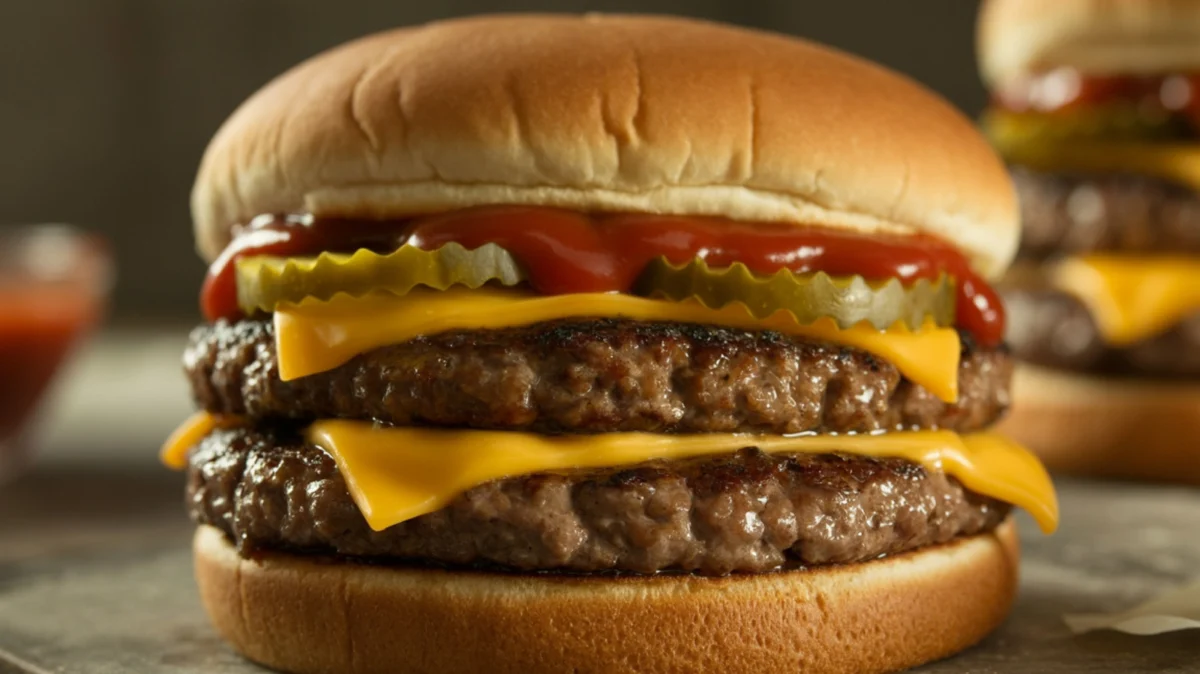
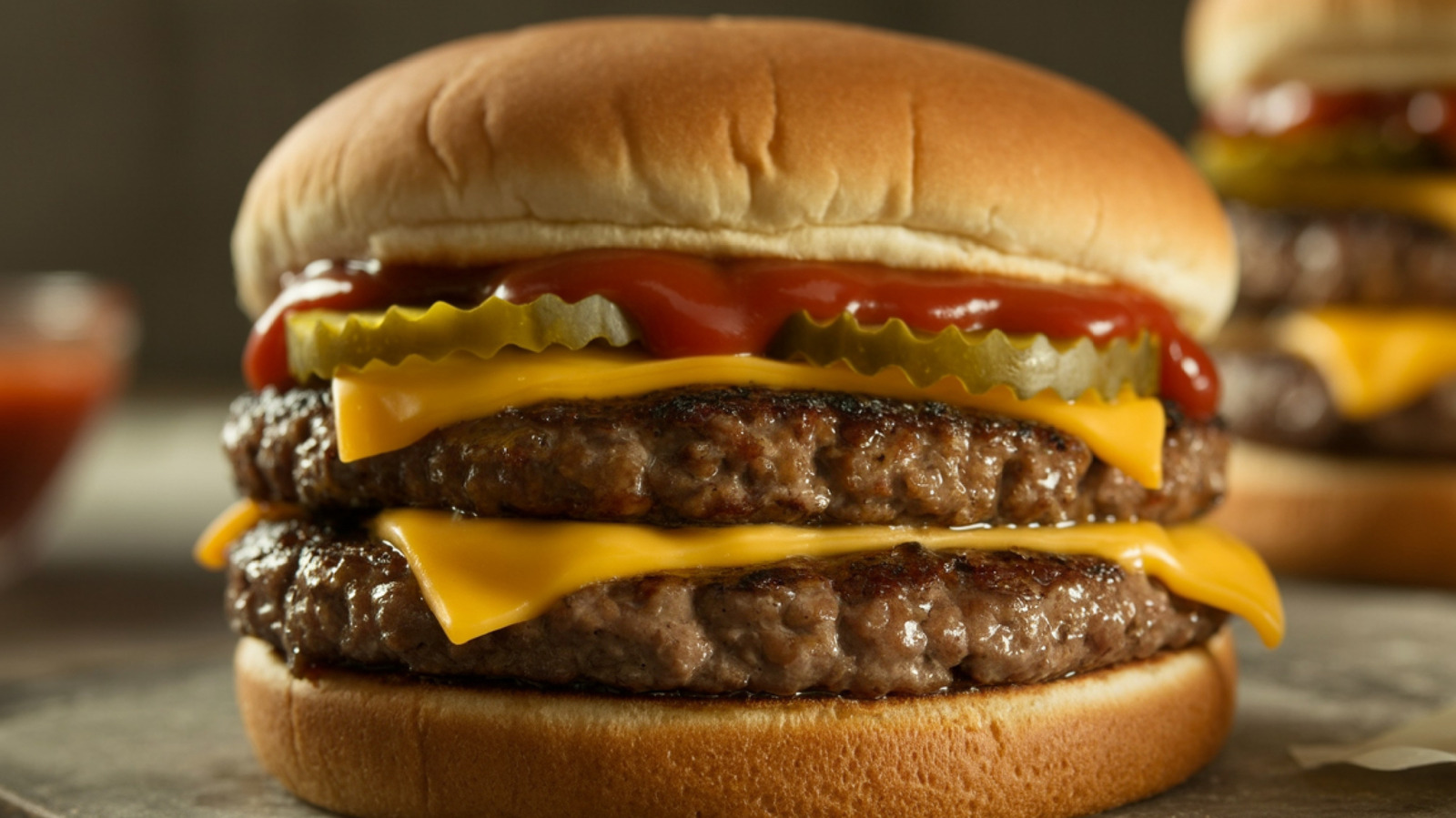
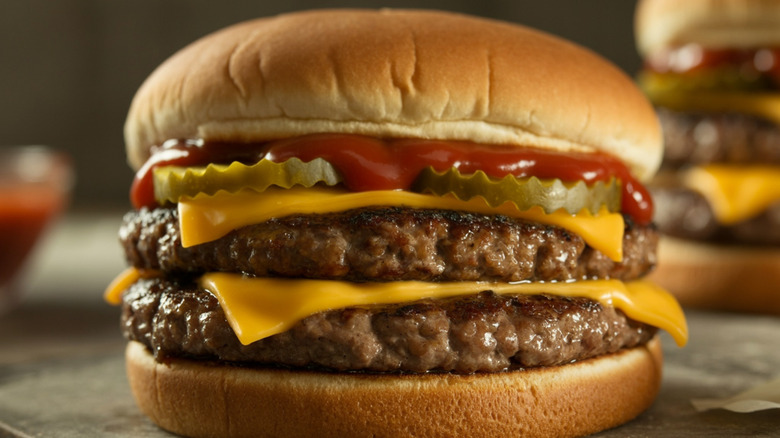
Sonic Drive-In, once pigeonholed as a destination for frozen treats and snacks, is quietly emerging as a powerhouse in the high-stakes world of the double cheeseburger. Recent culinary analyses, including in-depth comparative taste tests, suggest that the SuperSONIC Double Cheeseburger is not merely a side-note on a vast menu, but a formidable contender that frequently outshines the industry’s most recognizable staples.
The Core Verdict: Why Sonic Outperforms the Giants
The primary driver behind Sonic’s sudden rise in critical rankings is a return to fundamental culinary principles: portion size, seasoning, and texture. While industry leaders often rely on assembly-line efficiency, Sonic has leaned into a "mammoth" approach to the double cheeseburger.
In a recent comprehensive ranking of fast-food double cheeseburgers, the SuperSONIC Double Cheeseburger secured the third-place spot, trailing only industry darlings Shake Shack and Five Guys. Notably, this placement put Sonic well ahead of the traditional market leaders. The reasons for this success are twofold. First is the sheer physical volume of the sandwich; in a category where "shrinkflation" has become a common consumer complaint, Sonic’s offering remains impressively large.
Second, the flavor profile hits the specific marks that modern consumers crave. The patties are characterized by a robust, salty, umami-forward seasoning profile that holds up against the toppings. Furthermore, the inclusion of fresh, crisp lettuce and tomatoes provides a structural and textural contrast that many competitors—whose produce often wilts under the heat of the grill—fail to achieve.
Chronology: From Drive-In Niche to Burger Contender
The evolution of Sonic’s menu has been a slow burn rather than a sudden explosion. Historically, the brand’s identity was anchored in the "drive-in" experience—a nostalgic, service-oriented model that prioritized the convenience of eating in one’s vehicle.
- Early 2000s – 2010s: Sonic solidified its reputation as a "drink-first" brand. Its massive beverage menu, featuring thousands of flavor combinations, often overshadowed the kitchen’s output.
- 2020 – 2023: As the fast-food market saw a massive pivot toward premiumization (spurred by the rise of "better-burger" chains like Shake Shack), Sonic began refining its core grill offerings to compete for the lunch and dinner crowd.
- Summer 2024: A pivotal moment occurred with the introduction of the "Smashers" line. By introducing a smash-burger style—which focuses on a crispy, caramelized crust—Sonic tapped into the most popular culinary trend of the decade. This innovation proved the brand was capable of agility and high-level execution.
- 2025 – 2026: Sonic’s reputation began to solidify among critics. Recognition from outlets like USA Today and Business Insider signaled that the broader food media had taken notice of the chain’s improved standards, officially moving it out of the "snack stop" category and into the "burger destination" category.
Supporting Data: The Science of the Satisfaction Score
To understand the competitive landscape, one must look at the data points that define the "burger experience." When comparing the SuperSONIC Double Cheeseburger against the standard offerings from McDonald’s or Wendy’s, the divergence in consumer satisfaction scores is telling.
The "Smash" Factor
The introduction of the All-American Smasher series was a strategic response to the shifting palate of the American consumer. By successfully executing a smash-style burger at scale, Sonic addressed the primary critique of traditional fast-food burgers: the lack of a Maillard reaction—that savory, browned crust formed by high-heat searing. In recent blind taste tests, the Smasher outperformed several specialized chains, proving that Sonic’s kitchen operations could master techniques previously reserved for boutique burger joints.
Consistency: The "Location-Dependent" Variable
Data collected from social sentiment analysis, particularly on platforms like Reddit, reveals a nuanced picture. While the culinary ceiling of a Sonic burger is high, the "floor" is variable. Consumer feedback consistently highlights that the experience is highly dependent on the individual franchisee and staff training. Unlike the hyper-standardized operations of a McDonald’s, which offer a predictable—if mediocre—experience globally, Sonic’s variability means that a "best-in-class" burger depends on the specific location’s adherence to corporate standards.
Official Responses and Strategic Shifts
Sonic’s parent company, Inspire Brands, has remained focused on expanding the versatility of the brand. While they have not explicitly issued a press release declaring a "burger war," their strategic menu developments speak volumes.
The company has utilized its massive menu as a laboratory for testing flavor profiles. By moving the Smashers line from a limited-time offer (LTO) to a permanent menu fixture, the company signaled a long-term commitment to competing in the premium burger space.
Furthermore, the integration of high-quality, fresh produce—an area where the brand has historically struggled—appears to be a concerted supply-chain effort. By ensuring that tomatoes and lettuce arrive at the stall with higher levels of crispness, Sonic has bridged the gap between "fast food" and "fast casual," a strategic move designed to capture the growing demographic of diners who are willing to pay a premium for a better-quality burger.
Implications for the Fast-Food Industry
The rise of the SuperSONIC Double Cheeseburger has broader implications for the fast-food industry as a whole.
1. The Death of the "Category Specialist"
For years, chains were categorized by their primary product: McDonald’s owned the burger, KFC owned the chicken, and Taco Bell owned the Mexican-inspired segment. Sonic’s success suggests that consumers are no longer tethered to these silos. They are increasingly willing to buy their dinner from a place previously known for slushes if the product quality justifies the stop.
2. The Premiumization of the "Budget" Burger
As inflation impacts the price of dining out, the "value" of a burger is no longer measured solely by the dollar price. It is measured by the "quality-to-price ratio." Sonic’s ability to offer a substantial, high-quality double cheeseburger at a competitive price point is putting pressure on legacy chains to justify their own pricing structures. If McDonald’s or Burger King cannot offer a superior product, they risk losing the "value-conscious" segment of their customer base to chains that provide a more robust culinary experience.
3. The Future of the Drive-In
The COVID-19 pandemic inadvertently handed Sonic a massive advantage. Their model—centered around the drive-in stall—was built for the era of social distancing. As consumers continue to prefer touchless, car-centric dining, Sonic is positioned better than many of its competitors who rely on interior dining rooms or drive-thru lanes that suffer from congestion.
Conclusion: A Gem in Plain Sight
Sonic Drive-In has effectively transformed itself from a nostalgic detour into a serious competitor in the American burger wars. While the brand still contends with the challenges of operational consistency, the sheer quality of the SuperSONIC Double Cheeseburger—and its subsequent evolution into the Smasher line—is undeniable.
For the average consumer, the message is clear: if you are looking for a burger that balances mass-market convenience with the flavor profiles of a high-end kitchen, it may be time to pull into a stall, hit the red button, and reconsider the underdog. Sonic is no longer just a place for a drink and a side of tots; it is a legitimate contender for the title of the best fast-food burger in the nation. As the industry continues to iterate and compete, Sonic’s "underrated" status is rapidly fading, replaced by a reputation for excellence that the giants of the industry can no longer afford to ignore.
