

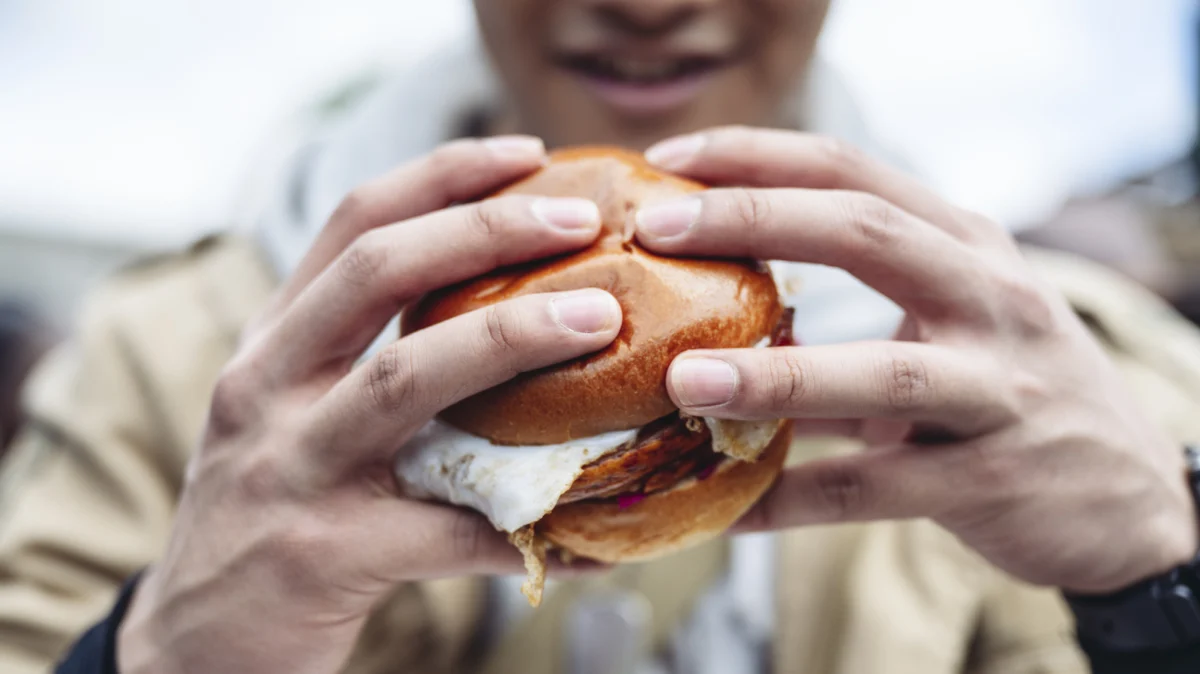
For decades, the American breakfast sandwich has been defined by a predictable trifecta: a rubbery egg, a slice of processed cheese, and a nondescript meat patty, all sandwiched between a standard-issue English muffin or biscuit. But a culinary revolution is occurring across the United States. From the Pacific Northwest to the Atlantic coast, visionary chefs are dismantling the "grab-and-go" culture, replacing convenience-store stalwarts with artisanal, fusion-forward, and boundary-pushing creations.
This is no longer just about fueling up; it is about gastronomic exploration. Whether it’s the inclusion of Korean-style bulgogi, the daring use of purple yam French toast, or the revival of Southern staples like pimento cheese and fried green tomatoes, the modern breakfast sandwich has evolved into a centerpiece of American culinary creativity.
The Evolution of the Morning Meal: A Culinary Chronology
The breakfast sandwich, once a utilitarian invention designed for the industrial worker, has undergone a radical transformation over the last fifteen years.
Historically, the 1970s and 80s popularized the fast-food breakfast sandwich, standardizing the flavor profile for an entire generation. However, the late 2000s marked the emergence of the "gourmet shift." Chefs began looking toward international pantries, incorporating global ingredients that were previously relegated to lunch or dinner menus.
This trend accelerated in the 2010s as food trucks and independent cafes—often led by a new generation of chefs trained in diverse culinary traditions—began experimenting with base breads. By shifting away from standard white flour buns toward brioche, Japanese milk bread, and pumpernickel, the structural integrity and flavor capacity of the sandwich were fundamentally upgraded. Today, we are in the "Era of the Artisan," where the focus has shifted from mere sustenance to a multi-sensory experience involving complex textures, house-made sauces, and high-quality proteins.
High-Concept Ingredients and Flavor Profiles
What sets these thirteen sandwiches apart is not just the audacity of their ingredients, but the deliberate balancing of flavor profiles. The anatomy of these elite sandwiches relies on four pillars:
- The Base: Moving beyond the standard biscuit, we now see the rise of Japanese milk bread, toasted brioche, and even cinnamon rolls.
- The Protein: The departure from standard sausage or bacon toward porchetta, smoked meatloaf, ribeye steak, and crab cakes.
- The Freshness Factor: The inclusion of arugula, pickled vegetables, sprouts, and fried green tomatoes adds a necessary acidity and crunch.
- The "Elevator" Sauces: From chili crisp and miso maple syrup to pepper relish and herb-infused aiolis, these condiments provide the defining character of the sandwich.
Spotlight on Regional Masters
The Pacific Northwest: The "Spanish Fly" (Seattle, WA)
Located in Seattle’s University District, Morsel has become a pilgrimage site for biscuit lovers. The "Spanish Fly" is a masterclass in balance. By replacing standard ham with salty, dry-cured prosciutto and pairing it with creamy Spanish Manchego, they elevate the flavor profile instantly. The addition of arugula and Mama Lil’s pepper aioli provides a sharp, spicy bite that cuts through the richness of the buttermilk biscuit.
The Southern Coastal Influence: The "Crab Benny" (Mt. Pleasant, SC)
Vicious Biscuit captures the essence of the South Atlantic. By blending the classic Eggs Benedict with a Southern flair, they use a fried green tomato and a fresh lump crab cake. The addition of a tangy Hollandaise and a dusting of Old Bay seasoning is a tribute to East Coast maritime tradition, resulting in a sandwich that is as indulgent as it is regional.
The Georgia Heavyweight: "The Miami Hangover" (Marietta, GA)
Served only once a month at The Red Eyed Mule, this sandwich is a testament to the labor of love. The smoked meatloaf, crafted from Angus beef and smoked over pecan wood for four hours, creates a depth of flavor that is unattainable in a commercial kitchen. It is a rare, decadent, and strictly limited experience that highlights the prestige of slow-food techniques in a breakfast setting.
The Maryland Masterpiece: "Southern Slammer" (Baltimore, MD)
At Miss Shirley’s, the "Southern Slammer" utilizes the earthy notes of pumpernickel bread as a canvas for applewood-smoked bacon and fried green tomatoes. It is a perfect example of how regional bread choices can fundamentally alter the consumer’s perception of what a breakfast sandwich can achieve.
The Alabama Sweet and Savory: "Cinnamon Roll Breakfast Sandwich" (Orange Beach, AL)
BuzzCatz challenges the binary between sweet and savory. By using a fresh, house-made cinnamon roll as a bun, the restaurant taps into the "sweet-and-salty" craving that defines modern brunch culture.
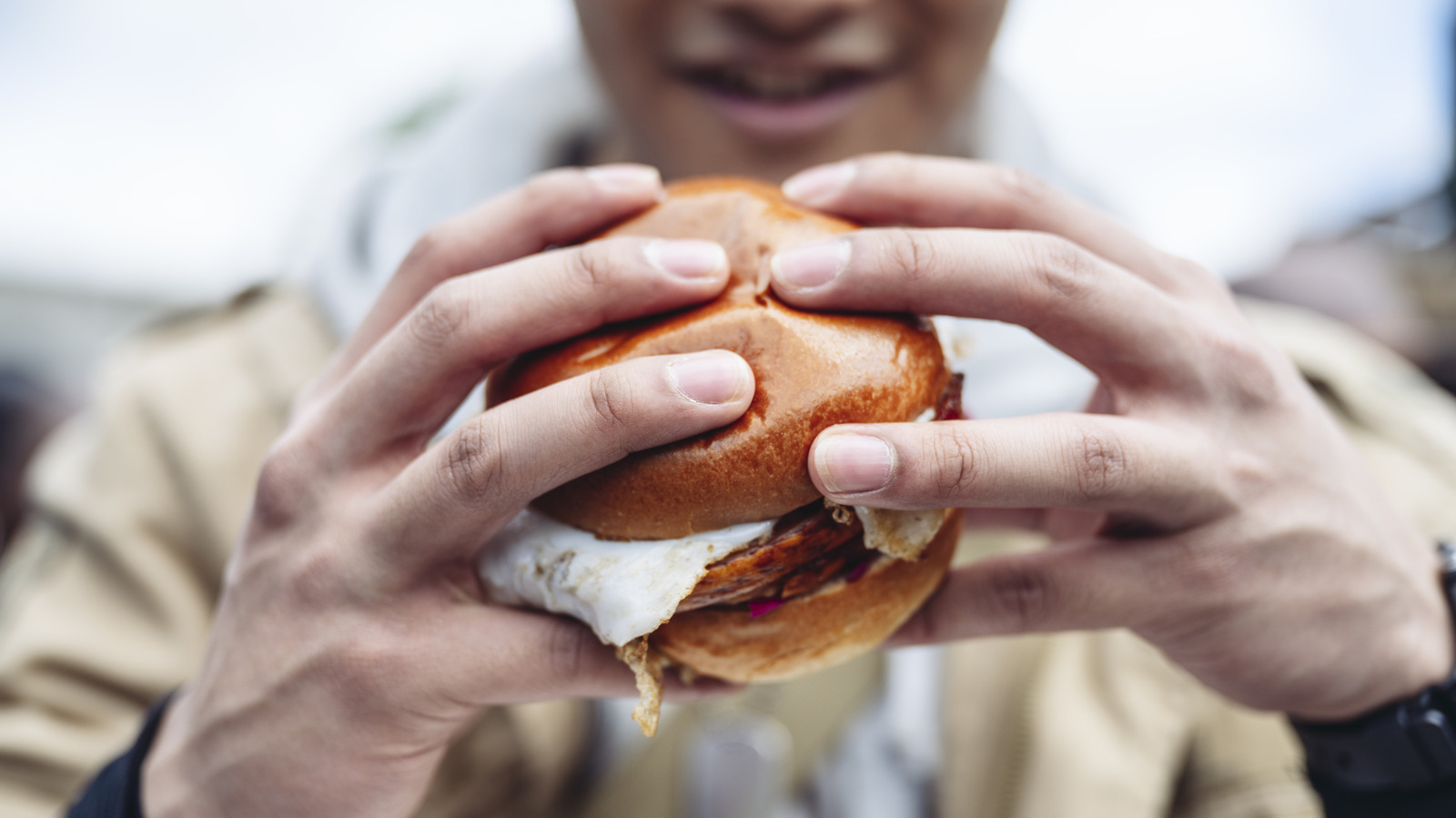
The Arizona Fusion: "Bulgogi Cheesesteak" (Phoenix, AZ)
Let’s Toast bridges the gap between Philadelphia and Seoul. The use of Japanese milk bread provides a pillowy, buttery structure, while the Korean-style bulgogi—marinated in garlic, ginger, and sesame oil—reinvents the traditional cheesesteak as a morning staple.
The Connecticut Artisan: "Meraki Porchetta" (Litchfield, CT)
The Meraki food truck proves that fusion is the future. By combining Italian porchetta with Korean kimchi and Thai-Spanish Sriracha aioli on a French brioche bun, the sandwich is a global tour of flavor in every bite.
The New Orleans Reimagining: "The Dr. Seuss" (New Orleans, LA)
Satsuma Cafe treats the classic "Green Eggs and Ham" with culinary respect. By utilizing basil pesto to naturally color and flavor the eggs, the cafe avoids artificial dyes while delivering a robust, herbaceous breakfast that has become a staple of the New Orleans food scene.
The Filipino-American Innovation: "Bistek" (Multiple Locations)
Lapu Lapu introduces the bold, acidic notes of Filipino cuisine. The marinated ribeye, combined with garlic adobo mayo and white American cheese sauce, represents a sophisticated shift toward savory-acidic flavor profiles that are gaining massive popularity.
The Michigan Viral Hit: "The OG" (Ann Arbor, MI)
Q Bakehouse & Market emphasizes the importance of the "breakfast sauce." By proprietary blending chili crisp with mayo and utilizing Chinese breakfast sausage, they create a depth of umami that traditional American fast-food outlets simply cannot replicate.
The Minnesota Melting Pot: "Breakfast in Bombay" (Minneapolis, MN)
Egg on a Roll takes the concept of global fusion to its extreme. With Spanish chorizo, Chinese chili crunch, and Indian garam masala, the sandwich is a bold experiment in how diverse spices can coexist harmoniously on a single roll.
The Tennessee Sweet-Heat: "The Ubé-Bee" (Nashville, TN)
Egg Drip brings the vibrant purple yam (ubé) to the forefront. By turning this into a French toast base and pairing it with miso maple syrup, they offer a complex play on textures—sweet, salty, soft, and crispy—that pushes the boundaries of the breakfast category.
The Midwestern Classic: "Biscuit Sammie" (St. Paul, MN)
The Buttered Tin highlights the versatility of pimento cheese. By pairing it with maple fennel sausage and a three-pepper relish, they prove that regional American staples can be refined into a high-end breakfast experience.
The Implications of the Gourmet Breakfast Shift
The rise of these sandwiches signals a broader shift in American dining: the rejection of the "mediocre morning." Consumers are increasingly demanding transparency in ingredients, artisanal preparation, and unique flavor experiences, even at 8:00 AM.
For the hospitality industry, this movement implies that breakfast is no longer a "throwaway" meal. Establishments that invest in house-made breads, locally sourced meats, and creative sauce pairings are finding significant success and customer loyalty. The "sad and ordinary" sausage, egg, and cheese biscuit of the past is facing a reckoning. As these thirteen examples illustrate, the American breakfast sandwich has finally come of age, proving that with enough creativity, even the most humble meal can be transformed into a culinary masterpiece.
As we look toward the future, one thing is certain: the era of the bland breakfast is over. The only question left for the adventurous eater is, "What kind of sandwich are you going to try next?"
