


If you had suggested a year ago that the fashion set would be reaching for a cummerbund on a regular Tuesday—pairing it with everything from oversized tees to crisp button-downs—I would have politely dismissed the notion as a sartorial fever dream. Traditionally tethered to the rigid codes of black-tie galas and the somewhat awkward aesthetic of high school prom photography, the cummerbund was, for the better part of a decade, the definition of "niche formalwear."
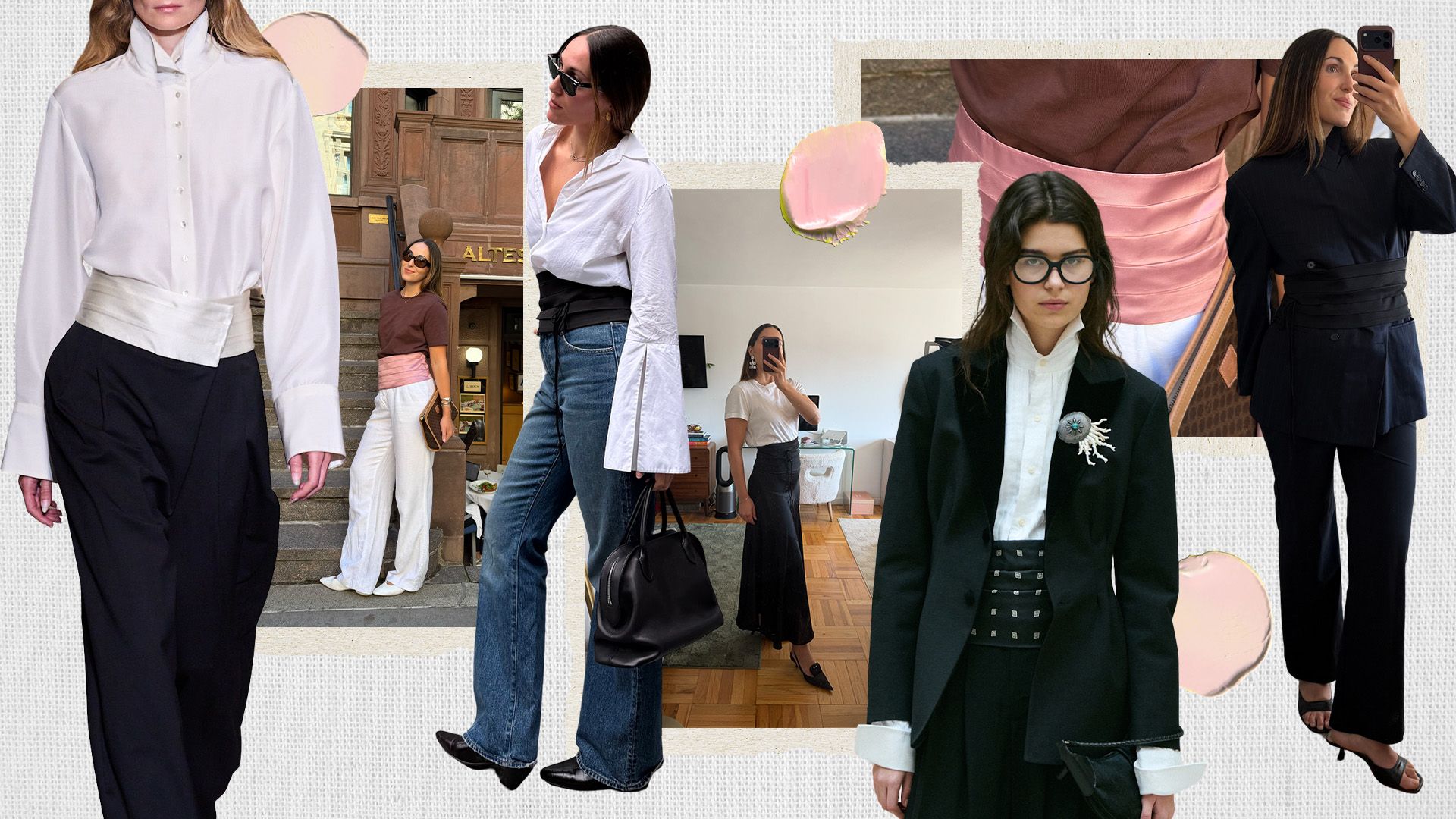
However, the tides of fashion have turned. This season, the waist-cinching accessory has staged a dramatic, full-scale comeback. It has transcended its tuxedo-bound roots to become one of the most sought-after styling tools for the modern wardrobe. What began as a subtle whisper on the runways has evolved into a full-throated shout across the global street-style circuit, from the polished pavements of New York to the chic boulevards of Paris.
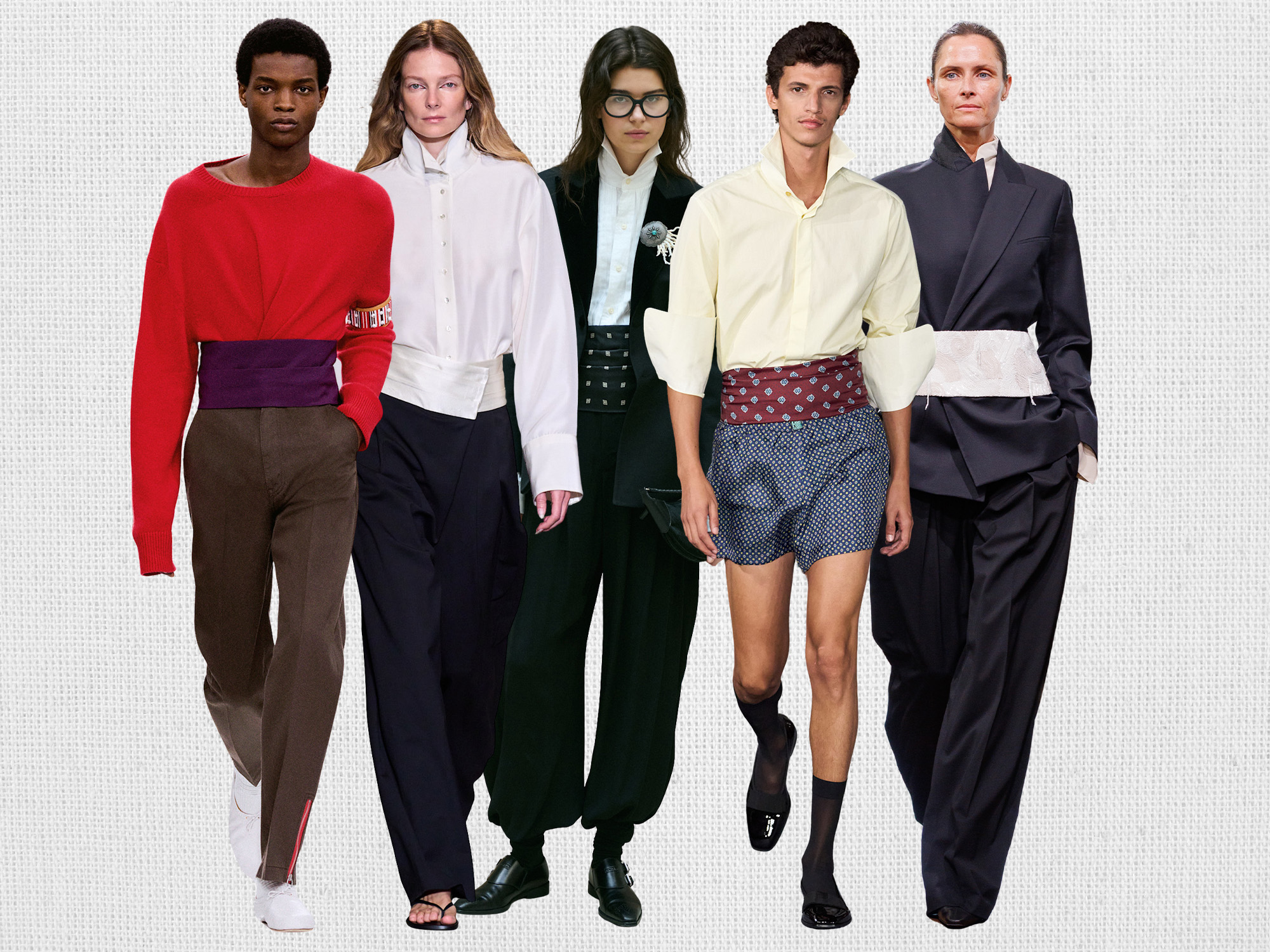
A Chronology of the Comeback
The resurgence of the cummerbund did not happen overnight; it was a slow burn that culminated in a sudden explosion of popularity.

The Runway Genesis (Fall/Winter 2026)
The trend first began to gain traction on the Fall/Winter 2026 runways. Designers began experimenting with the classic silhouette, stripping it of its stuffy reputation. Celine, under the creative direction of Michael Rider, was a pivotal player in this shift. By incorporating the cummerbund into menswear-inspired collections, the brand introduced a "dressed-down" approach to the piece, emphasizing fresh, unexpected color combinations and relaxed styling. It was no longer a tuxedo accessory; it was a structural element meant to challenge the silhouette of a standard suit.
The Surge (Spring/Summer 2027)
Following the initial runway test, the momentum became undeniable during the Spring/Summer 2027 shows. Independent designers—most notably Conner Ives, Kallmeyer, and Heirlome—seized the motif, interpreting it through a contemporary lens. These designers provided the final, necessary proof that the cummerbund had moved well beyond the black-tie circuit. By layering them over midi dresses or pairing them with unconventional separates, they transformed the accessory into a tool for modern, forward-thinking fashion.
The "Third Piece" Phenomenon: Why It Works
In the world of personal styling, there is a recurring dilemma known as the "third piece" question. It is the challenge of elevating a simple, two-part outfit—like a basic shirt and trousers—into a cohesive, "deliberate" ensemble.
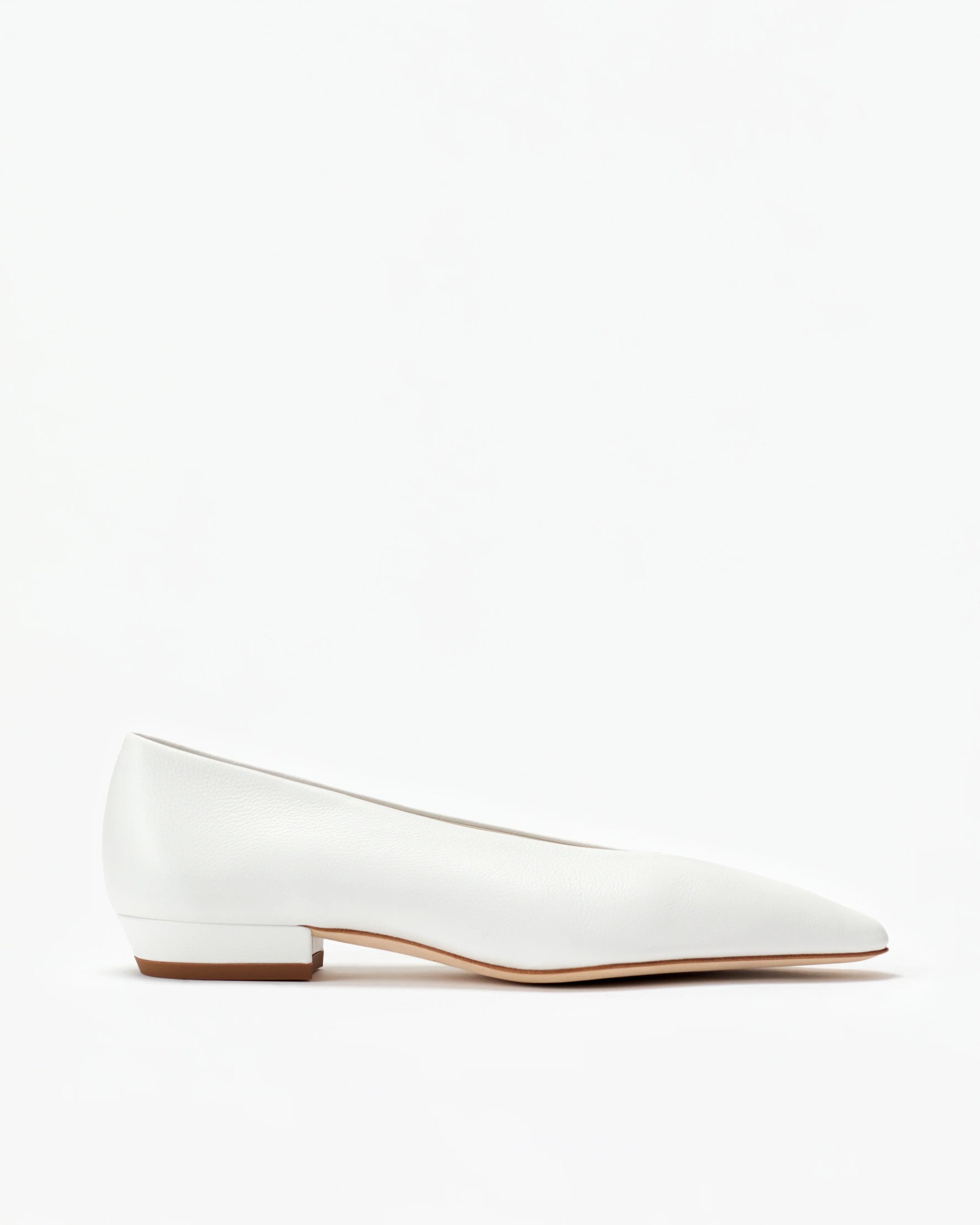
Historically, we have turned to the scarf belt or the chain belt to bridge this gap. However, the cummerbund offers a distinct advantage: volume and texture. Unlike a traditional leather belt, a cummerbund provides a broader canvas. It creates a defined waistline while simultaneously adding a layer of architectural depth to an outfit.
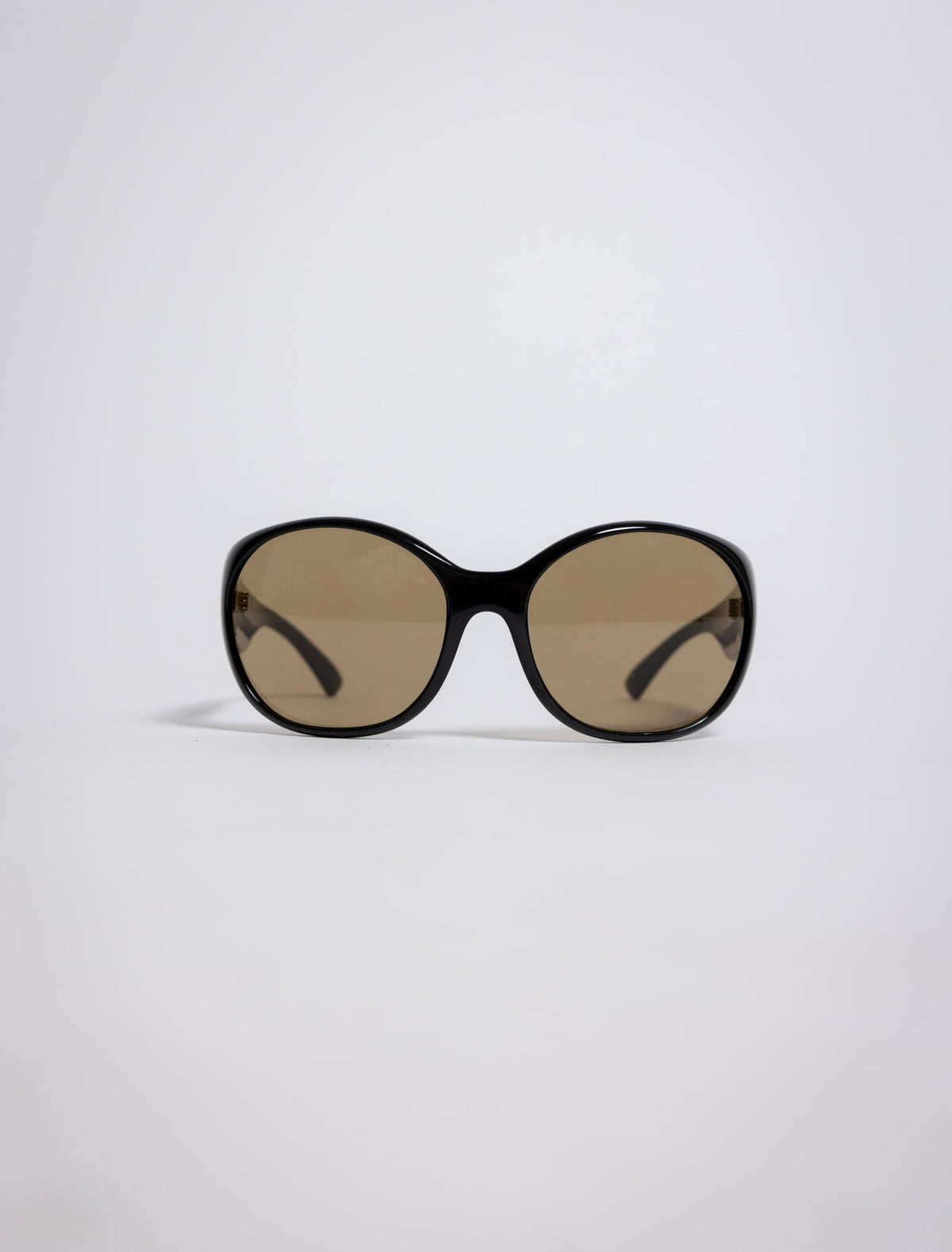
Whether it is a pleated satin piece or a structured canvas sash, the cummerbund functions as a bridge between casual and formal, grounding an outfit while providing an air of intentionality. For those who enjoy the thrill of testing a trend in real time, the barrier to entry is surprisingly low. Even high-street retailers have jumped on the bandwagon, with entry-level options—such as the sub-$50 pleated belts seen at Zara—selling out in record time, signaling a massive consumer appetite for this specific silhouette.

How to Style the Cummerbund: A Wearable Guide
The biggest fear surrounding the cummerbund is the risk of looking "costumey." To avoid this, the key is to prioritize juxtaposition. Here are five foolproof ways to incorporate the trend into your daily rotation without looking like you’re headed to a formal event.
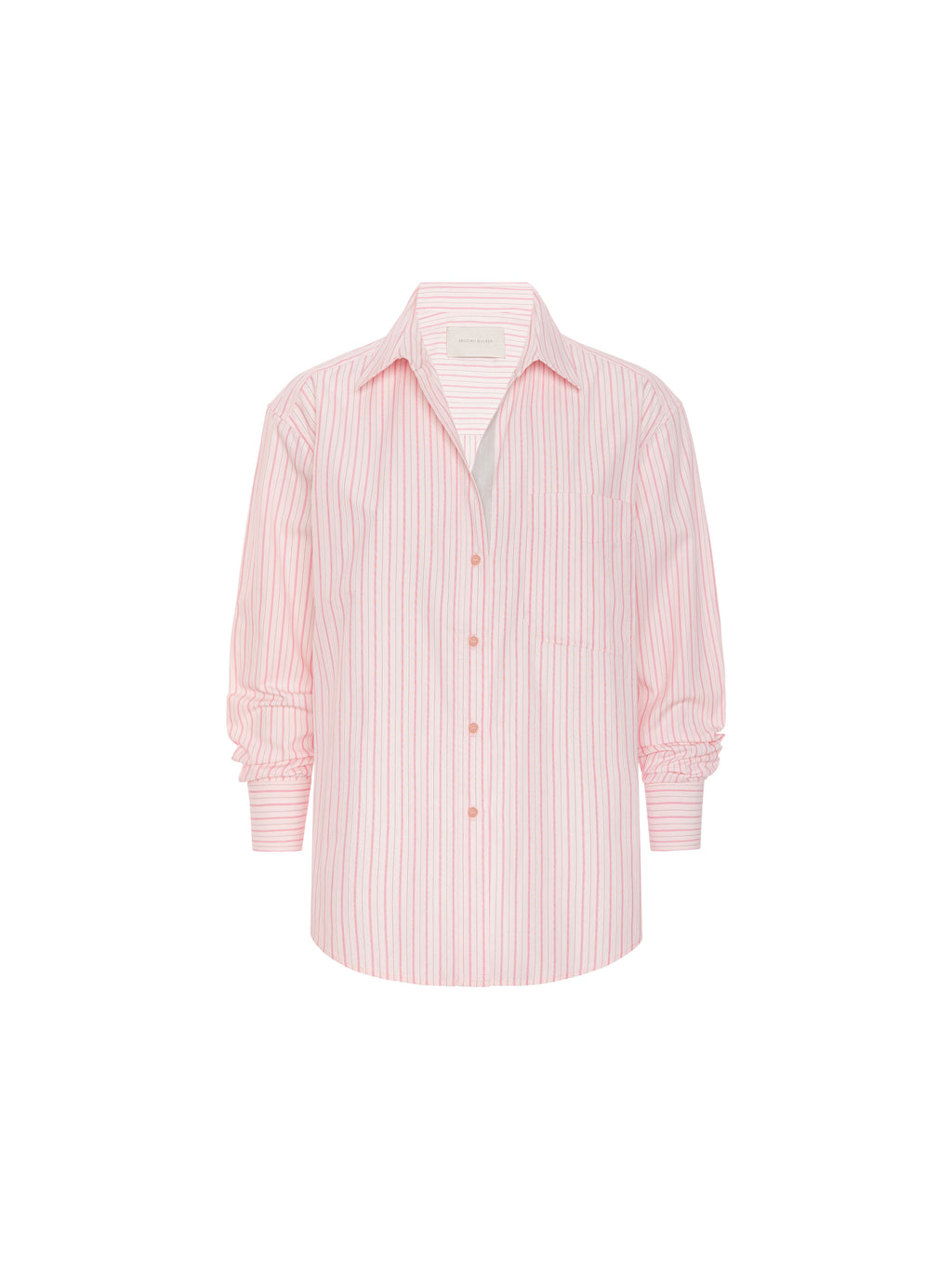
1. The Elevated Casual
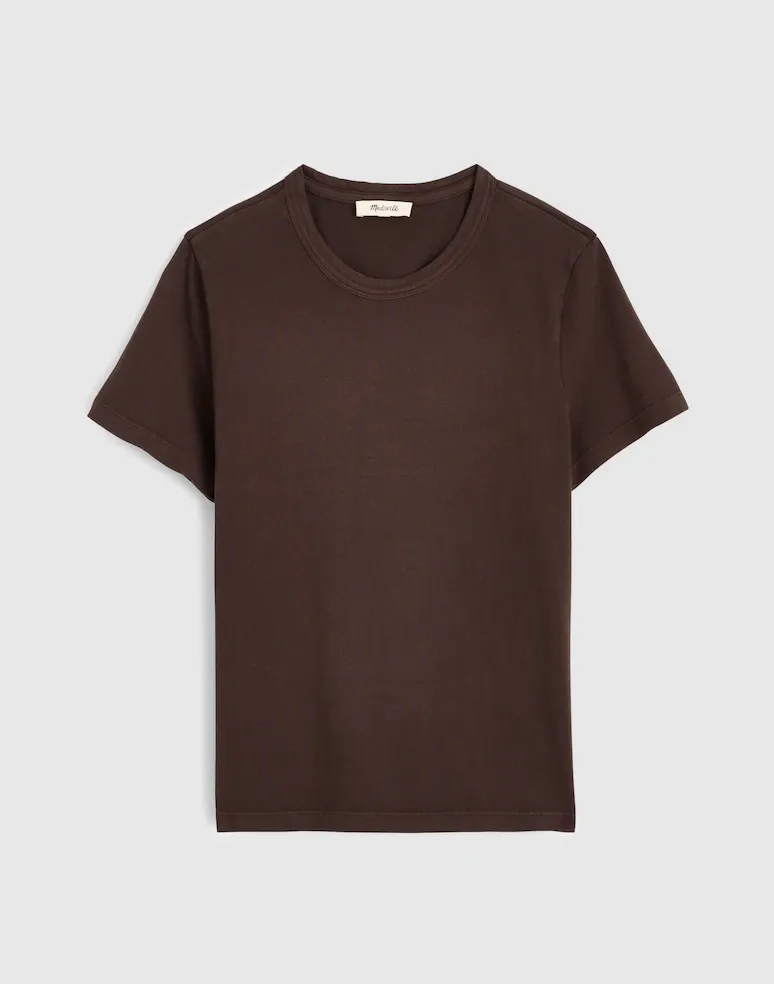
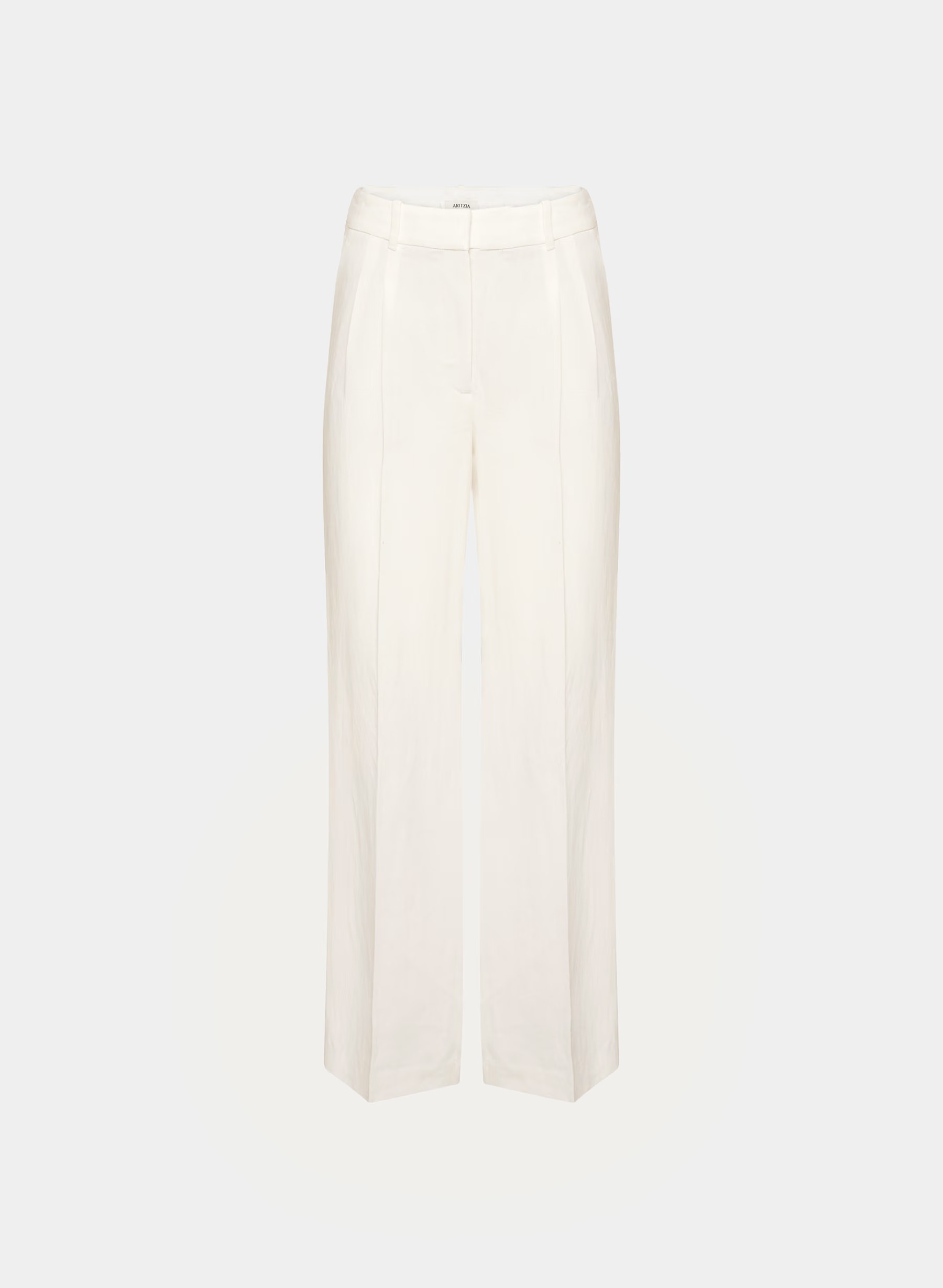
What you’ll need: A high-quality cotton T-shirt, relaxed linen trousers, and a pleated sash belt.
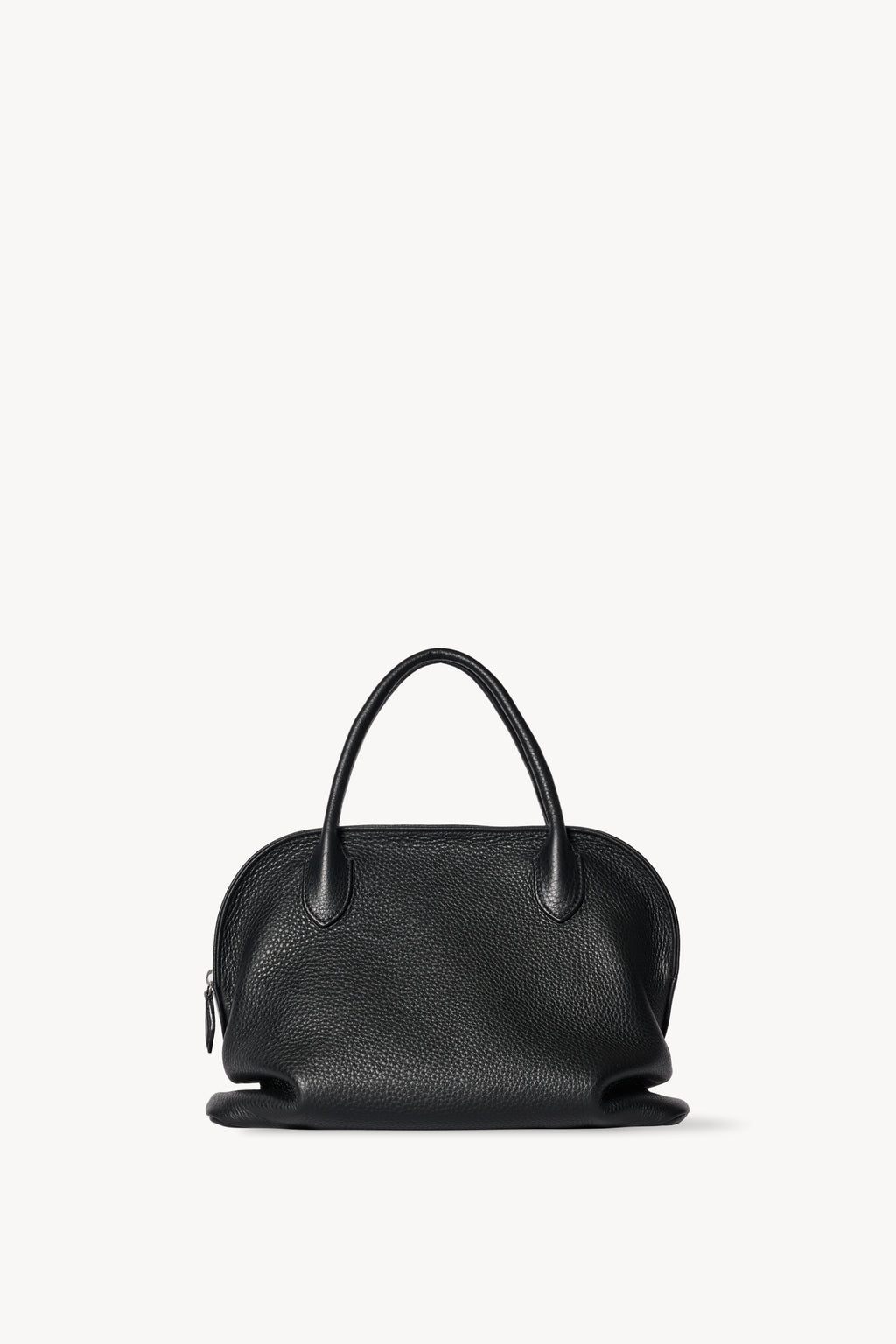
By pairing a relaxed, slouchy T-shirt with the structure of a cummerbund, you create an immediate contrast. The belt acts as an anchor, preventing the volume of the trousers and the tee from overwhelming your frame. Finish the look with minimalist flats and a slim clutch to maintain a sleek, daytime-appropriate profile.
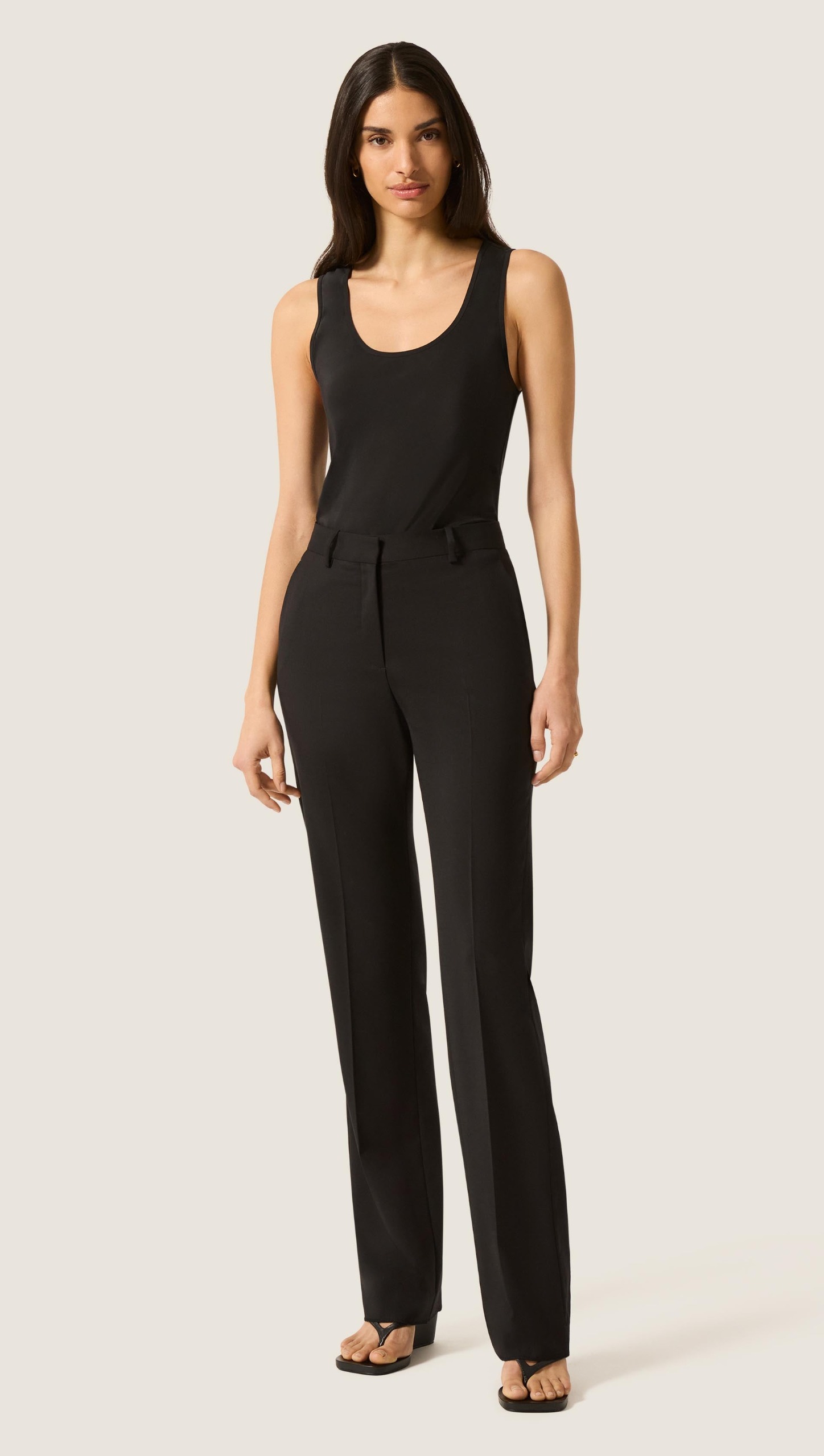
2. The Power-Professional
What you’ll need: A classic striped button-down shirt, a black satin cummerbund, and tailored wool trousers.
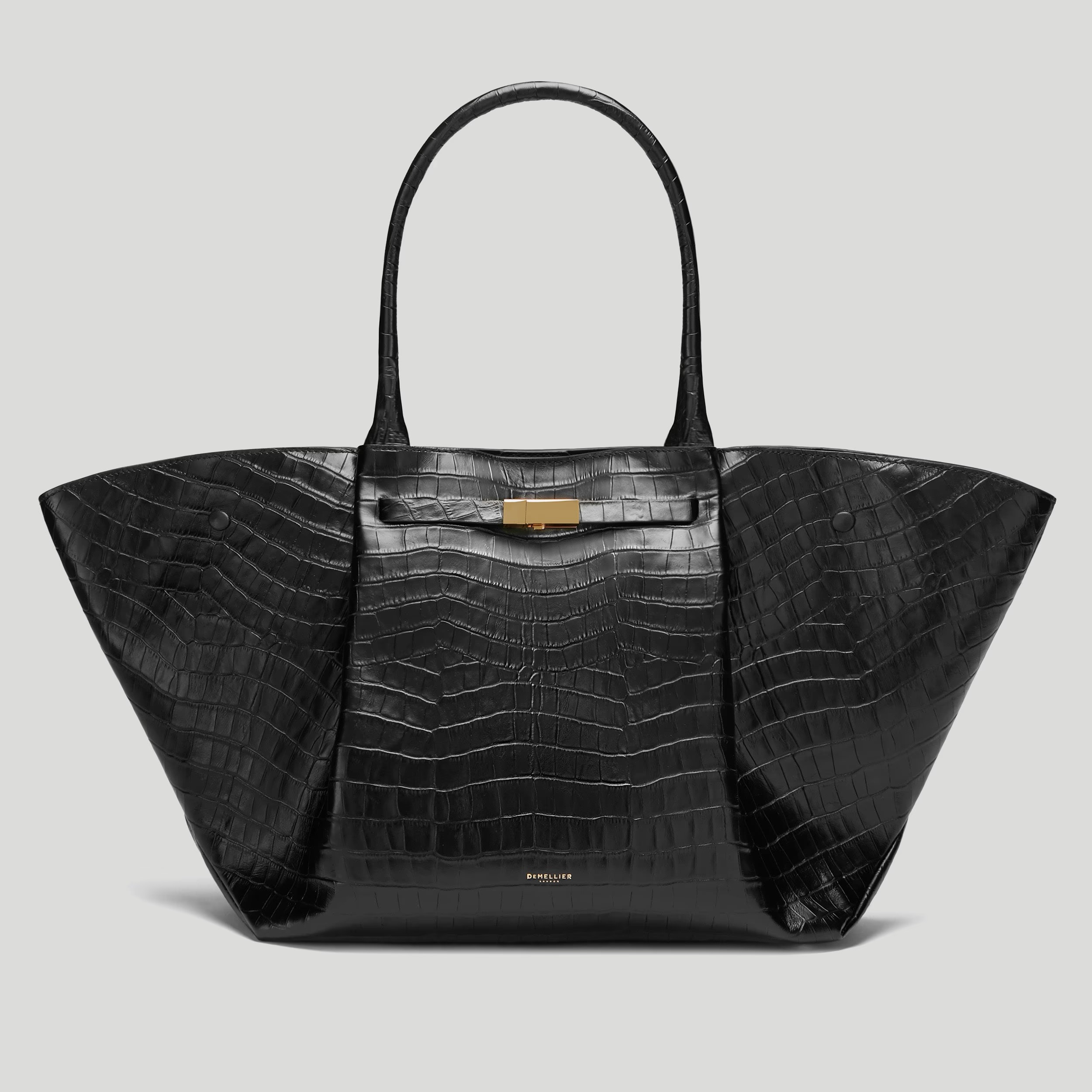
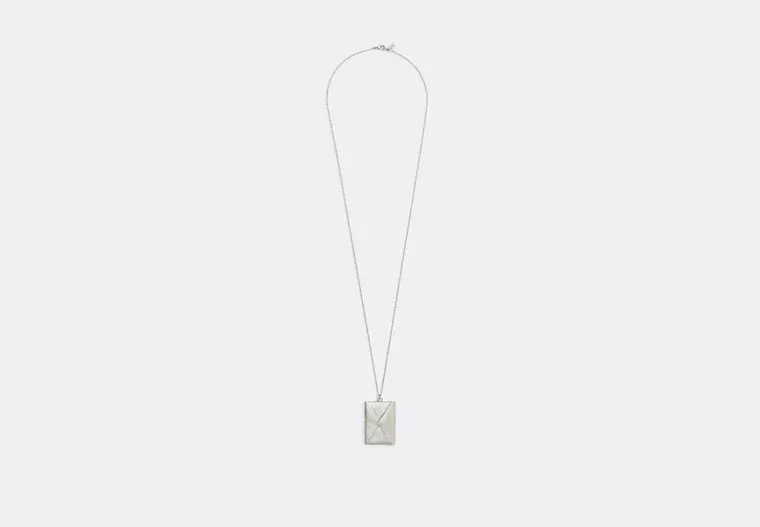
This look leans into the masculine origins of the accessory but updates it for a modern office environment. The pendant necklace adds a touch of personality, while the satin finish of the cummerbund provides a subtle sheen that breaks up the matte texture of the wool and cotton.
3. The Romantic Minimalist
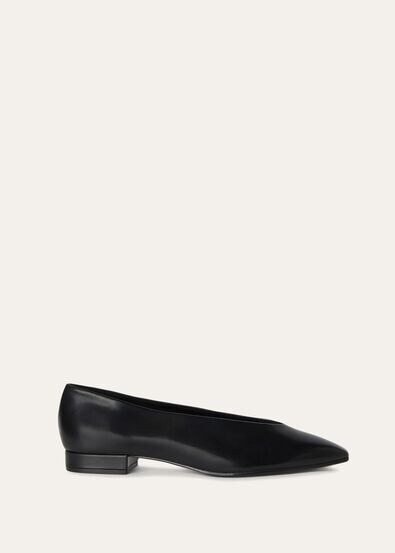
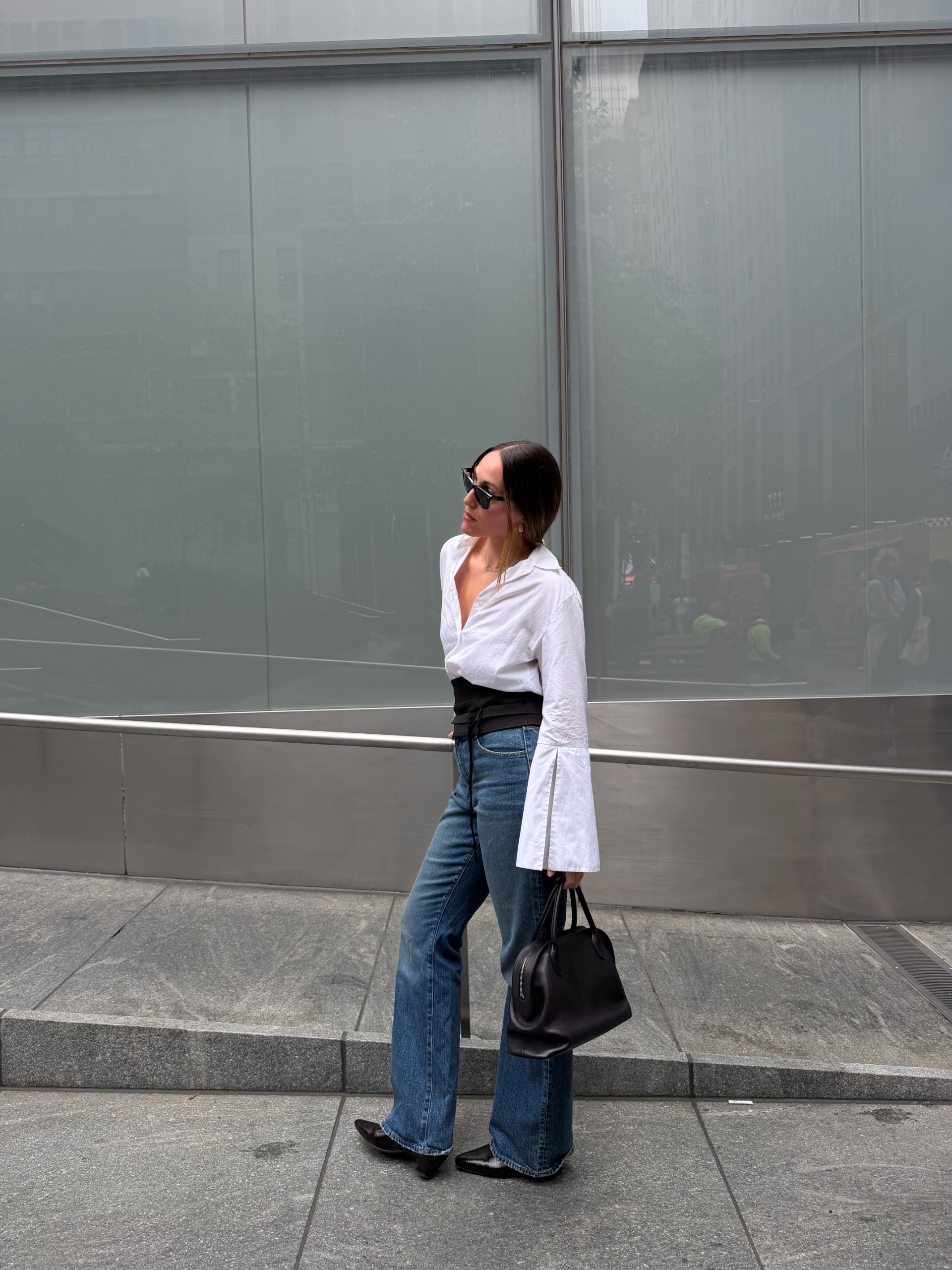
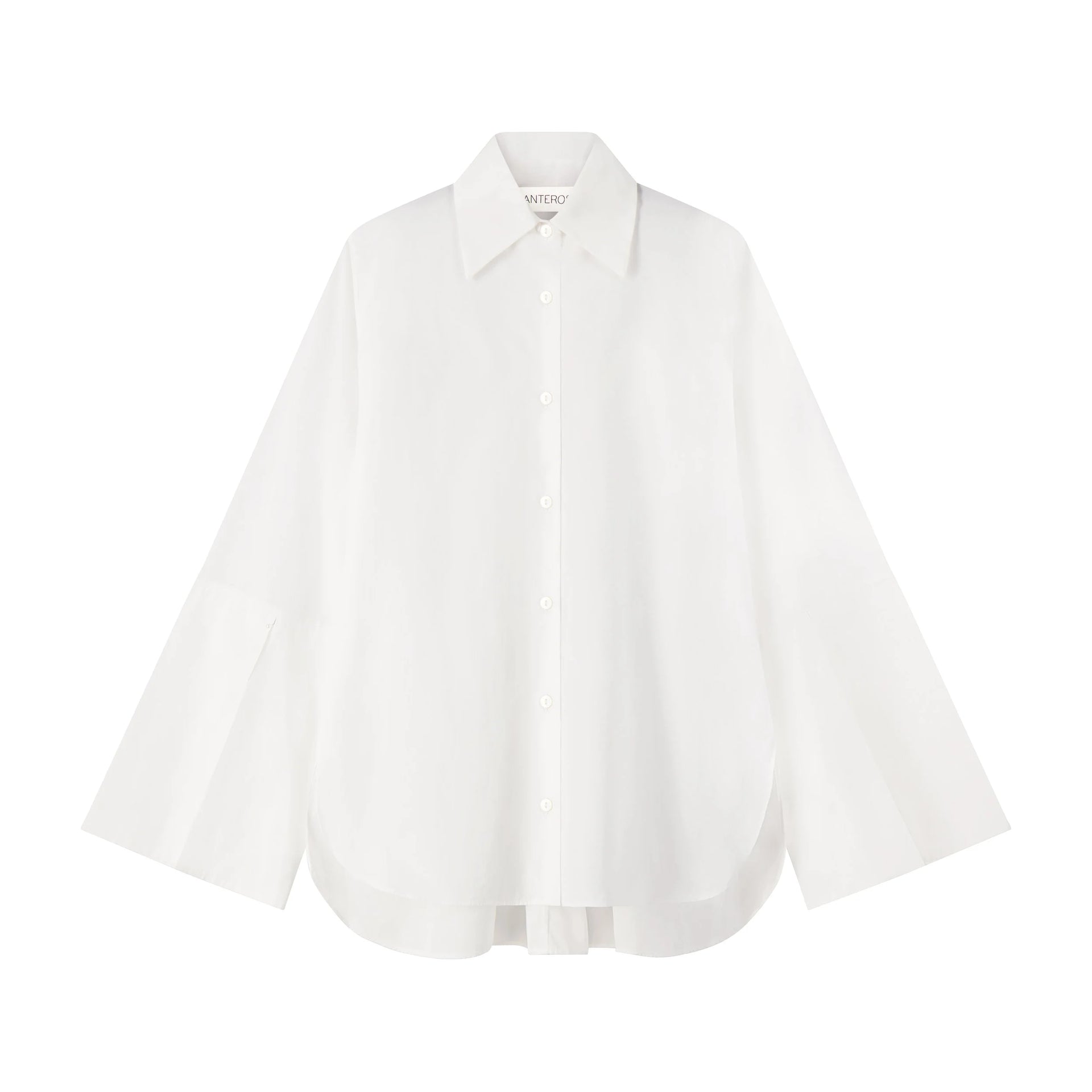
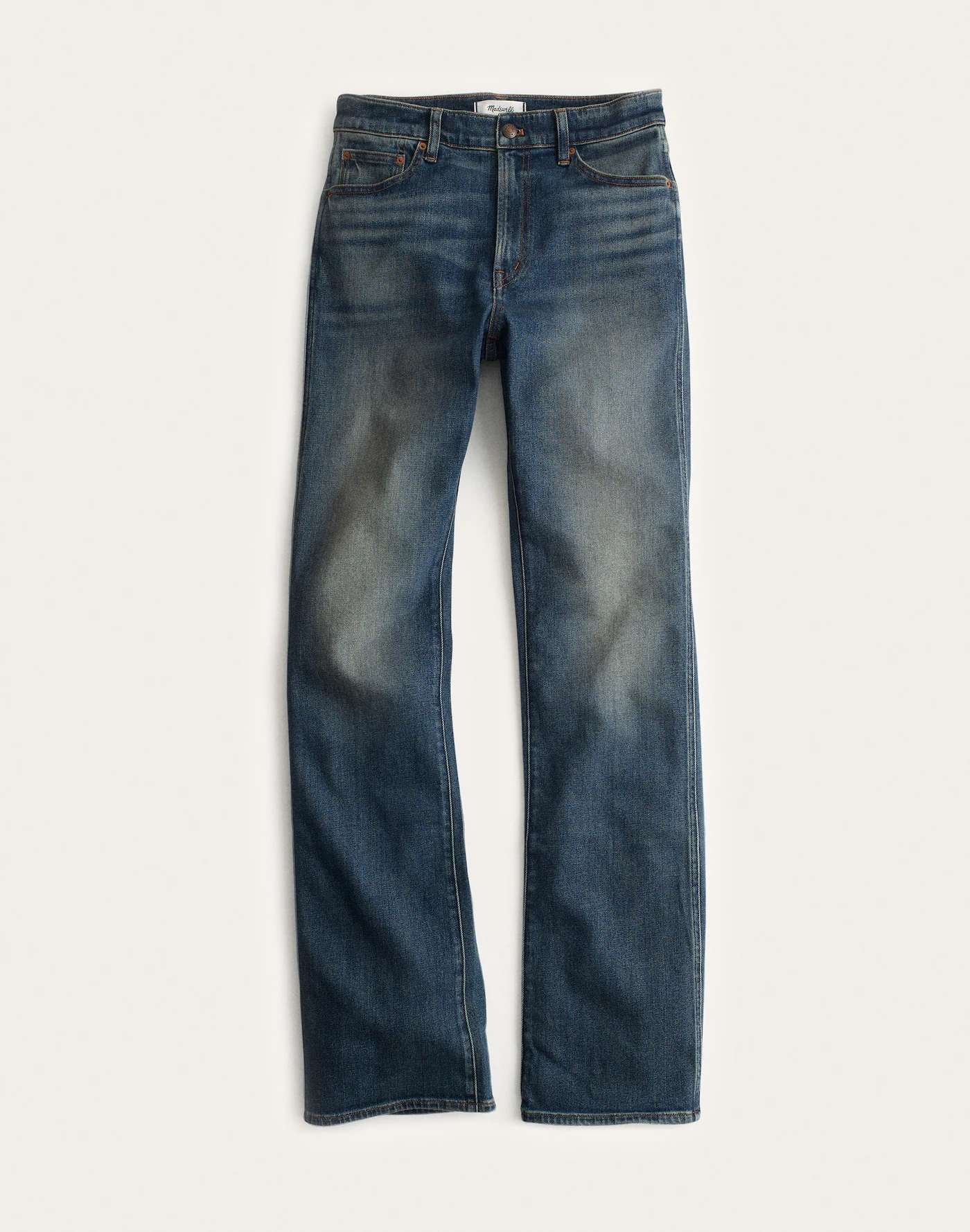
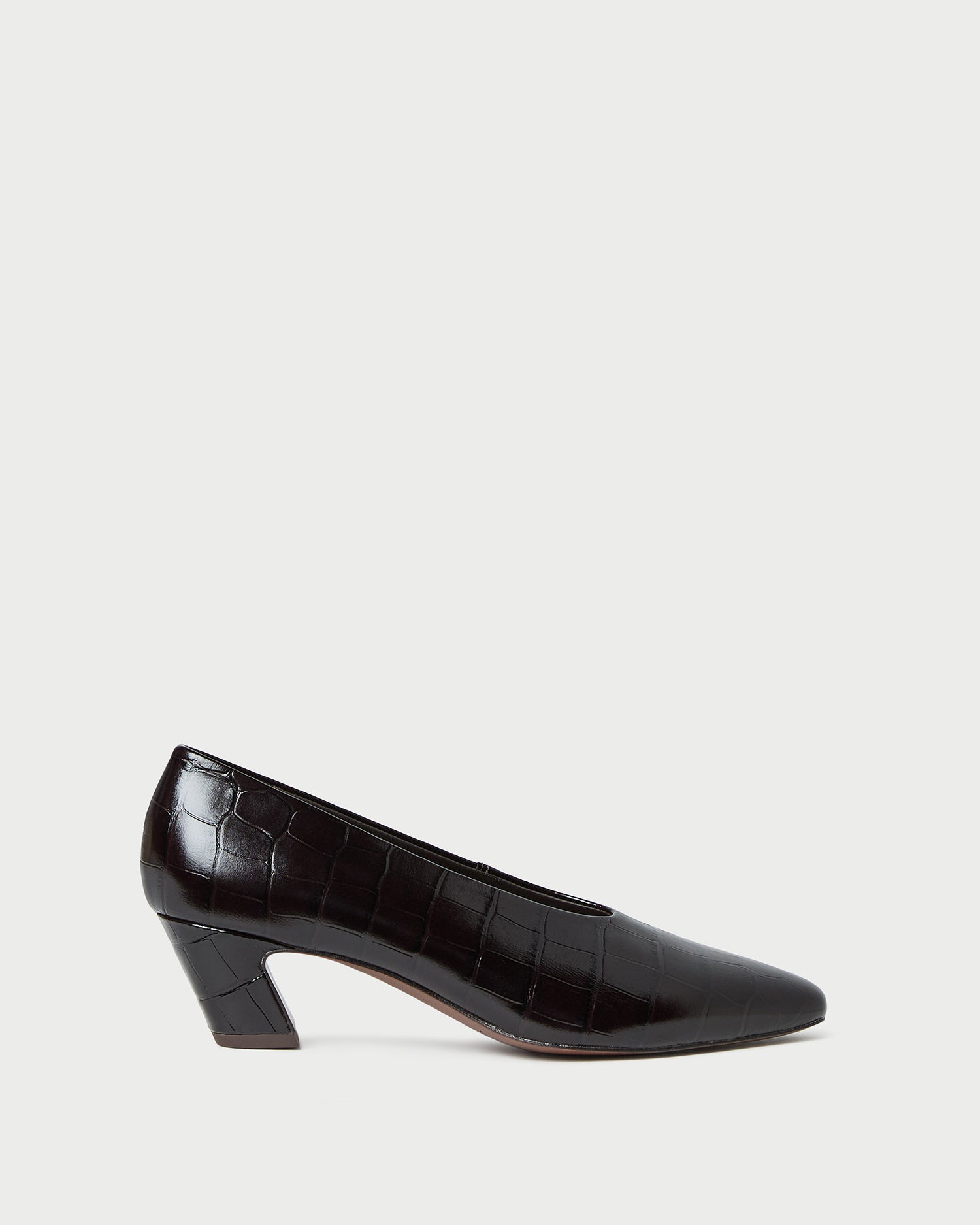
What you’ll need: A crisp white button-down, a dark-toned cummerbund, mid-blue denim, and low-profile pumps.
Denim is perhaps the best way to "de-formalize" the cummerbund. By choosing a relaxed bootcut or straight-leg jean, you ground the look in reality. The white shirt keeps the outfit clean and airy, while the cummerbund introduces a focal point at the waist that elevates the entire aesthetic.
4. The Soft Sculptor
What you’ll need: A simple white tee, a silk midi skirt, and a structured cummerbund.
This combination relies on the play of textures. The soft, fluid movement of a silk skirt against the rigid, structured nature of a cummerbund creates a beautiful visual balance. Adding drop earrings ensures the look feels intentional and polished, perfect for an evening out.
5. The Tailored Edge
What you’ll need: A double-breasted blazer, cropped trousers, and a bold-colored cummerbund.
For those who are more confident with styling, layering a cummerbund over a blazer (or worn underneath, partially visible) creates an avant-garde silhouette. Pair this with kitten heels to keep the proportions balanced and sophisticated.
The Implications for Modern Retail
The return of the cummerbund signifies a larger shift in how we consume fashion. We are moving away from the era of "logo-mania" and toward a period of structural experimentation. Consumers are looking for ways to refresh their existing closets without constantly buying new items. The cummerbund is the ultimate "refresh" accessory; it can turn a three-year-old shirt and trouser combination into a completely new outfit.
Retailers have taken note. From luxury houses like Valentino to high-street staples, the breadth of options available is a testament to the trend’s versatility. We are seeing materials ranging from classic silk faille to modern technical fabrics, and silhouettes that vary from traditional wide wraps to corset-style hybrids.
Final Verdict: Is It Here to Stay?
Fashion is cyclical, and the revival of the cummerbund is a perfect example of how history repeats itself—albeit with a modern twist. While it may have started as a nostalgic nod to black-tie traditions, its current iteration is entirely utilitarian. It solves a genuine styling problem, it is accessible at multiple price points, and it allows for a high degree of personal expression.
If you are still on the fence, consider this your formal invitation to experiment. You don’t need a gala invitation to justify the purchase. All you need is a pair of trousers, a favorite shirt, and the willingness to redefine your waistline. The cummerbund is no longer just for the ballroom; it is for the boardroom, the coffee shop, and everywhere in between.
As we look toward the upcoming seasons, it is likely we will see this accessory evolve further, perhaps becoming as essential to our daily wardrobe as the classic leather belt. For now, enjoy the novelty of it. Experiment with different widths, colors, and fabrics. After all, the best part of fashion is the ability to take something that once felt restrictive and turn it into something that feels entirely, uniquely yours.
