

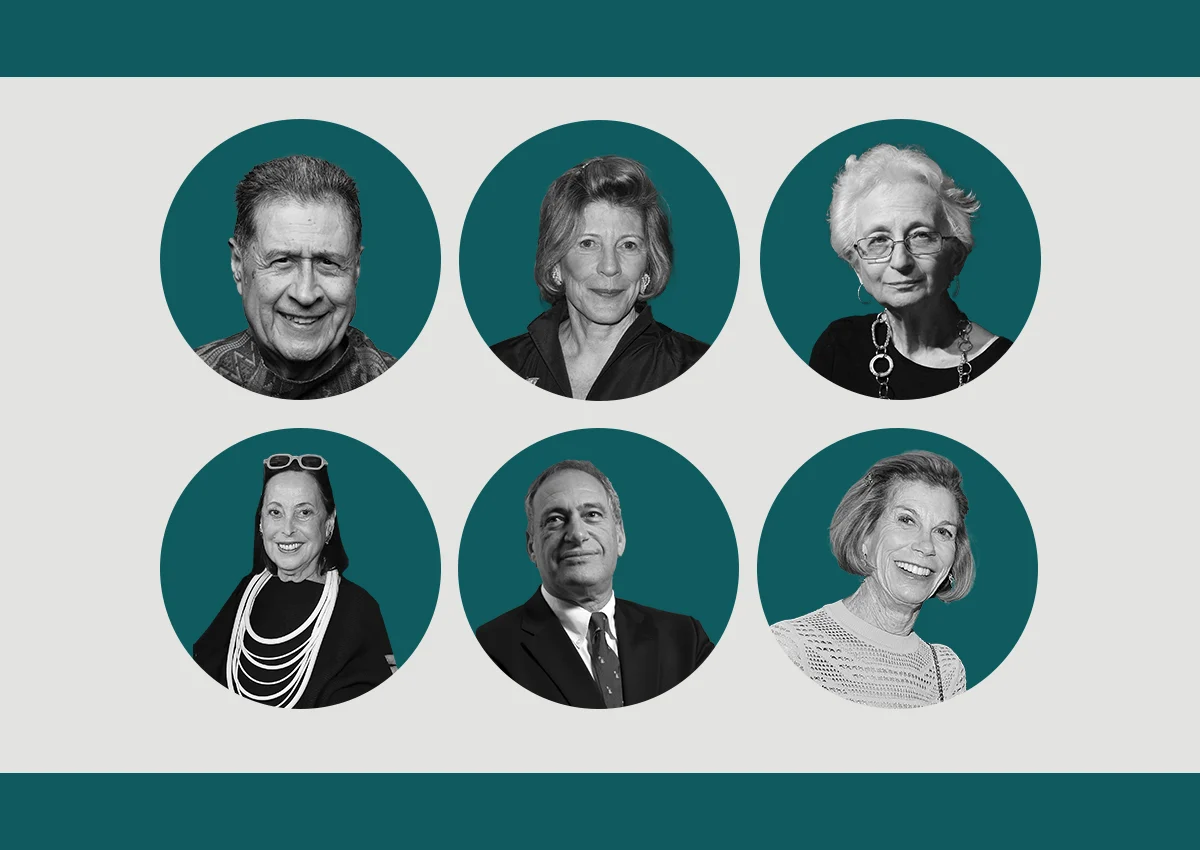
The past twelve months have marked a poignant transition for the international art world. As the cultural sector reflects on the passing of several titans of philanthropy, it is becoming increasingly clear that the legacy of these individuals extends far beyond the monetary value of their acquisitions. They were not merely purchasers of art; they were architects of cultural history. Through their tireless stewardship, decades of dedication, and transformative bequests, Agnes Gund, Barbara Jakobsen, Dorothy Vogel, Susan Marx, John P. Axelrod, and Gilberto Cárdenas reshaped the institutional fabric of the United States.
This report explores the indelible marks these six collectors left on the Museum of Modern Art (MoMA), the National Gallery of Art, the Aspen Art Museum, the Museum of Fine Arts, Boston (MFA), and the Blanton Museum of Art, examining how their personal passions evolved into pillars of public education and historical preservation.
Main Facts: The Pillars of Patronage
The art world operates on a delicate ecosystem of private passion and public access. While museums provide the space for historical dialogue, it is the private collector who often does the heavy lifting of identifying, preserving, and funding the art of their time.

The six collectors highlighted here represent a diverse spectrum of engagement. Some, like Agnes Gund and Barbara Jakobsen, utilized their positions as trustees to steer the strategic direction of MoMA for decades. Others, like the late librarian Dorothy Vogel—who, alongside her husband Herbert, famously built a world-class collection on a modest civil servant’s salary—demonstrated that intellectual rigor and commitment are more vital than sheer financial capital.
The impact of these individuals is measurable in both scale and scope:
- Institutional Stewardship: Trusteeship roles that provided stability and vision to flagship museums.
- The "Vogel Effect": The democratization of collecting, proving that significant art movements can be captured by the dedicated amateur.
- Geographic and Cultural Expansion: The intentional redirection of resources toward underrepresented narratives, particularly the focus of Gilberto Cárdenas on Latinx art.
Chronology of Influence: A Lifetime of Devotion
The influence of these collectors was not an overnight phenomenon; it was a slow, deliberate process of relationship-building and long-term planning.

The Mid-Century Vanguard (1960s–1980s)
During this period, Dorothy and Herbert Vogel began their legendary pursuit of minimalist and conceptual art. Living in a small Manhattan apartment, they used their modest income to acquire works directly from emerging artists, many of whom were not yet recognized by the market. Their collection became a primary source for the National Gallery of Art, filling gaps in the museum’s holdings that curators had long identified but lacked the resources to bridge.
The Institutional Expansion (1990s–2010s)
Agnes Gund and Barbara Jakobsen solidified their roles as the moral and financial conscience of MoMA. During these decades, they championed contemporary voices, ensuring that the museum’s collection kept pace with the rapid shifts in modern art. Simultaneously, Susan Marx became a driving force behind the Aspen Art Museum, turning a regional institution into a significant node for contemporary discourse.
The Era of Legacy and Access (2020s–Present)
The final years of these collectors’ lives were defined by the transfer of their life’s work to the public trust. John P. Axelrod’s massive gift of 700 works to the MFA Boston and Gilberto Cárdenas’s donation of 5,000 works to the Blanton represent the final stage of the collector’s lifecycle: the act of legacy. These donations were not merely tax-deductible transactions; they were carefully curated efforts to ensure that specific stories—be it the history of Latinx creative output or the nuances of diverse aesthetics—would be preserved in perpetuity.

Supporting Data: By the Numbers
The sheer volume of these contributions is staggering, highlighting the dependency that modern museums have on private philanthropy to remain relevant.
| Collector | Institution | Key Contribution/Impact |
|---|---|---|
| Agnes Gund | MoMA | Decades of trustee guidance & acquisition funding |
| Barbara Jakobsen | MoMA | Institutional stability & advocacy |
| Dorothy Vogel | National Gallery | Transformation of postwar art holdings |
| Susan Marx | Aspen Art Museum | Instrumental in institutional growth |
| John P. Axelrod | MFA Boston | 700-piece collection donation |
| Gilberto Cárdenas | Blanton Museum | 5,000 works of Latinx art |
The 5,000-work donation by Gilberto Cárdenas is particularly noteworthy. It represents one of the largest and most comprehensive archives of Latinx art ever to enter a public institution. This collection effectively shifted the Blanton Museum’s ability to represent the American experience, moving the needle from a Eurocentric focus to a more inclusive, hemispheric history.
Official Responses: The Curatorial Perspective
ARTnews consulted with several senior curators and fellow collectors to understand the human dimension of these partnerships.

"To work with someone like Agnes Gund was to work with someone who understood that art is a living thing," remarked a former MoMA curator. "She didn’t just want to buy a painting; she wanted to know the artist, understand the struggle behind the work, and ensure that the museum provided a home for that struggle."
Regarding the Vogel legacy, National Gallery staff have frequently noted that the couple’s collection is perhaps the most significant in the museum’s history because it was built on "love, not investment." By living with the art in their home, the Vogels provided a model for how museums should engage with their own holdings: as a lived experience rather than a static display.
The Blanton Museum has been vocal about the impact of the Cárdenas donation. "This collection has fundamentally altered our curatorial capacity," a representative stated. "It allows us to tell a fuller, more honest story of the 20th and 21st centuries. Without Gilberto’s foresight, these narratives would have remained fragmented."

Implications: The Future of Museum Philanthropy
The passing of these six giants raises an existential question for the art world: Who will step into the vacuum they leave behind?
The Shift Toward Inclusivity
The focus of the late-career donations of these individuals has clearly moved toward rectifying historical omissions. The emphasis on Latinx art and the support of diverse artistic voices suggest that the "Great Collector" model is evolving. Future philanthropists are increasingly judged not by the total dollar value of their holdings, but by the diversity and the cultural necessity of the works they choose to preserve.
The Sustainability Crisis
Museums are currently grappling with rising costs and a shifting demographic of donors. The traditional model of the wealthy trustee, while still vital, is being augmented by community-based collecting initiatives. However, as the data from the MFA Boston and the Blanton demonstrate, institutional excellence remains tethered to the singular vision of the committed collector.

The Ethical Imperative
The legacies discussed here also highlight the importance of "provenance as purpose." By donating their collections to institutions rather than selling them at auction, these collectors have ensured that their acquisitions serve an educational purpose. This creates an ethical standard for future generations of collectors: the responsibility of the private individual to act as a temporary guardian of culture, with the ultimate goal of public stewardship.
Conclusion
As the art world mourns the loss of these six dedicated individuals, the focus must shift to the lasting impact of their contributions. Agnes Gund, Barbara Jakobsen, Dorothy Vogel, Susan Marx, John P. Axelrod, and Gilberto Cárdenas were not just benefactors; they were essential collaborators in the project of cultural history. Their gifts to the Museum of Modern Art, the National Gallery of Art, the Aspen Art Museum, the MFA Boston, and the Blanton Museum of Art ensure that future generations will have the opportunity to engage with the art that defined our era.
The loss is significant, but the foundation they have built is robust. They have provided the institutional memory, the diversity of perspective, and the artistic integrity that will guide the museum world through the next century. Their stories serve as a testament to the fact that when personal passion is wedded to public service, the result is nothing short of transformative.
