

In an era defined by endless digital storefronts and algorithmic recommendations, the act of purchasing has become increasingly passive. For decades, the consumer experience was governed by the limitations of physical geography and the curated stock of local retailers. However, a quiet revolution in consumer psychology is taking hold. Disillusioned by the "paradox of choice" and the mediocrity of mass-market goods, a growing number of individuals are adopting a strategy known as "Self-Centered Shopping."
This methodology shifts the power dynamic from the retailer to the buyer, prioritizing personal requirements over marketplace availability. By flipping the script on how we acquire goods, this approach not only increases individual satisfaction but also serves as a potent antidote to impulse spending and the fatigue of modern consumerism.
The Evolution of the Consumer Paradigm
From Store-Centered to User-Centered
Historically, shopping was a "store-centered" exercise. A consumer would identify a need—a wallet, a piece of furniture, or a tool—and visit a physical store or website. The available inventory in that location functioned as the universe of options. If a product didn’t exist on the shelf, it effectively didn’t exist for the consumer. This forced buyers to settle for the "best available" option rather than the "ideal" option.
This traditional model relied on the assumption that convenience and immediate gratification were the primary metrics of success. However, as global supply chains and the internet have expanded the reach of every buyer, the excuse of "limited selection" has vanished. Today, the constraint is no longer availability; it is the consumer’s own lack of clarity.
"Self-centered shopping" addresses this by demanding that the consumer articulate their specific needs before entering the marketplace. By defining the parameters of a purchase upfront, the shopper transforms from a passive selector into an active hunter, seeking a precise solution to a predefined problem.
A Case Study in Intentionality: The Wallet Problem
To understand the efficacy of this shift, one must examine the common, mundane experience of replacing a worn-out wallet. For thirty years, the standard protocol was simple: wait for a wallet to fail, visit a department store, and select the least offensive option from a display of mass-produced leather goods.
In 2019, this cycle reached a breaking point. The consumer realized that the vast majority of available wallets were designed for an "average" user who didn’t exist. They were bulky, leather-bound, and inefficient. Applying the new "self-centered" framework, the individual drafted a specific list of requirements: slim profile, high-quality material, and sufficient card capacity without the bulk.
The search led them away from mainstream department stores and toward niche, high-performance manufacturers like Tom Bihn. By focusing on function over fashion, the buyer discovered a minimalist wallet that met every criterion. The result was not merely a transaction, but a long-term solution that provided daily utility and psychological satisfaction. This process illustrates the core tenet of the approach: when you know exactly what you want, you stop settling for what is convenient.
The Mechanics of Self-Centered Shopping
The process of self-centered shopping is systematic, disciplined, and intentionally slow. It follows a distinct chronological flow that stands in stark contrast to the rapid, dopamine-driven loops of modern e-commerce.
- Requirement Mapping: Before searching, the consumer writes down the essential functions and aesthetic qualities of the desired item. This prevents the "paradox of choice" from clouding judgment.
- Targeted Scouting: Using the internet as a tool rather than a browsing destination, the consumer searches for products that meet the pre-defined list.
- Vetting and Selection: Unlike traditional shopping, where one chooses the "best of the lot," this method requires finding the one item that fits the criteria. If it doesn’t exist, the search expands, or the criteria are refined—but the consumer does not default to an inferior product.
- Long-term Commitment: The final purchase is treated as a durable investment, often leading to brand loyalty and future repeat purchases.
Data and Implications: Why It Works
Reducing the "Paradox of Choice"
Psychologists have long argued that an excess of options leads to "choice paralysis." When presented with forty identical wallets, the human brain struggles to make an optimal decision, leading to "buyer’s remorse." By pre-defining requirements, the self-centered shopper drastically narrows the field. They are not choosing between fifty items; they are choosing the one item that works. This eliminates the anxiety of wondering if a better option was left on the shelf.
The Financial and Environmental Impact
While this method can initially seem more expensive—as it often prioritizes quality over the lowest price—the long-term financial implications are overwhelmingly positive. By purchasing items that are "perfect" for the user, the frequency of replacement drops. The consumer moves from a cycle of continuous, cheap replacement to a cycle of durable, long-term ownership. Furthermore, the approach acts as a firewall against impulse spending. If a product does not appear on the "requirement list," the desire to purchase it vanishes, as the shopper no longer views retail as a source of entertainment.
Expert Perspectives on Consumer Satisfaction
Industry experts suggest that this shift reflects a broader societal move toward "minimalism" and "conscious consumption." Marie Kondo’s philosophy of items that "spark joy" is not merely an organizational tip; it is a fundamental shift in how we value our physical surroundings.
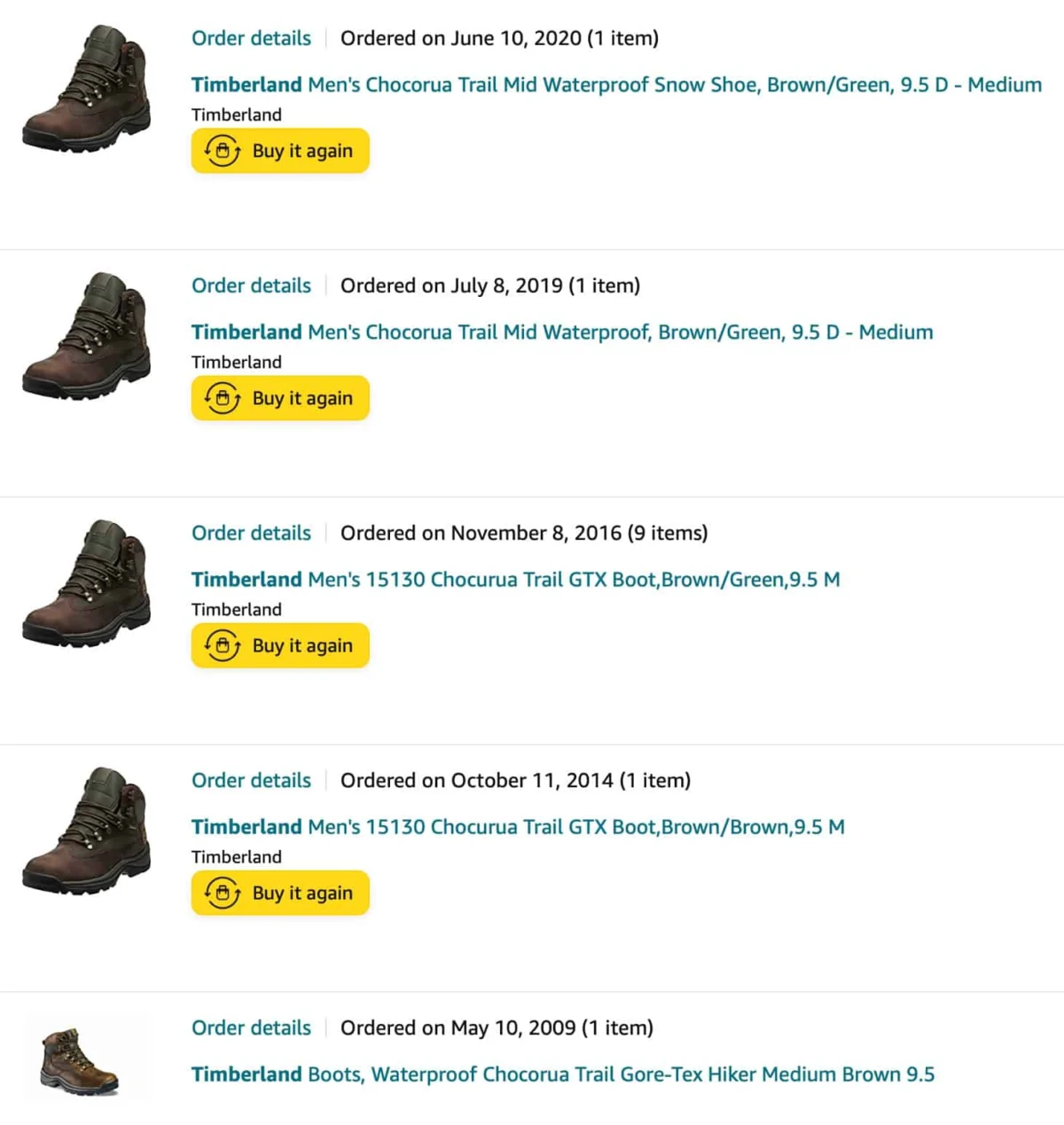
When a consumer spends weeks identifying the perfect desk or the ideal pair of hiking boots, the item carries more than just utility. It carries the weight of the search, the satisfaction of the solve, and the alignment of the object with the user’s personal values. This fosters a relationship with physical objects that is rarely achieved through "fast" consumerism.
Challenges and Considerations
Critics of this approach might argue that it is time-consuming and elitist. Not everyone has the luxury of spending weeks researching a wallet or a desk. However, proponents of self-centered shopping argue that the time spent in research is "time reclaimed." It is the time one would have otherwise spent wandering through retail stores, dealing with the consequences of poor-quality items that need frequent replacement, or managing the clutter of unwanted purchases.
Furthermore, the barrier to entry is lower than ever. The existence of global search engines, specialized forums, and direct-to-consumer manufacturing means that the "perfect" version of almost any object is accessible to anyone with an internet connection.
Future Outlook: A New Standard for Quality
As we look toward the future of retail, the "self-centered" model may become the gold standard for high-functioning individuals. It requires a departure from the "consumer-as-victim" mentality, where we are at the mercy of whatever a local shopkeeper decides to stock. Instead, it empowers the individual to curate their life with the same precision with which they manage their professional or financial affairs.
The implications for the retail sector are significant. Companies that succeed in the coming decade will be those that provide high-quality, purpose-built goods that solve specific problems, rather than those that rely on volume and wide-distribution of generic "thneeds."
Ultimately, this is a transition from shopping as a hobby to shopping as a deliberate act of design. When we put ourselves first—not in an act of selfishness, but in an act of self-awareness—we create a world where our tools serve us, our possessions bring us joy, and our consumption habits reflect the intentional lives we strive to lead.
