

For two decades, the U.S. shale revolution—a geological and technological masterstroke that transformed the United States into the world’s preeminent energy superpower—served as a tantalizing blueprint for the rest of the world. While many nations watched from the sidelines, Australia spent years eyeing its own vast, sparsely populated interior, wondering if the "shale miracle" could be replicated in the ancient rock formations of the Northern Territory.
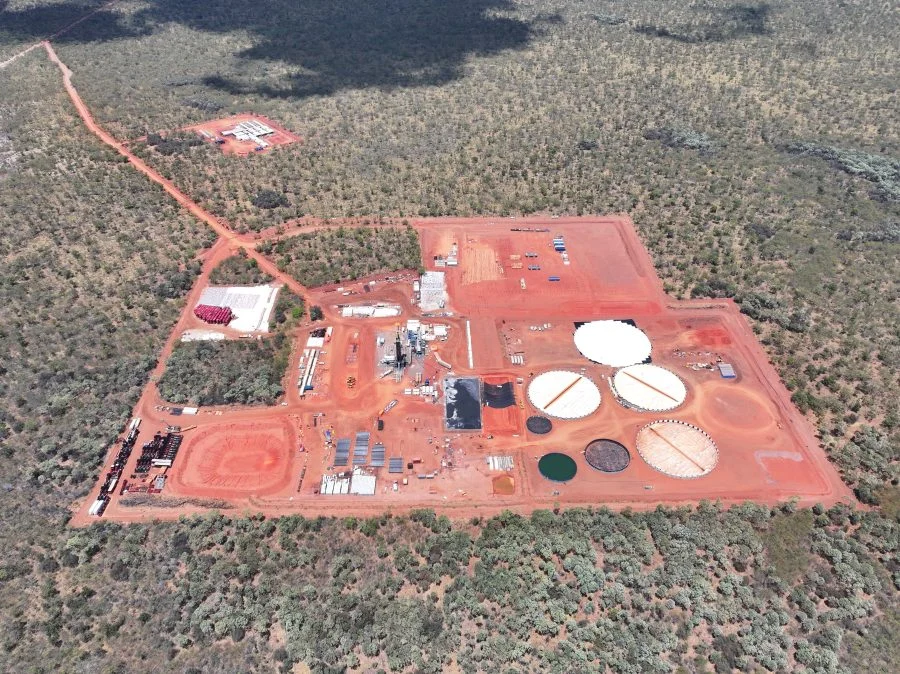
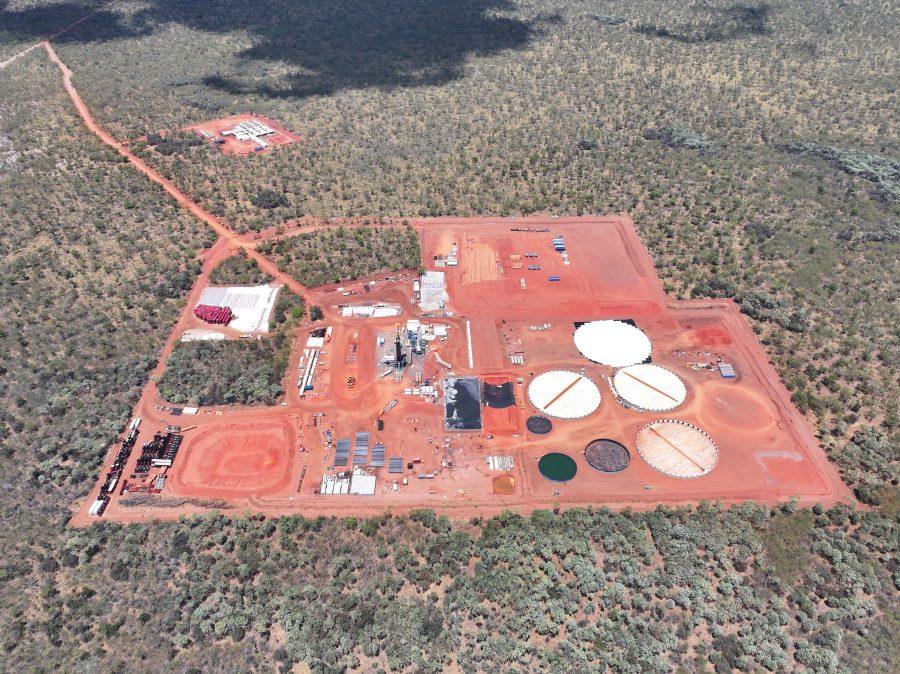
In September, that speculation finally gave way to reality. For the first time in history, commercial natural gas began flowing from the Beetaloo Basin to the energy-hungry Northern Territory. This achievement marks more than just a successful drilling project; it represents the culmination of a decade-long saga of engineering perseverance, cross-continental corporate maneuvering, and the aggressive application of the American "fracking recipe" to the Australian outback.
The Genesis: A Dream Deferred
The history of the Beetaloo Basin is littered with the ghosts of failed ambition. In 1979, a routine minerals drilling program triggered an accidental gas blowout, signaling that the region held potential. Yet, subsequent efforts by global giants like Amoco (later acquired by BP) in 1984 yielded dry holes. For years, the basin remained an enigma—geologically promising, yet technically impenetrable.
The problem was not the geology, but the methodology. While U.S. shale operators were busy perfecting horizontal drilling and slickwater hydraulic fracturing—a technique using a high-pressure mix of water, sand, and friction-reducing chemicals to shatter dense rock—Australian operators were still struggling with legacy techniques. They were essentially trying to unlock 1.3-billion-year-old shale with the wrong set of keys.
The pivot began in 2013, when the Sydney-based startup Tamboran Resources appointed a veteran of ExxonMobil and Chevron as its CEO. By 2014, Texas oil legend Scott Sheffield had joined the board of the Australian gas player Santos. Sheffield, who saw in the Beetaloo a striking resemblance to the prolific Marcellus Shale of the Appalachian region, began evangelizing the potential of the basin.
However, the path to commercialization was anything but smooth. A series of political and environmental hurdles—including a Northern Territory-wide moratorium on fracking from 2016 to 2018—stalled progress. When the COVID-19 pandemic arrived, global exploration budgets evaporated, and the Beetaloo fell into a state of suspended animation.
Chronology of the Beetaloo Breakthrough
The transformation of the Beetaloo from a dormant reserve to a producing asset can be traced through several critical inflection points:
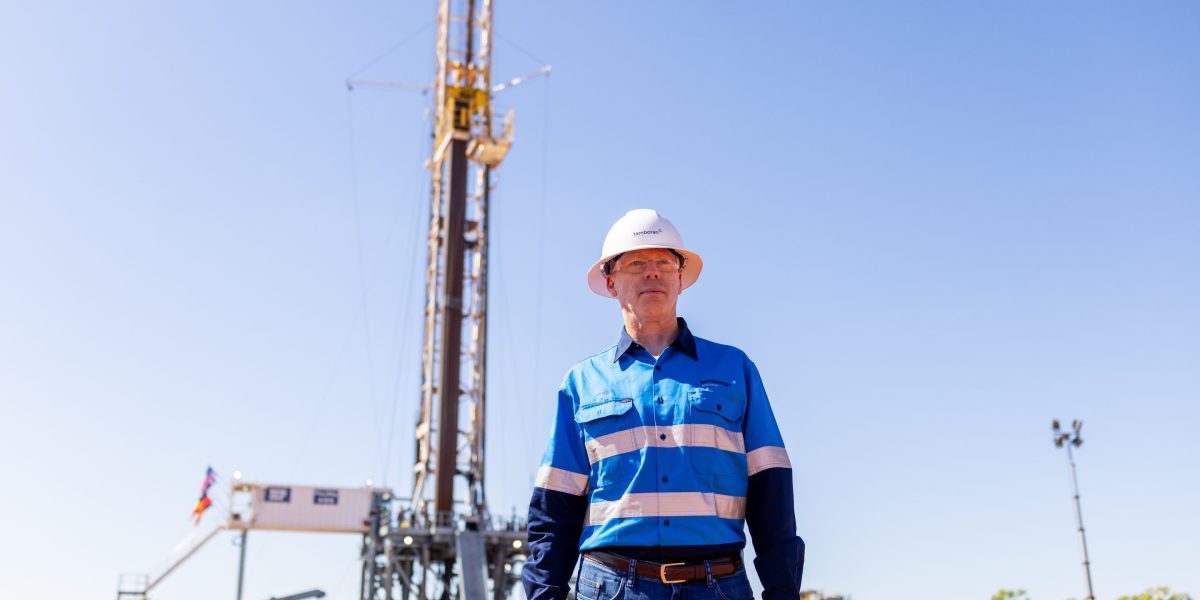
- 2014: The arrival of American expertise. Industry leaders like Dick Stoneburner, a pioneer of the Eagle Ford Shale, joined the board of Tamboran. Simultaneously, Santos began testing modified shale techniques, though results were hampered by outdated equipment.
- 2016–2018: The "Dark Years." The Northern Territory imposes a moratorium on hydraulic fracturing, effectively halting all investment and exploration.
- 2022: The Origin Energy Deal. Following the pandemic, Bryan Sheffield—son of Scott Sheffield and a veteran of the U.S. shale boom—recognized that the basin was ready to be unlocked. With his firm, Formentera Partners, he spearheaded an acquisition of acreage from Australian utility giant Origin Energy. This deal, valued at over $40 million, shifted the momentum in favor of the American-led consortium.
- 2023–2024: The Infrastructure Phase. Recognizing that "if you build it, they will come," the consortium invested in building local processing plants and pipelines. They successfully recruited top-tier U.S. oilfield service providers, including Helmerich & Payne (H&P), Baker Hughes, and Liberty Energy.
- September 2026: First Gas. The Shenandoah South pilot project goes online, marking the first commercial gas deliveries from the Beetaloo.
Engineering the Solution: The American "Secret Sauce"
The fundamental challenge in the Beetaloo was not just the drilling—it was the industrial ecosystem. As Dick Stoneburner noted, local Australian rigs were built for conventional exploration, lacking the wider diameters and high-pressure capabilities required for modern slickwater fracking.
The solution required a logistical feat: convincing American service companies to export their high-specification equipment to the Australian bush. Bryan Sheffield and his team succeeded by pitching the Beetaloo not as a risky experiment, but as a "once-in-a-lifetime" opportunity to establish a dominant position in a new, untapped basin.
The arrival of a Liberty Energy fracking spread and high-spec H&P rigs changed the game. These tools allowed for the high-pressure, precise fracturing that the basin’s dense, ancient rock required. With the addition of a newly constructed pipeline and processing facility, the "bottleneck" that had defined the Beetaloo for decades was finally cleared.
Supporting Data and Strategic Partnerships
The financial architecture supporting this development is as complex as the engineering. Tamboran, now the largest acreage holder in the basin, has successfully attracted international interest. Japan’s INPEX, a major player in Asia-Pacific energy, joined as an investor, signaling that the Beetaloo is viewed as a vital future supply node for the Asian LNG market.
Despite the recent success, the financial road ahead remains challenging. Tamboran’s financial reports have recently flagged the company as a "going concern," a common designation for early-stage energy projects that have yet to achieve consistent profitability. The company is currently producing 40 million cubic feet of gas per day, with plans to scale to 100 million by 2028.
The shift in leadership has been intentional. In January, the company hired Todd Abbott, a veteran of the Pioneer Natural Resources era, to steer the ship. "First production is a milestone, but it’s the starting line," Abbott noted, emphasizing that the company is currently seeking a long-term strategic partner to help fund the massive capital expenditure required for full-scale development.
Implications for Energy Security
The timing of the Beetaloo’s emergence could not be more fortuitous. The ongoing conflicts in the Middle East have effectively sidelined Qatar, one of the world’s largest LNG exporters, leaving a massive supply gap in the global market. With Australia’s traditional offshore gas fields entering a period of natural decline, the Beetaloo has suddenly shifted from a "fringe" prospect to a pillar of national energy security.
"Energy security is national security," Abbott remarked. His assessment highlights a growing realization among policymakers: Australia cannot afford to rely on depleting offshore assets. By tapping into onshore shale, Australia is positioning itself to provide a more stable, cost-effective energy source to its Asian neighbors. Because of the shorter shipping distances between northern Australia and key Asian hubs compared to the U.S. Gulf Coast, the Beetaloo possesses a natural competitive advantage in transportation costs.
The Road Ahead: A New Era?
As the "Field of Dreams" approach continues to pay off, the focus shifts to sustainability and scale. The Beetaloo must prove it can be economically viable over the long term, moving beyond the pilot phase into a sustained, large-scale production cycle.
For Bryan Sheffield, the journey has been a vindication of his conviction. "This play keeps coming up. This is three times," he said, reflecting on the persistence of the Beetaloo in his professional life. Whether it was the initial interest from his father, the early moves by Aubrey McClendon, or his own subsequent leadership, the basin seems destined for development.
The success of the Beetaloo serves as a powerful reminder of the global reach of the shale revolution. It proves that the "American formula"—a combination of aggressive private equity, advanced horizontal drilling technology, and a willingness to build out supporting infrastructure—can be successfully exported. As the wells in the Northern Territory ramp up, the Beetaloo is poised to change the face of the Australian energy landscape, ensuring that the country remains a key supplier in a world hungry for natural gas.
However, the work is far from finished. With drilling plans extending toward 2030 and a search for new strategic partners underway, the "outback shale" story is only in its opening chapter. Whether the basin can fulfill its promise to supply the entire domestic market and eventually feed the hungry LNG export terminals of Darwin and Gladstone remains the multi-billion dollar question. For now, the gas is flowing, the rigs are turning, and the American oilmen who bet on the outback are beginning to see their long-held vision become a reality.
