

In an era defined by hyper-accelerated digital trends and the pervasive influence of artificial intelligence on consumer behavior, the traditional celebrity endorsement model is rapidly losing its luster. For decades, the fashion industry relied on a straightforward formula: pay a celebrity, have them pose in high-gloss photography, and leverage their reach to move seasonal inventory. However, a seismic shift is underway, one that prioritizes authentic “cultural co-authorship” over transactional visibility.
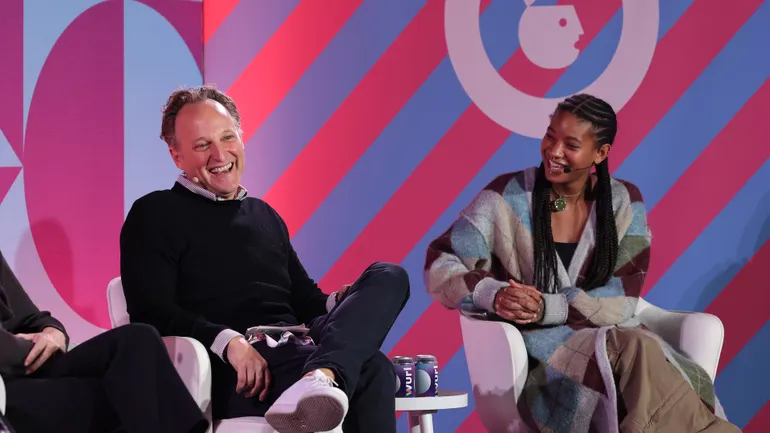
This evolution was on full display at this year’s Advertising Week New York, where representatives from Free People and United Talent Agency (UTA) unpacked the unconventional collaboration behind the brand’s Fall 2026 campaign featuring the multihyphenate artist, Willow. By moving beyond the static nature of traditional brand ambassadorship, the partnership serves as a case study for how legacy brands can remain relevant by surrendering creative control to the very artists they seek to represent.
Main Facts: A Partnership Built on Trust, Not Just Contracts
The collaboration between Free People and Willow was not a standard contractual agreement. Instead, it was designed as an integrated creative project where the artist’s own professional milestones—such as a new record release and live performance content—became the backbone of the brand’s seasonal identity.
For Free People, an Urban Outfitters-owned label historically associated with a specific bohemian aesthetic, the goal was to pivot away from the “transactional deals” that often clutter the fashion landscape. According to Samantha Tacón of UTA, who helped architect the deal, the objective was to support Willow as an “artist with a capital A,” rather than treating her as a mere vessel for advertising.
The result was a multi-faceted campaign that included a highly stylized, nature-inspired performance video, a record release party, and ongoing activations. Central to this success was the decision by Free People’s Chief Marketing Officer, Jack Reynolds, to cede significant creative agency to Willow and her team. The brand moved away from a rigid, pre-defined marketing brief, opting instead to listen to the artist’s vision and integrate her musical identity into the fabric of the brand’s fall narrative.
Chronology: The Evolution of the Collaboration
The partnership did not emerge overnight; it was a process of mutual alignment that prioritized long-term cultural integration over immediate sales spikes.
- Early Engagement: Willow, a long-time fan of the brand since childhood, identified Free People as a potential partner that aligned with her aesthetic and personal history.
- The Creative Pitch: Unlike traditional campaigns where a brand dictates the concept, the initial phase involved a series of deep-dive meetings where Free People leadership met Willow’s team, listened to her upcoming music, and absorbed her creative vision.
- The October 7 Reveal: During Advertising Week New York, the collaboration was formally presented as a shift in industry philosophy, with both the artist and the brand executives discussing the nuances of their “co-authorship.”
- The Philadelphia Activation: On October 8, the partnership moved from the digital screen to a live setting, with Willow performing at Free People’s corporate headquarters in Philadelphia, signaling that the relationship was not merely a seasonal campaign but an ongoing cultural dialogue.
- Open-Ended Future: Both parties have confirmed that the partnership has no defined end date, choosing to let the relationship evolve organically rather than forcing it into a quarterly marketing cycle.
Supporting Data: Why Authenticity Drives Modern Marketing
The push toward co-authorship comes as brands face an increasingly skeptical consumer base. In a digital environment where AI-generated content can make anything look “perfect,” consumers are gravitating toward brands that show signs of human collaboration and vulnerability.
Recent industry data suggests that “creator-led” campaigns—where the talent is involved in the product design or the creative strategy—consistently outperform traditional advertisements in engagement metrics. For example, brands that allow influencers to co-create products or narratives see higher conversion rates among Gen Z and Millennial demographics. These consumers are hyper-sensitive to “sell-out” behavior; they prioritize brands that appear to support the artist’s genuine career trajectory rather than those that simply co-opt a musician’s image for a few months.
Free People’s approach addresses this by providing a platform for Willow’s art, which in turn brings a new, more diverse audience to the brand. By opening the door to Willow’s fan base—which includes Black girls who may not have traditionally identified with the brand’s bohemian-leaning marketing—Free People is effectively expanding its market share through genuine community resonance rather than aggressive, top-down advertising.
Official Responses: Ceding Control to Gain Connection
The philosophy of “letting go” was a recurring theme in the discussions held by CMO Jack Reynolds and Willow during the Advertising Week panel.
“The position we had to take was less about giving something up and more about who we were giving it to,” said Reynolds. He acknowledged that while many CMOs fear losing control over the brand image, the risk is necessary in a modern context. “If you give rigid, you get rigid. At some point, you just have to trust it.”
Willow, for her part, emphasized the importance of being treated as a collaborator rather than a product. “I’ve been in this industry for a long time, and so I feel like I’m very sensitive to what my limits are,” she noted. “There was a really good balance, and I was actually surprised by how far I could spread my wings.”
Her sentiment reflects a growing demand among top-tier talent for agency. Artists are no longer satisfied with being the “face” of a brand; they want to be the architects of the narrative. When brands provide that space, the output is inevitably more authentic.
Implications: The Future of Cultural Co-Authorship
The implications of this collaboration are profound for the fashion and retail sectors. As Samantha Tacón of UTA noted, “Cultural co-authorship is where the future is headed.” For brands, this requires a fundamental shift in how they view talent. Instead of viewing influencers and artists as “hired guns,” companies must begin to view them as strategic partners.
The Financial Dimension
Tacón emphasized that the conversation around money should happen early. When financial transparency and mutual respect for the artist’s craft are established at the outset, it prevents the relationship from becoming a mere transaction. However, as Willow pointed out, the financial support is only one piece of the puzzle. “Artists just want to be seen and respected for what they individually bring to the table,” she stated. “I’m not a product. I’m a human being, and I should be treated as such.”
The “Square Peg, Round Hole” Problem
The traditional marketing model—forcing a brand’s message onto an artist—often fails because it feels unnatural to the audience. By allowing Willow to lead on her artistic output and providing the resources to scale that vision, Free People avoided the “square peg into a round hole” trap. The result was a seamless blend where the clothing felt like a natural extension of the music, rather than an intrusion.
The Path Forward for Brands
For other brands looking to emulate this success, the lesson is clear:
- Stop the Rigid Briefs: Allow creators the space to interpret the brand through their own lens.
- Long-Term Engagement: Avoid the “one-and-done” campaign. Cultural relevance is built through consistent, iterative collaboration.
- Humanity Over Aesthetics: Prioritize the artist’s personal brand and values. If the ethos of the artist aligns with the brand’s core mission, the creative output will naturally feel authentic.
- Embrace Risk: As Willow noted, “If you’re not taking a little bit of a risk, we’re not moving forward or trying anything new.”
In conclusion, the partnership between Free People and Willow serves as a blueprint for a future where brands and creators share the mantle of authorship. By prioritizing the artist’s creative integrity, Free People has managed to capture something far more valuable than a high-performance ad campaign: they have captured trust, community, and the potential for a lasting, meaningful cultural connection that will likely redefine their brand identity for years to come.
