

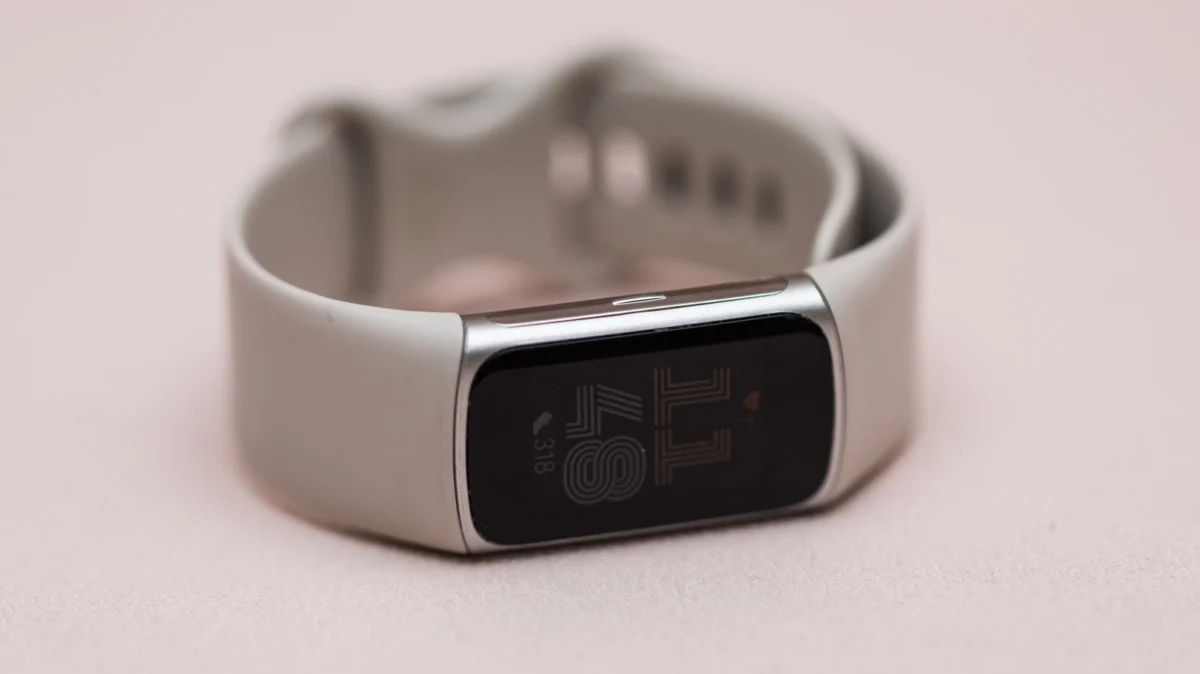
The wearable technology landscape is set to shift once more as Google officially confirms the upcoming arrival of its latest fitness-focused device: the Fitbit Edge. Following weeks of industry speculation, leaked marketing assets, and a breadcrumb trail of cryptic social media posts, Google has signaled that its next hardware announcement is imminent. Scheduled for a reveal on October 12, 2026, the Fitbit Edge is positioned as a pivotal middle-ground device, designed to slot perfectly between the minimalist, screenless Fitbit Air and the sophisticated, feature-rich Pixel Watch 5.
The Official Tease: A New Direction for Fitbit
The confirmation came via Google Health’s official channels on Instagram and X (formerly Twitter). The company shared a teaser image focusing on the device’s hardware—specifically highlighting a sleek, tactile side button—accompanied by the pithy, evocative caption: "Get an Edge on your health. 10.12.26."
This calculated marketing move serves two purposes: it effectively ends the guessing game regarding the product’s nomenclature and sets a firm date for the public to learn about the device’s full feature set. By leaning into the "Edge" branding, Google is signaling a departure from the traditional "Charge" series naming convention, suggesting a new design language or a refreshed philosophy on how users interact with their biometrics.
A Chronology of the Leak
The path to this October reveal has been anything but linear. The journey of the Fitbit Edge began long before the official teaser, characterized by a steady drip of information that kept the tech enthusiast community buzzing throughout the late summer and early autumn.
- August 2026: The first glimpse of the device appeared in an unexpected place. 9to5Google identified an unidentified, stylish fitness tracker appearing in promotional materials for the Google Pixel 11 smartphone. At the time, it was unclear if this was a prototype or a placeholder, but it confirmed that a new form factor was in active development.
- Early October 2026: The intensity of the leaks reached a fever pitch when Android Headlines published a series of renders and high-resolution images. These leaks not only provided a 360-degree look at the tracker’s aesthetic but also hinted at a suite of integrated apps and health-monitoring algorithms.
- The Dealabs Report: Shortly after the Android Headlines leak, French publication Dealabs added critical substance to the rumors, providing a deep dive into the technical specifications, regional pricing, and battery performance metrics. This report effectively solidified the "Edge" as a high-performance, mid-range contender rather than an entry-level budget device.
- October 9, 2026: Google officially validates the reports, confirming the name and the October 12 release date through its social media presence.
Technical Specifications and Market Positioning
The Fitbit Edge is widely expected to be the most "balanced" device in Google’s current wearable portfolio. While the Fitbit Air caters to those who want passive tracking without the distraction of a screen, and the Pixel Watch 5 targets the power user looking for a smartphone-on-the-wrist experience, the Edge targets the "fitness-first" demographic.
Hardware and Design
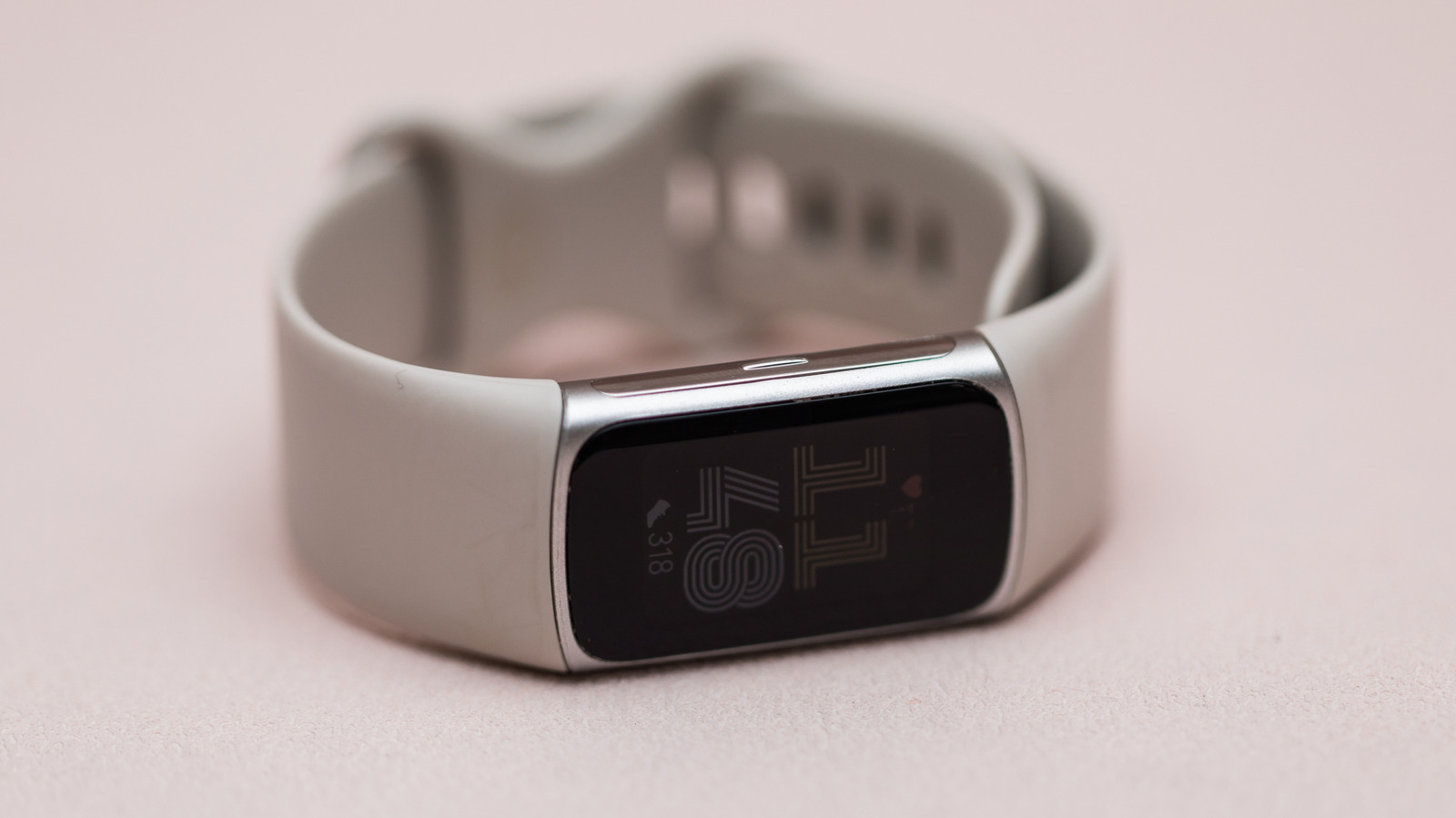
Based on the leaked technical documentation, the Edge will feature an improved display interface, likely utilizing a high-brightness OLED panel that maintains visibility under direct sunlight. The inclusion of a physical side button—a feature that was highly lauded on the legacy Fitbit Charge 6—suggests that Google is listening to user feedback regarding the frustrations of relying solely on touch-based navigation during intense workouts.
Battery Life: Efficiency vs. Features
One of the most significant metrics revealed in the Dealabs report pertains to power management. The device is expected to offer a dual-mode battery experience:
- Standard Mode: Up to seven days of battery life, assuming the always-on display (AOD) is toggled off.
- Performance Mode: Two days of battery life with the AOD activated, allowing for constant glanceability of health stats.
This flexibility is crucial. In a market where competitors often force users to choose between longevity and functionality, Google appears to be aiming for a "best of both worlds" scenario.
Pricing Strategy
The projected pricing places the Fitbit Edge in a competitive bracket. With an anticipated European price point of approximately €179, industry analysts estimate a US retail price of around $180. This puts it at a significant premium compared to the $99 Fitbit Air, but keeps it comfortably below the flagship Pixel Watch series. This pricing strategy is intended to capture the "prosumer" athlete who wants accurate heart rate, SpO2, and sleep tracking without paying for the smartwatch features they may not utilize.
Implications for the Google Health Ecosystem
The release of the Fitbit Edge is not merely about hardware; it is a tactical play to bolster the Google Health Premium ecosystem. By introducing a device that acts as a bridge, Google is creating a seamless "on-ramp" for users to transition from basic tracking to more detailed, data-driven health insights.
Subscription Integration
The Fitbit Edge is expected to come with a promotional period for Google Health Premium, which provides deep-dive analytics on stress management, readiness scores, and personalized workout recommendations. Google is clearly hoping that once users experience the depth of data provided by the Edge, they will find the recurring subscription fee indispensable.
Strengthening the Brand Identity
Since the transition of Fitbit into the broader Google ecosystem, there has been a lingering question regarding how the two brands would coalesce. The Fitbit Edge represents a mature stage of this integration. It utilizes Google’s design aesthetics and cloud infrastructure while maintaining the classic, utilitarian spirit of the Fitbit brand. If successful, the Edge could prove to be the definitive fitness tracker of 2026, setting the standard for how wearable devices should balance form, function, and subscription-based value.
What to Expect on October 12
As the industry prepares for the formal unveiling, the questions remaining are largely focused on software integration. Will the Edge utilize the latest version of Wear OS, or will it run a proprietary, low-power Fitbit operating system? How deeply will it integrate with the Pixel 11’s AI-powered health coaching features?
The "Edge" moniker itself may also hint at software-level features—perhaps "Edge AI" processing, where health data is analyzed locally on the device rather than in the cloud, offering users greater privacy and faster feedback loops.
As we look toward October 12, the sentiment among analysts is one of cautious optimism. Google has successfully generated significant momentum through a well-orchestrated leak-to-tease cycle. Now, the company must deliver a product that lives up to the anticipation. If the Fitbit Edge can provide the promised seven-day battery life, a responsive interface, and a robust health-tracking suite, it will likely secure its place as a cornerstone of the Google hardware lineup for years to come.
For the everyday user, this means the choice of wearable is becoming more refined. The Fitbit Edge is shaping up to be more than just a tracker—it is a specialized tool for those who take their health metrics seriously, providing an "edge" in a crowded and increasingly sophisticated fitness market.
