

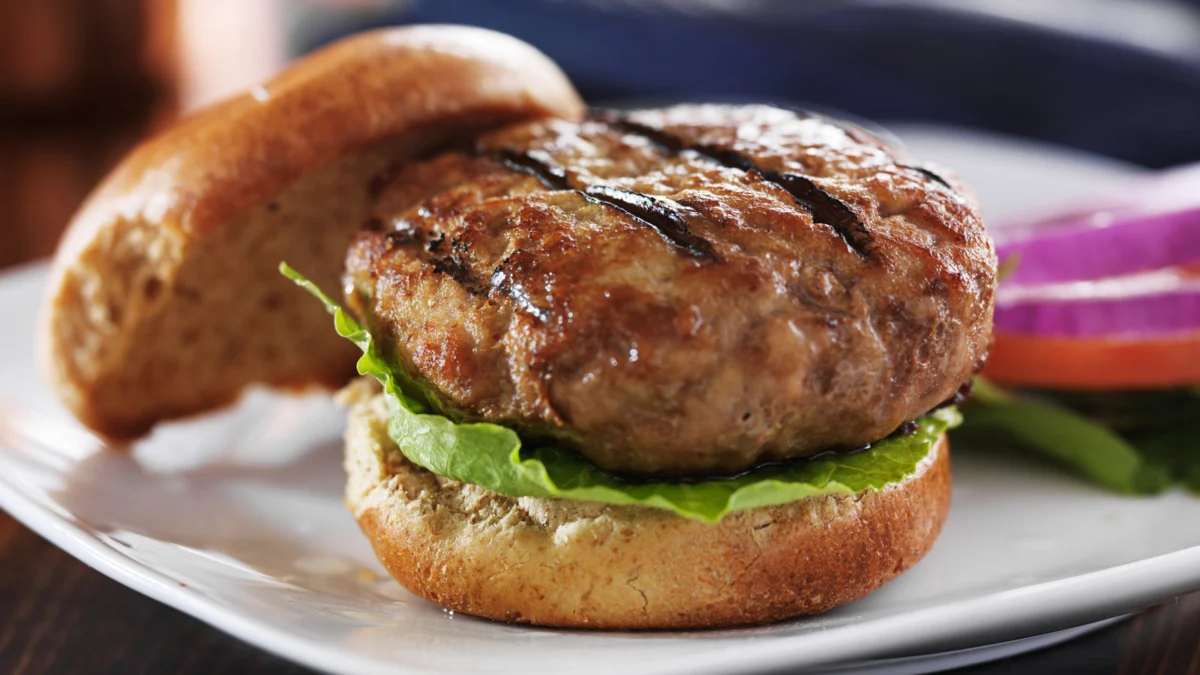
In the vast, competitive landscape of American comfort food, the humble burger remains king. From the backyard charcoal grill to high-end gastropubs, the quest for the "perfect" patty is an endless pursuit of flavor, texture, and structural integrity. While chefs have long experimented with high-quality beef blends, dry-aging, and artisanal toppings, a new trend is emerging that focuses on the interior. The secret to an elevated, restaurant-quality experience isn’t a premium condiment or a fancy bun; it is a simple, creamy ingredient hidden right at the heart of your ground meat: cream cheese.
Main Facts: The Anatomy of a Cream-Stuffed Patty
At its core, the concept is an evolution of the famous "Juicy Lucy," a Minnesota-born tradition that involves stuffing a hamburger with melted cheese. However, by substituting traditional American or cheddar slices with cream cheese, home cooks are discovering a significantly superior result in terms of texture and moisture retention.
Cream cheese possesses a unique chemical composition that makes it an ideal stuffing agent. Unlike hard cheeses that liquefy into a thin oil, cream cheese maintains a thick, velvety consistency when heated. This acts as a reservoir of moisture within the burger, effectively "basting" the meat from the inside out as it cooks. When the heat hits the patty, the fat in the cream cheese slowly integrates with the juices of the ground beef, turkey, or bison, resulting in a burger that is impossible to dry out.
The technique is deceptively simple: take a portion of ground protein, flatten it, place a dollop of cold cream cheese in the center, and fold the meat edges over to seal it completely. Alternatively, sandwiching the cheese between two thin, hand-formed discs creates an even distribution. The result is an "ooey, gooey" center that provides a decadent contrast to the charred, savory exterior of the patty.
Chronology: From Party Dips to Culinary Mainstay
The journey of cream cheese into the center of a burger did not happen overnight. Historically, cream cheese was relegated to the realm of breakfast bagels or appetizer-style cheeseballs served at social gatherings.
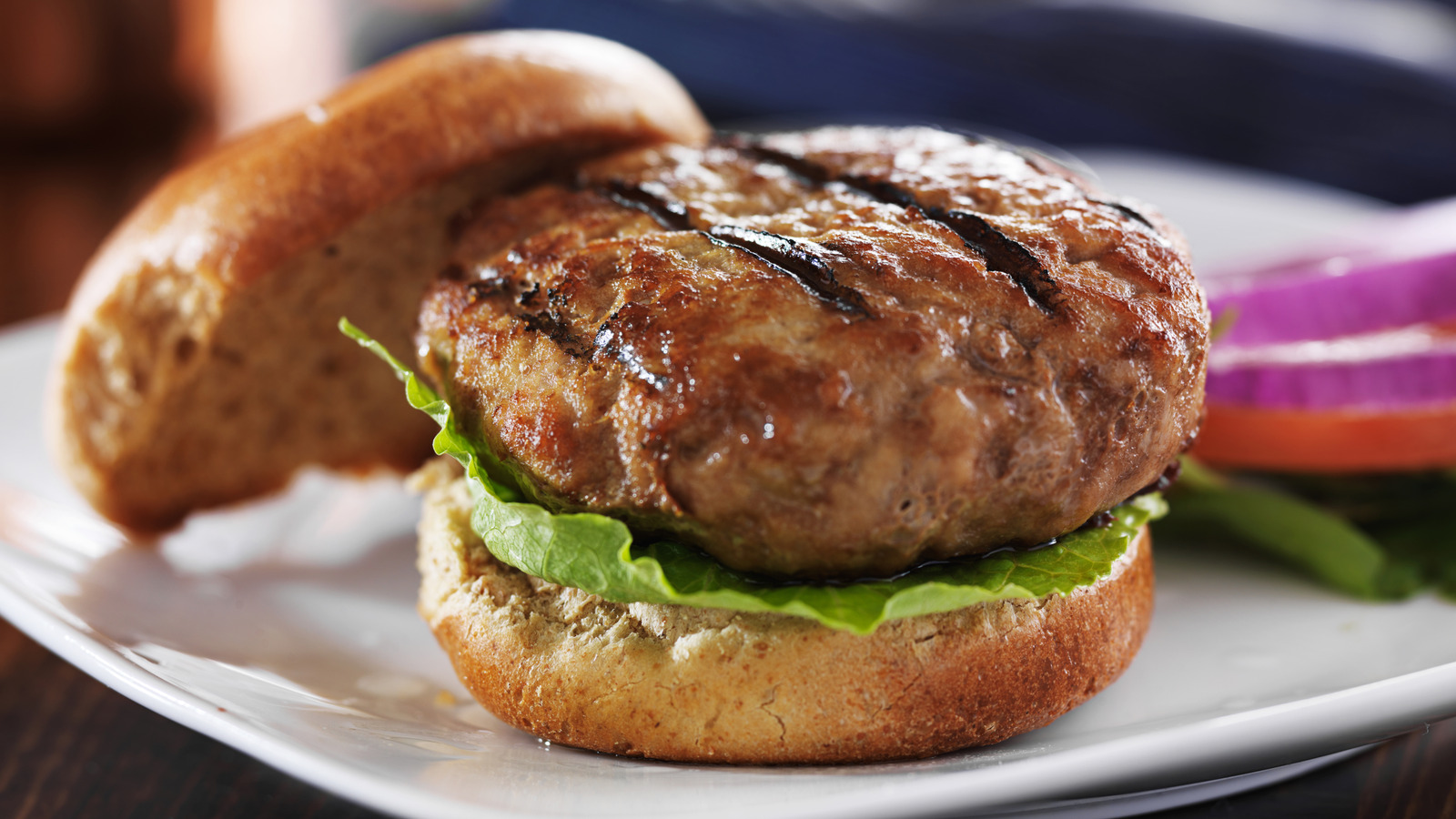
- The Early Days (1950s–1980s): Cream cheese became the bedrock of the "holiday party dip" era. It was during this time that cooks began experimenting with mixing herbs, garlic, and bacon into blocks of cream cheese to serve as spreads.
- The "Juicy Lucy" Influence (1950s–Present): The Minneapolis-based tradition of the cheese-stuffed burger paved the way for the "stuffed patty" movement. As food media expanded, adventurous chefs began looking for ways to improve upon the classic cheddar-filled burger, which often suffered from leakage and oily textures.
- The Modern Pivot (2010s–Present): With the rise of food blogging and social media, the "hidden ingredient" hack gained traction. Influencers and home chefs began sharing the "cream cheese hack" as a way to make leaner meats—like turkey and chicken—tastes as rich and indulgent as 80/20 ground beef.
- Current State: Today, this technique has moved from niche culinary hacks to mainstream recommendations in professional kitchen test labs, recognized for its ability to bridge the gap between simple home cooking and gourmet flair.
Supporting Data: Why It Works Chemically
Culinary science provides a compelling argument for the cream cheese stuffing method. When grilling lean meats like bison or ground turkey, the primary struggle is moisture loss. Muscle fibers in these meats contract tightly under high heat, squeezing out moisture.
Cream cheese, which typically contains 33% milkfat, acts as a heat buffer. Because it has a high water-to-fat ratio and a specific melting point, it stays viscous longer than processed cheese. Furthermore, the protein in the cream cheese helps bind the internal juices of the meat, creating a self-basting environment.
For those watching their fat intake, the data on Neufchâtel is equally compelling. Neufchâtel, which is often mistaken for cream cheese in the grocery aisle, contains about 23% fat compared to the 33% found in standard cream cheese. It offers the same structural benefits but provides a lighter mouthfeel, making it the preferred choice for those working with ground poultry or game meats.
Official Perspectives and Culinary Best Practices
While many home cooks dive straight into the grill, professional chefs emphasize that the "stuffing" process requires specific handling to be successful.
The Importance of Temperature Control
The most frequent error in preparing stuffed burgers is the melting of the filling before the meat is cooked through. Experts strongly advise "tempering" the filling. By chilling the cream cheese dollops in the freezer for 15–20 minutes before inserting them into the meat, the chef ensures the cheese remains solid during the first few minutes of searing. This allows the meat to reach a safe internal temperature without the "cheese blowout" that ruins the structural integrity of the burger.
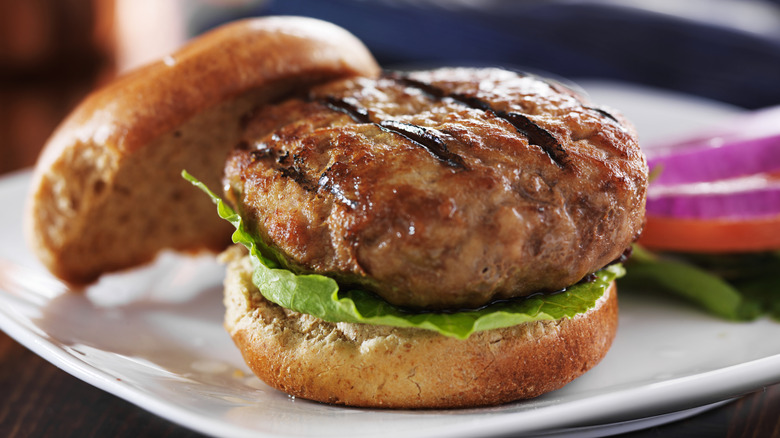
Customization and Flavor Profiles
Professional kitchens often view the cream cheese not just as a textural element, but as a flavor delivery vehicle.
- Herbed Profiles: Mixing fresh chives, dill, or parsley into the cream cheese can elevate a standard beef burger into something reminiscent of a bistro dish.
- Savory Additions: Chopped capers, caramelized onions, or even bits of crispy bacon can be folded into the cream cheese. Because the cheese is a fat-based medium, it effectively carries and distributes these flavors throughout the patty.
- The "Holiday" Shortcut: In a professional pinch, using a pre-prepared, high-quality cheeseball as a filling is a widely accepted "hack." These products are already balanced with aromatics, saving the cook time while guaranteeing a complex flavor profile.
Implications: The Future of the "Elevated" Home Burger
The popularity of the cream-cheese-stuffed burger signifies a broader shift in consumer behavior: the "premiumization" of the home kitchen. As dining out becomes increasingly expensive, consumers are seeking ways to replicate the "wow factor" of high-end burger bars within their own homes.
This trend has several long-term implications for the food industry:
- Increased Sales of Specialty Dairy: Retailers may see a rise in demand for flavored cream cheeses and gourmet spreads, as consumers look for easy ways to customize their homemade burgers.
- Leaner Meat Consumption: By using the cream cheese hack, consumers are more likely to purchase leaner, more sustainable proteins (like turkey or bison) without feeling as though they are sacrificing the "juiciness" that beef provides.
- Creative Menu Planning: As this technique becomes more common, we can expect to see it appearing on the menus of casual dining chains, likely marketed as "stuffed" or "gourmet-core" burgers.
Conclusion: A Simple Upgrade with Lasting Impact
The beauty of the cream-cheese-stuffed burger lies in its accessibility. It requires no expensive equipment, no culinary degree, and no hard-to-find ingredients. It is a democratization of luxury, proving that a high-end dining experience is often just a matter of technique rather than a high price tag.
Whether you are a seasoned grill master or a novice cook looking to impress your dinner guests, the addition of a cold, creamy core to your patty offers a sensory experience that standard slices simply cannot match. It is a reminder that in the world of cooking, the most significant innovations are often hiding in plain sight—or in this case, hidden inside the meat itself. So, the next time you fire up the grill, skip the cheddar on top and look to the cream cheese inside. Your taste buds will thank you.
