

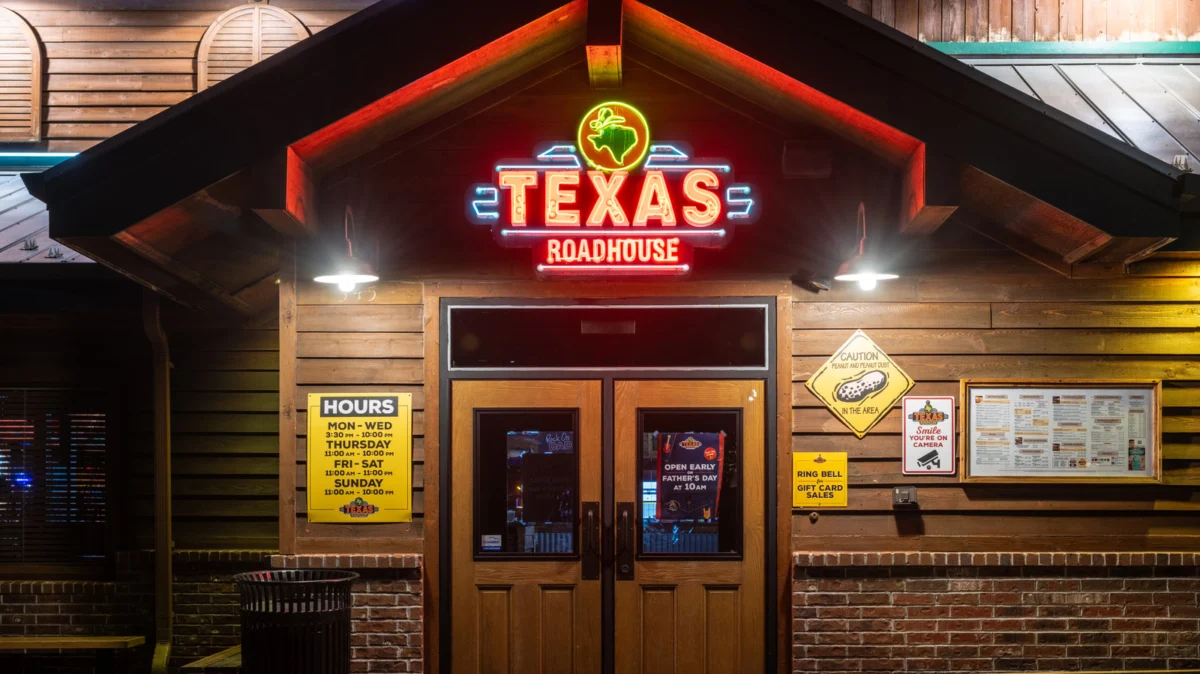
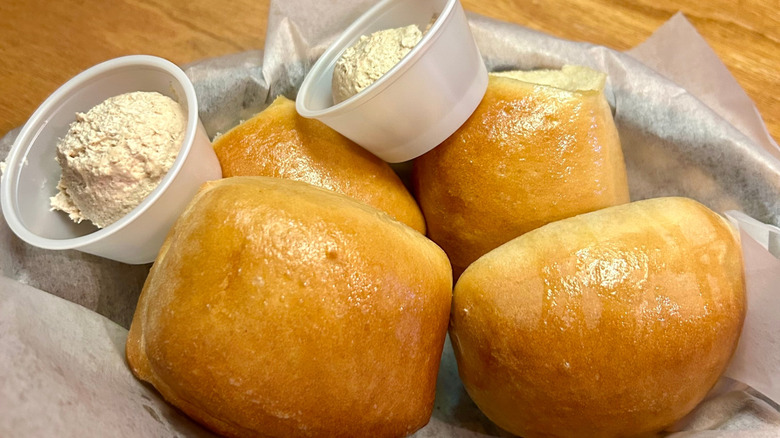
Since its humble inception in Clarksville, Indiana, in 1993, Texas Roadhouse has evolved from a vision sketched on a cocktail napkin into a titan of the American casual dining sector. With over 700 locations across the United States and a growing international footprint spanning nearly 40 locations in 10 countries, the chain has cemented itself as a cultural icon of "Americana" dining. Known for its high-energy atmosphere, legendary dinner rolls, and accessible steakhouse fare, the brand has successfully navigated three decades of shifting consumer preferences.
However, as the culinary landscape shifts toward greater dietary inclusivity, sustainability, and diversified dining experiences, even the most successful chains face a crossroads. While Texas Roadhouse remains a formidable competitor in the steakhouse category, a critical examination of its current operations reveals significant opportunities for evolution. By refining its menu, updating its physical infrastructure, and embracing modern dining trends, the company could further solidify its market dominance while welcoming a broader demographic of diners.
The Chronology of an American Icon
The trajectory of Texas Roadhouse is a study in consistent brand identity. Founded by Kent Taylor in 1993, the chain was built on a foundation of "Legendary Food, Legendary Service." Throughout the 1990s and early 2000s, the brand focused on aggressive expansion, maintaining a distinct "cowboy" aesthetic that resonated with middle-market diners across the U.S.
In recent years, the company has begun to pivot toward more modernized operational strategies. Following the passing of its founder in 2021, the leadership has faced the dual challenge of honoring the brand’s heritage while addressing the demands of a post-pandemic consumer base. Recent reports indicate that the company is currently evaluating various changes for 2026 and beyond, focusing on technological integration and menu optimization to combat rising food costs and shifting labor dynamics. Despite these internal shifts, many long-term patrons argue that the menu—while beloved—has remained static in a way that risks alienating younger, more health-conscious, or environmentally aware diners.
Supporting Data: Why Innovation is Essential
The demand for change is not merely anecdotal. Market research suggests that approximately 68% of the global population experiences some level of lactose malabsorption, making the current dairy-heavy menu at Texas Roadhouse—from its signature rolls to its baked potatoes and mac and cheese—a challenge for a significant portion of the population.

Furthermore, the rise of the "flexitarian" movement in the United States indicates that even traditional meat-eaters are increasingly seeking plant-based alternatives for at least a portion of their meals. By failing to offer a robust plant-based protein alternative, the chain limits its appeal to groups where one or more members may abstain from red meat. Additionally, the increasing demand for "experiential dining" suggests that the removal of live country music, which was once a staple of the Texas Roadhouse experience, has left a void in the brand’s atmosphere that competitors are eager to fill.
The Case for Menu Modernization
To maintain its competitive edge, Texas Roadhouse must look beyond its core competencies. The following areas represent the most significant opportunities for menu enhancement:

The Plant-Based Frontier
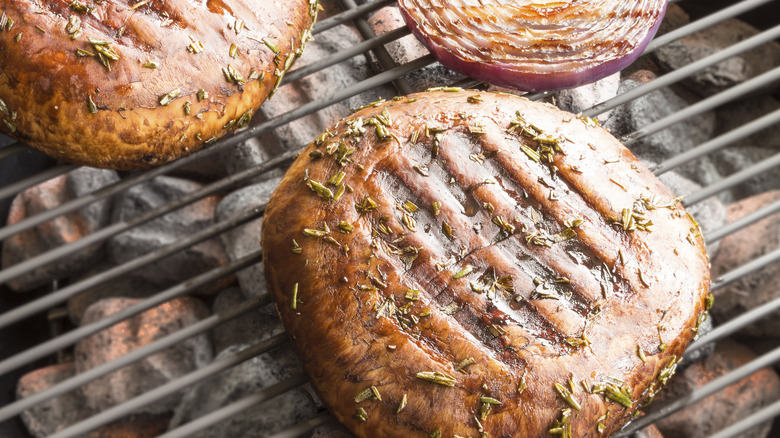
The absence of a high-quality plant-based steak is a notable gap in the current menu. Partnering with established food-tech companies to provide a plant-based protein—or, more ambitiously, developing a signature house-made vegetable-based steak—would demonstrate a commitment to culinary innovation. This would allow the restaurant to transition from a "steakhouse for everyone" to a "restaurant for everyone," effectively removing the barrier to entry for vegetarian and vegan diners.
Elevating the "Side" Game
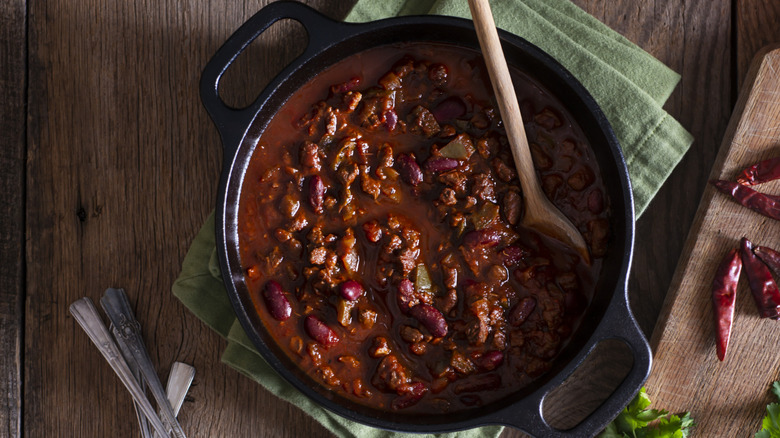
While the chain is famous for its rolls, its side dishes—particularly the chili and mac and cheese—often receive mixed reviews from critics and customers alike. The current chili is frequently cited as being too thick, lacking in complex spice profiles, and overly dependent on meat. A transition toward a more robust, bean-based, or umami-forward broth would improve the quality while simultaneously making the dish more accessible to those avoiding heavy animal fats. Similarly, the mac and cheese could be elevated through the use of artisanal cheeses, a baked crumb topping, or the inclusion of add-ins like jalapeños or roasted peppers, transforming it from a "mushy" side into a signature dish.

Embracing Regional Roots
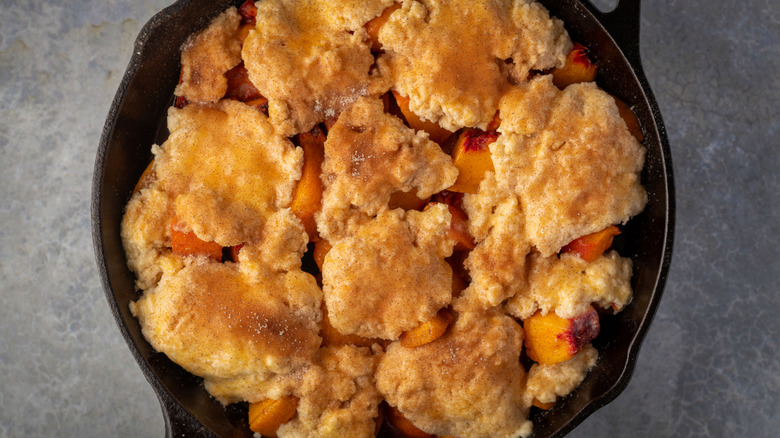
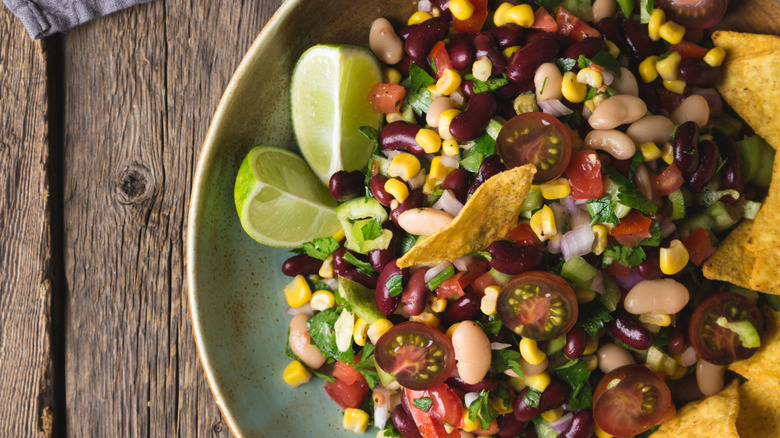
Despite its name, Texas Roadhouse has room to lean further into its Texan and Southwestern identity. The introduction of dishes like pimento cheese platters, cowboy caviar, hushpuppies, or even a selection of regional desserts—such as peach cobbler, Dr. Pepper cake, or buttermilk pie—would reinforce the brand’s theme while offering a more diverse dessert menu, which is currently limited to just three main options.

Operational and Environmental Implications
Beyond the plate, the physical footprint of the restaurant presents a major opportunity for expansion. The current "indoor-only" model is a missed opportunity for the brand’s rustic, barbecue-centric identity.
The Al Fresco Opportunity
The concept of the "roadhouse" is inherently tied to the outdoors. Implementing patios, courtyards, and open-air dining areas would not only increase seating capacity but also align the brand with the modern desire for al fresco dining. Features such as outdoor fireplaces, heat lamps, and string lighting could create an immersive environment that encourages longer stays and higher average checks. By integrating these spaces, Texas Roadhouse could also host live acoustic performances, effectively reintroducing the musical element that once defined its atmosphere, without the acoustic limitations of a crowded indoor dining room.
Seasonal Agility
The introduction of a rotating seasonal salad selection—featuring fresh, locally sourced ingredients—would provide a "hook" to bring repeat customers back into the fold. Seasonal offerings like a roasted squash and kale salad in the autumn or a berry-infused spring salad would showcase the kitchen’s versatility and provide a healthier, lighter alternative to the chain’s traditional heavy fare.

Official Responses and Strategic Outlook
While Texas Roadhouse has not issued a formal response to these specific consumer critiques, the company’s recent earnings calls and investor presentations underscore a clear focus on "strategic evolution." The leadership has emphasized that while the core menu—the rolls, the steak, and the service—is the "sacred cow" of the business, they are actively testing new products in select markets.

The primary implication of these proposed changes is the potential for increased brand loyalty among younger demographics. Gen Z and Millennial consumers, who prioritize transparency, sustainability, and dietary inclusivity, are the fastest-growing segments in the casual dining sector. If Texas Roadhouse can maintain its traditional, high-value reputation while integrating these modern enhancements, it is well-positioned to lead the casual steakhouse category for another three decades.
Conclusion
Texas Roadhouse has achieved what few restaurant chains ever do: becoming a household name. However, greatness is rarely a static state. By embracing a more inclusive menu, investing in atmospheric improvements like outdoor seating, and refining its recipes to match the sophistication of today’s diners, the brand can ensure that its "legendary" status is not just a relic of the 1990s, but a hallmark of its future. The heart of the American chain is its ability to adapt—now is the time to bring that spirit of adaptation to the front of the house.
