

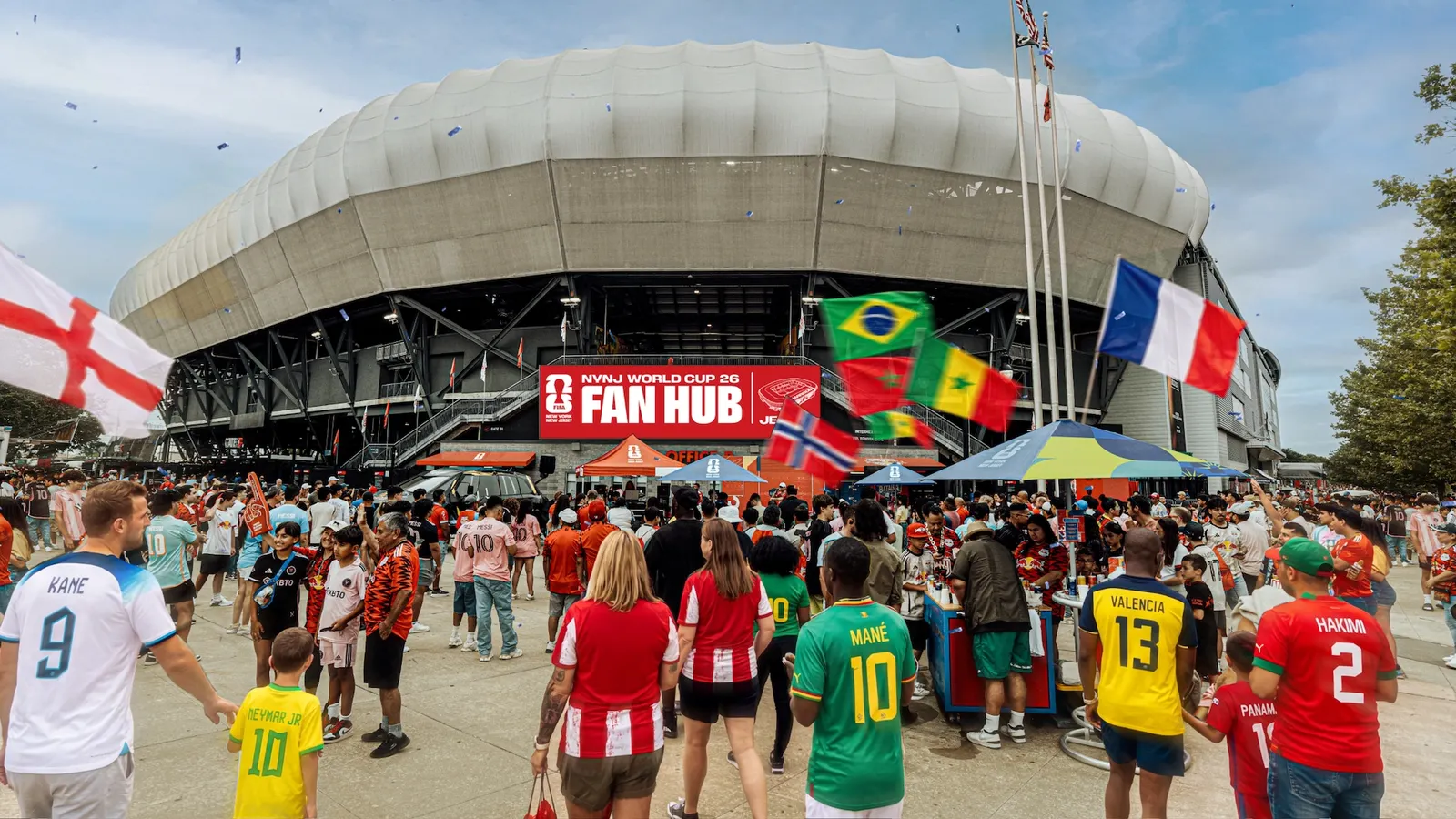
In a move that signals both brand confidence and a long-term commitment to cultural integration, Volkswagen of America has announced a massive expansion of its partnership with U.S. Soccer. The deal, which now stretches through 2032, marks a significant deepening of ties between the German automaker and the American governing body for the sport. This extension comes on the heels of a summer defined by unprecedented U.S. engagement with global soccer and arrives at a time when the automotive industry is navigating complex macroeconomic headwinds.
For Volkswagen, this is more than just a sponsorship; it is a calculated effort to build "mental availability" through emotional resonance. By aligning itself with the surging popularity of soccer in North America—and pairing that with high-profile entertainment partnerships like its ongoing work with NBCUniversal—Volkswagen is attempting to insulate its brand from the volatility of a price-sensitive car market.
The Foundation: A Decade of Partnership
Volkswagen first entered the U.S. Soccer ecosystem in 2019. Since then, the brand has transitioned from a standard corporate sponsor to a foundational partner that views the sport as a vehicle for brand storytelling.
The renewed agreement is comprehensive in scope. It continues to encompass all 27 U.S. Soccer National Teams, but it adds a strategic layer by including sponsorship of the newly opened U.S. Soccer National Training Center in Atlanta, Georgia. Furthermore, the partnership will place a renewed emphasis on grassroots youth programming, ensuring that Volkswagen remains a fixture in the lives of the next generation of drivers and fans.
The automaker is also expanding its "roster" of brand ambassadors. By collaborating directly with high-profile figures such as U.S. Women’s National Team (USWNT) coach Emma Hayes and star defender Naomi Girma, Volkswagen is shifting away from traditional, impersonal advertising in favor of authentic, human-centric narratives.
Chronology of a Cultural Strategy
To understand Volkswagen’s current marketing philosophy, one must look at the arc of their recent activations:
- 2019: Volkswagen initiates its presenting partnership with U.S. Soccer, establishing a foothold in a sport that aligns with the brand’s "challenger" identity.
- 2024: The brand makes a splash at the "Saturday Night Live" 50th-anniversary celebration, utilizing the ID. Buzz electric bus to tap into the show’s legacy.
- 2025 (Q1): The brand revives its iconic "Drivers Wanted" campaign during the Super Bowl, bridging the gap between historical brand equity and modern consumer sensibilities.
- 2025 (Summer): Massive brand activations during the global FIFA soccer tournament solidify the link between the VW brand and soccer fandom.
- 2026/2027: The company focuses on the launch of the 2027 Atlas, integrating this flagship vehicle into non-traditional cultural moments, including NBC’s centennial celebrations.
Supporting Data and the "Challenger" Mindset
Volkswagen’s CMO and senior vice president of customer experience, Rachael Zaluzec, characterizes the brand’s approach as "planting seeds." In an era where automotive marketing is often reduced to discussions of interest rates and MSRP, Volkswagen is choosing to invest in long-term equity.
The brand’s philosophy is rooted in the idea of the "intentional purchase." Because buying a Volkswagen is often an emotional decision rather than a strictly utilitarian one, the brand must maintain a presence in the cultural conversations that matter most to its target demographic.
The effectiveness of this strategy is evident in how the brand chooses its partners. For instance, the collaboration with "SNL" was not a random choice; it was a curated alignment based on brand personality. As Zaluzec noted, the ID. Buzz has a "winky personality," making it a natural fit for the humor-driven legacy of NBC’s flagship comedy show. Conversely, the brand avoids American football sponsorships, recognizing that the cultural fit—and the potential for authentic connection—would not be as strong as it is with soccer.
Official Perspective: An Interview with Rachael Zaluzec
During Advertising Week, Zaluzec provided clarity on the brand’s current trajectory, emphasizing that these partnerships are not just about reach, but about credibility.
On Cultural Integration
"Volkswagen has a rich history of being embedded in culture," Zaluzec explained. "We’re a challenger brand, that’s a challenger sport. We’re about democratizing mobility, and they’re about democratizing a sport to let everybody play."
Zaluzec highlighted the importance of moving beyond linear television. While the brand continues to use traditional media to maintain market presence, the most "authentic" connections are now being made through the social channels of talent and influencers who are already integrated into the brand’s ethos. A prime example is the recent collaboration with podcaster and influencer Emma Chamberlain, who was chosen for her genuine, pre-existing relationship with the GTI brand—an association cemented by her own tattoo of the vehicle.
On the State of the Automotive Market
Addressing the industry-wide restructuring and economic pressures, Zaluzec remains pragmatic. "It is a super dynamic period in auto for multiple reasons: tariffs, the economy in general, and then just changes in technology," she said.
Despite these challenges, she views marketing not as a cost to be cut, but as a critical tool for survival. "If you only market a price point, you get lost in the clutter. We have to make those emotional connections now so that it pays off in the future."
The Implications for Future Marketing
Volkswagen’s strategy suggests several key shifts in the automotive marketing landscape:
1. The Death of the "One-Size-Fits-All" Campaign
Volkswagen’s refusal to treat every platform as a "rinse and repeat" exercise—evidenced by their distinct approach to the "SNL" 50th anniversary versus their current NBC100 activations—shows that modern brands must be nimble. The era of the single, monolithic commercial is being replaced by a fragmented strategy that prioritizes cultural context over pure airtime.
2. The Power of "Extended" Sponsorships
By sponsoring the entirety of the U.S. Soccer federation—including Deaf, Powerchair, and Futsal teams—Volkswagen is engaging in inclusive marketing that resonates with diverse communities. This signals to consumers that the brand values the sport as a whole, rather than just the high-visibility matches that dominate headlines.
3. Purpose-Driven Super Bowl Spending
Perhaps most notably, Zaluzec’s stance on the Super Bowl challenges the industry’s "must-be-there" mentality. By asserting that the brand will only engage with the Super Bowl when it has a message "powerful enough" to warrant the investment, she is setting a new standard for fiscal responsibility in marketing. The 2025 return of "Drivers Wanted" was a success because it was relevant; future appearances will be judged by that same metric.
4. Direct Talent Partnerships
The shift toward working directly with athletes and celebrities who are "authentic drivers" marks a move toward a more humanized brand. When a USWNT star, who is also a parent, features a Volkswagen in her daily life, it serves as a more powerful testimonial than any scripted ad campaign could achieve.
Looking Ahead: The Road to 2028
As the automotive industry prepares for a future dominated by electric vehicles and shifting global supply chains, Volkswagen is positioning itself to be a brand that people want to drive, not just one they have to buy.
With the 2027 Atlas launch serving as a bridge between the present and the future, and with major events like the Women’s World Cup in Brazil and the 2028 Summer Olympics in Los Angeles on the horizon, Volkswagen’s marketing roadmap is clearly defined. By prioritizing the "scale of the fandom" and the "credibility of the partnership," the brand is banking on the idea that in a world of automated choices, the most successful brands will be those that have successfully woven themselves into the fabric of the consumer’s lifestyle.
For Volkswagen, the game is no longer just about the car on the showroom floor—it is about the culture that surrounds it. And if their long-term commitment to U.S. Soccer is any indication, they are playing to win for the next decade.
