

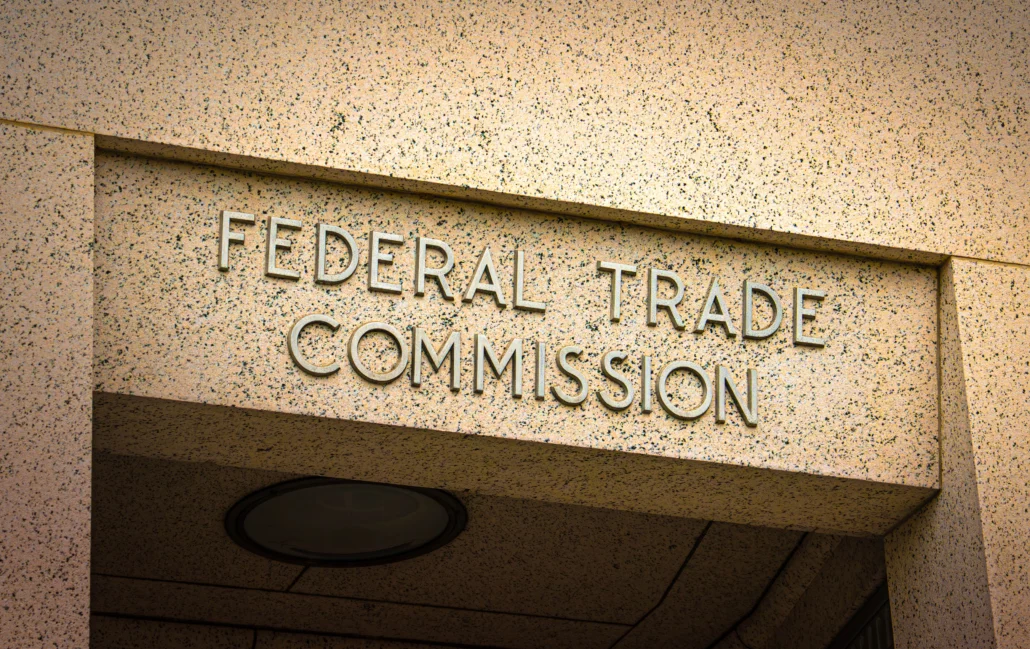
WASHINGTON, DC — A significant battle is brewing in the corridors of federal regulation as consumer advocacy groups escalate their opposition to the growing corporate practice of “personalized pricing”—a data-driven strategy more commonly referred to by critics as “surveillance pricing.”
On Friday, the National Consumers League (NCL), representing a powerful coalition of 26 public interest organizations, formally submitted comments to the Federal Trade Commission (FTC). The submission serves as a clarion call for stricter oversight, arguing that the practice of tailoring prices based on individual digital profiles is not only an invasive violation of privacy but, in many instances, an illegal act of discrimination.
The NCL’s intervention marks a pivotal moment in the FTC’s ongoing review of its policy regarding algorithmic pricing models. As corporations increasingly leverage artificial intelligence and granular consumer data to maximize profit margins, the regulatory response—or lack thereof—could fundamentally redefine the digital marketplace.
The Core Argument: Beyond Disclosure
At the heart of the NCL’s position is the assertion that mere transparency is insufficient. While the FTC has signaled that a failure to disclose personalized pricing likely violates existing consumer protection laws, the NCL argues that disclosure is a “false panacea.”
“The idea that businesses can spy on us without limit, and be financially rewarded for the same behavior, is fundamentally repulsive,” said Eden Iscil, Senior Public Policy Manager at the NCL. “Companies need to focus on competing and improving their product rather than invading our privacy.”
The coalition argues that even if a company discloses that it is using personalized pricing, the practice remains inherently predatory. By forcing consumers to pay higher rates based on their specific vulnerabilities, companies are essentially weaponizing the data they have collected—often without the consumer’s explicit knowledge of the scope—to extract the maximum amount of money a specific individual is perceived to be willing or able to pay.
Chronology: The Rise of Algorithmic Extraction
The evolution of pricing from a standard market-based model to a hyper-individualized “surveillance” model has occurred rapidly over the last decade, fueled by the proliferation of Big Data and AI.
- 2010s: The Dawn of Dynamic Pricing. Initially, dynamic pricing was largely seen in industries like airlines and ride-sharing services, where prices fluctuated based on broad supply and demand (e.g., surge pricing).
- 2020: The Pandemic Acceleration. The shift to e-commerce during the COVID-19 pandemic provided companies with an unprecedented treasure trove of behavioral data. Firms began integrating tracking cookies, purchase history, and location data to test individual pricing thresholds.
- 2023–2024: FTC Scrutiny. As reports surfaced of retailers using AI to adjust prices in real-time, the FTC began formal investigations into how these algorithmic systems might deceive consumers or facilitate unfair competition.
- 2026: The Formal Response. The current regulatory period marks the first time that major consumer advocacy groups have united to demand a categorical prohibition on the most predatory forms of this practice, moving the conversation from “better labeling” to “total ban.”
Supporting Data: The Anatomy of Predatory Pricing
The FTC’s own research and policy statements have provided chilling examples of how personalized pricing manifests in the real world. These examples serve as the foundation for the NCL’s demand for federal intervention.
1. The Vulnerability Premium
The most egregious examples involve price gouging during moments of crisis. The FTC has highlighted instances where ride-sharing apps could theoretically identify a user traveling to a hospital emergency room and increase the fare, knowing the user is in a high-stress, time-sensitive situation where price sensitivity is non-existent.
2. Demographic Targeting
Data suggests that some retailers have explored or implemented systems that adjust prices based on household composition. For instance, a mother purchasing groceries for multiple children might be targeted with higher prices for essential goods, as her purchase history indicates a high degree of necessity and lower ability to switch brands or shops.
3. The Digital “Divide”
Beyond these specific examples, the NCL points to the broader issue of “digital profiling.” By aggregating information—such as a user’s device model, browsing history, and social media activity—companies create a "wealth score" for individuals. Those perceived to have higher disposable income are consistently shown higher prices than their more budget-conscious counterparts, effectively creating a two-tiered economy where the poor and the wealthy are charged different prices for the exact same commodity.
Legal Implications and Anti-Discrimination
The NCL’s filing, which was drafted with the assistance of the Center for Consumer Law & Economic Justice at the U.C. Berkeley School of Law, argues that these pricing models likely violate a host of federal and state laws.
The FTC Act
The NCL contends that personalized pricing constitutes an “unfair or deceptive act or practice.” By exploiting private data to manipulate prices, companies are acting in bad faith. The coalition argues that when the mechanism of price determination is hidden and based on non-transparent data points, it prevents the market from functioning fairly, thus harming consumer welfare.
Civil Rights and Protected Classes
A significant legal hurdle for these companies is the intersection of pricing and protected status. The coalition argues that if an algorithm inadvertently or intentionally charges higher prices to consumers based on their disability, familial status, or other protected traits, the practice is in direct violation of anti-discrimination statutes.
“When you have an algorithm that tracks that a person is visiting a hospital, you aren’t just looking at ‘market demand’—you are looking at a medical condition,” legal experts noted in the commentary. “Applying a price premium based on that medical status is essentially disability discrimination.”
The Coalition’s Official Stance
The NCL was joined in its submission by a diverse array of 26 public interest groups, signaling broad consensus across the consumer rights sector. Among the contributors were the National Consumer Law Center and Truth in Advertising, Inc.
The collective demand is clear:
- Ban on “Crisis Pricing”: An immediate prohibition on adjusting prices based on location or intent when that intent involves health or emergency services.
- Algorithm Accountability: A requirement for corporations to submit their pricing algorithms for independent auditing to ensure they do not result in disparate impacts on protected classes.
- Data Sovereignty: A shift toward giving consumers control over the data used to calculate their prices, effectively allowing them to opt out of “surveillance pricing” without being denied service.
Implications for the Future of Commerce
The outcome of this FTC policy review will have lasting repercussions for the digital economy. If the FTC moves to restrict personalized pricing, it could force a major pivot in how AI is utilized in the retail sector.
The Corporate Response
Industry lobbyists have argued that dynamic pricing allows for more efficient market clearing and that personalized discounts—where certain consumers receive lower prices—are a net benefit. However, the NCL counters that the industry has failed to show a single instance where “personalized pricing” has been used to provide a benefit that couldn’t be achieved through traditional, non-predatory discounting.
The Consumer Impact
For the average American, the implications are profound. We are moving toward a “negotiated” marketplace where every transaction is a hidden auction. If the NCL and its allies are successful, the era of “one price for all”—a cornerstone of fair retail—may be protected. If they fail, consumers may find themselves in a permanent state of digital surveillance, where their very habits are used to ensure they pay the absolute maximum price possible.
About the National Consumers League (NCL)
Founded in 1899, the National Consumers League is the nation’s pioneer consumer organization. For over 125 years, the NCL has been the leading advocate for social and economic justice for consumers and workers. From its historic efforts to end child labor to its current work protecting digital privacy and fair market practices, the NCL remains committed to ensuring that the power of the marketplace is balanced in favor of the people.
For more information on the NCL’s advocacy work or to read the full comments submitted to the FTC, please visit www.nclnet.org.
Media Contact
Lisa McDonald
Vice President of Communications, NCL
202-207-2829
[email protected]
