

In an era defined by hyper-connectivity, where the average worker spends upwards of eight hours a day tethered to a digital interface, the modern traveler is increasingly seeking a rare commodity: silence. For decades, the presence of a flat-screen television was the gold standard for hotel room amenities—a baseline expectation for comfort and convenience. However, a seismic shift is occurring within the hospitality industry. A growing cohort of boutique properties and luxury retreats are intentionally removing televisions from their rooms, transforming the absence of technology into the ultimate, high-end amenity.
This movement toward "analog lodging" is not merely a cost-saving measure; it is a calculated response to the modern epidemic of digital burnout. By stripping away the blue light, the news tickers, and the mindless background noise of cable television, these hoteliers are curating environments that encourage presence, mindfulness, and human connection.
The Evolution of the "Disconnect"
The chronology of the hotel room has long mirrored the progression of domestic technology. In the mid-20th century, the addition of a radio, and later a television, was a revolutionary leap in guest comfort. By the late 1990s and early 2000s, the "smart room" became the goal, with high-definition screens and seamless device integration becoming the baseline for a premium stay.
However, the pendulum has begun to swing back. Over the last five years, boutique operators—particularly those in serene, nature-forward locations—have identified a paradox: the more connected we are, the more we crave detachment.
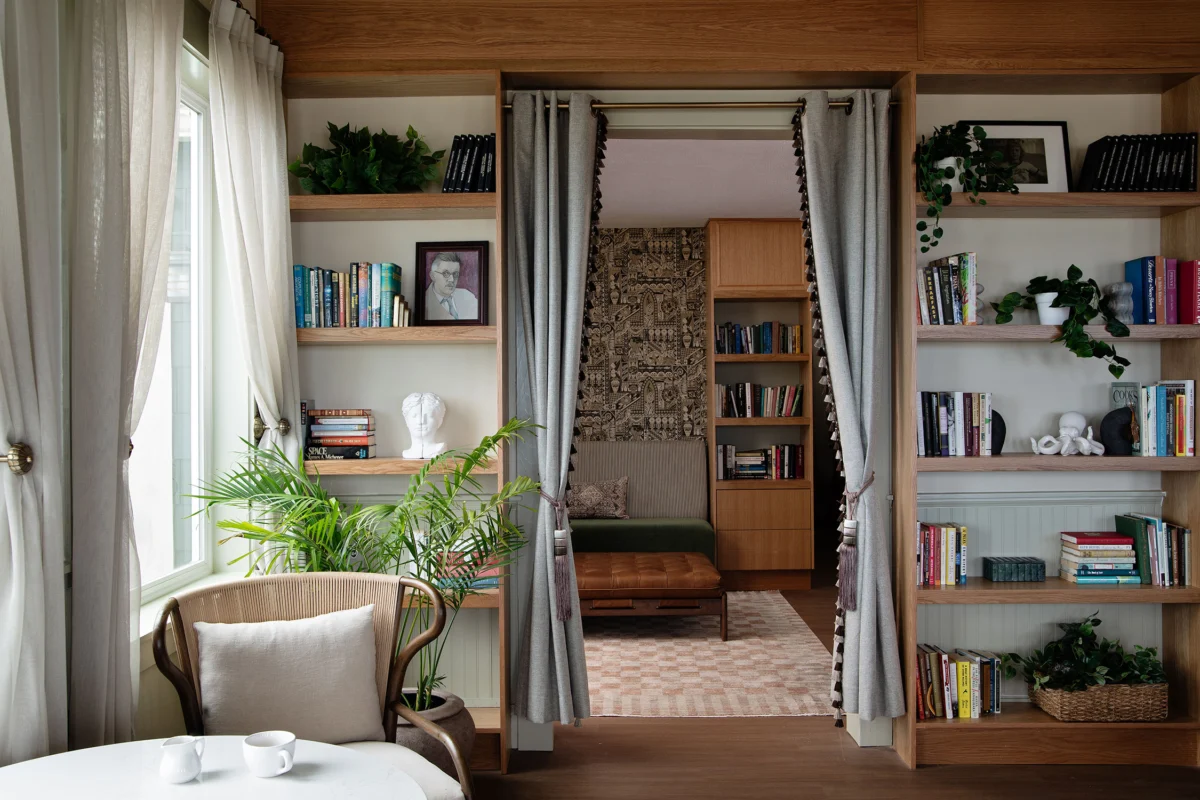
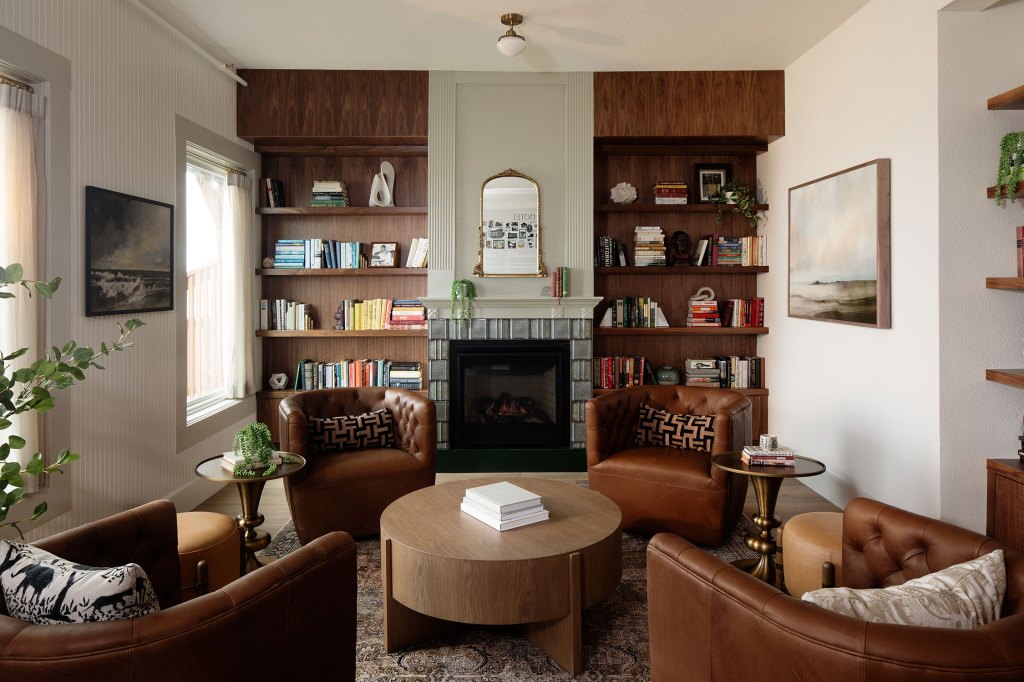
At Hotel Sylvia in Newport, Oregon, this shift is deeply rooted in historical preservation. The property, which occupies a site with a storied past as a literary-themed haven, decided to lean into its roots during a recent renovation. According to Jenny Nelson, Vice President of Operations for VIP Hospitality Group, the goal was to recreate the atmosphere of an era when guests spent their evenings in communal spaces, engaging in conversation or losing themselves in literature.
"We chose to not have TVs and phones in the rooms because we did not want guests to have the distraction or the noise of those items," Nelson explains. By collaborating with the design firm VIDA, the hotel transformed its rooms into dedicated reading sanctuaries, each themed after iconic authors like Hemingway, Shakespeare, Christie, and Angelou. This wasn’t just a stylistic choice; it was a mandate for a slower, more intentional pace of life.
The Psychology of the Screen-Free Space
The decision to remove technology is supported by a growing body of research regarding the "attention economy." When guests enter a hotel room dominated by a television, the screen acts as a magnet. It provides an easy, low-effort path to entertainment that effectively prevents the guest from engaging with their surroundings or their travel companions.
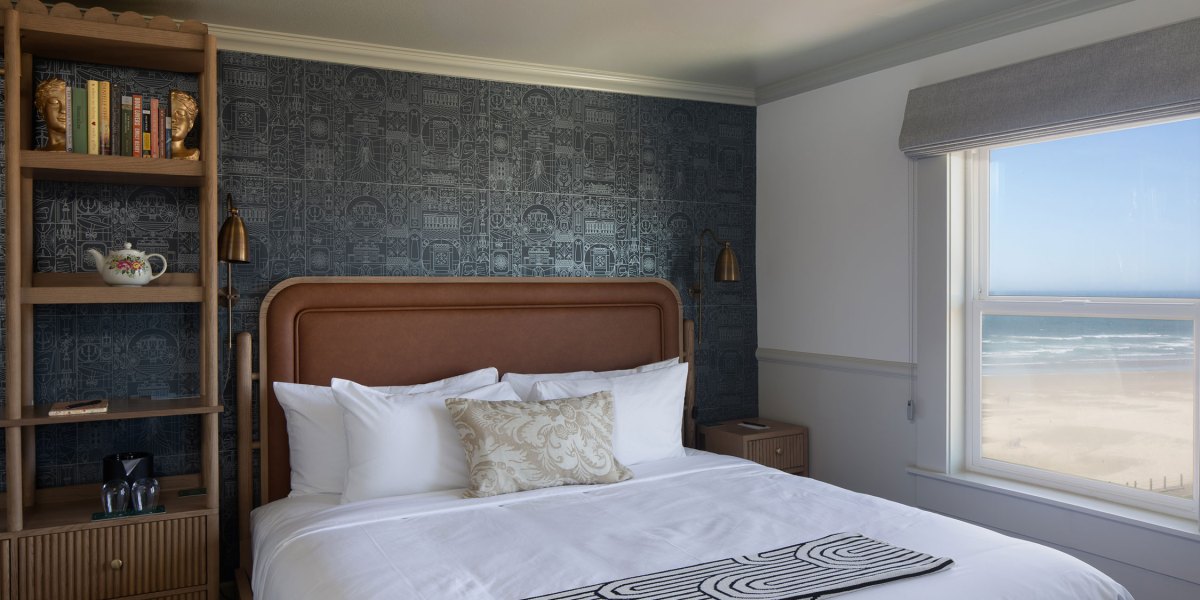
Mike Freed, co-founder and owner of the iconic Post Ranch Inn in Big Sur, California, has long championed this philosophy. At his property, the absence of televisions and alarm clocks is a central feature of the guest experience.
"Without televisions in the accommodations, Post Ranch Inn encourages guests to disconnect from screens completely and instead focus on the beautiful surrounding landscape and the people they’re sharing the experience with," says Freed. For a property perched on the edge of the Pacific, the competition for a guest’s attention is between a 50-inch screen and a panoramic view of one of the most stunning coastlines on Earth. By removing the digital distraction, the hotel ensures that the environment itself becomes the primary entertainment.
A Hybrid Approach: Choice Over Mandate
While some properties take a hardline, "all-or-nothing" stance on digital abstinence, others are experimenting with a hybrid model. Mendocino Cove in Northern California serves as a prime example of this nuanced approach. Recognizing that not every guest is ready for a full digital detox, the property offers a selection of screen-free units while maintaining traditional amenities in others.
Teresa Raffo, co-founder and co-owner of Mendocino Cove, notes that the demand for these unplugged spaces is consistently high. "People are on screens constantly now, whether it’s for work or just day-to-day life," she says. "Travelers are looking for places where they can actually switch off for a bit."
For Mendocino Cove, the strategy is about providing an "opt-in" experience for wellness. By pairing screen-free rooms with amenities like pickleball courts, saunas, and swimming pools, the property provides a functional alternative to the screen. The result, according to Raffo, is a profound shift in guest behavior. "You’re less likely to come back, turn on the TV, and stay inside. Instead, people tend to spend more time outside, talk, read, or just relax."
The Economic and Social Implications
The rise of the analog hotel reflects a broader cultural critique of our current relationship with technology. As Artificial Intelligence, algorithm-driven social media, and constant push notifications dominate the average day, the "luxury" of a vacation has shifted from high-tech convenience to high-touch tranquility.
Data Trends in Hospitality
- The "Slow Travel" Market: Tourism boards and travel analysts are noting a significant rise in bookings for "remote-work-free" zones.
- Wellness Tourism: According to the Global Wellness Institute, the wellness tourism market is currently growing at a rate of 12% annually, with "digital detox" packages being one of the fastest-growing sub-segments.
- Guest Retention: Properties that offer experiential, analog activities (such as library access, board games, and guided nature walks) report higher guest satisfaction scores related to "relaxation" and "mental clarity" compared to their traditional counterparts.
The Future of "Time as Currency"
The implications for the future of the hotel industry are profound. As we move toward a more automated world, the "human touch" becomes a premium service. Hoteliers like Mike Freed believe that we are approaching a tipping point where time is the only truly scarce resource.
"Time has become our most valuable and protected commodity," says Freed. "The shift is definitely influenced by the desire to have more quality, focused time with partners, which is significantly enhanced when we unplug, disconnect, and commit to time for a digital detox."
This movement suggests that the next generation of luxury won’t be defined by how fast the internet speed is or how many channels are available on the TV, but by the quality of the silence a hotel can offer. It is a reassertion of the fundamental purpose of travel: to get away from the mundane, to reset the nervous system, and to engage with the world in a tactile, immediate way.
A Challenge to the Traveler
While the hotel industry continues to grapple with the role of technology in the guest room, the ultimate power rests with the traveler. Whether you are staying in a high-tech smart hotel or a cozy, analog cottage, the choice to disconnect is ultimately yours.
The next time you check into a hotel, consider this: before you reach for the remote or log into the guest Wi-Fi, take a moment to look out the window. Look at the local guidebooks provided by the concierge. Listen to the sounds of the neighborhood. By choosing to leave the remote untouched, you aren’t just missing out on a show—you are opting into a richer, more present version of your own vacation.
The screen will always be there when you return home. But the experience of a true, uninterrupted break? That is a luxury that requires you to be fully, and intentionally, present.
