

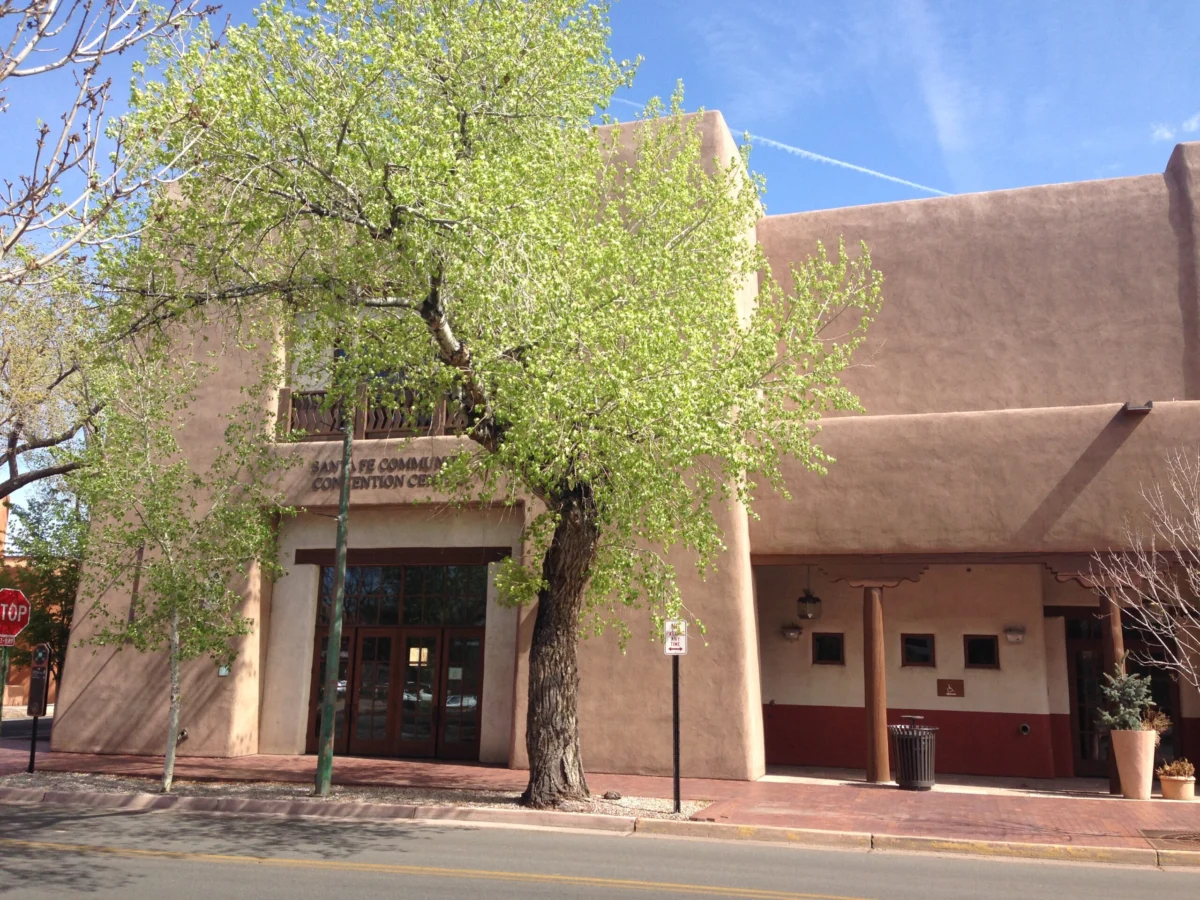
The Southwestern United States is poised to welcome a transformative addition to its cultural landscape. The inaugural Santa Fe Invitational (SFI) is scheduled to debut from April 8–11, 2027, at the Santa Fe Convention Center. By hosting approximately forty-five international galleries alongside a curated roster of artists, collectors, and institutional representatives, the SFI aims to redefine the traditional art fair model, shifting the focus from a purely transactional marketplace to a comprehensive "cultural ecosystem." As the first international-caliber art fair of its kind in the region, the SFI is signaling a significant geographic shift in the global art market.
The Genesis of a Cultural Summit
The Santa Fe Invitational is not merely an exhibition; it is, by design, a "cultural summit." Organizers have framed the event as an exercise in cultivating intellectual growth, confidence, and curiosity. While the commercial component—the gallery booths—will remain a core element, the fair is predicated on the belief that meaningful art engagement requires a slower, more deliberate pace.
The concept was birthed by Michael Stein, the proprietor of the iconic Tesuque Village Market. Stein, a figure deeply embedded in the local fabric of Santa Fe, envisions the fair as a synthesis of his experience in hospitality and his passion for the arts. "I’ve learned that culture happens when people have a reason to come together—and a place that makes them want to stay," Stein noted in an interview with Cultured. His vision centers on the power of convergence, bringing together the disparate spheres of artists, collectors, and community stakeholders to spark cross-disciplinary dialogue.
Chronology and Strategic Development
The timeline leading up to the April 2027 launch has been carefully calibrated to build anticipation while establishing a robust infrastructure.
- Mid-2026: Initial conceptualization and internal planning phases are completed, with the organization finalizing the mission statement for the "new model" of art fair.
- Late 2026: The announcement of the fair’s leadership team, specifically the appointment of Michael Phelan as creative director and curator. Phelan’s background, notably his work co-founding the Marfa Invitational in 2019, provides the SFI with a proven blueprint for boutique, high-impact programming.
- Early 2027: The commencement of the "Road to Santa Fe" promotional cycle, involving outreach to international galleries and the establishment of partnerships with regional institutions.
- April 8–11, 2027: The inaugural Santa Fe Invitational opens its doors at the Santa Fe Convention Center.
The planning process has prioritized a "relationship-driven" approach, ensuring that the fair does not feel like a transient corporate pop-up, but rather a permanent fixture that integrates with the existing, vibrant Santa Fe art scene.
Supporting Data: The Anatomy of the Fair
The SFI distinguishes itself through a multifaceted programming strategy that extends well beyond the convention hall walls. The fair is structured to be an immersive experience, leveraging the unique aesthetic and historical landscape of Santa Fe.

The Programming Pillars
The main fair will feature:
- The Conversation Series: A robust schedule of talks featuring cultural luminaries, including the esteemed critic Roberta Smith and designer Cynthia Rowley. These sessions are intended to contextualize contemporary art movements within broader sociological and design frameworks.
- Satellite Exhibitions: Distributed throughout the city, these exhibitions will provide a platform for artists to engage with the specific geography of New Mexico.
- Site-Specific Installations: Curated to interact with the high-desert environment, these works will challenge the limitations of indoor white-cube galleries.
- Private Collection Tours: A rare, exclusive opportunity for fair attendees to gain access to some of the most significant private homes and collections in the region, fostering the "relationship-driven" atmosphere central to the fair’s mission.
The Venue
The choice of the Santa Fe Convention Center provides a neutral yet accessible ground for the proceedings. By situating the fair within the city center, the SFI ensures that it remains connected to the galleries and museums that have long defined Santa Fe as a premier art destination, rather than isolating itself from the community.
Official Responses and Philosophical Outlook
The leadership team behind the SFI has been vocal about their desire to move away from the "art fair fatigue" that has plagued major global hubs like Basel or Miami in recent years. Instead, they propose a model of "curatorial intimacy."
Michael Phelan, in his capacity as creative director, has emphasized that the goal is not to compete with the sheer volume of larger fairs, but to out-perform them in terms of impact and longevity. "We are not simply building a market for today," Phelan stated, "but helping shape one for tomorrow—cultivating the collectors who will sustain art and culture for generations to come."
This focus on the long-term sustainability of the collector base is a recurring theme. By emphasizing education and personal connection, the organizers hope to mentor a new generation of patrons who value deep, intellectual engagement with art over the rapid-fire acquisition habits that have come to characterize the digital age of art dealing.
Implications for the Art World
The establishment of the Santa Fe Invitational carries profound implications for the domestic and international art market.

1. Decentralization of the Art Market
For decades, the American art market has been dominated by the axis of New York and Los Angeles. By planting a high-profile, international-standard fair in the Southwest, the SFI is participating in a broader trend of decentralization. It posits that collectors are increasingly willing to travel for experiences that offer intimacy, intellectual rigor, and an aesthetic connection to place—factors that are often sacrificed in the crush of a global mega-fair.
2. Economic and Cultural Synergy
The SFI is designed to act as an economic catalyst for the Santa Fe community. By partnering with local institutions and utilizing the city as a living gallery, the fair seeks to weave itself into the economic life of the region. This "ecosystem" approach suggests that the fair’s success will be measured not just in sales figures, but in the sustained growth of the local creative economy and the increase in cultural tourism to the region.
3. A New Model for Engagement
The "Marfa-style" influence—a reference to the town’s legacy of minimalist art and deep, site-specific engagement—is clearly evident in the SFI’s philosophy. This is a move toward a more "human" art fair. If successful, the SFI could provide a successful blueprint for other regional centers, potentially spawning a network of boutique fairs that favor meaningful exchange over high-volume commerce.
Looking Ahead: The Road to 2027
As the art world turns its eyes toward April 2027, the primary question remains: can a boutique, relationship-driven fair thrive in an industry obsessed with scale? The team behind the Santa Fe Invitational seems confident that the market is ready for a change. By focusing on the "cultural summit" aspect, they are appealing to a demographic of collectors and enthusiasts who are disillusioned with the impersonal nature of the traditional fair circuit.
The success of the Santa Fe Invitational will likely depend on its ability to maintain the balance between its high-minded mission and the practical realities of the art market. With a lineup that includes heavyweights like Smith and Rowley, and a leadership team that understands the importance of human connection, the SFI is well-positioned to make a lasting impact. It represents a promise that the future of the art market may not be found in the crowded, frantic aisles of a global convention center, but in the quiet, thoughtful conversations taking place in the heart of the American Southwest.
In the coming months, as more details emerge regarding the specific gallery list and additional programming, the industry will be watching closely. For now, the Santa Fe Invitational stands as a bold assertion that art, at its best, is not just a commodity to be sold, but a culture to be shared.
