

Editor’s Introduction: A Week of Cultural Turbulence
In a world increasingly fractured by economic anxiety and the echoes of historical trauma, the role of the artist as both a mirror and a disruptor has never been more vital. As we navigate the complexities of the 21st century, the arts remain our most potent tool for intellectual resistance. This week, we bridge the gap between the radical energy of student movements in France and the quiet, contemplative introspection required to parse the legacies of icons like Lee Krasner and Jackson Pollock.
From the streets of Paris, where a new generation is channeling the spirit of May 1968, to the polished halls of The Metropolitan Museum of Art, our cultural landscape is in a state of profound flux. As your editor, I invite you to step away from the noise of market-driven punditry and engage with the substance of our shared human experience.
The Resurgence of Student Activism: France’s "Generation 6-7"
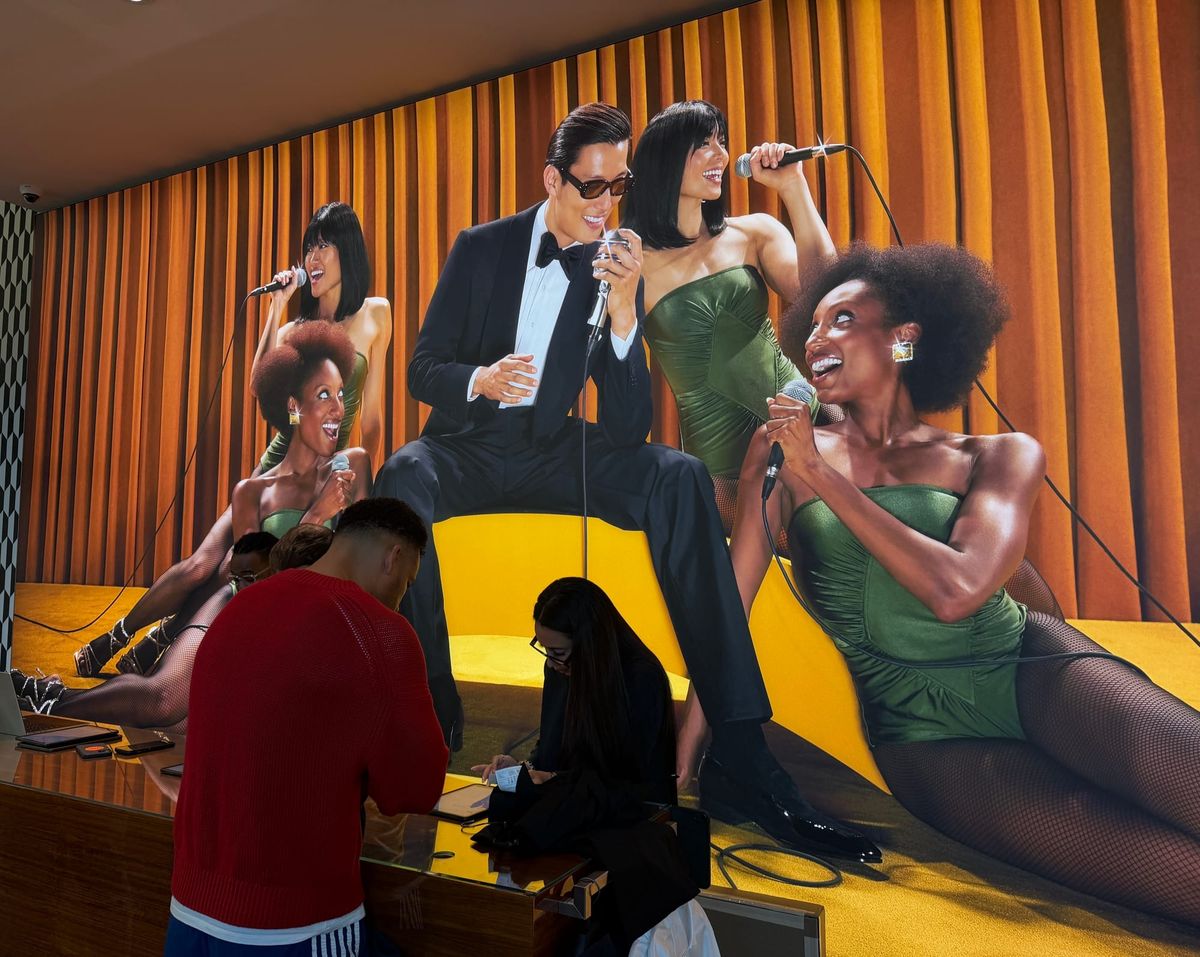
The contemporary political discourse, often dominated by narrow economic frameworks, frequently misses the pulse of the street. Recently, mainstream media outlets—exemplified by a particular New York Times podcast—have characterized the ongoing student protests in France as a fiscal folly, labeling the country’s robust pension systems and parental leave policies as "too generous."
Such commentary reduces the dignity of labor and social security to mere "debt-saddling" liabilities. This perspective, which prioritizes market competitiveness over human welfare, ignores the deep-seated desire for social equity driving this movement. As we witness "Generation 6-7" taking to the streets, we are seeing a direct lineage to the radical idealism of May 1968. These are not merely protesters; they are architects of a new social contract, demanding that the state recognize the value of life beyond the transactional.

The Met’s Krasner and Pollock: A Breathtaking Upending
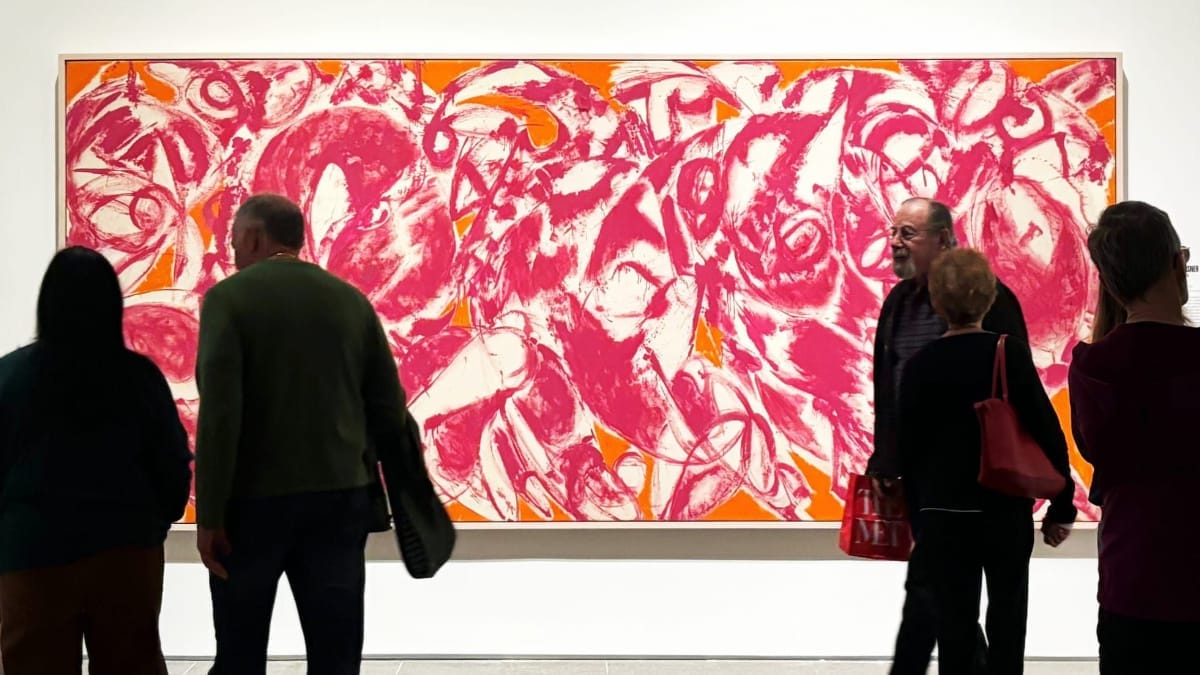
At the center of our aesthetic focus this week is the monumental exhibition at The Metropolitan Museum of Art, featuring the work of Lee Krasner and Jackson Pollock. Lucy Ives’s recent review captures the visceral complexity of their intertwined lives and creative outputs.
To look at their work is to confront the messy, beautiful reality of human relationships. As Ives notes, marriage—and specifically the marriage of two titans of Abstract Expressionism—is a "moving target." We often project our own histories onto the narratives of famous couples, searching for bulletproof insights where none exist. The exhibition forces us to reckon with the "genres of chaos and ecstasy" that defined their careers. By stripping away the mythologized veneer of the "great artist," the show allows for a more honest appraisal of their contributions, reminding us that the most profound insights often arrive from within, rather than from the external critiques we project onto others.
Chronology: Key Cultural Developments of the Week
The week has been marked by a series of events that highlight the intersection of art, politics, and historical preservation:
- Monday: The launch of our deep dive into the legacy of J.M.W. Turner, exploring how his landscape paintings functioned as conduits for colonial propaganda.
- Tuesday: An in-depth interview with outgoing Yaddo President Elaina Richardson, reflecting on 26 years of stewarding one of the world’s most prestigious artist residencies.
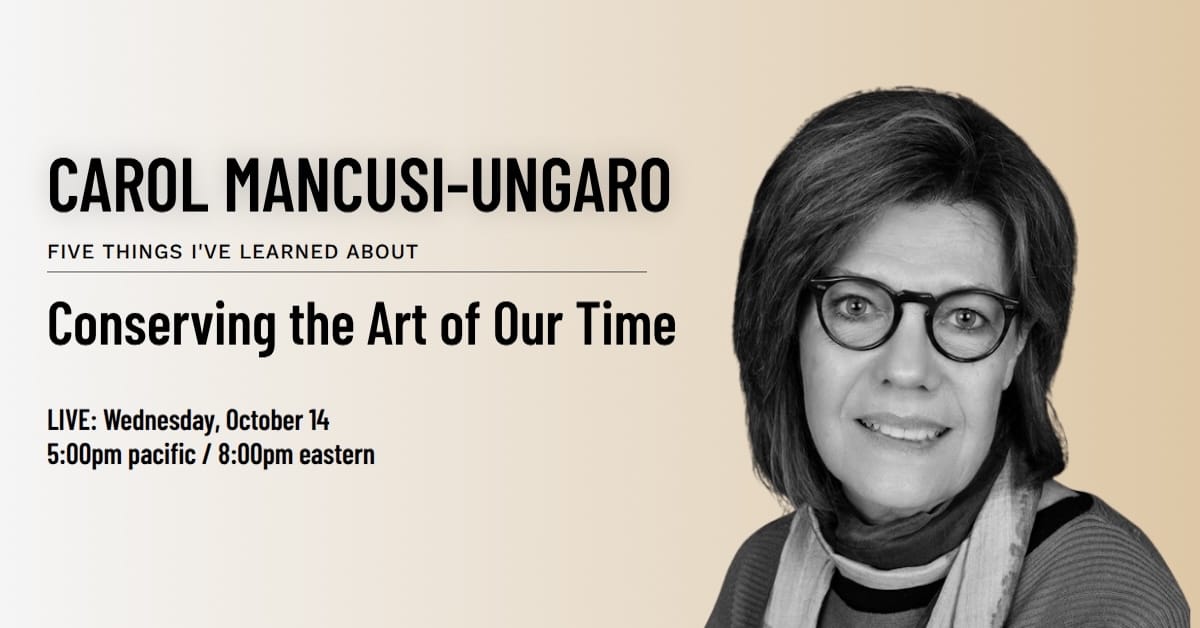
- Wednesday: A live online masterclass with renowned art restorer Carol Mancusi-Ungaro, focusing on the preservation of postwar masters like Rothko and Twombly.
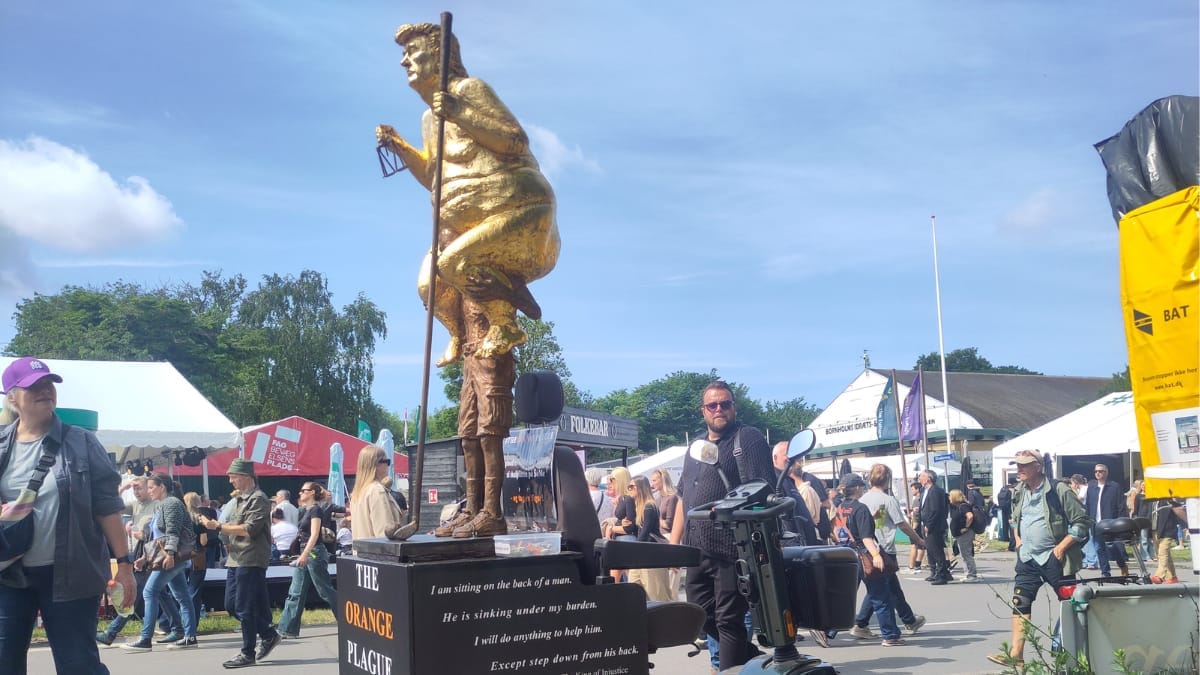
- Thursday: Reports surfaced regarding the European Parliament’s installation of a gilded, satirical statue of Donald Trump, sparking renewed debates on the role of political caricature in public spaces.
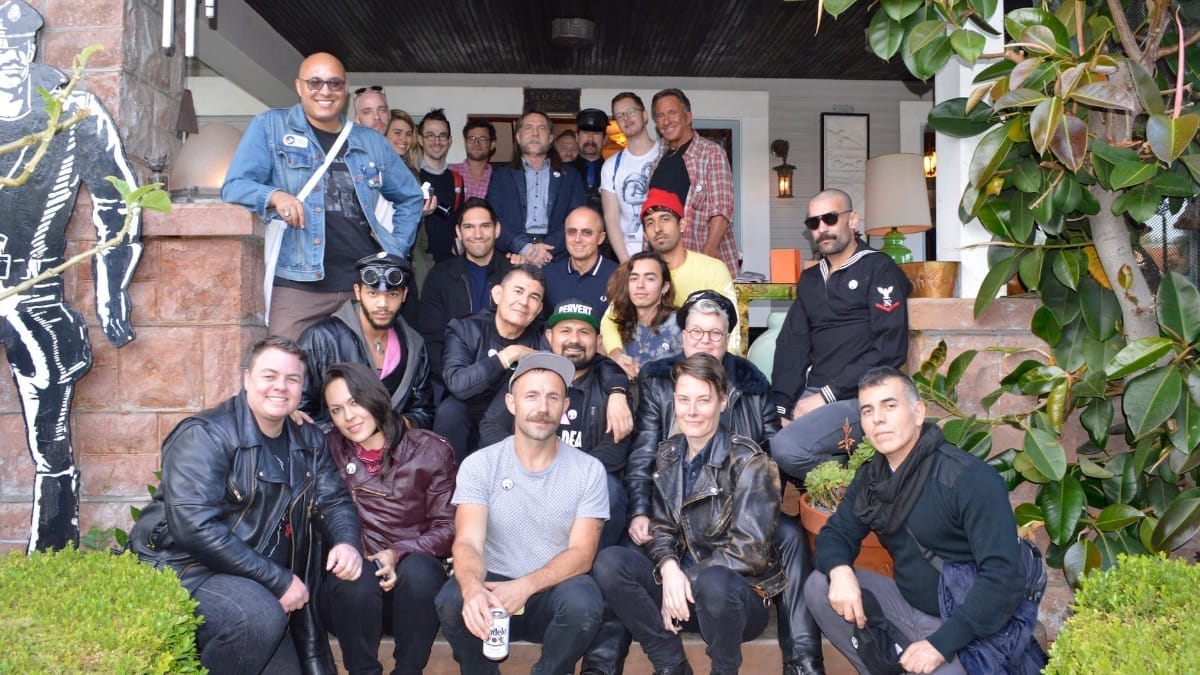
- Friday: A critical look at the Tom of Finland Foundation, with queer artists raising urgent questions about the institution’s current direction and preservation of its radical roots.
Supporting Data and Thematic Analysis
The current cultural environment is characterized by a "preservation vs. evolution" dichotomy. In our analysis of the Tom of Finland Foundation, we see the tension between legacy institutions and the contemporary needs of the queer community. When an organization that once served as a sanctuary for marginalized expression loses its way, the community response is both swift and necessary.
Furthermore, our examination of "Turner and the Slave Trade" provides empirical weight to the argument that art history is undergoing a mandatory decolonial audit. By re-evaluating Romanticism as a vehicle for empire, we are not destroying the canon; we are expanding our understanding of its true cost. This analytical shift is supported by a growing body of academic literature that seeks to reconcile the aesthetic beauty of the past with the historical realities of the systems that funded and facilitated that beauty.
Official Responses and Institutional Shifts
Institutions are currently navigating a high-stakes environment where silence is no longer an option. The Yaddo residency, under Elaina Richardson’s leadership, has historically operated as a "garden" for talent—a space where artists are shielded from the market to facilitate creation. As she steps down, the institution faces the challenge of maintaining that sanctuary while adapting to a digital, highly polarized era.
Similarly, the Metropolitan Museum of Art’s decision to pair Krasner and Pollock in a way that elevates the former suggests a shift in institutional curatorial strategy. It is an acknowledgment that the "singular genius" narrative is insufficient. By centering the dialogue between two artists, the museum invites the public to participate in the messy, human work of art-making rather than the static worship of objects.
Implications: Where Does Art Go from Here?
The implications of these developments are twofold:
- The End of the Neutral Spectator: We are moving toward a period where audiences demand transparency. Whether it is a protest in France or a critique of a museum exhibition, the viewer is no longer satisfied with being told what to think. They are demanding a seat at the table of history.
- The Re-integration of Ethics and Aesthetics: As we saw with the discussion of Turner, there is no longer a "clean" separation between the beauty of a painting and the politics of its time. The future of arts criticism lies in this intersection—the ability to hold a work of art in one hand and its historical, political context in the other, without letting either fall.
As we look toward the 22nd century—as Nina Simone once hinted—the work we do today is foundational. The "Generation 6-7" protesters in France and the artists currently challenging institutional stagnation are all part of the same project: the continuous, exhausting, and essential effort to remake the world in our own image.
Looking Ahead: A Call to Action
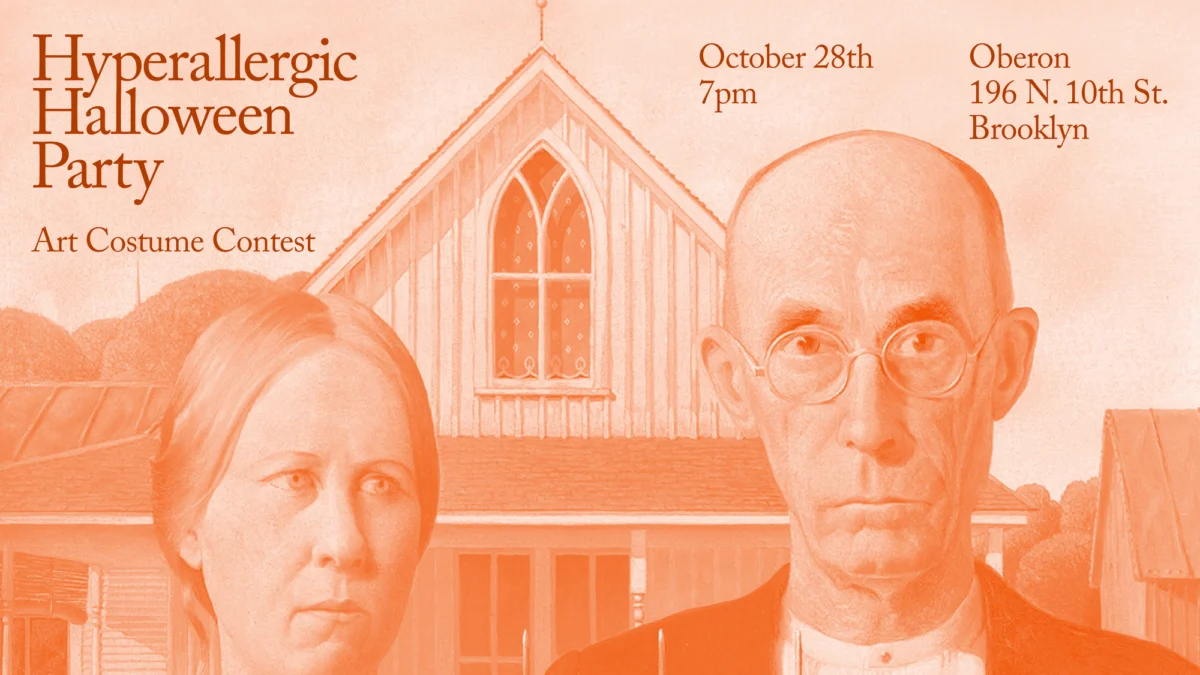
As we conclude this weekly digest, we invite you to join us for the upcoming Hyperallergic Halloween on October 28 in Brooklyn. While the tone is celebratory, the underlying mission remains: to foster a community where art, critique, and fellowship can coexist.
We also encourage readers to explore the "A View from the Easel" series, which continues to provide a vital window into the daily lives and studios of working artists. In a world that often demands we be productive, efficient, and profitable, the act of making art remains the ultimate, beautiful defiance.
Always remember: if you are dining at a gala, choose the steak. But if you are choosing a cause, choose the one that challenges the status quo. The stakes, much like the art we cherish, are higher than they appear.
— Hakim Bishara, Editor-in-Chief
