

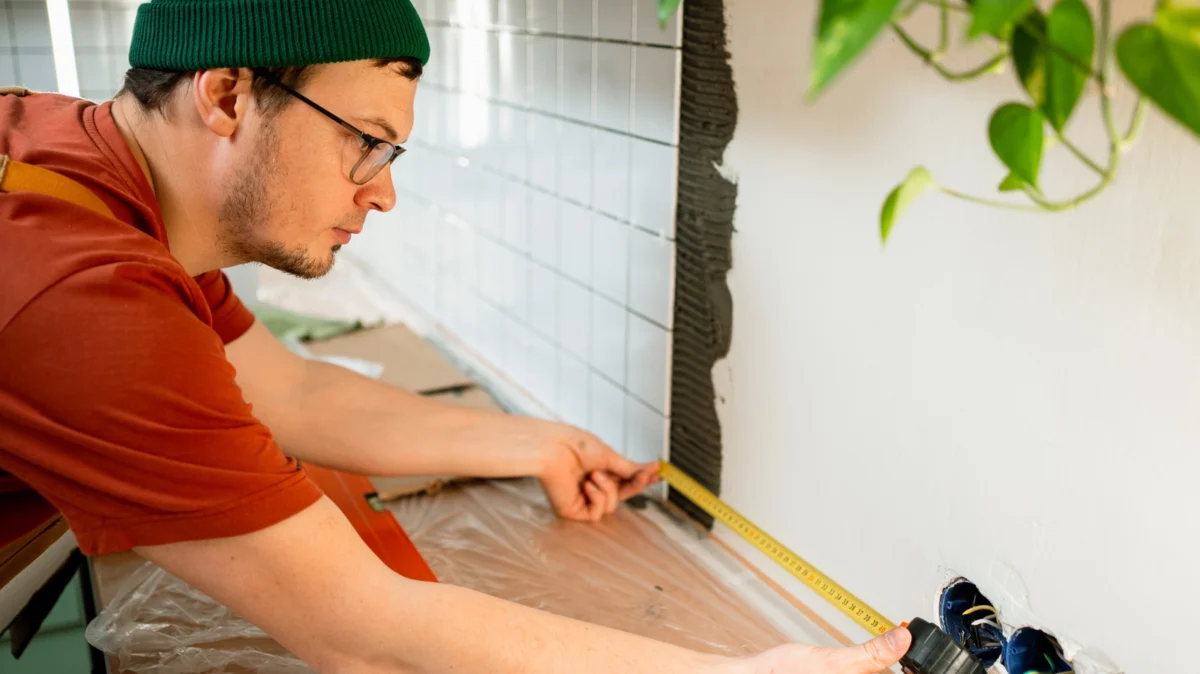
In the evolving landscape of interior design, the kitchen backsplash has graduated from a purely functional necessity—a barrier against grease splatters and water damage—to a primary focal point of residential architecture. While design luminaries and television personalities have long championed hand-painted Moroccan tiles, classic subway patterns, and exposed brick, a new, daring trend is emerging from the industrial sector. Designers and homeowners alike are increasingly turning to corrugated metal to create rustic, high-impact kitchen backsplashes that challenge traditional material norms.
The Shift Toward Industrial Aesthetics
For decades, the standard for kitchen backsplashes remained anchored in stone, ceramic, and glass. These materials, while aesthetically pleasing, often come with significant maintenance hurdles, including porous surfaces that require sealing and grout lines that are notoriously difficult to sanitize.
The movement toward corrugated metal represents a paradigm shift. Originally engineered for heavy-duty exterior applications—specifically as roofing and siding for agricultural and industrial buildings—corrugated metal is defined by its series of repetitive, wavy, or ribbed folds. These structural ridges are not merely decorative; they provide incredible tensile strength and rigidity to thin-gauge metal sheets. By bringing this material indoors, designers are tapping into a "Modern Farmhouse" or "Industrial Loft" aesthetic that prioritizes texture, durability, and a rugged, weathered charm.
Chronology: From Exterior Utility to Interior Design Statement
The adoption of corrugated metal into the domestic sphere did not happen overnight. Its trajectory mirrors the broader "reclamation" trend that began gaining traction in the early 2010s.
- Early 2000s: Corrugated metal was almost exclusively relegated to barns, sheds, and commercial warehouses. It was viewed as a strictly utilitarian material with no place in high-end residential interiors.
- 2010–2015: As the "industrial chic" movement took hold, designers began experimenting with exposed ductwork, concrete countertops, and metal accents. Reclaimed corrugated roofing became a sought-after material for feature walls in cafes and boutique retail spaces.
- 2018–2021: The rise of social media and home renovation platforms popularized the "DIY farmhouse" aesthetic. Corrugated metal transitioned from feature walls to targeted applications, specifically as backsplashes, due to its low cost and high visual impact.
- 2023–Present: Corrugated metal is now recognized by design professionals as a legitimate, high-performance alternative to tile. It is no longer just for rustic barns; it is being integrated into sleek, modern kitchens to provide a necessary textural counterpoint to smooth cabinets and quartz countertops.
Supporting Data: Why Metal Outperforms Traditional Materials
When evaluating the feasibility of a corrugated metal backsplash, the data points to three primary advantages: structural integrity, sanitation, and sustainability.
The Structural Advantage
Unlike tile, which relies on adhesive mortar and grout, corrugated metal is a lightweight, self-supporting panel. Because the "ribs" of the metal add structural stiffness, the material does not buckle or warp easily. This allows for a streamlined installation process, as the panels can be mounted directly over existing drywall or studs.
Sanitation and Maintenance Metrics
Kitchen backsplashes are subjected to extreme conditions, including high humidity from boiling water and oil-laden vapors from cooking.
- Non-Porous Surface: Unlike natural stone (such as marble or slate) which is porous and susceptible to staining, metal is inherently non-porous.
- Heat Resistance: Metal panels are effectively fireproof and can withstand high temperatures near stoves without cracking or discoloring.
- Cleaning Efficiency: Maintenance studies suggest that metal surfaces require significantly less labor to clean than tiled surfaces. A weekly wipe-down with denatured alcohol or a mild soap solution is generally sufficient to remove grease, whereas tile grout often requires specialized chemical cleaning to prevent mold and mildew buildup.
The Sustainability Factor
The environmental impact of sourcing new ceramic or stone is high, involving heavy mining and energy-intensive kiln firing. Conversely, corrugated metal is often available as "salvaged" or "reclaimed" material. Sourcing rusted, weathered metal from old barns not only keeps materials out of landfills but also provides an authentic, "patina-rich" aesthetic that cannot be replicated by factory-made tiles.
Installation and Professional Best Practices
While the installation of a corrugated metal backsplash is often categorized as a DIY-friendly project, it requires a disciplined approach to safety and precision.
Essential Equipment
To successfully install a metal backsplash, professionals recommend the following toolkit:
- Personal Protective Equipment (PPE): Heavy-duty work gloves are non-negotiable, as cut metal edges are razor-sharp. Protective eyewear is essential to guard against metal shavings during the cutting process.
- Cutting Tools: Depending on the gauge of the metal, tin snips may suffice. For thicker panels, an angle grinder with a metal-cutting wheel is the preferred instrument for clean, straight lines.
- Fastening Hardware: Wall anchors, pilot-hole drill bits, and corrosion-resistant screws are required.
Procedural Guidelines
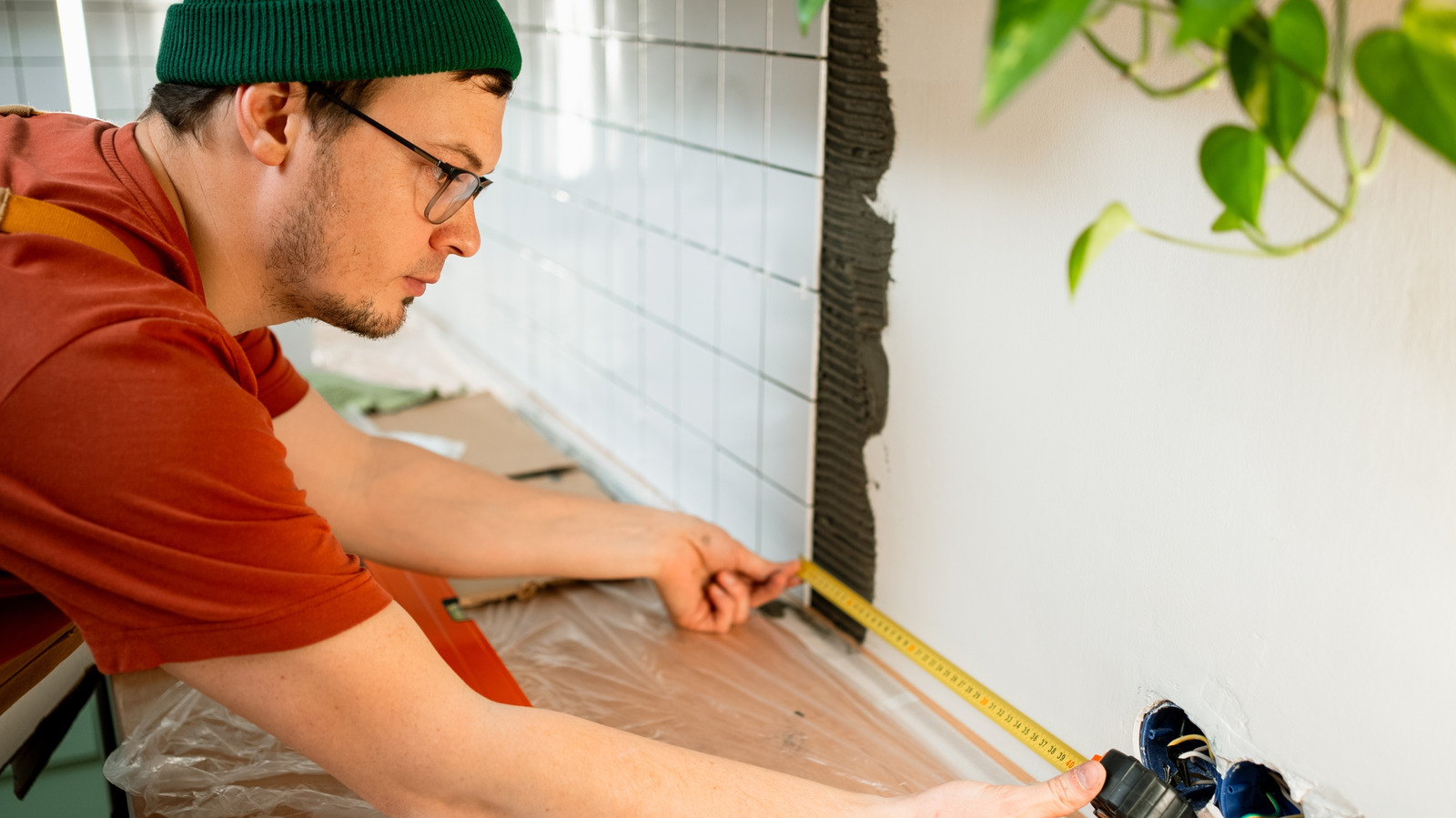
For homeowners, the process typically begins with accurate measurement. Panels are generally manufactured in lengths ranging from 6 to 12 feet. For a standard backsplash, 8-foot panels are often ideal as they align with common ceiling heights, minimizing the need for horizontal seams.
- Preparation: Ensure the drywall is clean and level. While metal can be mounted directly over existing tile, it is often better to remove the tile to ensure the metal sits flush against the wall.
- Cutting: Measure the space between the countertop and the underside of the upper cabinets. Use an angle grinder to cut the panels to the desired height.
- Mounting: Use a level to ensure the first panel is perfectly vertical. Secure the panels into the wall studs using screws. If mounting into drywall without a stud, high-quality wall anchors are necessary to prevent the metal from sagging.
- Sealing: While the metal itself is water-resistant, it is good practice to apply a thin bead of silicone sealant at the junction where the metal meets the countertop to prevent water from seeping behind the panels.
Implications for the Design Industry
The rise of the corrugated metal backsplash carries significant implications for the future of interior design. It signals a move away from the "perfectionism" of the 2000s—where everything had to be uniform and sterile—toward a more honest, tactile approach to home design.
From a real estate perspective, such a bold design choice is a double-edged sword. While it creates an undeniable "wow factor" that can distinguish a property in a competitive market, it is also a polarizing aesthetic. Experts suggest that homeowners considering this upgrade should focus on the "fit and finish." A poorly installed metal backsplash looks like a cheap afterthought; a professionally installed, well-sealed, and appropriately styled metal backsplash looks like a deliberate design statement.
Conclusion: Is It Time to Say Goodbye to Tile?
The transition away from traditional tile and stone is not merely a passing fad; it is a response to the practical needs of the modern homeowner. Corrugated metal offers a unique intersection of history, durability, and raw beauty. Whether you are aiming to recreate the authentic feel of a rustic farmhouse or looking to introduce a sharp, industrial contrast to a modern kitchen, corrugated metal provides a versatile, cost-effective, and aesthetically striking solution.
By embracing this alternative, homeowners are not just changing their wall coverings; they are reclaiming the kitchen as a space where utility and art can coexist. As the industry continues to prioritize sustainable, long-lasting materials, corrugated metal stands poised to move from the periphery of design to the very heart of the home.
