

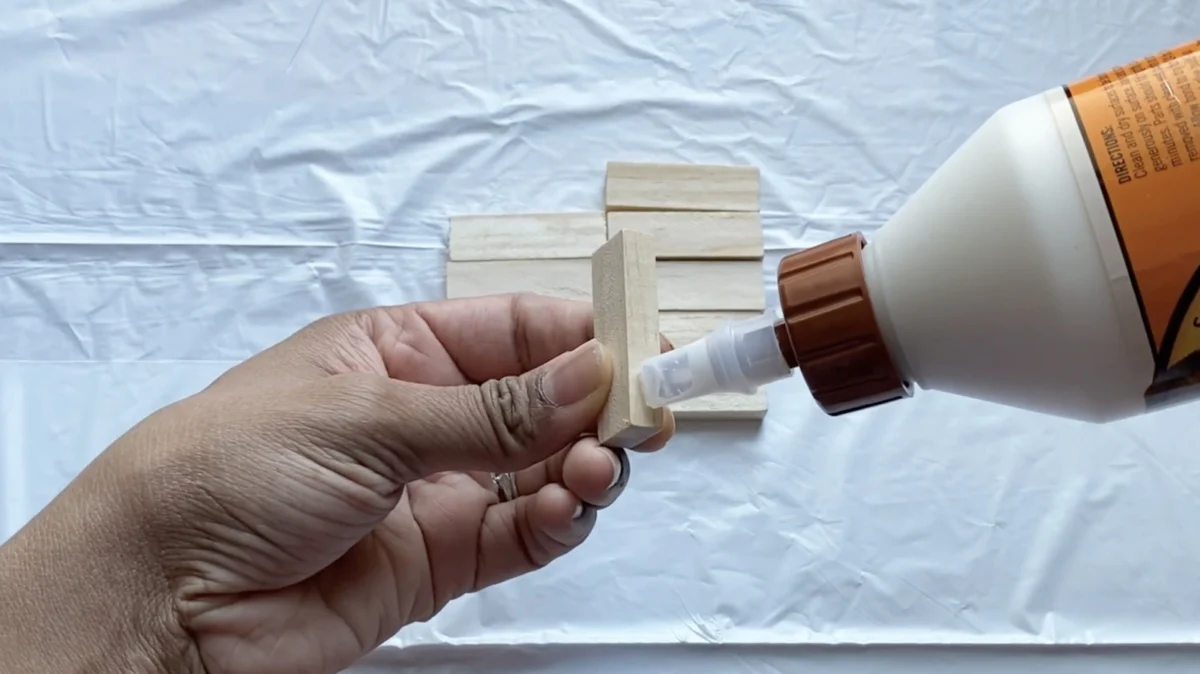
In the world of interior design, the divide between high-end aesthetics and budget-conscious living has never been thinner. As homeowners look for ways to refresh their living spaces without incurring significant costs, a growing trend has emerged: the “upcycled luxury” DIY movement. At the forefront of this trend is a clever, viral project that transforms humble, mass-produced plastic planters into sophisticated, architectural vases using nothing more than wooden tumbling tower game pieces.
This project, popularized by content creators such as Style My Sweets, highlights a broader shift in consumer behavior. With inflation impacting household budgets, DIY enthusiasts are increasingly turning to discount retailers like Dollar Tree not for their intended utility, but as a source of raw materials for bespoke home decor.
The Core Concept: Engineering Aesthetic Value
The fundamental premise of this DIY project is simple yet ingenious: the use of rhythmic, staggered geometry to mask the inexpensive, utilitarian nature of plastic containers. By cladding a standard, $1.50 plastic indoor/outdoor planter with pieces from a $1.75 "Tumbling Towers" game, crafters can construct a piece that mimics the look of high-end, artisan-made slatted wood decor often retailing for ten times the price in luxury boutiques.
The Anatomy of the Transformation
- The Base: A standard plastic planter (ideally with drainage holes).
- The Cladding: Wooden blocks from a classic tumbling tower game set.
- The Adhesive: High-temperature hot glue or a professional-grade construction adhesive.
- The Finish: Acrylic paints, wood stains, or unconventional textures like dried coffee grounds.
The magic lies in the staggering of the wooden blocks. By offsetting the rows, the creator achieves a three-dimensional, architectural depth that catches the light and adds a sense of organic movement to an otherwise static object.
A Chronological Guide to the Transformation Process
To understand the accessibility of this project, one must examine the step-by-step methodology employed by successful DIYers. This workflow is designed for both novices and experienced crafters.
Phase 1: Strategic Planning and Surface Preparation
Before any glue is applied, the surface of the plastic planter must be prepped. While most plastics have a smooth finish that allows for easy adhesion, a light sanding can help the glue bond more effectively. During this phase, crafters often map out their pattern. Deciding whether to align blocks horizontally, vertically, or in a "brick-lay" pattern is critical, as it dictates the final silhouette of the vase.
Phase 2: Structural Assembly
The process begins at the rim of the planter. By starting at the top, the crafter ensures that the most visible portion of the vase is perfectly aligned. As the rows descend, the inevitable circumference changes of the pot may require creative problem-solving. As noted by experts, when the blocks do not fit flush, overlapping them creates a dynamic, intentional look rather than an accidental one. This overlapping technique is a key design choice that elevates the project from "homemade" to "custom-built."
Phase 3: Artistic Finishing and Curing
Once the structure is fully assembled and the adhesive has set, the artistic phase begins. Painting the blocks allows the crafter to dictate the mood of the room. Some choose monochromatic palettes for a Scandinavian-minimalist look, while others employ creative techniques—such as the coffee-ground texture method—to introduce a distressed, "found-object" aesthetic.
Supporting Data: Why Upcycling is Trending
The surge in popularity for this specific project is not an isolated incident; it is part of a larger trend of "extreme frugality" in the home decor market. According to recent consumer sentiment reports, Gen Z and Millennial homeowners are shifting away from "fast furniture" in favor of items that provide both a unique aesthetic and a narrative—specifically, the narrative of having created it oneself.
The Economic Breakdown
- Cost Efficiency: A store-bought designer slatted vase can easily cost between $60 and $150.
- DIY Investment: A project utilizing Dollar Tree materials typically costs under $5.00, including the cost of glue and paint.
- Time-to-Value Ratio: Most crafters report that the project can be completed in a single afternoon (approximately 2–4 hours of active work), offering a high return on effort.
This economic disparity is driving a massive influx of viewers to DIY content platforms. YouTube and TikTok analytics show that videos featuring "Dollar Tree hacks" consistently outperform standard home decor content, suggesting that viewers are hungry for actionable, low-risk, high-reward creative projects.
Expert Perspectives and Professional Implications
Interior designers are beginning to take note of the "Dollar Tree DIY" phenomenon. While professional designers often prioritize durability and high-quality materials, they acknowledge the ingenuity involved in these budget hacks.
"The core of good design is texture and form," says Sarah Jennings, an independent interior decorator. "When you take a basic, mass-produced item and add a rhythmic element like these wood blocks, you are essentially creating a sculptural object. It isn’t about the cost of the materials; it’s about the intention of the design."
However, designers also warn of the limitations. "These pieces are decorative," notes industry expert Marcus Thorne. "They aren’t meant to withstand the elements of a heavy-duty gardening environment. If you are putting a live plant inside, you must ensure there is a secondary liner or an inner pot to prevent water from reaching the glue or the wood, which would cause the piece to warp or fail over time."
Implications for the Future of Home Decor
The rise of the wood-block vase signifies a deeper shift in how we perceive value in our homes. We are moving away from an era of consumption-based decorating and into an era of creation-based decorating.
1. Sustainability and Upcycling
By repurposing plastic planters that might otherwise end up in a landfill, this project contributes to a more circular economy. It encourages consumers to see "trash" or "cheap goods" as potential components for art.
2. Personalization in a Globalized Market
In a world where furniture catalogs look identical across the globe, DIY projects allow for personalization. By choosing specific stains, paint colors, or patterns, homeowners create pieces that are truly one-of-a-kind.
3. The "Third Place" for Creativity
Platforms like YouTube have become the new "third place"—a community center where skills are taught and shared. The fact that a video tutorial can guide thousands of people to create the same beautiful object demonstrates the democratization of design.
Conclusion: Crafting Your Own Design Narrative
The wood-block vase project is more than just a way to save money on decor; it is an exercise in creative agency. Whether you are a seasoned DIY veteran or a beginner looking to add a touch of warmth to your bookshelf, this project offers a low-barrier entry into the world of custom home styling.
By embracing the imperfections of the materials and the flexibility of the design, you can transform a $1.50 plastic pot into a centerpiece that serves as a conversation starter. As you look at your next project, remember the lesson of the tumbling tower blocks: beauty is often found in the most unassuming places, waiting for a little bit of glue, a splash of paint, and a fresh perspective.
Ultimately, the goal of home design is to create a space that reflects your personality and your values. When you take the time to build your own decor, you aren’t just filling a shelf; you are filling your home with items that carry the weight of your own ingenuity. And in today’s world, that is the ultimate luxury.
