

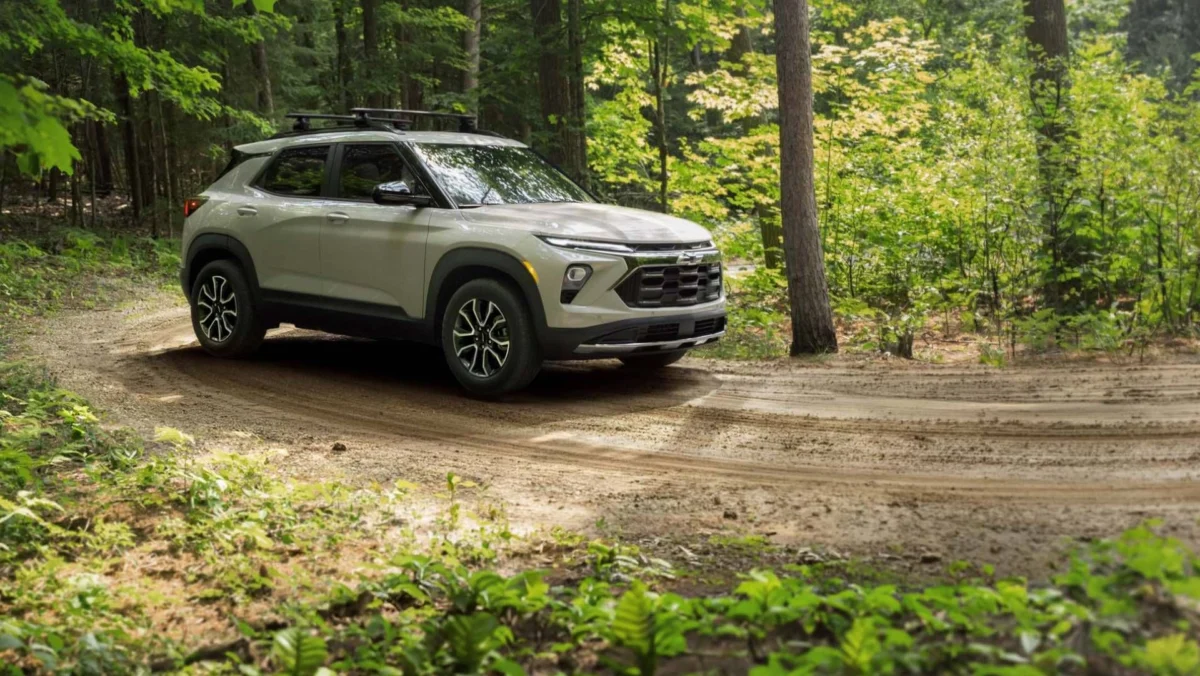
In the fiercely competitive landscape of the subcompact SUV market, Chevrolet has maintained a dominant presence in Canada, thanks largely to the accessible, versatile, and stylish nature of the Trax and the Trailblazer. As these models enter their fourth year since their current-generation debut, General Motors has announced a significant mid-cycle refresh for the 2027 model year. By infusing these entry-level vehicles with advanced digital architectures, sophisticated safety suites, and a new rugged trim for the Trailblazer, Chevrolet is signaling that "entry-level" no longer has to mean "bare-bones."
Since their last major redesign, these two vehicles have accounted for over 80,000 units sold across Canada, securing a vital foothold for the brand. The 2027 updates are not merely cosmetic; they represent a fundamental shift in how Chevrolet packages technology and safety in its most accessible price brackets.
Main Facts: A New Standard for Value and Tech
The 2027 updates for both the Trax and the Trailblazer focus on three pillars: modernization, safety, and customization. At the heart of the cabin overhaul is a significant digital upgrade. Both models now feature a stunning 11-inch digital instrument cluster paired with a massive 11.3-inch infotainment touchscreen. This configuration brings the user experience in line with Chevrolet’s more expensive SUV offerings, ensuring that buyers don’t feel penalized for choosing the brand’s smaller vehicles.
Furthermore, Chevrolet has integrated Google built-in across the lineup. To sweeten the deal, the company is including an OnStar Basics plan that provides up to eight years of connectivity, ensuring that the vehicle’s software remains relevant and functional well into the future.
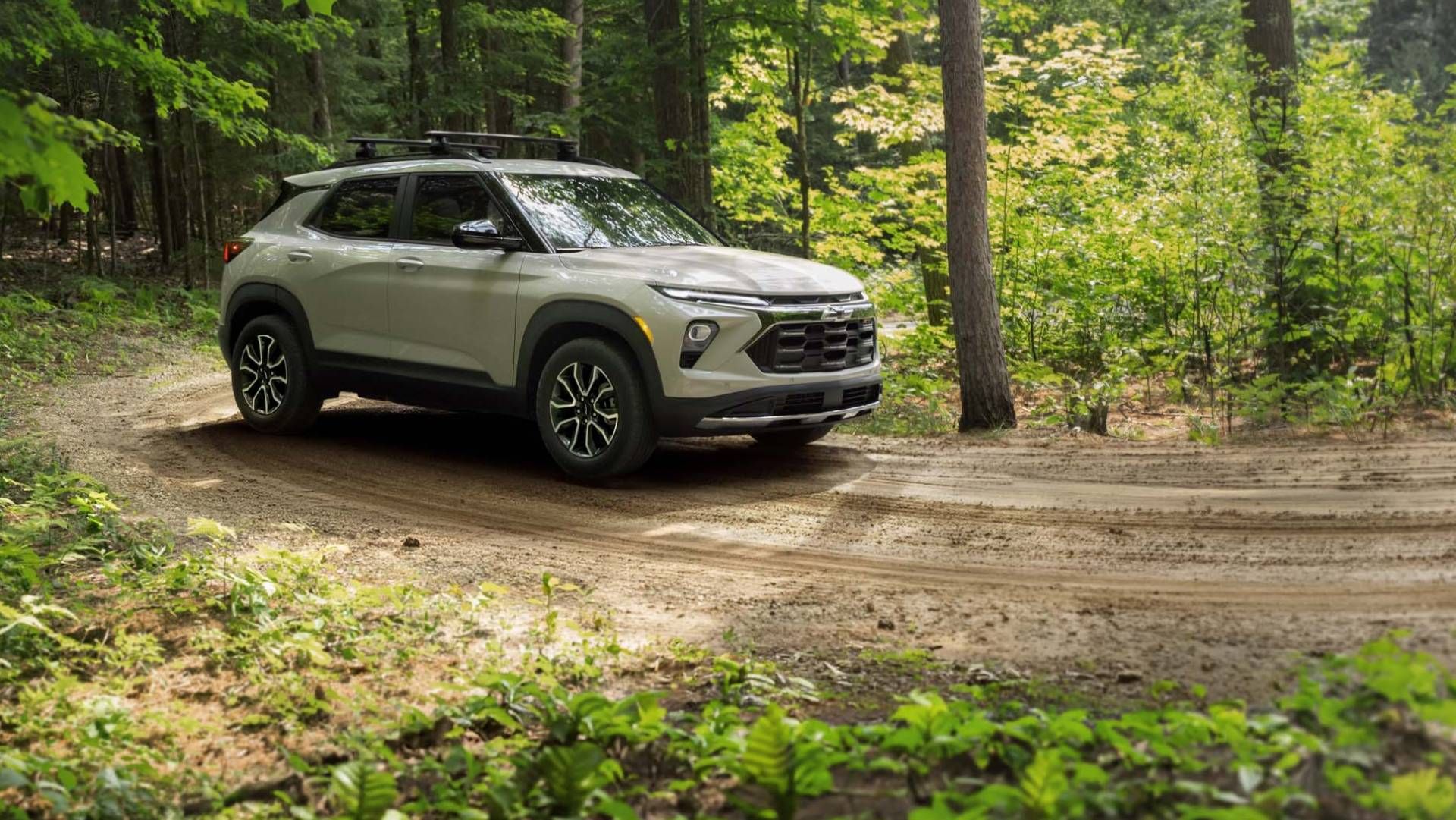
Beyond the screens, the structural foundation of these SUVs has been upgraded. A revised electrical architecture now supports a robust suite of over 20 standard safety and driver-assistance features. This represents a massive leap forward in standard equipment, moving safety tech that was once reserved for luxury segments into the mainstream, budget-friendly market.
Chronology of a Successful Segment
The success of the Trax and Trailblazer is a story of calculated evolution. Three years ago, when the current generations were introduced, they were lauded for breaking the mold of the "cheap" small SUV. The Trax emerged as a sleek, car-like crossover that prioritized city driving, while the Trailblazer leaned into a bolder, SUV-inspired aesthetic.
- 2024: The launch of the current generation cemented these two vehicles as the pillars of Chevrolet’s entry-level strategy.
- 2025-2026: Steady sales performance saw them become fixtures on Canadian roads, consistently hitting high volume targets.
- 2027 (Present): Chevrolet initiates a mid-cycle refresh, focusing on tech-integration and the introduction of the performance-oriented Z71 trim for the Trailblazer.
This timeline demonstrates Chevrolet’s commitment to the segment. By waiting three years to perform a major technology refresh, the brand has ensured that these vehicles remain competitive in a market that is increasingly defined by the quality of its infotainment and the efficacy of its driver-assist systems.
Supporting Data: Why Safety and Tech Sell
The Canadian automotive market has shown an increasing demand for "democratized technology." Data from the last three years suggests that consumers are no longer willing to sacrifice safety features for a lower price point.

The 2027 models address this by making the following features standard across the board:
- Collision Prevention: Reverse Automatic Braking, Intersection Automatic Emergency Braking, and Front Park Assist.
- Urban Safety: Side Bicyclist Alert, which monitors for cyclists alongside the vehicle—a critical feature for urban environments like Toronto or Vancouver.
- Convenience and Monitoring: Adaptive Cruise Control, Blind Zone Steering Assist, and a dedicated rear seat-belt indicator.
The inclusion of the "Safety Alert Seat" is particularly notable. Previously limited to high-trim GMC or Cadillac models, this feature provides haptic feedback to the driver, alerting them to potential hazards through vibrations in the seat cushion rather than just audible chimes, which can often be ignored in high-stress situations.
Official Responses and Strategic Implications
General Motors executives have noted that the strategy behind the 2027 refresh was to "future-proof" the brand’s entry-level segment. By standardizing the electrical architecture, Chevrolet has made it easier to push Over-the-Air (OTA) updates, meaning the cars of 2027 will likely be more capable in 2030 than they were on the day they left the factory.
"We wanted to ensure that the customer experience in a Trax or Trailblazer matches the expectations of a modern digital consumer," a Chevrolet spokesperson noted during the press briefing. "The 2027 model year is about removing the friction between the driver and the vehicle’s technology."

Deep Dive: The 2027 Trax Redesign
The 2027 Trax has undergone a refined aesthetic transformation. While maintaining its low-slung, athletic profile, it now features a revised front grille that looks sharper and more aggressive. The addition of new wheel styles and standard LED taillights gives the vehicle a more premium road presence.
Inside, the introduction of hexagonal dashboard vents provides a more industrial, high-quality aesthetic. The range has also been streamlined into three distinct personalities:
- LT: The balanced, value-focused trim with upgraded aesthetic rims.
- RS: The performance-inspired trim, featuring 19-inch wheels and aggressive styling cues that target younger buyers.
- Activ: The urban-rugged trim, which provides a unique front-end treatment and a slightly more utilitarian look.
For the first time, the Trax will also offer an optional power-operated liftgate, a luxury feature that significantly increases the vehicle’s daily usability for grocery runs or loading sports gear.
Deep Dive: The Trailblazer Z71
The most exciting addition to the 2027 roster is the Trailblazer Z71. While the Trailblazer has always flirted with off-road styling, the Z71 is the first time the model offers a truly "off-road-oriented" trim level for entry-level buyers.

Equipped with a factory-installed underbody skid plate, the Z71 is designed to handle light trails and rough terrain with more confidence than the standard AWD models. The off-road-tuned suspension allows for better articulation and comfort on uneven surfaces, while the more aggressive, all-terrain-capable rubber ensures grip in adverse weather conditions.
The cabin of the Z71 is equally distinct. Buyers can opt for a "Storm Sky Grey" interior scheme, which features bold orange accents that break up the traditional black-and-grey monotony of standard SUV interiors. Debossed front head restraints provide a tactile reminder of the trim’s specific identity, distinguishing it clearly from the LT and RS models.
Implications for the Canadian Market
The Canadian subcompact SUV segment is one of the most hotly contested areas of the automotive industry. With rivals like the Hyundai Kona, the Mazda CX-30, and the Toyota Corolla Cross, Chevrolet needed a significant differentiator. By leaning into the "Z71" brand—which holds significant cachet among off-road enthusiasts—and by drastically increasing the standard safety feature set, Chevrolet has placed itself in a strong position to maintain its 80,000-unit sales momentum.
The focus on "OnStar Basics" for eight years is a particularly shrewd move. It addresses the "subscription fatigue" that many consumers feel, providing a high-value service for the duration of a standard vehicle ownership cycle without the hidden monthly costs that often sour the ownership experience.

As we look toward the 2027 model year, the message from Chevrolet is clear: they are not interested in ceding the entry-level market. By providing the tools, the safety, and the tech that modern Canadians demand, the Trax and Trailblazer are positioned to continue their reign as the go-to choices for first-time buyers, small families, and urban adventurers alike.
In conclusion, the 2027 refresh is a masterclass in mid-cycle updates. It manages to modernize the aesthetics, significantly improve the safety profile, and add a layer of brand-specific performance flair with the Z71, all while maintaining the core value proposition that made these vehicles popular in the first place. For a brand looking to secure the next generation of drivers, these updates are not just recommended—they are essential.
