

By Catherina Gioino
While the fiscal fragility of U.S. transit agencies has dominated headlines, a more insidious crisis has been quietly hollowing out the sector: a persistent, systemic talent shortage. From administrative offices to frontline operations, transit agencies across the nation are grappling with vacancies that delay vital infrastructure projects and paralyze service delivery.
A recent report by TransitCenter, titled "People First," highlights that these staffing deficits are not merely a recruitment issue but a systemic failure to retain the human capital necessary to operate reliable public transit. However, in the heart of Texas, the Dallas Area Rapid Transit (DART) agency has emerged as a beacon of institutional transformation. By elevating the role of Human Resources and prioritizing employee well-being, DART has reversed a downward spiral, offering a replicable roadmap for agencies struggling to remain operational in a competitive labor market.
The Crisis Chronology: From Pandemic Paralysis to Strategic Pivot
The challenges faced by DART were not unique, but their response was. The narrative of DART’s recovery is rooted in the harsh realities of the COVID-19 pandemic. As ridership plummeted in early 2020, the agency—like many others—responded with drastic measures: service cuts, a hiring freeze, and voluntary retirement packages.
The Erosion of Capacity (2020–2021)
The immediate result of these austerity measures was the loss of approximately 500 staff members, primarily in operations. Rosa Medina-Cristobal, DART’s Vice President and Chief Human Resource Officer, recalls the era as one of profound institutional exhaustion.
"On the administrative side, it put a big burden on us because some departments were working on skeleton crews," Medina-Cristobal explains. "People were experiencing COVID fatigue during that time because they were working 12- or 13-hour days, doing their own jobs and other people’s jobs because we weren’t filling those positions."
The situation reached a breaking point when, in 2021, the DART board approved a new bus redesign plan requiring 100 additional operators—personnel the agency simply did not have. By then, the agency was suffering from a 15% to 16% attrition rate, as the competitive labor market lured workers away from the transit sector.
The Turning Point: Leadership and Autonomy (July 2021)
The trajectory shifted in July 2021 when Nadine Lee joined DART as President and CEO. Lee’s immediate priority was not a boardroom strategy but a listening tour. She engaged directly with the frontline workforce, where she was met with a clear, urgent message: the current operational model was unsustainable, and the staff were at their breaking point.
To empower HR to solve this, Lee took a structural step that changed the agency’s DNA: she moved Medina-Cristobal’s position to report directly to the CEO. By eliminating the corporate "buffer" between executive strategy and human capital management, Lee granted HR the autonomy, budget, and authority required to treat talent acquisition as a core operational pillar rather than a support function.
Data-Driven Advocacy: Winning Over the Board
One of the most significant hurdles for public agencies is securing board-level buy-in for radical HR reform. Medina-Cristobal recognized that the DART board was not inherently opposed to hiring—they were simply operating under the weight of outdated fiscal caution.
"I put the data in front of them, and they totally understood and were supportive," says Medina-Cristobal. By presenting monthly updates on separation numbers, recruitment barriers, and the tangible link between staffing shortages and service degradation, she transformed the board’s perception of HR. The "light bulb" moment occurred when board members realized that without a robust, well-funded HR strategy, the agency’s long-term service goals were impossible to achieve.
The Operational Turnaround
With full support from the CEO and the board, DART executed a series of high-impact changes:
- Streamlined Recruitment: The agency cut the hiring process duration by more than half—from 145 days down to 70.
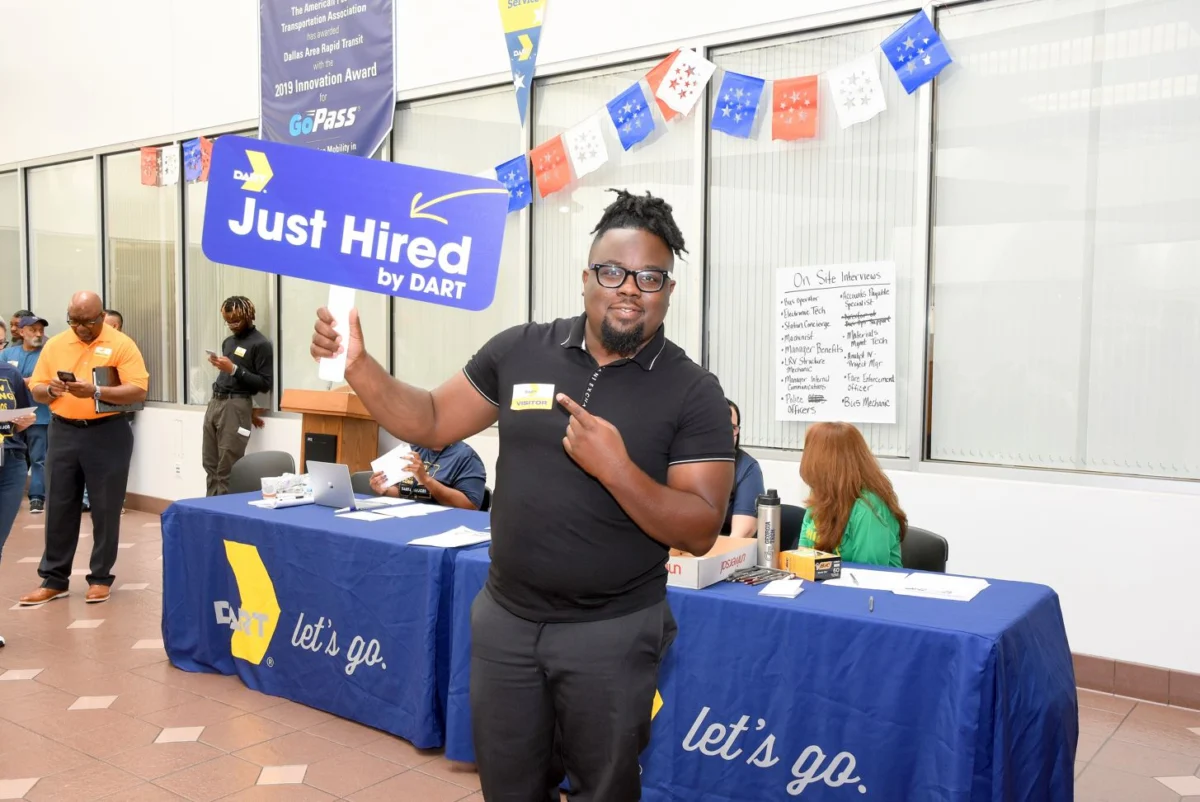
- On-Site Hiring Events: By enabling applicants to apply, interview, and receive contingent job offers on the same day, DART removed the bureaucratic friction that often drives candidates to the private sector.
- Compensation Alignment: Following a 2021 compensation study funded by post-COVID sales tax revenues, DART increased its salary and wages budget by $30.4 million (an 11.5% hike), ensuring competitive pay scales.
- Frontline Support: Recognizing a disconnect between management and staff, the agency implemented comprehensive supervisor training programs and career development paths to foster long-term retention.
Implications for the Transit Sector
DART’s journey provides a stark lesson for the broader transit industry: you cannot recruit your way out of a retention crisis. As Medina-Cristobal emphasizes, "If you don’t put as much effort into your workforce development as you do into your recruiting, then you’re losing the battle."
The "Comprehensive Approach"
Many agencies fall into the trap of believing that a higher base salary is a panacea. However, DART’s success suggests that retention is a multi-faceted endeavor. It involves:
- Cultural Integration: Ensuring that leadership listens to the needs of the workforce.
- Structural Support: Giving HR the seat at the table required to influence executive decision-making.
- Process Efficiency: Reducing the time-to-hire to match the speed of the modern labor market.
- Workforce Development: Providing clear, upward mobility pathways so employees see a future at the agency, not just a paycheck.
A Metric of Success
As of 2024, DART is 91% staffed, with its operations and maintenance divisions operating at full capacity. The focus has now shifted to filling the remaining administrative and specialized roles, and, more importantly, cementing a culture of resilience.
"I think DART is a great place to work," Medina-Cristobal says. "I would love to keep developing our workforce so that in the future, if we ever come across anything like a pandemic, our employees know that they’re safe and secure here and that there are lots of opportunities for them to continue to grow."
Conclusion: The Path Forward
The crisis in public transit is not solely a matter of funding or ridership numbers; it is a crisis of institutional management. DART’s success proves that when agencies treat their human capital with the same rigor and strategic foresight applied to infrastructure projects, they can weather even the most difficult economic storms.
For other agencies looking to replicate this success, the advice is clear: stop treating HR as a back-office utility. Elevate it, fund it, and empower it. The future of reliable, equitable public transportation depends on the people behind the wheel, in the maintenance bays, and at the drafting desks. By prioritizing the "People First" philosophy, transit agencies can ensure that when the next challenge arrives, they will have the resilient, dedicated workforce necessary to keep the cities moving.
