

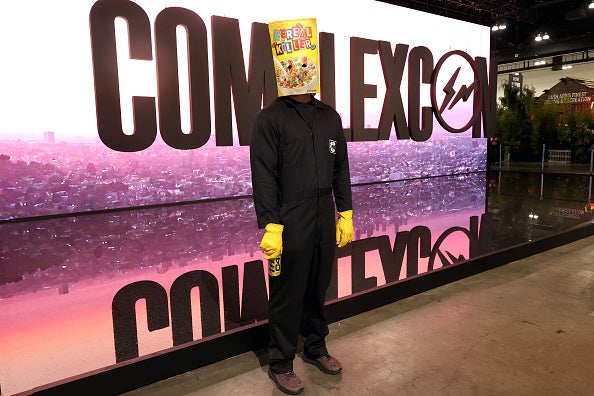
LOS ANGELES — The intersection of high fashion, disruptive art, and the pulse of global music converged this October as ComplexCon celebrated its landmark 10th anniversary. Marking its first-ever full-scale edition in Los Angeles—widely considered the spiritual and commercial capital of modern streetwear—the festival transformed the Los Angeles Convention Center and the neighboring Crypto.com Arena into a sprawling laboratory of pop culture.
From October 3 to 4, 2026, more than 300 brands and tens of thousands of attendees gathered to witness the evolution of the "fan con." What began a decade ago as a niche gathering for "hypebeasts" has matured into a sophisticated multi-industry summit. This year’s iteration was bolstered by the concurrent running of the Family Style Food Festival and ThriftCon, creating a holistic ecosystem that catered to every facet of the modern consumer’s lifestyle.
Main Facts: The Scale of a Cultural Milestone
ComplexCon 2026 was defined by its massive footprint and its ability to bridge the gap between digital influence and physical experience. The 10th-anniversary event saw an unprecedented level of investment from blue-chip sponsors and independent creators alike.
Key highlights of the 2026 edition included:
- A Dual-Venue Takeover: By utilizing both the Convention Center for exhibitions and the Crypto.com Arena for major performances and panels, the event bridged the gap between trade show and stadium-level entertainment.
- The "New New York" Aesthetic: Despite the L.A. setting, a recurring motif of New York City urbanism dominated the show floor, signaling a nostalgic return to the roots of streetwear.
- High-Stakes Gamification: Brands moved away from simple "drops" toward merit-based acquisitions, including foot races and physical challenges for exclusive merchandise.
- Financial Integration: Cash App’s "Lightning Lake" activation became a focal point, merging the abstract world of cryptocurrency with the tangible sport of fishing, resulting in a payout of a full Bitcoin (valued at approximately $85,000) to one lucky attendee.
Chronology: Two Days of High-Octane Activation
Day One: The Rush of Discovery
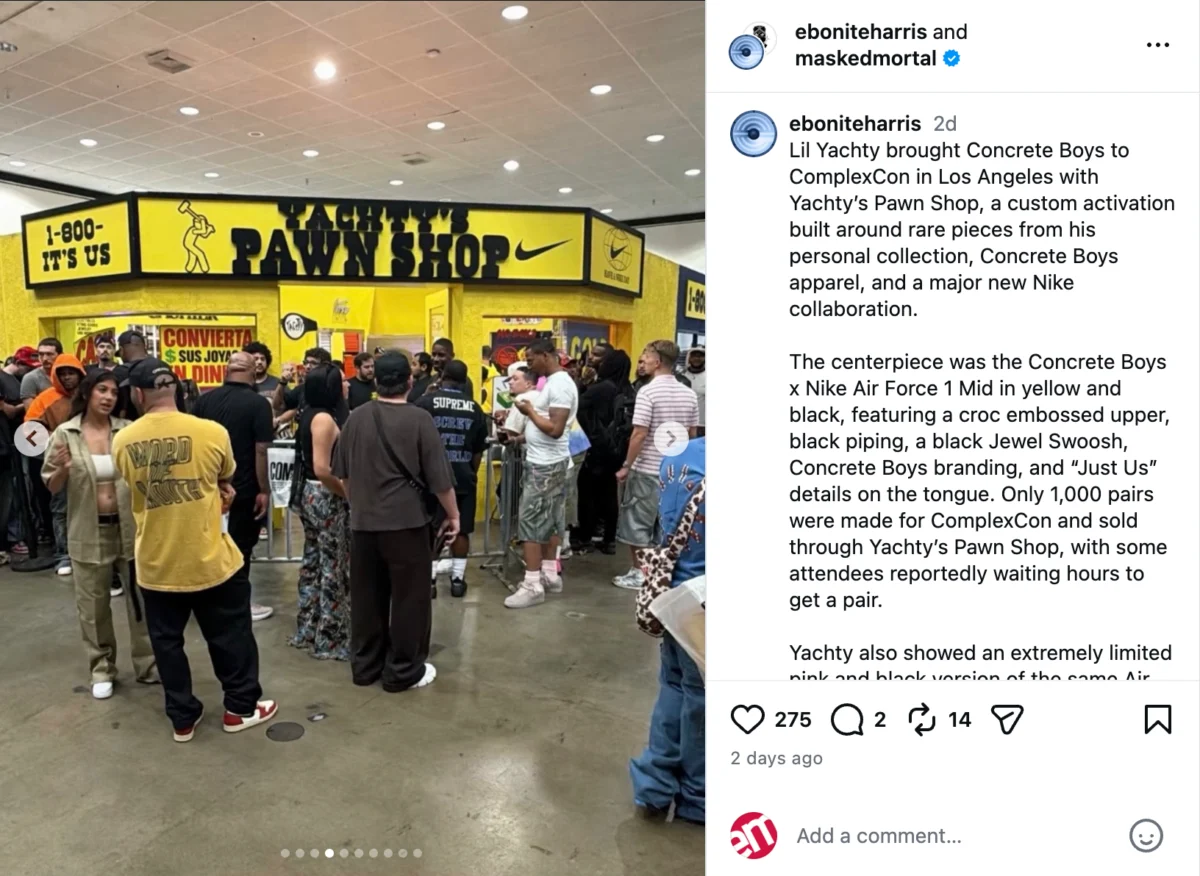
The doors opened on October 3 to a line that wrapped around the Figueroa Street corridor. The initial hours were dominated by "VIP Early Access" holders, who scrambled toward the "Yachty’s Pawn Shop" and the Foot Locker subway installation. By midday, the Convention Center was a sea of limited-edition sneakers and archival designer pieces.
The afternoon of Day One focused on intellectual exchange. Panels at the Crypto.com Arena featured industry titans discussing the "Future of the Drop" and the role of Artificial Intelligence in creative design. As evening approached, the focus shifted to the Family Style Food Festival, where culinary icons collaborated with streetwear brands on "edible merch," proving that the palate is the next frontier for brand expansion.
Day Two: The Pivot to Performance and Community
October 4 saw a shift from commerce to community. While the show floor remained bustling, the programming leaned heavily into physical participation. The "Spin the Block" race and Puma’s treadmill challenges drew massive crowds of spectators.
The festival concluded with a series of high-profile "listening sessions," most notably Meta’s collaboration with Victoria Monét. The final hours were marked by the "Sunday Restock" culture, where Foot Locker utilized exclusive MetroCards to release previously "sold-out" inventory, keeping the energy high until the final curtain call.
Supporting Data: Trend Analysis and Exhibit Highlights
To understand the success of ComplexCon’s 10th year, one must look at the specific themes that resonated across the 300-plus brand footprints. The editorial team identified four primary trends that defined the exhibition landscape.
1. The Urban Simulation (City Life)
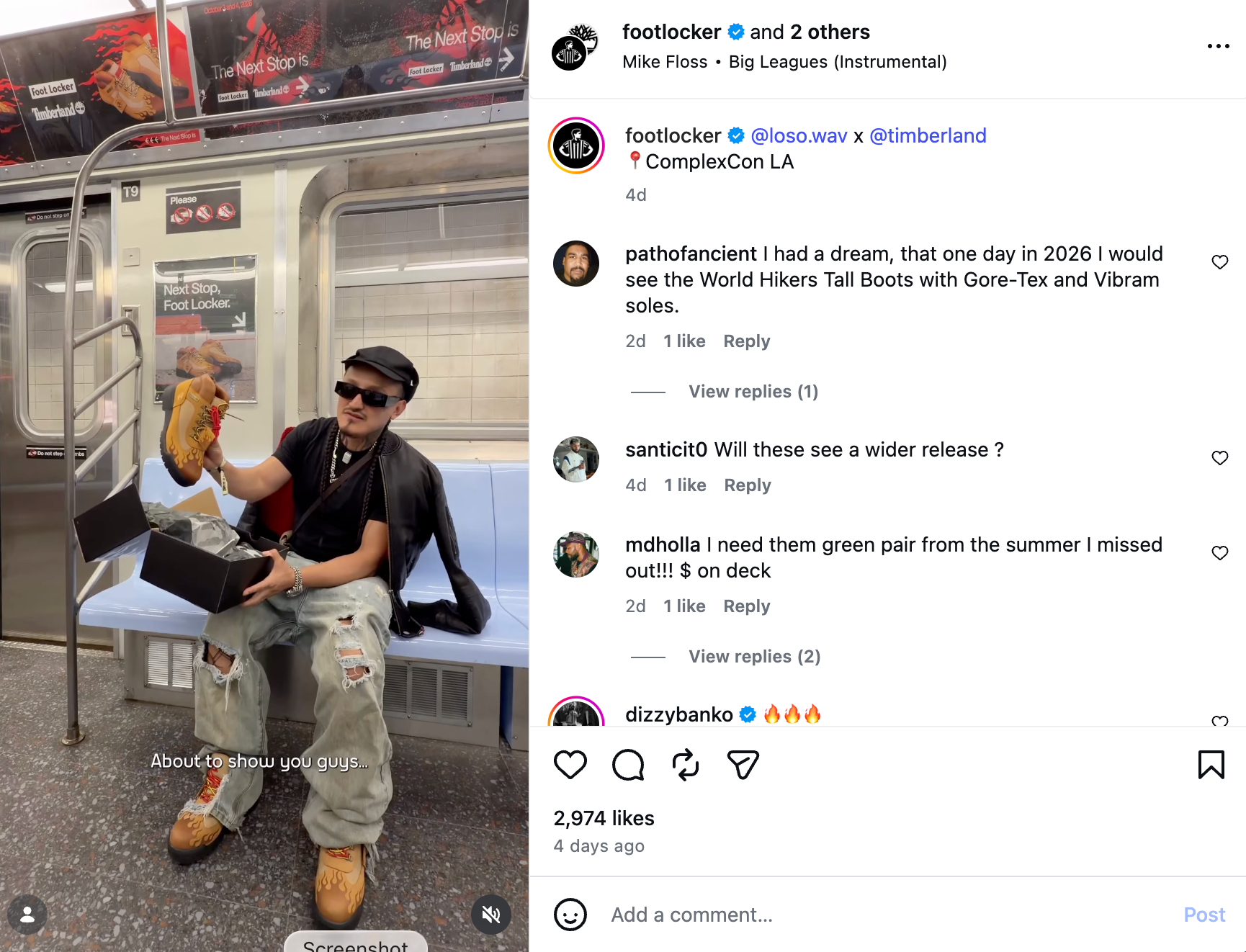
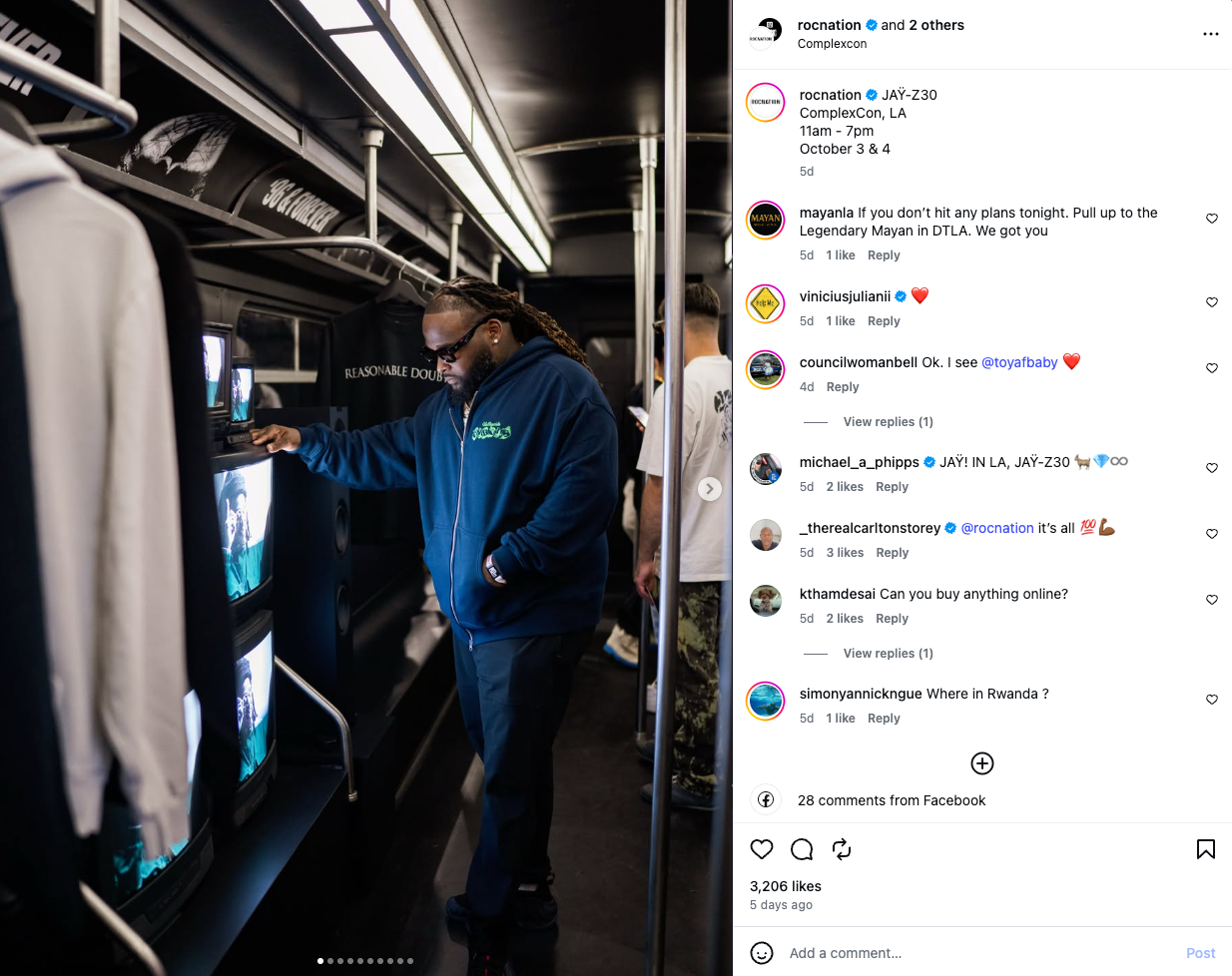
The most pervasive aesthetic was "Hyper-Realistic Urbanism." Foot Locker and Timberland set the gold standard with a to-scale NYC subway car. This wasn’t merely a backdrop; it was a functional retail space where "ads" served as product catalogs. Similarly, JAY-Z 30 celebrated the mogul’s three-decade career with a museum-grade subway installation that utilized "windows" as digital screens for iconic performance footage.
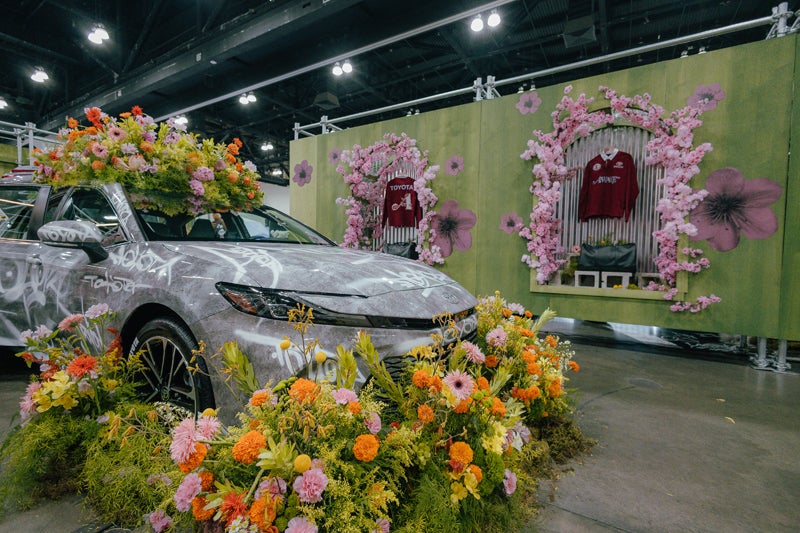
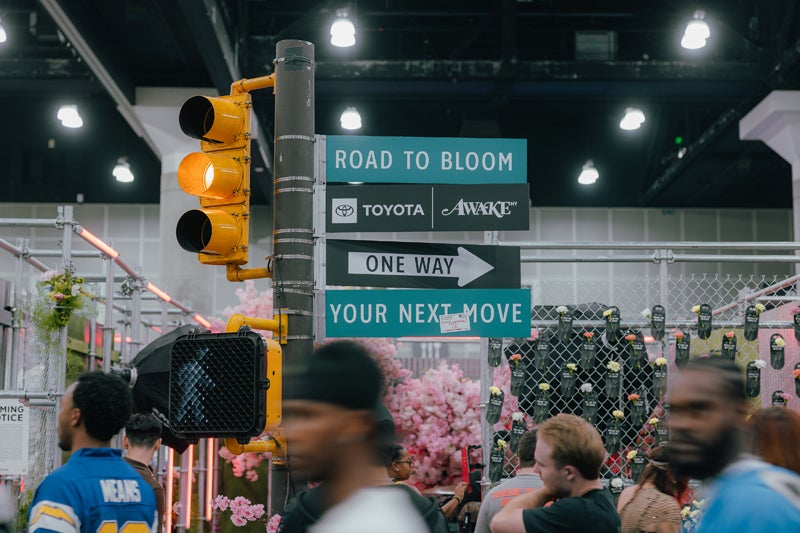
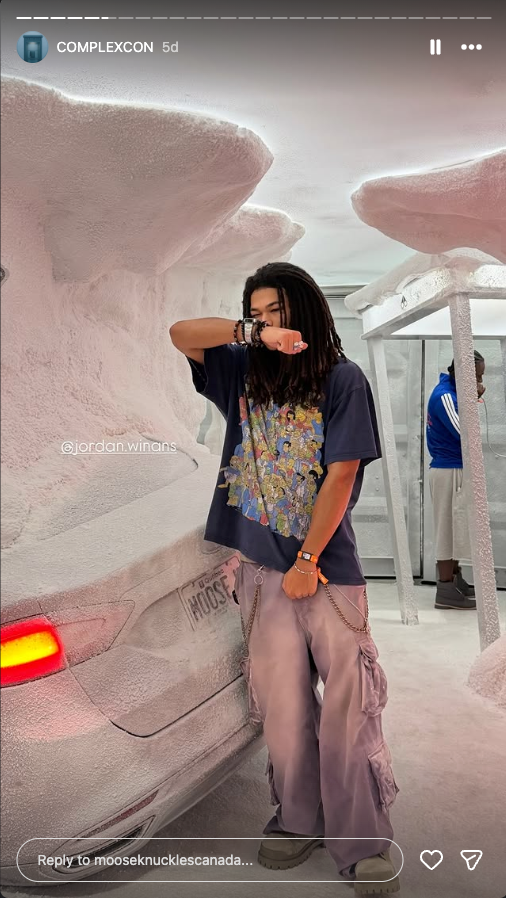
Toyota and Awake NY followed suit, creating a cityscape that balanced the "gritty" (metal fencing and traffic lights) with the "natural" (lush floral arrangements). This juxtaposition underscored Toyota’s "Road to Bloom" campaign, suggesting that even within the concrete jungle, brand sustainability and beauty can flourish.
2. The Bifurcation of the VIP Experience
A significant shift in 2026 was the move toward "Hidden Experiences." While the general public enjoyed expansive booths, brands like Lexus and Meta created "Inception-style" layers within their footprints.
- Lexus: Offered the "Kissa" (a public matcha/coffee bar) but hid the "Kakurega" (a secret lounge) for 30-minute private storytelling and tasting sessions.
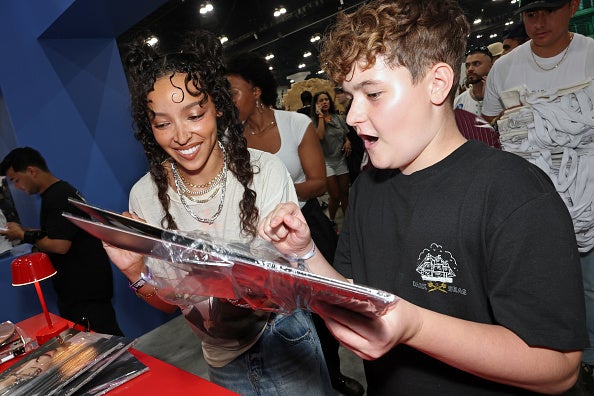
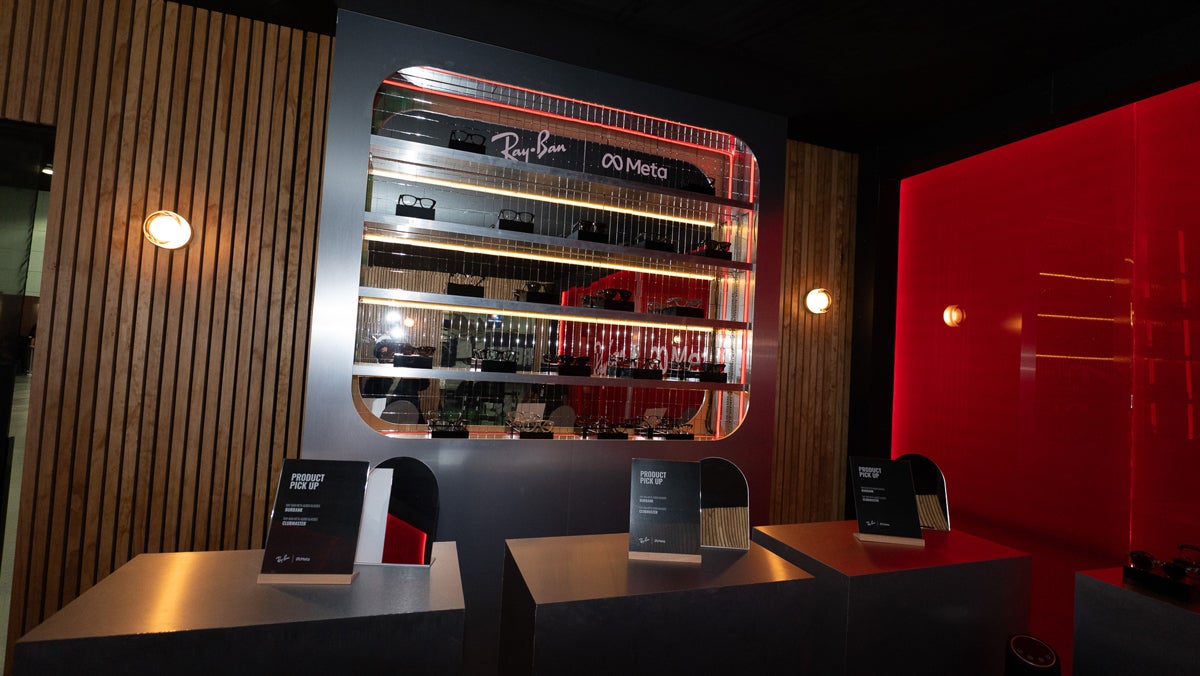
- Meta: Allowed all fans to test the Ray-Ban Meta Audio AI glasses, but reserved a silent-listening Q&A with Victoria Monét for a curated group of VIPs.
3. Physical Meritocracy (Foot Races)
The "hype" was no longer just about who had the fastest internet connection to click "buy." It was about who had the fastest feet. Puma and 247 by Represent hosted 100-meter treadmill sprints where winners earned unreleased footwear. Meanwhile, Brooks and PYNRS’s "Spin the Block" event rewarded not just speed, but "flyness" and "vibes," broadening the definition of what it means to be an "athlete" in the streetwear space.
4. The Analog Renaissance
In an increasingly digital world, the most successful booths were those that embraced tactile, low-tech joy.
- The WNBA: Celebrated its 30th anniversary with a massive 1996-themed gumball machine.
- Stript: Created a pink boardwalk playground complete with ring tosses, a mini-carousel, and a claw machine.
- Cash App: By creating "Lightning Lake," they turned Bitcoin—a digital asset—into something you could "catch" with a physical fishing rod.
Official Responses: Organizers and Brand Perspectives
Reflecting on the decade-long journey, spokespeople for Complex expressed that the move to Los Angeles was a strategic "homecoming."
"ComplexCon has always been about the physical manifestation of our digital ecosystem," said a lead event strategist. "By bringing the 10th anniversary to the L.A. Convention Center, we were able to tap into the local DNA of Hollywood, Fairfax, and the emerging tech scene in Silicon Beach. This wasn’t just a shop; it was a cultural census."
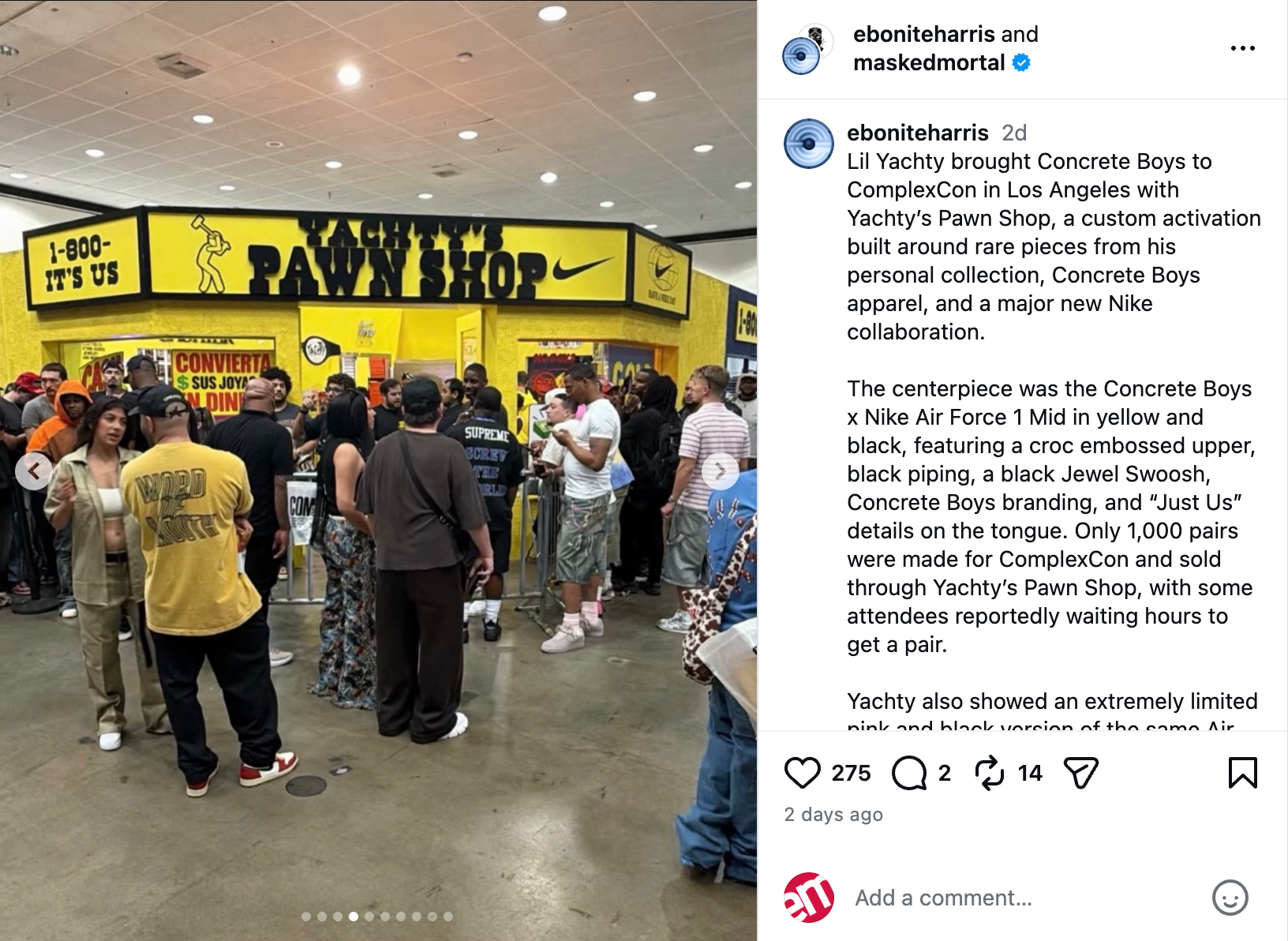
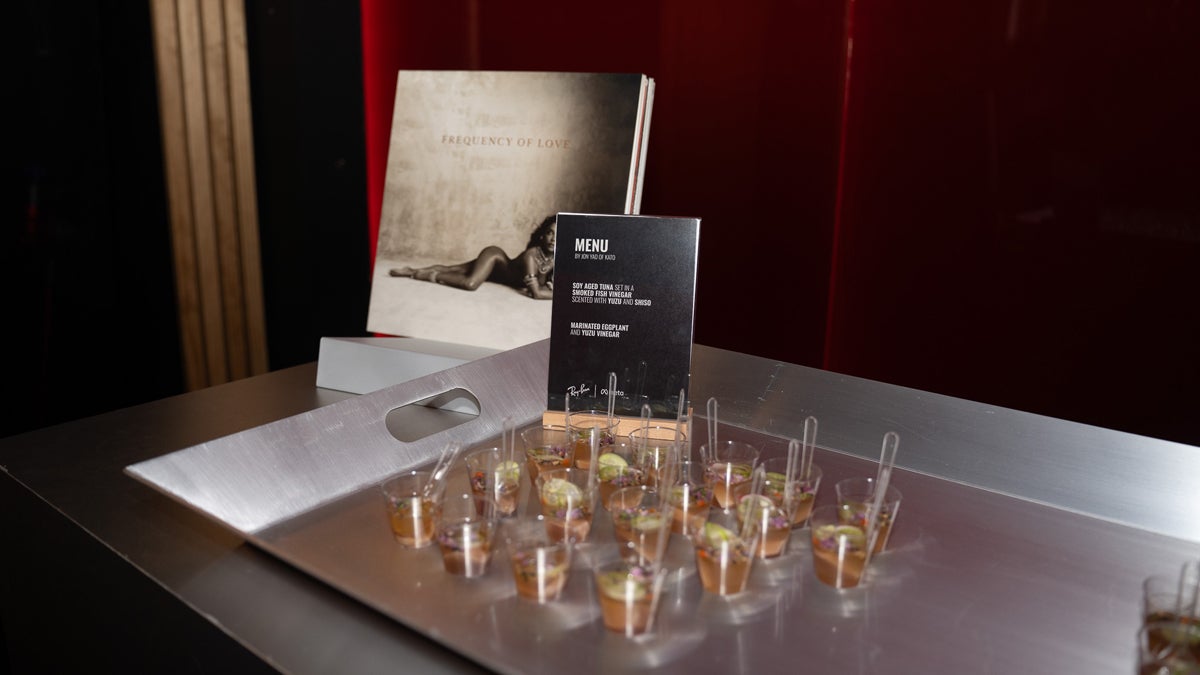
Representatives from Meta noted that the integration of Victoria Monét was essential for demonstrating the utility of their AI hardware. "We didn’t want people to just look at the glasses; we wanted them to hear the ‘Frequency of Love’ through them," a Meta marketing executive stated. "The intimacy of the VIP listening session proved that even in a crowd of 50,000, we can create a personal connection."
Similarly, a Lexus spokesperson highlighted the concept of Omotenashi (Japanese hospitality): "At a high-energy event like ComplexCon, the most valuable thing you can offer a guest is a moment of calm and a curated story. Our ‘Kakurega’ was designed to be that sanctuary."
Implications: The Future of the "Fan Con" Model
The success of ComplexCon 2026 suggests several long-term shifts in the retail and entertainment industries:
1. The Death of the Traditional Booth: Static displays are no longer sufficient. The "City Life" and "Analog Playground" themes prove that consumers demand immersive environments that offer "Instagrammable" moments coupled with interactive rewards.
2. The Integration of "Phygital" Rewards: Cash App’s Bitcoin fishing and Foot Locker’s MetroCard restocks demonstrate that the most effective way to engage Gen Z and Gen Alpha is to blur the lines between digital assets and physical scavenger hunts.
3. Streetwear as a Wellness Category: The prominence of foot races and athletic challenges suggests that the streetwear community is pivoting toward health and performance. The "flyest runner" is the new "coolest collector."
4. L.A. as the Permanent Hub: While ComplexCon has traveled to cities like Chicago and Hong Kong, the sheer scale and brand participation in the 2026 Los Angeles edition solidify the city’s status as the primary theater for these cultural spectacles.
As ComplexCon enters its second decade, it has moved beyond the "sneakerhead" trope to become a sophisticated barometer for global consumer trends. The 10th anniversary was more than a celebration of the past; it was a blueprint for how brands will interact with their audiences in an increasingly experiential future. For the tens of thousands who attended, the message was clear: the next ten years of culture will not be watched on a screen—they will be experienced on the ground, in the streets, and at the finish line.
