


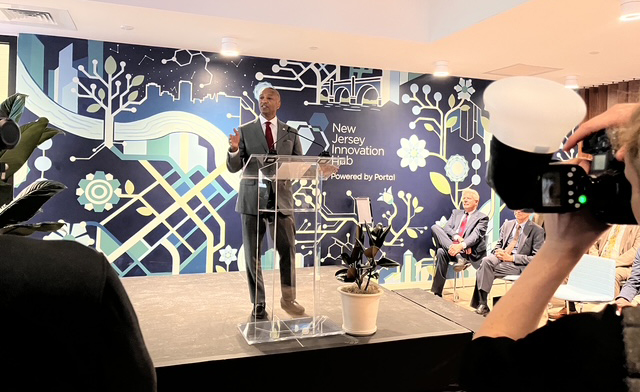
New Brunswick, New Jersey, is no longer just a "Hub City" known for its historic academic and industrial roots; it is rapidly transforming into the premier epicenter of the life sciences revolution. With the official ribbon-cutting of the New Jersey Innovation Hub at the Health + Science Exchange (HELIX) on October 6, the state has signaled a bold commitment to fostering a collaborative, high-intensity environment for biotechnology. Much like the storied music scene of Asbury Park served as a crucible for legendary talent, the new Innovation Hub is positioned to be the "Court Tavern of biotech"—a gritty, collaborative, and creative space designed to incubate the next generation of life-changing science.
The Foundation of a New Era
Since its soft launch in July at the HELIX H-1 building, located at 20 French St., the Innovation Hub has seen rapid momentum. In just a few months, the facility has expanded from 16 to 21 member companies, reflecting a voracious appetite for specialized laboratory and office space in the region.
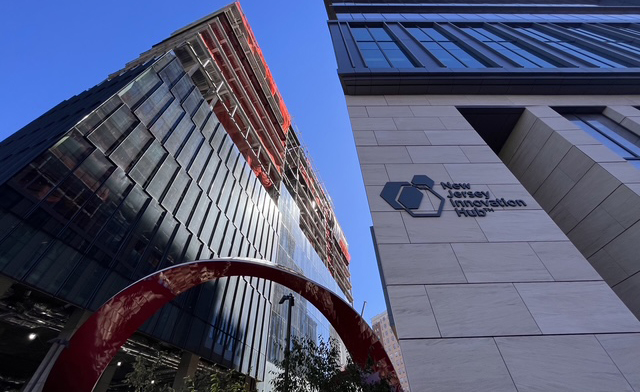
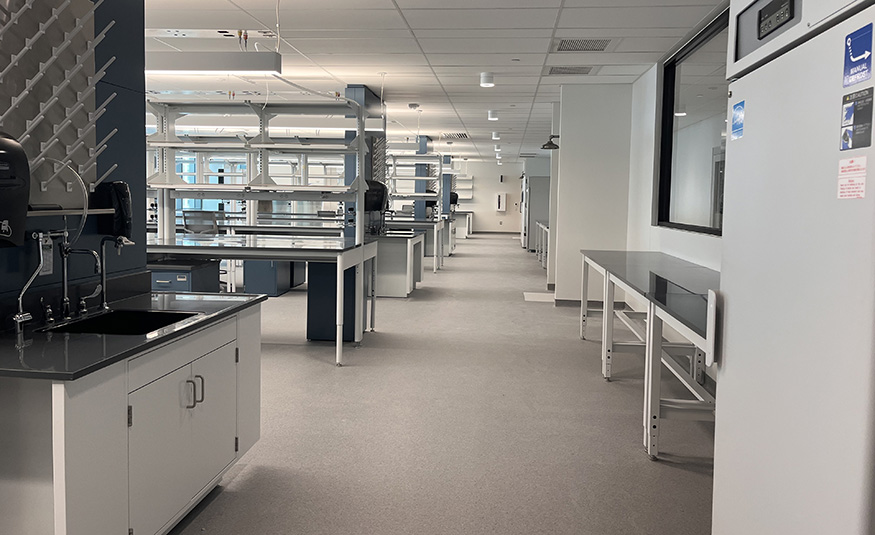
Powered by the venture development firm Portal Innovations, the 30,000-square-foot facility is far more than a collection of desks. It is a sophisticated infrastructure designed for speed and precision. The ninth-floor space boasts over 140 lab benches, more than $2 million in shared, state-of-the-art specialized equipment, and direct access to a massive 35,000-square-foot vivarium. By removing the capital-heavy barriers that typically stifle early-stage biotech startups, the Hub allows entrepreneurs to focus on what matters most: the science.
Chronology of Development
The realization of the New Jersey Innovation Hub is the result of years of strategic planning and legislative effort.
- 2020: The passage of the New Jersey Economic Recovery Act provided the crucial policy framework necessary to incentivize life sciences investment and large-scale infrastructure projects.
- 2025: The landscape of New Brunswick shifted dramatically with the opening of the Jack & Sheryl Morris Cancer Center, New Jersey’s first freestanding hospital of its kind, establishing the city as a medical destination.
- July 2026: The New Jersey Innovation Hub officially opened its doors at HELIX H-1, providing immediate lab and office capacity for early-stage companies.
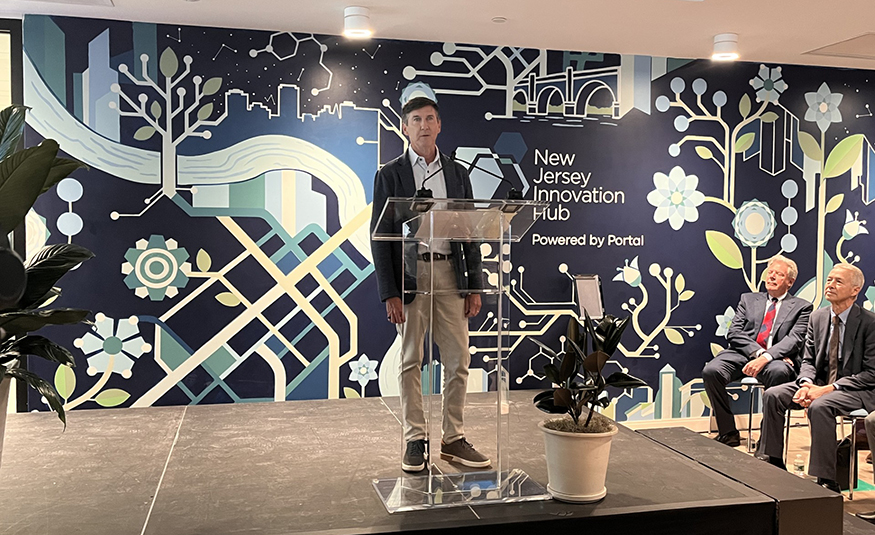
- October 6, 2026: A landmark ribbon-cutting ceremony formally introduced the Hub to the public, featuring a coalition of industry, government, and academic leaders.
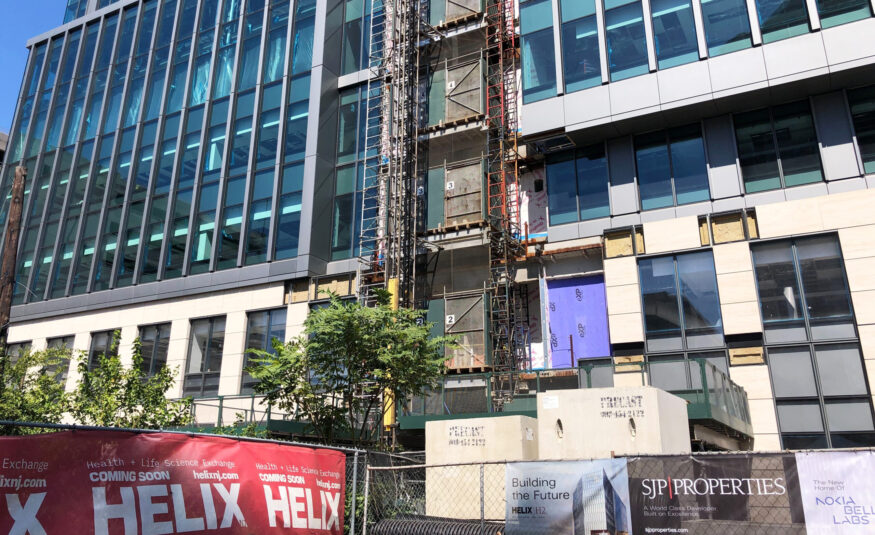
- Ongoing: Construction continues on the broader HELIX campus, including the H-2 tower—the future headquarters of Nokia Bell Labs—and the H-3 tower, which will integrate residential and additional commercial space.
Supporting Data and Strategic Advantages
New Brunswick’s emergence as a life sciences titan is supported by hard numbers and geographic necessity. According to the U.S. Census Bureau, the healthcare and social assistance sector in New Brunswick contributes a staggering $2.5 billion in annual revenue. This concentration of medical and economic power is bolstered by proximity to the Northeast Corridor rail line, placing the Hub within a convenient commute for talent based in New York City and Philadelphia.
Portal Innovations’ strategy, termed "crafted capital," is designed to address the "valley of death" that often claims promising biotech startups before they reach clinical trials. By providing "gritty", hands-on support, the firm helps entrepreneurs mitigate risk, making their ventures more attractive to downstream investors during Series A and B funding rounds. As CEO John Flavin noted, "We back the entrepreneur and help them mitigate risks so that those ideas become more investible."
The talent pool is perhaps the state’s greatest asset. With an established workforce of veteran scientists and researchers who have successfully navigated the FDA pipeline, New Jersey offers a depth of experience that is difficult to replicate in newer, less-established biotech markets.
Official Responses and Strategic Vision
The ceremony brought together the key architects of the project, each emphasizing a different pillar of the Hub’s success.

John Flavin, Founder and CEO of Portal Innovations:
Flavin highlighted three "obvious" reasons for Portal’s presence in New Jersey: the state’s storied legacy of innovation, the robust academic-medical infrastructure, and the belief that "New Brunswick is the future." He emphasized that building a biotech company requires more than just money; it requires a community of researchers, physicians, and industry giants who can carry an innovation from a laboratory bench to a patient’s bedside.
Christopher Paladino, President of the New Brunswick Development Corp. (DEVCO):
Paladino, who was also honored as a 2026 New Jersey Hall of Fame inductee, described the project as a "marathon relay." He noted that while the H-1 building is the current focus, the total HELIX project—a four-acre innovation district—will eventually stand as a trio of towers that will permanently redefine the city’s skyline. "What we can accomplish together is greater than what we can accomplish alone," he stated, reflecting the spirit of the entire development.
Joaquin Duato, Chairman and CEO of Johnson & Johnson:
Duato reminded attendees that his company’s roots in New Brunswick date back to 1886. "This state has been central in our past, and it is also central in our future," Duato remarked. He stressed that maintaining global leadership in science requires a constant renewal of investment in talent and next-generation innovators, identifying the Hub as the perfect site for that collaboration.
William Tate IV, President of Rutgers University:
Tate focused on the role of public policy, specifically crediting the 2020 Economic Recovery Act for creating the mechanisms that allow such partnerships to flourish. "Rutgers is prepared to ensure that competitive advantage is earned," he asserted, noting the university’s commitment to bridging the gap between academic research and commercial application.

Implications for the Future of Biotech
The implications of the New Jersey Innovation Hub extend far beyond the immediate economic growth of Middlesex County. By centralizing the ecosystem—bringing together academia, government, large pharma, and scrappy startups—the Hub is creating a "flywheel effect."
The presence of the New Brunswick train station, which sees 750,000 potential commuters and industry professionals pass by daily, serves as a physical advertisement for the city’s ambition. As NJEDA CEO Evan Weiss pointed out, the accessibility of the site makes it a natural magnet for anyone looking to enter the innovation economy.

For residents and the state at large, the Hub is designed to ensure that the growth taking place in New Brunswick benefits the local population through job creation and long-term career opportunities. It serves as a reminder that the "New New Brunswick" is not just about real estate development; it is about building a sustainable, high-growth economy that keeps New Jersey at the center of the global life sciences industry.
As the campus continues to expand—with H-2 (Nokia Bell Labs) and H-3 on the horizon—the "breath of beginning" mentioned by Paladino feels tangible. The goal was never to predict every individual breakthrough that will emerge from these walls; the goal was to create a place where the unexpected and the transformative could happen. With the infrastructure in place, the talent gathered, and the capital flowing, the New Jersey Innovation Hub has effectively started its race, and it is showing no signs of slowing down.
In an industry defined by the relentless pursuit of the next cure, the New Jersey Innovation Hub provides the missing piece: a home for the dreamers and the doers, rooted in a city that has finally found the rhythm of the future.
