

Plainsboro, NJ – [Insert Date of Publication] – Veolia, a global leader in optimized resource management, has announced the successful completion of a transformative $58 million project to replace its 55-year-old wastewater treatment facility in Middlesex County with a cutting-edge, resilient, and environmentally advanced plant. The newly commissioned Princeton Meadows Wastewater Treatment Facility, located in Plainsboro, represents a significant investment in the region’s infrastructure, promising enhanced treatment capabilities, robust protection against extreme weather events, and steadfast adherence to evolving environmental regulations.
This monumental undertaking signifies more than just a physical upgrade; it marks a strategic reimagining of wastewater management, prioritizing sustainability, technological innovation, and long-term community well-being. The facility stands as a testament to Veolia’s commitment to providing essential services while proactively addressing the challenges of a changing climate and the increasing demand for responsible resource utilization.
A New Dawn for Wastewater Treatment: The Genesis of Princeton Meadows
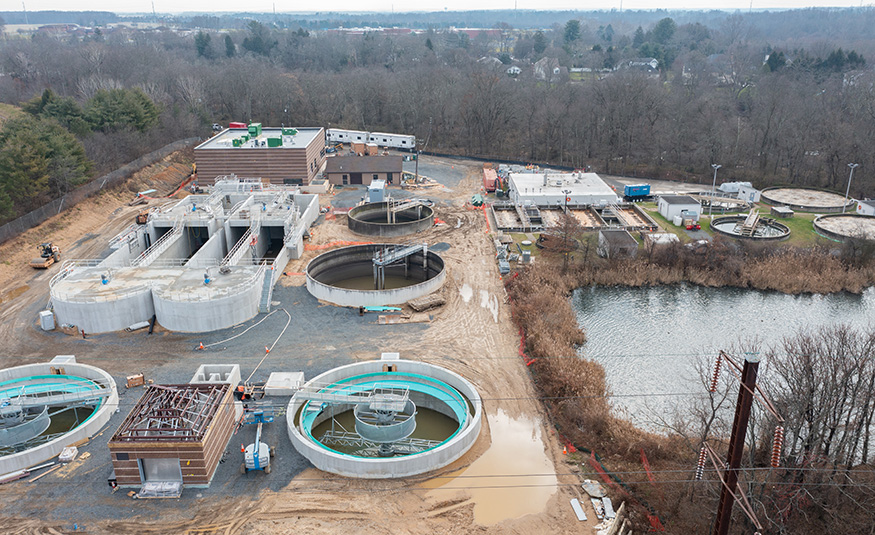
For over half a century, the original Princeton Meadows Wastewater Treatment Facility served the residents and businesses of Middlesex County with diligent service. However, the inevitable march of time and the increasing severity of environmental challenges necessitated a bold leap forward. Recognizing the limitations of an aging infrastructure, particularly its vulnerability to the growing threat of flooding, Veolia embarked on a mission to construct a facility that would not only meet current needs but also anticipate future demands.
The decision to replace, rather than merely upgrade, the existing plant underscores Veolia’s forward-thinking approach. "Rather than simply upgrade the existing plant, we reimagined it," stated Alan Weland, Regional President of Veolia. "This facility is designed to meet today’s needs, anticipate future environmental requirements, and preserve our commitment to water reuse." This philosophy has guided every stage of the project, from initial design to final implementation, ensuring that the Princeton Meadows facility is a beacon of modern environmental stewardship.
The new facility, situated on higher ground outside the original floodplain, is strategically positioned to mitigate the risks of inundation, safeguarding critical operational components from potential flood damage. This proactive measure is crucial in an era marked by increasingly unpredictable weather patterns and the heightened risk of extreme precipitation events.
Technological Advancements Driving Superior Performance and Sustainability
The Princeton Meadows Wastewater Treatment Facility is equipped with a suite of advanced systems designed to optimize wastewater treatment processes and minimize environmental impact. At its core, the facility incorporates high-efficiency biological treatment methods, which are crucial for effectively removing pollutants and ensuring the highest quality effluent is discharged. This biological treatment process leverages the power of microorganisms to break down organic matter, a cornerstone of modern, effective wastewater management.
Complementing the biological treatment, the plant features advanced ultraviolet (UV) disinfection technology. UV disinfection is a chemical-free method that utilizes ultraviolet light to inactivate harmful microorganisms, such as bacteria and viruses, rendering them harmless before the treated water is released back into the environment. This technology offers a more environmentally friendly and efficient alternative to traditional disinfection methods, further enhancing the plant’s sustainability profile.
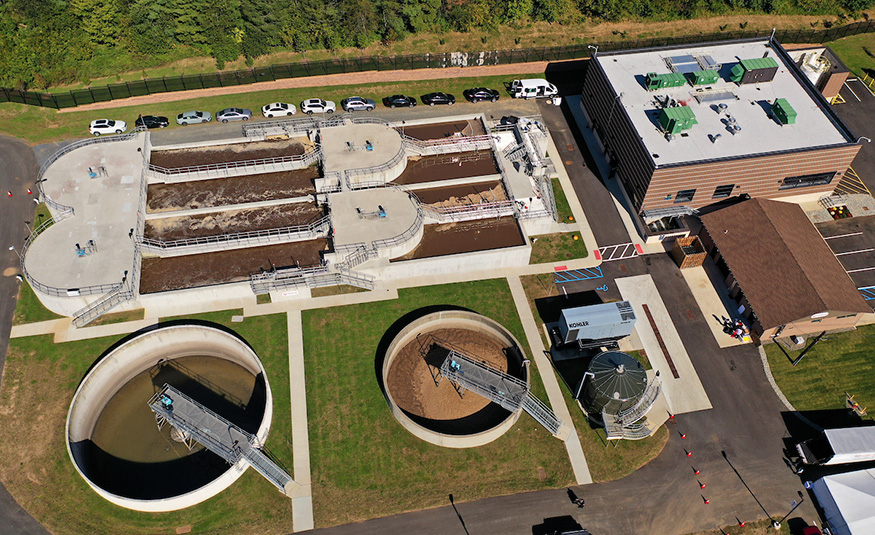
Furthermore, the facility has been designed with energy efficiency as a paramount consideration. The integration of energy-efficient equipment throughout the plant aims to reduce overall energy consumption, thereby lowering operational costs and minimizing the carbon footprint. This commitment to energy conservation aligns with Veolia’s broader sustainability goals and contributes to a more environmentally responsible operation.
A Legacy of Water Reuse Continues to Flourish
The Princeton Meadows project not only represents a significant advancement in wastewater treatment but also builds upon Veolia’s enduring legacy of water reuse at the site. This commitment to water conservation has been a cornerstone of operations at this location since 1971. For over five decades, the facility has been instrumental in supplying Middlesex County with a substantial volume of reclaimed water, totaling an impressive 1.4 billion gallons.
This reclaimed water has been primarily utilized for irrigation purposes at a local county golf course, playing a vital role in conserving precious local water resources. By diverting treated wastewater for beneficial reuse, Veolia significantly reduces the demand on potable water supplies, a critical consideration in regions facing increasing water scarcity. The new facility is poised to continue and expand this vital water reuse program. Annually, the modern plant has the capacity to treat 475 million gallons of wastewater and reuse approximately 32 million gallons of reclaimed water. This demonstrates a sustained and amplified commitment to water conservation, ensuring that this valuable resource is managed responsibly for the benefit of the community and the environment.
Community Impact and Long-Term Investment
The Princeton Meadows Wastewater Treatment Facility serves a broad demographic, catering to the needs of approximately 11,000 residents and businesses within the area. The successful commissioning of this facility is a clear indicator of Veolia’s dedication to ensuring reliable and high-quality water and wastewater services for its customers.
Kendra Morris, CEO of Veolia Regulated Water, emphasized the profound significance of this project beyond its immediate operational benefits. "This project is about more than replacing an aging facility," Morris stated. "It is about making a long-term investment in the community." This investment extends beyond the physical infrastructure, encompassing a commitment to the environmental health and economic vitality of the region.
Veolia’s initiatives in New Jersey are part of a larger strategic vision, encapsulated by its "GreenUp" program. This comprehensive program aims to drive significant investments in water quality, reliability, and long-term environmental sustainability across the state. On an annual basis, Veolia dedicates over $150 million to such initiatives, benefiting approximately 1.1 million customers statewide. The Princeton Meadows project serves as a prime example of this broader commitment in action.
A Watershed Moment: Recognition and Community Engagement
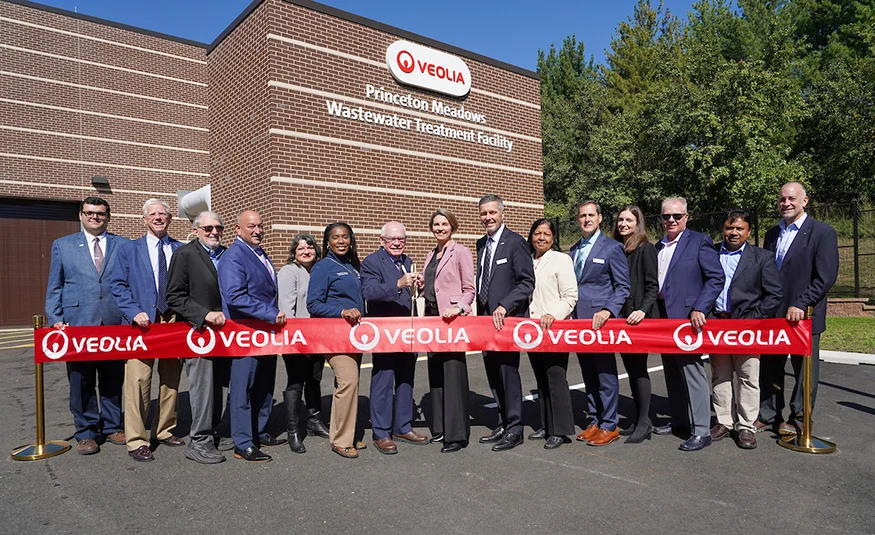
The significance of the new Princeton Meadows Wastewater Treatment Facility was further underscored by a special ribbon-cutting ceremony held on October 7th. The event brought together a distinguished assembly of local, county, and state officials, alongside project partners and Veolia representatives. This gathering served as a powerful affirmation of the collaborative effort and shared vision that brought this vital infrastructure project to fruition.
The ceremony was graced with the presence of U.S. Senator Andy Kim (D-NJ), who presented a Certificate of Congressional Recognition, acknowledging Veolia’s substantial contribution to the region. Additionally, the New Jersey State Legislature issued a joint resolution celebrating this milestone, further highlighting the project’s importance on a state level.
Nadege Petit, CEO of Veolia in North America, articulated the facility’s alignment with the company’s core values. "The next-gen facility is a great example of our commitment to environmental security, public health, and sustainable infrastructure," Petit remarked. She elaborated, "It combines significant capital investment, advanced treatment technology, and climate-resilient design to provide reliable service to the community for decades to come, while continuing our longstanding commitment to water reuse."
In a further demonstration of its commitment to the local community, Veolia announced a $10,000 contribution to the Plainsboro Recreation Department’s Water Science & Sustainability Education Program. This initiative aims to foster environmental literacy among local students, providing them with hands-on learning experiences related to water conservation and sustainability.
"We are proud to support Plainsboro Township’s environmental education program and help give students the opportunity to experience the Millstone River and learn firsthand about water, conservation, and sustainability," Morris commented. "We hope these experiences inspire the next generation of great environmentalists – young people who will understand the value of our natural resources and feel empowered to protect them. Plainsboro is part of the fabric of our community, and we are honored to contribute to its continued success and to be there for its residents when they need us most."
Veolia North America: A Leader in Resource Management
As a subsidiary of the global Veolia group, Veolia North America stands as the largest private water operator in the United States. The company’s expertise extends beyond water management to encompass leadership in hazardous waste and pollution treatment, as well as a prominent position as a top water technology provider. This multifaceted approach allows Veolia to offer comprehensive solutions for complex environmental challenges.
The company’s spectrum of water, waste, and energy management services includes:
- Water and Wastewater Treatment: Providing essential services for municipalities and industries, ensuring safe and reliable water supply and effective wastewater disposal.
- Waste Management: Offering innovative solutions for the collection, treatment, and recycling of various waste streams, promoting a circular economy.
- Energy Services: Developing and implementing energy-efficient solutions, including renewable energy sources, to reduce consumption and environmental impact.
- Industrial Water Solutions: Tailoring water management strategies for industrial clients, optimizing processes, and ensuring compliance with environmental regulations.
Within New Jersey alone, Veolia plays a crucial role in providing water and wastewater services to an impressive 1.1 million residents and businesses spread across nearly 90 municipalities. The successful completion of the Princeton Meadows Wastewater Treatment Facility further solidifies Veolia’s position as a vital partner in the state’s ongoing efforts to ensure robust environmental infrastructure and sustainable resource management for generations to come.
