

By Viknesh Vijayenthiran | March 19, 2025
In a significant policy shift that underscores the mounting pressures facing the global automotive industry, Audi has officially announced a reassessment of its aggressive electrification timeline. CEO Gernot Döllner, speaking at the company’s annual general meeting this week, signaled that the German luxury automaker is walking back its commitment to launch its final internal combustion engine (ICE) model by 2026. This pivot represents a stark departure from the ambitious "Vorsprung 2030" roadmap laid out just four years ago, reflecting a broader industry-wide realization that the transition to pure electric mobility is proving far more complex—and slower—than initially anticipated.
The End of an Era: Revisiting the 2026 Mandate
For years, the automotive narrative was defined by a clear, linear progression toward electrification. In 2021, Audi stood at the forefront of this movement, declaring that 2026 would mark the debut of its last newly developed gas-powered vehicle. The long-term vision was equally clear: a total cessation of ICE sales by 2033 in most markets.
However, as the global automotive landscape shifts, those timelines have come under immense scrutiny. "We will manage the production of our last combustion engine vehicles depending on the various developments in the world markets," Döllner stated on Tuesday.

This nuanced stance acknowledges that the "one-size-fits-all" approach to EV adoption is failing to account for regional differences in infrastructure, consumer demand, and regulatory pressures. By detaching their production cycles from a rigid calendar, Audi is essentially granting itself the flexibility to continue refining and selling hybrid and combustion-based platforms well into the next decade, echoing similar strategic adjustments made by competitors such as Mercedes-Benz and Volvo.
Chronology of a Shifting Strategy
To understand how Audi reached this juncture, it is necessary to examine the timeline of its transition efforts and the external forces that forced a strategic recalibration.
- 2021: The Visionary Goal. Audi publicly commits to an all-electric future, setting 2026 as the date for its final internal combustion engine model launch and 2033 as the deadline for ending ICE production.
- 2023–2024: The EV Reality Check. Global electric vehicle adoption slows, characterized by high interest rates, persistent inflation, and a lack of public charging infrastructure. Audi’s high-end EV offerings, particularly the Q8 E-Tron, face stiff competition and tepid market reception.
- Late 2024: Operational Consolidation. Audi announces the closure of its Brussels plant, a facility dedicated to the production of the Q8 E-Tron, following persistent sluggish sales.
- March 2025: The Strategic Pivot. CEO Gernot Döllner confirms at the annual general meeting that the 2026 and 2033 deadlines are under formal reassessment, citing global market unpredictability.
- 2025–2027: The Product Offensive. The company pivots to a "hybrid-heavy" bridge strategy, announcing the launch of over 20 new or updated models, including a mix of internal combustion, plug-in hybrid (PHEV), and battery-electric (BEV) vehicles.
Supporting Data: A Financial and Operational Wake-Up Call
The necessity of this strategic shift is written clearly in the company’s 2024 fiscal performance. Audi reported a challenging year, with global sales volumes declining by 11.8% to 1,671,218 units. More concerning for stakeholders was the impact on the bottom line: operating profits plummeted 38%, finishing the year at 3.9 billion euros (approximately $4.3 billion).
The correlation between these figures and the company’s over-reliance on a high-end EV lineup that failed to capture market share is difficult to ignore. Furthermore, the human cost of this restructuring is severe. Döllner confirmed that Audi plans to cut 7,500 jobs by 2029, with the majority of these reductions centered in Germany. These layoffs are a grim indicator of the cost-cutting measures required to sustain the brand while it invests in the development of new platforms that can bridge the gap between traditional combustion and full electrification.

Official Responses and Strategic Implications
The decision to pause the shift away from gas engines is not merely a technical delay; it is a profound philosophical change in how Audi views the next decade. The company is now leaning heavily into a dual-track strategy.
The Hybrid Bridge
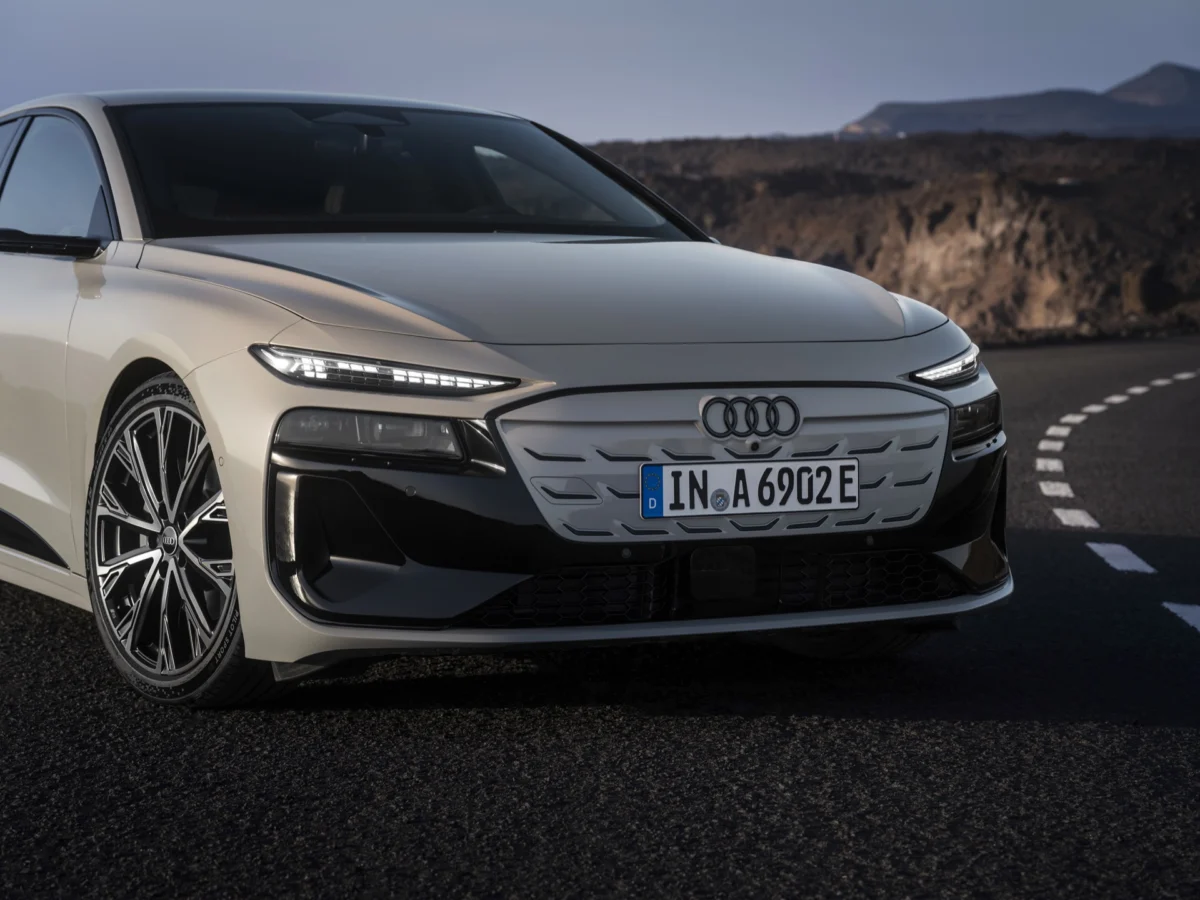
Audi’s immediate future relies on the successful rollout of more than 20 new or updated models over the next two years. Key to this strategy are the next-generation A6 and Q3, both expected in 2025, and a new plug-in hybrid option for the A5. By offering a diverse range of powertrains, Audi aims to satisfy consumers who are not yet ready to commit to a full-electric lifestyle while still maintaining a path toward eventual emissions compliance.
The North American Localization Play
Perhaps the most significant development, beyond the engine debate, is the company’s move toward increased localization. While Döllner avoided direct references to the current U.S. political climate—specifically the threat of tariffs under the Trump administration—his comments on "resilience" and "localizing production" were telling.
"We are also currently assessing various scenarios for additional localization in North America—among other things, to be closer to the needs of local customers and to make ourselves more resilient to global economic uncertainties," Döllner explained.

Audi currently manufactures the Q5 in Mexico, but industry analysts suggest that the brand is looking at deeper integration within the Volkswagen Group’s North American footprint. Potential synergies include utilizing Volkswagen’s plant in Chattanooga, Tennessee, or even leveraging the infrastructure being built by the Scout brand near Columbia, South Carolina. By moving production closer to the end consumer, Audi hopes to mitigate the impact of potential trade wars and supply chain disruptions that have plagued the automotive sector since 2020.
Conclusion: Navigating the Uncertainty
Audi’s pivot is emblematic of a broader "reality check" sweeping through the halls of global manufacturers. The early, idealistic projections of the 2020s—which assumed a near-vertical adoption curve for electric vehicles—have collided with the friction of economic reality.
For Audi, the path forward is one of cautious pragmatism. By abandoning the rigid, time-bound deadlines of the past, the automaker is positioning itself to be more agile. Whether this strategy—combining a robust hybrid lineup with a focus on regional manufacturing—will be enough to restore profitability and reclaim lost market share remains to be seen. However, one thing is certain: the era of "electrification at all costs" has been replaced by an era of "electrification by necessity."
As the brand prepares to launch its next generation of vehicles, the focus will be on balancing the demands of global environmental regulations with the practical, diverse needs of a consumer base that is clearly signaling a slower, more measured transition toward a sustainable future. The road ahead for Audi is undoubtedly complex, but by prioritizing flexibility and localization, the company is attempting to ensure that it remains a relevant, resilient force in an unpredictable global market.
