

As the global purchasing power of Generation Z is projected to soar to $12 trillion by 2030, the demographic has transitioned from an "emerging market" to the primary battlefield for global brand loyalty. Yet, for many marketers, Gen Z remains an elusive, often frustrating puzzle. Characterized by a deep-seated fear of being perceived as "cringe" and a high sensitivity to inauthentic corporate messaging, this generation has forced a radical pivot in how major brands approach advertising.
Recent successes from industry heavyweights like Smirnoff and Hinge suggest that the secret to unlocking this demographic lies not in sterile, focus-grouped campaigns, but in a sophisticated blend of raw, organic engagement and high-end creative craft.
The Shift: Meeting Consumers Where They Live
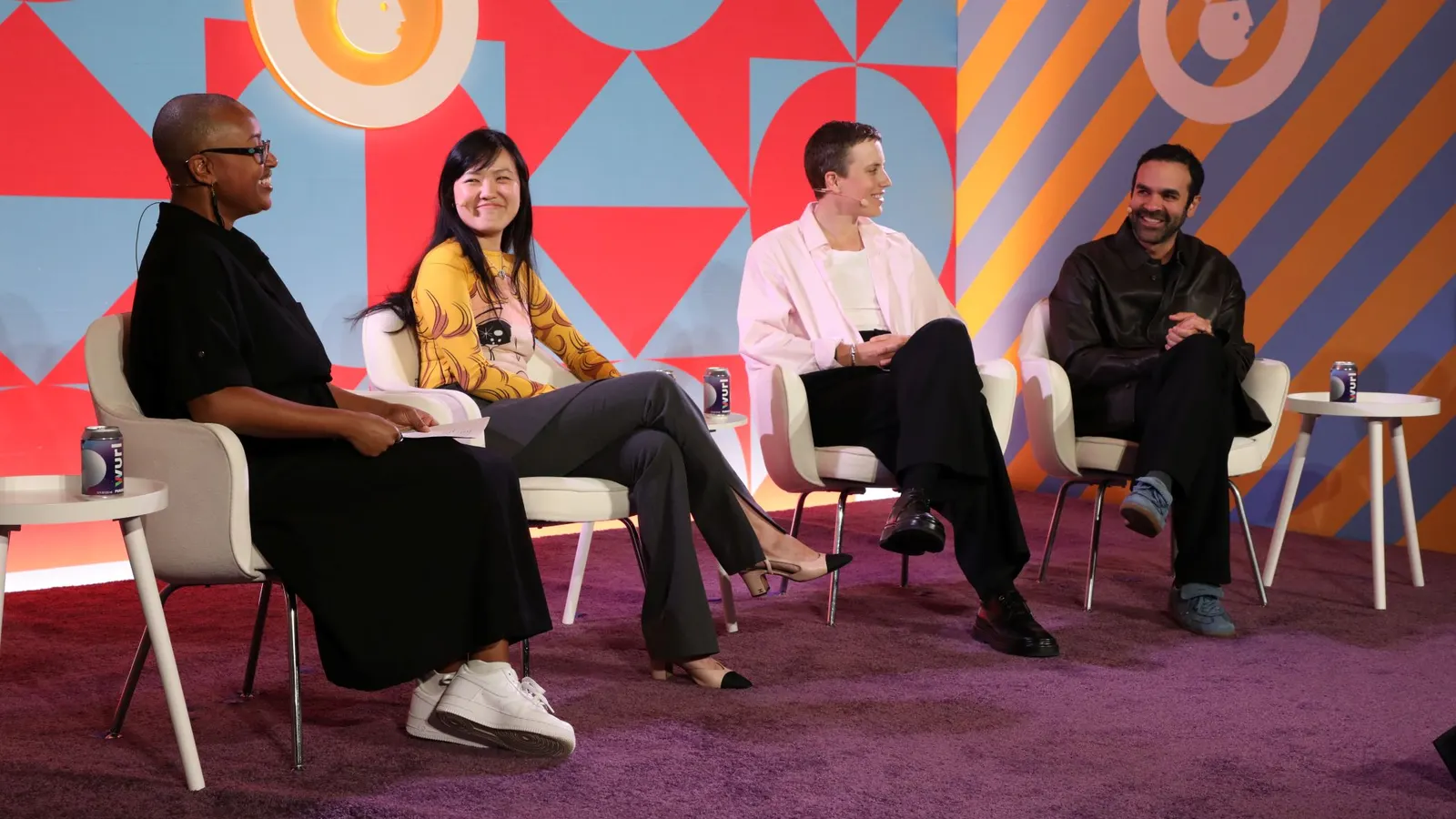
The traditional "spray and pray" model of advertising is failing. During a high-profile panel at Advertising Week New York, industry leaders converged to discuss why traditional tactics—such as product placement in bars or overly curated social media feeds—no longer move the needle with younger consumers.
"Make sure that it’s from Gen Z to Gen Z," said Jose Nicolas Velez, global marketing director at Smirnoff. "You have to meet them where they are. Make sure you take calculated risks with what you do."
Velez was joined on stage by Ola Sobiecki, executive creative director at Hinge, and Rachel Effendy, executive creative director at Dazed Studios—the creative powerhouse behind the viral campaigns for both brands. Together, they outlined a new mandate for marketers: stop trying to force culture into a brand-safe mold and start participating in the culture as it exists in real-time.
Chronology of a Creative Pivot
To understand how these brands succeeded, one must look at the evolution of their recent strategies, which moved away from traditional advertising tropes.
2024–2025: The "Go Off" Era
Smirnoff, facing the reality that Gen Z is statistically less likely to consume alcohol than previous generations, had to reconsider its entire positioning. Instead of the standard "night out at a club" narrative, the brand partnered with musician Troye Sivan for the "Go Off" campaign.
- Phase 1: The appointment of Sivan as "Chief Vibes Officer," giving a Gen Z cultural icon genuine creative agency.
- Phase 2: The release of raw, low-fidelity assets, including a custom out-of-office (OOO) email message recorded on Sivan’s personal phone.
- Phase 3: High-concept, humorous spots that placed Sivan in mundane settings—offices and press conferences—rather than traditional bars, acknowledging that Gen Z socialization has migrated to festivals, cafes, and intimate gatherings.
2025–2026: The "No Ordinary Love" Narrative
Hinge, meanwhile, navigated the intersection of digital dating and the "BookTok" phenomenon. Their "No Ordinary Love" campaign moved away from standard app-store marketing and toward long-form, literary-style storytelling.
- The Substack Launch: Hinge moved their narrative to Substack, a platform favored by Gen Z for long-form, intellectually stimulating content.
- The Audiobook: By treating their brand campaign like a prestige audiobook production, Hinge leaned into the romance genre’s massive popularity among younger users.
- Physical Tangibility: The release of a limited-edition hardcover book signaled a departure from the purely digital experience, catering to the generation’s growing desire for "phygital" (physical + digital) experiences.
Supporting Data: Why the Strategy Matters
The urgency for this shift is backed by significant economic indicators. With $12 trillion in purchasing power on the horizon, brands that fail to adapt face immediate obsolescence.
| Metric | Insight |
|---|---|
| Gen Z Purchasing Power | Projected at $12 Trillion by 2030 (World Data Lab). |
| Alcohol Consumption | Significant downward trend in traditional nightlife settings; growth in "sober-curious" and alternative social spaces. |
| Authenticity Requirement | High; consumers can detect forced "cool" in seconds, leading to the "cringe" stigma. |
| Platform Preference | Shift from legacy social media to niche, value-driven platforms like Substack and community-based discord servers. |
Official Responses: The Creative Philosophy
The panelists emphasized that authenticity is not the absence of production value; it is the presence of intent.
"There’s a lot of strategy behind it," Velez explained. "In practical terms, humor is super important. And then doing things that are a bit more raw and organic."
This perspective challenges the misconception that Gen Z only wants "iPhone-shot" content. According to Rachel Effendy of Dazed Studios, there is a profound place for craft, provided it serves a narrative purpose. Regarding the Hinge campaign, Effendy noted, "We had conversations about, ‘do we move this text two millimeters to the right?’ I do think there is value in that as well, because I do feel some Gen Zers also appreciate craft."
The tension between "raw" and "polished" is where the current marketing battle is won or lost. Gen Z does not object to high production values; they object to high production values that are used to mask a lack of substance or to condescend to the viewer.
Implications for Future Marketing
The success of these campaigns offers three critical takeaways for brands looking to survive the next decade.
1. The Death of the "Brand-Safe" Myth
Brands that attempt to sanitize their image to be "safe" are often the most ignored. Gen Z is drawn to brands that take a stance, have a sense of humor, and allow for a degree of imperfection. Whether it is the dry, self-aware humor of a Smirnoff spot or the intellectual depth of a Hinge audiobook, the goal is to be a participant in the conversation, not a lecturer.
2. The Migration to "Offline" Value
Ironically, the most effective digital campaigns are those that encourage people to get off their phones. By focusing on real-world experiences—whether it is a better date, a festival, or a coffee-shop catch-up—brands align themselves with the user’s desire for genuine connection. As Sobiecki noted, the goal of Hinge’s advertising is ultimately to facilitate the moment the user deletes the app.
3. Agility as a Core Competency
The shelf-life of a "trend" has shrunk to mere weeks. Marketing departments that rely on traditional quarterly planning cycles will find themselves constantly chasing a target that has already moved.
"Everything’s going by so fast," Velez warned. "You have to be able to adapt and to make sure that you’re there and that you understand their behaviors. Don’t be boring."
Conclusion: The Path Forward
The $12 trillion question is not about how to "target" Gen Z, but how to earn their respect. The transition from traditional, top-down messaging to a collaborative, culturally fluid approach is no longer an optional experiment; it is the baseline for relevance.
As Smirnoff and Hinge have demonstrated, the brands that win will be those that treat their audience as peers—collaborating with creators who understand the nuance of the generation, leaning into both the raw and the refined, and, above all, refusing to be boring in an increasingly crowded media landscape. For the CMOs of tomorrow, the message is clear: if you aren’t evolving, you’re already behind.
