

By [Your Name/Staff Reporter]
In a significant development for the landscape of contemporary Indigenous art, the Gochman Family Collection has announced the grand opening of its permanent exhibition space, "Branchline," located in the historic hamlet of Katonah, New York. Scheduled to open its doors on November 6, 2026, the venue represents a physical realization of the Gochman family’s long-standing commitment to stewarding and elevating the voices of contemporary Native artists.
Boasting a trove of over 800 works, the collection is widely regarded as one of the most comprehensive private holdings of Indigenous art in the United States. With the launch of Branchline, this expansive collection transitions from a private archive into a public-facing institution designed to foster dialogue, education, and artistic production.
The Vision Behind Branchline: Connecting Lineages and Landscapes
The name "Branchline" is deeply symbolic. While it directly references the network of rail lines that connect Katonah to the cultural hubs of Manhattan and the broader regions of Upstate New York, the nomenclature serves a deeper, metaphorical purpose. According to the collection’s leadership, the name acknowledges the ancestral and historical lineages that underpin the contemporary artworks on display. It is intended to be a conduit—a place where the past meets the present, and where the geographic distance between urban centers and suburban havens is bridged by the unifying power of art.
The space is not merely a gallery. By integrating residential and studio facilities, Branchline aims to serve as an incubator for creative labor. The intent is to provide a sanctuary where artists can produce new work, scholars can conduct deep-dive research into the collection’s anti-colonial narratives, and students can engage with Indigenous perspectives in a tangible, immersive environment.
Chronology: From Private Collection to Public Institution
The evolution of the Gochman Family Collection into a public-facing entity has been a deliberate, multi-year process.
- The Foundational Years: Over the past decade, the Gochman family quietly amassed a robust selection of contemporary Native art, focusing on works that challenge colonial frameworks and celebrate Indigenous sovereignty.
- March 2026: The project gained significant momentum with the appointment of Laura Phipps as Director of the Gochman Family Collection. Phipps, a seasoned curator known for her work in contemporary art, was tasked with guiding the collection toward its public debut.
- October 2026: The official announcement of the Katonah site sparked widespread interest, highlighting the strategic location of the gallery within the Hudson Valley’s vibrant cultural corridor.
- November 6, 2026: The scheduled grand opening of Branchline, marking the first time a significant portion of the 800-piece collection will be accessible to the general public through a rotating exhibition model.
A Curatorial Focus on Anti-Colonialism and Contemporary Sovereignty
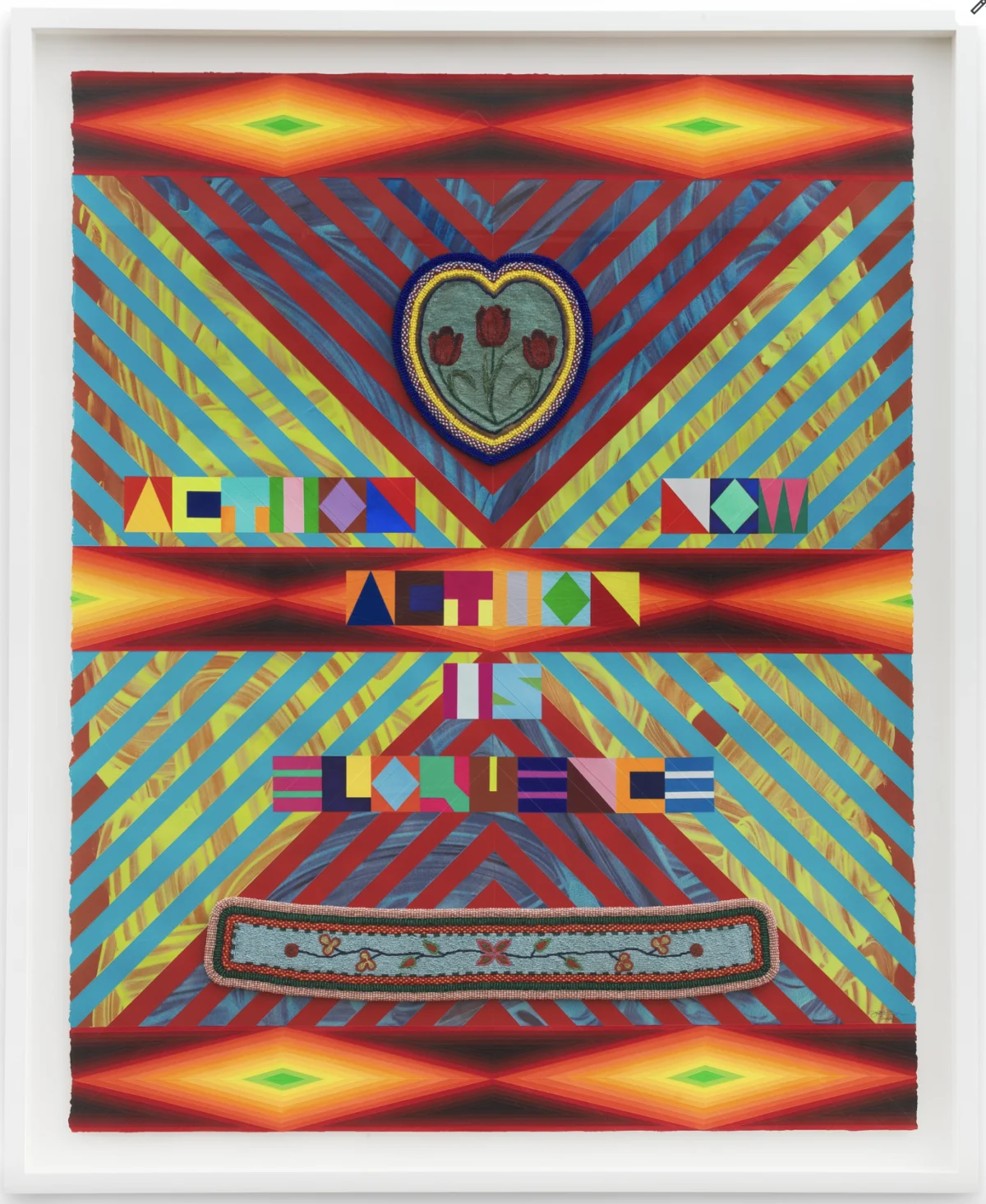
At the heart of the Gochman Collection is a steadfast dedication to Indigenous autonomy. The artworks included in the collection range across various media, from painting and sculpture to digital installations and multimedia works. A standout piece, Jeffrey Gibson’s (Mississippi Band of Choctaw and Cherokee) ACTION NOW ACTION IS ELOQUENCE (2024), serves as a potent example of the collection’s aesthetic and political weight. Gibson’s work, which often blends traditional craftsmanship with contemporary social commentary, encapsulates the type of rigorous, provocative art that Branchline intends to champion.
The curatorial strategy for Branchline focuses on moving beyond the "static museum" model. By employing rotating exhibitions, the space ensures that the vast majority of the 800-piece collection will eventually find its way into the light. This approach avoids the pitfalls of permanent displays, which can sometimes stagnate, and instead allows for timely responses to contemporary social and political issues within Indigenous communities.
Official Responses and Strategic Direction
The opening of Branchline marks a pivot point for the Gochman family’s philanthropic efforts. Laura Phipps, in an exclusive statement to Hyperallergic, articulated the inclusive philosophy driving the project.
"We imagine this as a flexible space to not only more broadly share the Collection, but to also create opportunities for varied audiences of artists, scholars, students, families, and our neighbors to spend time together," Phipps said. Her leadership is seen as critical in bridging the gap between the private nature of the family collection and the public expectations of a cultural institution.
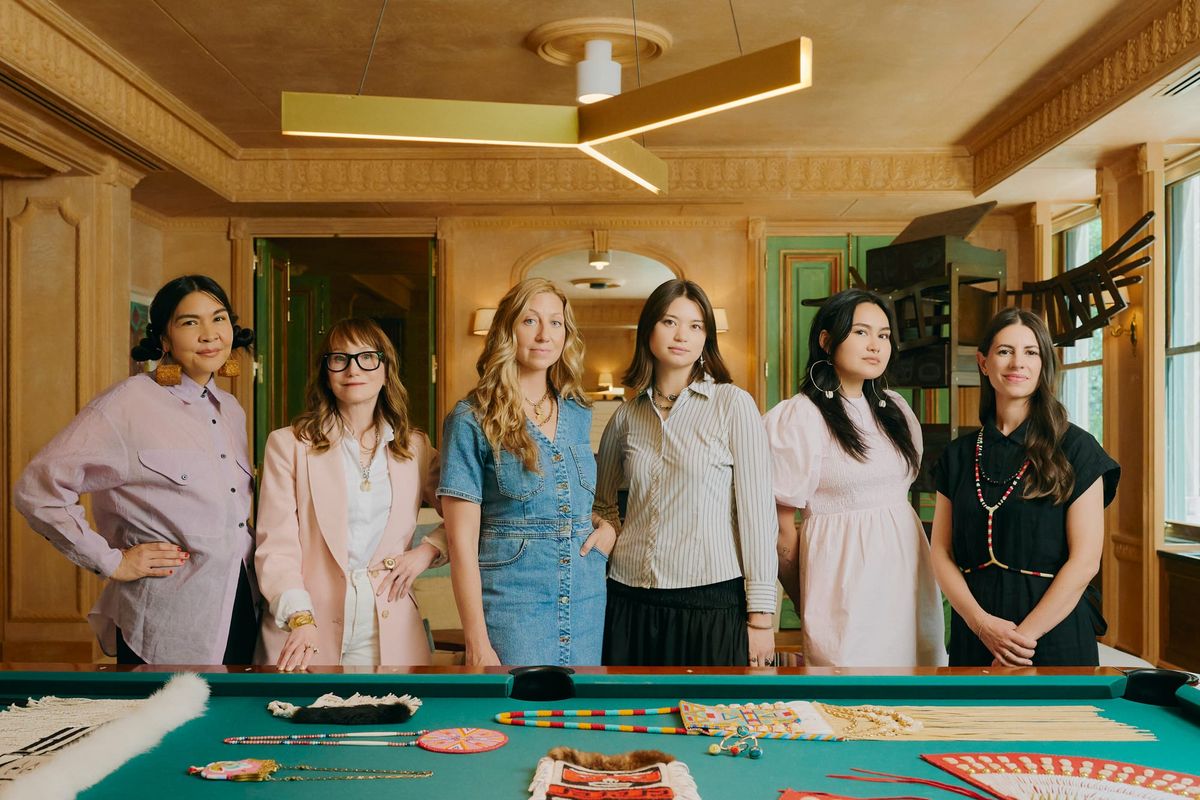
The team behind Branchline, which includes experts like Rachel Martin, Becky Gochman, Audrey Lea Collins, Nicole van Brugge, Moonoka Begay, and Laura Phipps, represents a diverse group of professionals committed to ethical stewardship. Their collective expertise ensures that the exhibition space is grounded in Indigenous-led research and community consultation, a vital component in the modern art world where issues of provenance and representation are increasingly under the microscope.
Implications for the Art World and Indigenous Visibility
The establishment of Branchline arrives at a time when the art market and major museums are undergoing a necessary reckoning regarding their historical exclusion of Native voices. By creating a dedicated space for contemporary Native art in Westchester County, the Gochman family is effectively shifting the center of gravity for this discourse.

1. Decentralization of Art Culture
Traditionally, high-profile exhibitions of contemporary Indigenous art have been clustered in major metropolitan hubs like New York City, Santa Fe, or Washington, D.C. The placement of Branchline in Katonah challenges this, suggesting that meaningful cultural engagement can and should happen in suburban and regional contexts. It brings the conversation to a new demographic of visitors, potentially widening the base of support for Indigenous artists.
2. The Role of Private Capital in Public Advocacy
The Gochman Family Collection represents a model of private capital being utilized to correct systemic imbalances. By funding both the physical space and the residencies, the family is providing resources that are often scarce in state-funded institutions. However, this also raises questions regarding the sustainability of such models and the importance of ensuring that the artists themselves maintain agency over how their work is contextualized within private-turned-public institutions.
3. A Focus on "Living" Art
By emphasizing studio spaces and residencies, Branchline acknowledges that Indigenous art is not a relic of the past but a living, evolving practice. The ability for artists to work on-site will likely foster a deeper connection between the visitors and the creative process, transforming the museum experience from a passive observation into an active dialogue.
Conclusion: A Future Built on Dialogue
As November 6 approaches, the art community watches with anticipation. Branchline is more than just a gallery; it is a test case for how private collections can evolve into public resources while maintaining a strong, principled stance on the rights and representations of Indigenous artists.
The success of this venture will likely be measured not just by the number of visitors who walk through its doors, but by the quality of the intellectual and creative exchanges it facilitates. In a world where historical narratives are constantly being rewritten, the Gochman Family Collection’s commitment to providing a permanent home for these voices is a powerful step toward a more inclusive cultural future. Whether through its rotating exhibitions, its support for emerging artists, or its role as a regional anchor for education, Branchline is poised to become a vital, enduring force in the contemporary art world.
