

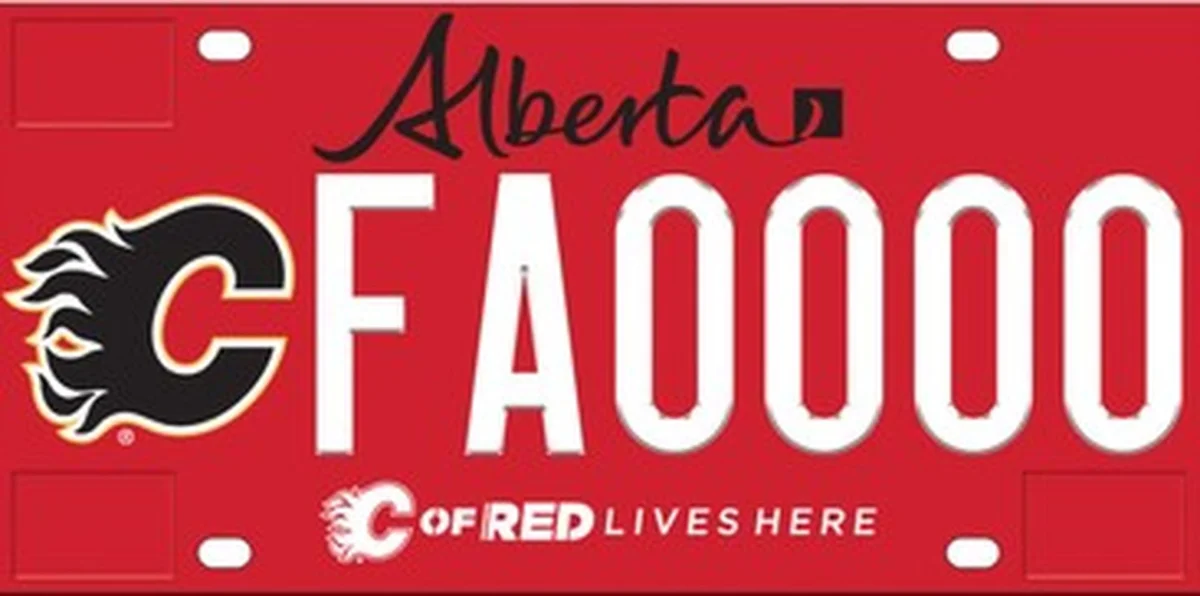
For the vast majority of motorists, a licence plate is a mundane necessity—a combination of alphanumeric characters required by law to identify a vehicle. However, across Canada’s provinces and territories, the humble licence plate has evolved into a canvas for provincial pride, charitable support, and historical commemoration. From the iconic polar bear-shaped silhouettes of the North to the diverse array of specialty "graphic" plates in the south, Canadians have found myriad ways to express their individuality on the road.
The Evolution of the Canadian Licence Plate
The history of the Canadian licence plate is a mirror of the nation’s automotive development. Following the dawn of the 20th century, when automobiles were a rare sight on Canadian dirt roads, provincial governments began formal registration processes. Ontario led the way in 1903, followed shortly by other provinces. By 1956, a major international standardization effort across Canada, the United States, and Mexico established the uniform size and mounting-hole placement that remains the industry standard today.
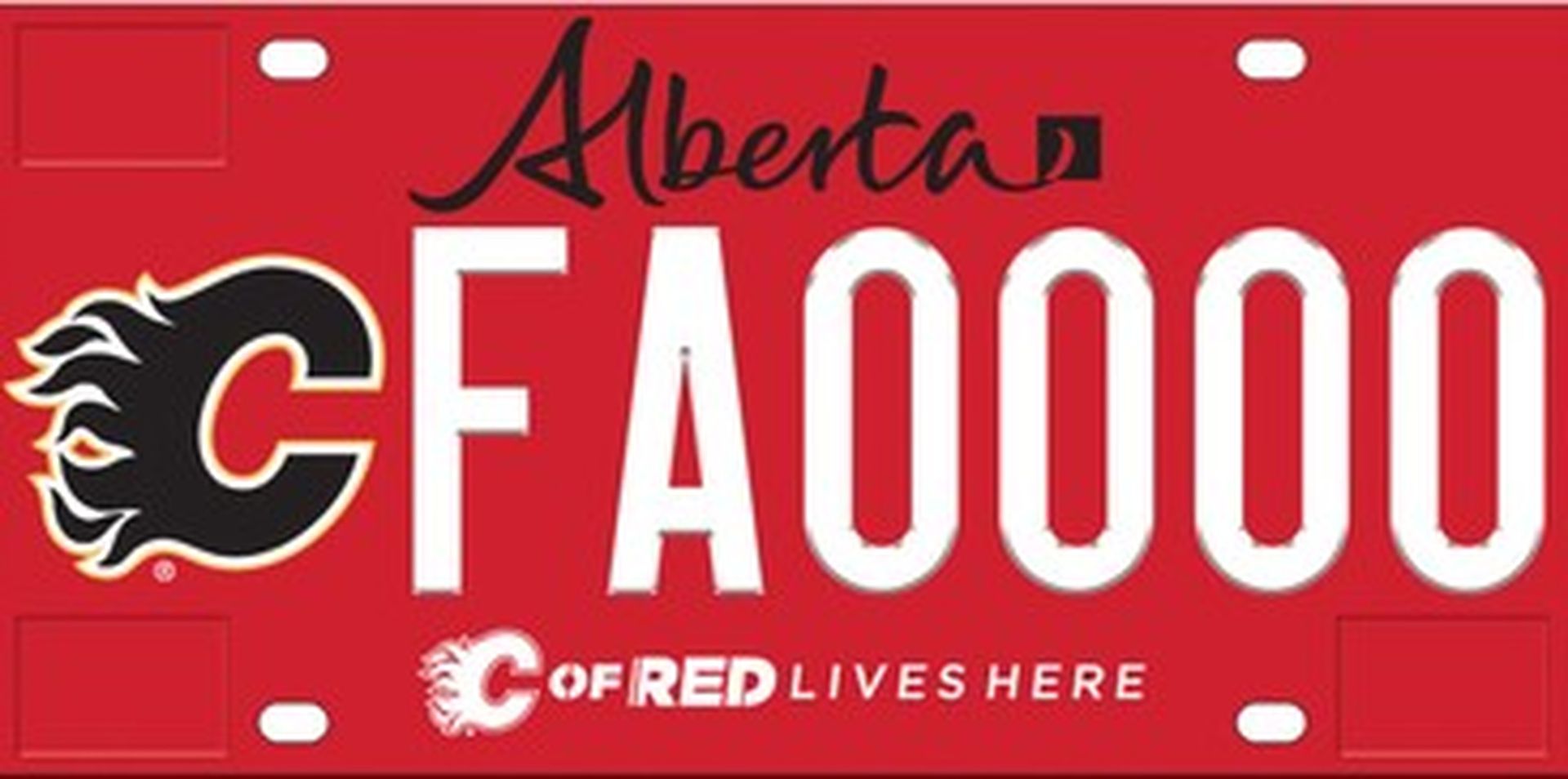
While the physical dimensions remain static, the creative expression allowed on these plates has expanded significantly. Today, drivers can choose from a vast catalog of designs—ranging from sports teams and universities to environmental conservation initiatives—that allow a vehicle to become a moving billboard for causes and personal passions.
Regional Snapshots: A Cross-Country Tour
Alberta: From Wild Rose to Strong and Free
Alberta’s relationship with licence plates began in 1912, though registration started as early as 1906. The province has long used its plates to project its identity, moving from the 1940 "Drive Safely" slogan to the long-standing "Wild Rose Country" motif introduced in 1973.
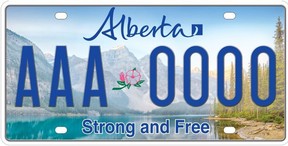
In 2026, the province unveiled a new standard plate featuring the stunning vista of Moraine Lake and the motto "Strong and Free." Beyond the standard issue, Alberta offers a robust suite of specialty plates. Sports fans can show their allegiance to the Calgary Flames or Edmonton Oilers, while outdoor enthusiasts can opt for an Alberta Conservation plate. A unique feature of the provincial system is its fee structure: a one-time $75 charge for specialty plates, with $55 of that total directed straight to the Alberta Conservation Association, ensuring that drivers are actively funding the preservation of the landscape depicted on their bumpers.
British Columbia: A Commitment to Conservation
In British Columbia, the licence plate program is a major driver for environmental funding. Since the introduction of the "BC Parks" plates in 2017, the province has seen massive uptake, with over 630,000 plates issued. Drivers can choose from designs featuring the serene Porteau Cove, the majestic Purcell Mountains, or the elusive Kermode Bear.
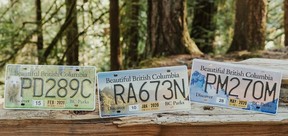
These plates are more than just aesthetic choices; they represent a significant revenue stream for the Park Enhancement Fund. With an initial cost of $50 and a $40 renewal fee, the program ensures that a substantial portion of these funds supports the maintenance and expansion of B.C.’s provincial parks.
Manitoba: Embracing Bilingualism
Manitoba has been at the forefront of inclusivity in plate design. While standard plates have been available in both English and French since 2013, the province is set to launch its first bilingual specialty plate in 2027. Featuring a loon, this plate will support the province’s park system. With 19 different specialty options—ranging from military support to awareness campaigns for missing and murdered Indigenous women—Manitoba’s plate program is one of the most socially engaged in the country.

The North: Trademarked Shapes and Arctic Identity
The Northwest Territories and Nunavut occupy a unique space in North American automotive history. They are the only jurisdictions in North America to issue non-rectangular, shape-specific plates. The famous Northwest Territories polar bear-shaped plate has been a symbol of the North since its debut in 1970.
Nunavut, which separated from the Northwest Territories in 1999, initially adopted the bear-shaped design before transitioning to a rectangular plate in 2012. However, following overwhelming public feedback, the territory reinstated the polar bear-shaped plate in June 2025 to commemorate its 25th anniversary. The bear on the Nunavut plate faces left, while the Northwest Territories’ version faces right, providing a clever geographic distinction between the two neighbours.
Chronology of Innovation and Change
- 1903: Ontario becomes the first province to initiate vehicle registration.
- 1928: Prince Edward Island becomes the first province to include a slogan ("Seed Potatoes & Foxes") on its plates.
- 1952: The Yukon introduces the iconic gold-panning prospector, a design that has withstood decades of modernization attempts.
- 1956: North American standardization of plate size (6×12 inches) is adopted across Canada.
- 1989: Nova Scotia’s "Bluenose" plate design is introduced; it remains one of the oldest active plate styles in the nation.
- 2020: Ontario experiments with a blue-backed plate, which is quickly recalled due to poor night-time visibility, marking a rare high-profile failure in plate design.
- 2026: Alberta updates its provincial plate to reflect modern aesthetics and regional pride.
Supporting Data: The Economics of Specialty Plates
The revenue generated by specialty plates is a critical, yet often overlooked, component of provincial budgets and non-profit funding. In provinces like Nova Scotia, fees for specialty plates range from $24 to $50 above the cost of a standard plate, with the entire premium channeled to non-profit organizations. This model allows the government to facilitate philanthropy without drawing from general tax revenues.
In contrast, Newfoundland & Labrador remains an outlier. It is one of the few provinces that does not offer personalized plates. Furthermore, in Newfoundland, the plate stays with the vehicle upon sale rather than with the driver, a tradition that prioritizes the history of the machine over the identity of the operator.

Official Perspectives and Regulatory Hurdles
The process of introducing a new plate design is rarely simple. It involves input from graphic designers, historical societies, and, in some cases, the public. As seen in the Yukon, where residents have repeatedly voted against removing the prospector, there is a deep emotional connection to these visual identifiers.
Governments must also navigate technical requirements. For example, the Northwest Territories’ polar bear plate limits personalization to six characters, as any more would exceed the physical boundary of the bear’s silhouette. In Ontario, the government’s "graphic plate" program allows for a design on the left side of the plate, but the alphanumeric code must remain clear and unobstructed for law enforcement and automated tolling systems.

Implications: The Future of the Licence Plate
As Canada shifts toward an electric vehicle (EV) future, the licence plate is evolving once again. Several provinces, including Prince Edward Island, have introduced specific plates for EVs to assist first responders in identifying battery-powered vehicles at the scene of an accident.
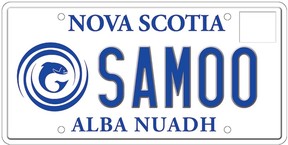
Furthermore, the rise of digital and smart technologies raises the question of whether the physical metal plate will eventually be replaced by digital displays. However, for now, the physical plate remains a point of pride. Whether it is the Gaelic-language plates of Nova Scotia or the "Rider Nation" pride plates in Saskatchewan, these pieces of aluminum represent a unique intersection of bureaucracy and cultural identity.
Conclusion
The Canadian licence plate is far more than a tool for law enforcement. It is a rotating gallery of Canadian history, geography, and social values. From the frozen reaches of the Arctic to the Atlantic coastline, the diversity of these designs speaks to a country that values its regional differences while remaining connected by the common road. As we look toward the future, these plates will likely continue to adapt, reflecting the changing priorities and identities of the provinces they represent. For the driver, they offer a simple, accessible way to contribute to a cause, support a team, or simply tell the world a little bit about who they are.
