

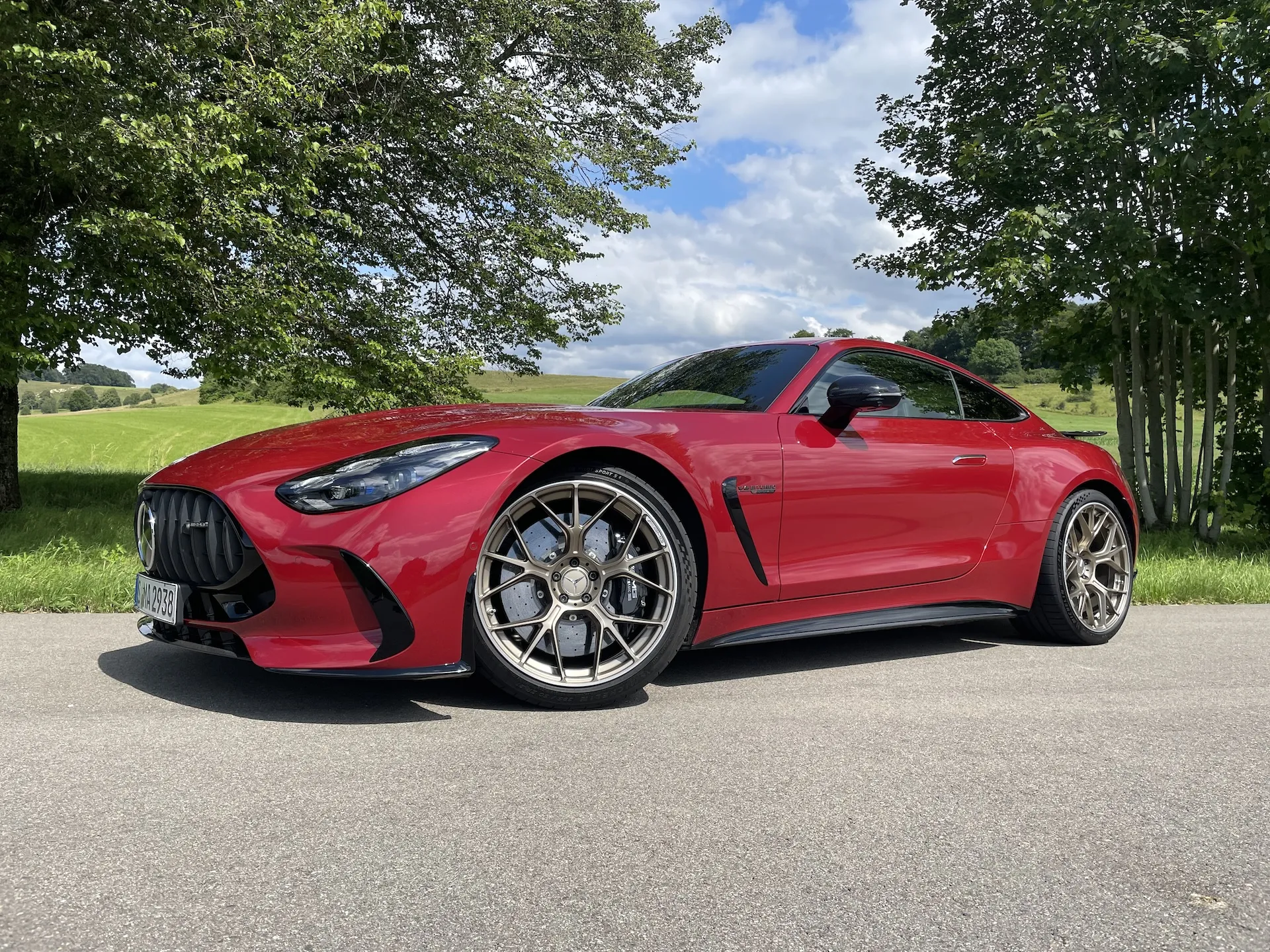
In a significant safety action affecting its high-performance fleet, Mercedes-Benz has officially initiated a recall for a range of its flagship AMG plug-in hybrid models. The recall, prompted by a critical software anomaly, centers on the potential for a total loss of drive power, a defect that poses serious safety risks to drivers and passengers alike. As the luxury automaker pivots toward electrification, this incident underscores the complexities inherent in managing the sophisticated software architectures that underpin modern performance vehicles.
The recall impacts 2,943 vehicles across the United States, spanning model years 2023 through 2025. While the manufacturer has confirmed that no accidents or injuries have been reported to date, the scope of the recall reflects the company’s proactive stance in addressing software-related vulnerabilities within its E Performance ecosystem.
The Scope of the Recall: Affected Models and Technical Context
The recall campaign, officially designated by the National Highway Traffic Safety Administration (NHTSA) as recall campaign number 25V129000, targets the pinnacle of the AMG performance division. The affected vehicles represent the vanguard of Mercedes-Benz’s hybrid technology, combining traditional internal combustion engines with high-output electric motors to deliver blistering acceleration and track-ready performance.
The specific models identified in the recall include:
- 2023-2025 AMG S 63 E Performance: The flagship luxury sedan featuring state-of-the-art hybrid power.
- 2023-2025 AMG GT 63 S E Performance 4-Door Coupe: A high-performance grand tourer.
- 2024-2025 AMG GT 63 S E Performance: The latest iteration of the iconic sports car platform.
- 2024-2025 AMG SL 63 S E Performance: The electrified version of the classic roadster.
- 2024-2025 AMG GLC 63 S E Performance: Including both the standard SUV and the coupe-styled variant.
At the heart of the issue is a software error residing within the starter motor and generator control unit. Under specific conditions, this software fault can cause the control unit to malfunction. If the unit fails while the vehicle is in motion, it can lead to an abrupt and unexpected loss of drive power. Given the high-performance nature of these vehicles, such a loss of power while navigating highways or high-speed traffic introduces a substantial risk of collision.
Chronology: From Field Reports to Regulatory Action
The journey toward this recall began not with a catastrophic event, but with a series of minor, yet concerning, field reports. According to internal documentation provided by Mercedes-Benz, the automaker first identified the underlying issue in late 2024.
Initial Discovery
The initial reports were primarily centered on vehicles failing to start. While these reports initially suggested a localized battery or ignition issue, Mercedes-Benz’s engineering teams launched an internal investigation to determine the root cause. As data from these non-starting events was aggregated, engineers identified a recurring pattern of software communication errors between the starter motor and the primary vehicle management system.
Engineering Analysis
Throughout the closing months of 2024, Mercedes-Benz conducted rigorous diagnostic testing and simulation trials. By subjecting the control unit software to various load scenarios, the team discovered that the error could, under specific operational states, escalate beyond a simple "no-start" condition and manifest as a loss of power while the vehicle was being driven.
Official Filing
Having verified that the defect represented a genuine safety risk, Mercedes-Benz complied with federal reporting requirements. On February 28, 2025, the NHTSA published the formal recall notice. The timeline between the initial discovery of the "failure to start" reports and the official safety recall demonstrates the manufacturer’s internal quality control processes at work, prioritizing the mitigation of potential hazards before they resulted in physical harm to consumers.
Supporting Data and the Complexity of Modern Powertrains
The recall of nearly 3,000 high-end vehicles highlights a broader industry trend: the increasing reliance on software to manage mechanical systems. In the context of the AMG E Performance lineup, the power unit is a marvel of modern engineering, integrating complex power electronics, high-voltage batteries, and sophisticated energy recovery systems.
The Role of Software in Performance
In these AMG models, the hybrid system is designed to provide instantaneous torque and peak efficiency. The starter motor and generator control unit acts as a conductor for this system, balancing energy flow between the combustion engine and the electric motor. When the software governing this unit encounters an error, it is forced to enter a "failsafe" mode to protect the vehicle’s high-voltage components. In some instances, this failsafe mode cuts off power delivery entirely, rendering the accelerator unresponsive.
Data Transparency
The 2,943 vehicles affected represent a significant portion of the E Performance market in the U.S. Because these vehicles are sold at the premium end of the automotive market, the expectations for reliability and safety are commensurately high. Mercedes-Benz’s decision to include a wide range of model years—from 2023 to 2025—indicates that the software architecture in question is shared across the entire current AMG E Performance platform, regardless of the vehicle body style.
Official Responses and Remediation
Mercedes-Benz has moved quickly to establish a clear protocol for affected owners. In a statement released alongside the recall notice, the company emphasized that the remedy is both swift and straightforward for the end-user.
The Repair Process
The corrective measure requires authorized Mercedes-Benz dealerships to perform a software update on the starter motor and generator control unit. This update is designed to patch the communication error and ensure the unit operates within its intended parameters, even if a transient fault is detected.
The manufacturer has confirmed that:
- The service is provided free of charge.
- The software update does not require physical hardware replacement in the vast majority of cases.
- The repair time is relatively short, though owners are encouraged to schedule appointments in advance to account for technician availability.
Communication Strategy
Mercedes-Benz is set to begin mailing notification letters to owners on April 29, 2025. This notification will provide instructions on how to locate a local dealer and schedule the necessary update. The company has also set up a dedicated customer service line at 1-800-367-6372 and maintains a comprehensive recall lookup tool on their official website for owners who wish to verify their vehicle’s status by VIN (Vehicle Identification Number).
Implications: The Future of Software-Defined Vehicles
The AMG recall serves as a case study for the automotive industry’s transition toward "software-defined" vehicles. As cars become more like computers on wheels, the nature of recalls is fundamentally shifting.
The Shift to Over-the-Air (OTA) and Dealership Updates
While this specific recall requires a visit to the dealership, many automakers are moving toward Over-the-Air (OTA) updates to resolve similar software issues. However, given the safety-critical nature of the starter motor and generator control unit, the physical presence of a certified technician is often required to verify the integrity of the installation and ensure that the vehicle’s electrical systems are calibrated correctly after the software flash.
Maintaining Brand Trust
For a brand like Mercedes-AMG, which relies on a reputation for precision and performance, the management of this recall is critical to maintaining consumer confidence. By proactively identifying the issue, reporting it to the NHTSA, and offering a free, transparent remedy, the company is attempting to minimize the impact on brand perception.
A Lesson in Vigilance
For the automotive sector at large, this incident is a reminder that even the most advanced systems are subject to the limitations of code. As hybrid and electric architectures continue to evolve, the ability to identify, diagnose, and patch software vulnerabilities will become an increasingly vital component of the automotive ownership experience.
For the owners of these 2,943 AMG models, the recall is an inconvenience, but it is also a testament to the rigorous regulatory oversight that keeps high-performance technology within safe operational boundaries. As the deadline for owner notification approaches, the industry will be watching to see how quickly the fleet can be remediated and whether further software-related recalls will emerge as these complex powertrains age in the field.
In the interim, owners of the affected AMG vehicles are advised to stay alert for any warning messages on their dashboard and to contact their local Mercedes-Benz dealer as soon as they receive their official notification letter to schedule their service appointment.
