

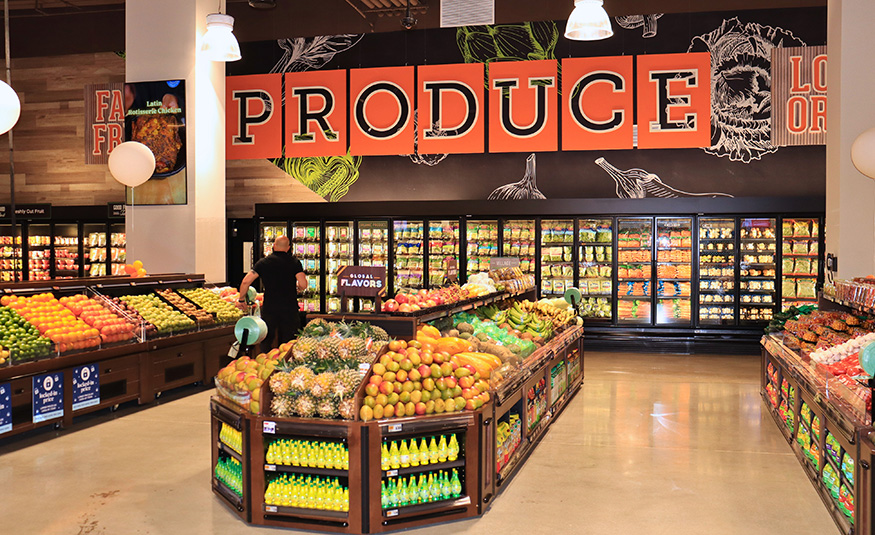
Newark, NJ – From handwritten grocery lists tucked into aprons to the seamless click of online carts, ShopRite has been an enduring presence in the American shopping landscape, adapting and thriving through decades of change. This year marks a significant milestone: the 75th anniversary of a supermarket chain that has not only witnessed but actively shaped the evolution of grocery retail. Born from the vision of eight independent Newark-area grocers who founded Wakefern Food Corp. in 1946, ShopRite has blossomed into a retail powerhouse with approximately 300 stores spanning six states. In its home state of New Jersey, ShopRite stands as the largest grocery brand, employing an impressive workforce of roughly 30,000 individuals, making it the third-largest employer after the state government and Amazon.
Despite a dynamic retail environment marked by geopolitical shifts, rapid technological advancements, and evolving consumer preferences, ShopRite has held fast to a distinguishing characteristic: its stores remain predominantly in the hands of local, family-owned operators. This deeply rooted ownership model, often spanning multiple generations, is bolstered by the cooperative strength of Wakefern, which provides these independent businesses with the collective scale and resources necessary to compete effectively in today’s challenging market.
The Heartbeat of ShopRite: Community and Cooperative Strength
"That local connection has always been at the heart of ShopRite – helping families find more value in every shopping trip, supporting neighborhoods, and showing up for customers generation after generation," states Darren Caudill, Chief Sales Officer at Wakefern Food Corp. As ShopRite celebrates its 75th anniversary, Caudill reflects on how the chain’s deep community ties have been instrumental in navigating the past and present, while also preparing for a future where industry change is relentless.

The foundation of ShopRite’s enduring success lies in Wakefern’s innovative cooperative model. This structure allows independent supermarket operators to pool their purchasing power and share crucial resources, including technology, marketing, private-label product development, merchandising strategies, and supply chain logistics. This symbiotic relationship empowers family-owned grocers to achieve the economies of scale typically associated with much larger chains, all while retaining their autonomy and control over their individual stores. As Caudill explains, Wakefern, now an 80-year-old organization, was an early pioneer in bringing small grocers together to counter the growing dominance of larger supermarket chains in the post-war era. Today, it stands as the largest retailer-owned cooperative in the United States, boasting a network of 380 stores that includes not only ShopRite but also other well-known banners such as Price Rite Marketplace, The Fresh Grocer, Dearborn Market, Gourmet Garage, Fairway Market, Di Bruno Bros., and Morton Williams.
Wakefern’s "Secret Sauce": Ownership and Collaborative Decision-Making
While Wakefern, as a privately held entity, does not publicly disclose its financial figures, the cooperative reported a robust 3.1% increase in sales to $20.7 billion for its 2025 fiscal year, a notable climb from $16.6 billion just seven years prior. With consistent year-over-year growth, excluding the anomalous pandemic year of 2020, Wakefern demonstrates remarkable resilience and strategic foresight.
Despite its substantial size, Wakefern maintains a steadfast commitment to its founding principle: enabling small businesses to flourish in the ever-evolving grocery sector. "Our member owners aren’t served by Wakefern – they own Wakefern – and so they’re actively involved," Caudill emphasizes. "We have multiple committees comprised of individuals who run grocery stores, and they bring their insights to Wakefern as a group. We convene a dozen or so members to discuss business operations." This collaborative governance model ensures that decisions are informed by the practical experiences of those on the front lines of retail. Members actively contribute to discussions on everything from produce selection to technological investments, sharing what works best in their stores and for their customers, thereby ensuring that system-wide initiatives yield tangible benefits.

Caudill refers to this deeply integrated ownership structure as Wakefern’s "secret sauce." This model, he explains, "feeds the decision-making process from the governance standpoint. So, it’s a real unique model. You won’t find that anywhere outside of a co-op because it just doesn’t exist." He further highlights the profound impact of this structure, noting that "the real power of this comes from that same emotion, that same passion and that same commitment happens with every employee at Wakefern and their focus… to support the membership." This shared sense of purpose permeates the entire organization, fostering a culture of dedication and pride among store associates who recognize the deep commitment of their owner-operators to their communities.
Navigating the Future: Technological Integration and Evolving Consumer Demands
In its ongoing pursuit of enhancing both the in-store and online shopping experience, Wakefern has significantly ramped up its technology investments. At ShopRite, this has manifested in the introduction of artificial intelligence-powered shopping carts, known as Caper Carts, developed in partnership with Instacart. These innovative carts aim to streamline the shopping process by allowing customers to scan, bag, and pay directly from their carts, offering unparalleled convenience.
Complementing these customer-facing advancements is the integration of AI-based robots like Tally. Recognized as the world’s first and most sophisticated inventory management robot, Tally autonomously navigates store aisles multiple times daily. Utilizing advanced computer vision technology, it collects real-time shelf data, ensuring optimal product availability, accurate placement, and precise pricing. These behind-the-scenes technological integrations extend to digital ordering and other systems designed to enhance operational efficiency throughout the Wakefern network.

"Technology is probably the biggest catalyst of change that the organization has kept up with," Caudill observes. "And that’s both the customer-facing piece as well as how we drive cost out of our system to be able to keep bringing value to consumers. Because ShopRite really, ultimately, is all about bringing value to a consumer and leveraging our buying power. The utilization of technology has really allowed us to do that in a way that reduces our expense."
Beyond technological evolution, ShopRite is keenly attuned to shifts in consumer preferences. While economic factors have always influenced grocery purchasing habits, Caudill notes that changing tastes are proving equally influential. A growing emphasis on health and wellness is driving demand for products perceived as beneficial for consumers’ well-being. "Years and years ago – probably back when we started – people really bought a lot more fresh product. That is really a trend that has returned today, and we have moved through it very well," he remarks.
This renewed focus on freshness and quality is reflected in ShopRite’s strategic priorities. "We’ve shifted our focus completely on trying to ensure we offer the best quality meats and produce for our consumers, as well as meal solution ideas in our deli operations that meet a consumer’s needs that probably weren’t as prevalent through a lot of our history – although we always had those areas," Caudill elaborates. "The reality is freshness and quality really matter, and we want our customers, when they sit down at their table to consume food with their family, to have an experience that’s full of joy and flavor. And so, our ability to continue to focus on that and move with consumers is a big piece of what we have done."

Adapting to Dietary Trends and Value-Driven Shopping
The rise of GLP-1 medications is another significant trend influencing consumer purchasing behavior, leading to a heightened focus on protein, fiber, and nutrient-dense foods as individuals seek to optimize their caloric intake. Caudill notes this evolving landscape: "The amount of food that Americans are eating – and this is not just in our market, but nationally – is down. Some of that’s economics, some of that is just because of the number of people on GLP-1s now is having an impact in those numbers."
This shift is observable in shopping patterns. "What people are buying is a little bit different. All you have to do is walk around the store to see it. Protein is king today," Caudill states. "Between the aging population needing more protein and GLP-1 users needing more protein, as well as fiber and gut health and those pieces." Consequently, consumers are increasingly opting for "less conventional pantry-type staples" and gravitating towards "fresher product, more premium product, more protein-impacted product." Interestingly, he also observes a concurrent rise in the purchase of "health and beauty care" items, indicating a holistic approach to well-being. "So, we’re seeing a lot of shifts that we are shifting with as well to meet the consumer’s need in this space," he concludes.
In an era of persistent inflation, consumers are actively seeking value, a core tenet of ShopRite’s long-standing appeal. Food-at-home prices have seen a substantial increase since 2020, driven by rising costs for commodities, labor, transportation, and energy, compounded by weather-related disruptions and supply chain constraints. The U.S. Department of Agriculture projects further modest increases in grocery cart costs in the coming years. This economic pressure fuels a strong demand for private-label products, which typically offer more affordable alternatives to national brands. In response, grocers like ShopRite are expanding their private-label offerings to cater to this growing need for affordability.
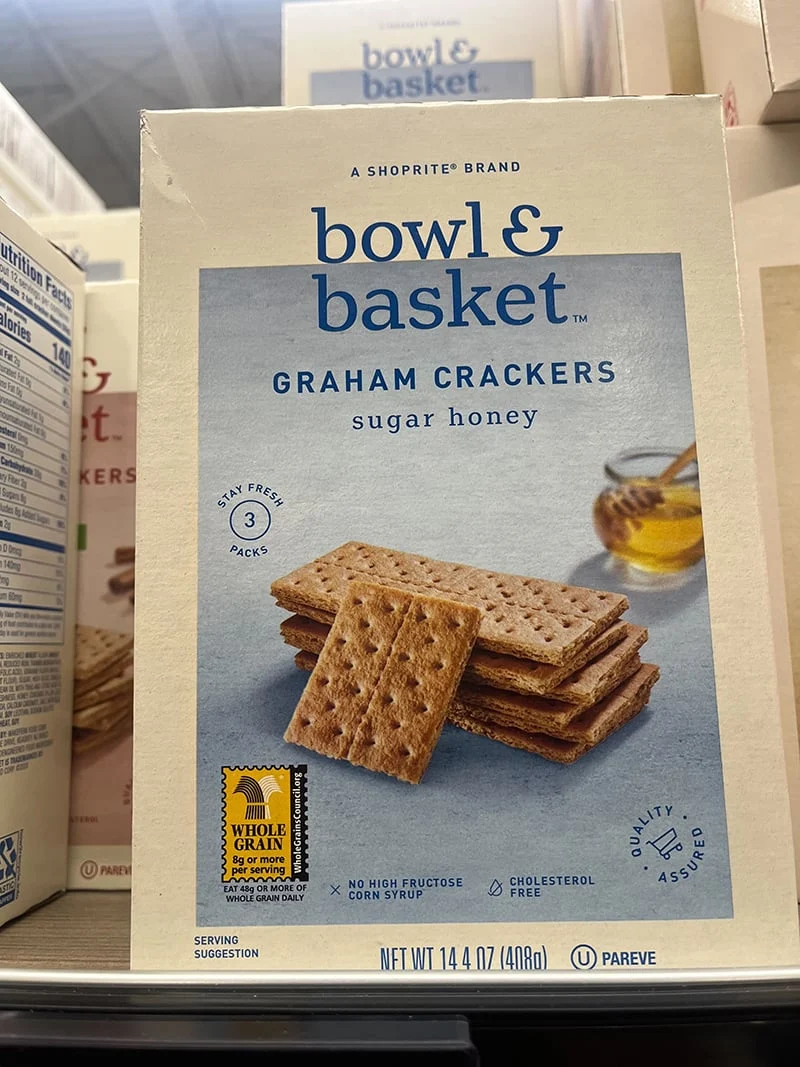
Wakefern’s robust private-label portfolio includes its flagship food and beverage brand, Bowl & Basket, and the household products brand, Paperbird, both introduced in 2019 to provide premium quality at accessible prices. The Wholesome Pantry label focuses on free-form and organic options, while the Well Everyday collection offers organic, vegan, and gluten-free groceries, personal care items, and lifestyle essentials. Caudill highlights the success of these in-house brands: "Our own brands do incredibly well for us." He elaborates, "It allows us to go out and find high-quality products that we can put the Bowl & Basket label in or the Wholesome Pantry label in and offer the same type of quality that you’re getting from a national brand player, but get a much better everyday price on it."
Wakefern maintains a dedicated team focused on its private-label brands, continuously monitoring consumer trends and identifying opportunities for product expansion and development. This team researches shopper preferences and collaborates with suppliers, both domestically and internationally, to source the highest quality ingredients and products at competitive costs. "Then we make sure that we’re also able to capture the best costing that allows us to put the retail on it that serves the customer’s expectation they’ve grown in that brand," Caudill explains. "And that team is launching dozens and dozens of items every single year in that space. And some of those are permanent, some we just bring in seasonally because of the flavor profile. They’re always putting new products on the shelf as we continue to move to the consumer’s need." This agile approach ensures that ShopRite remains responsive to the evolving demands of its customer base, consistently delivering value and quality.
A Caring Ecosystem: Community Investment and Local Partnerships
ShopRite’s commitment extends far beyond the aisles of its stores, deeply embedding itself within the communities it serves. Through its 27-year-old Partners In Caring program, ShopRite has contributed $65 million to food banks supporting over 2,500 charitable organizations. Furthermore, as a title sponsor of the ShopRite LPGA, the company has channeled $47 million into local organizations, hospitals, and community groups.

Over the years, ShopRite has also played a pivotal role in fostering the growth of local and regional suppliers. Products ranging from artisanal baked goods and specialty food items to family-farmed meats have found a prominent place on ShopRite shelves, creating a mutually beneficial ecosystem. "Our members are incredibly generous in their connection to communities and donations, and those are pieces that make a big difference in who we are," Caudill asserts. "And it’s not just that our family owners are helping families in the community, but we do it with other businesses, too."
This philosophy of mutual support creates a "whole ecosphere of neighbors taking care of neighbors." Caudill emphasizes, "I really think it goes back to that family relationship piece. When you’re a family that lives in a community and serves a community, it changes how you approach what you do." This deep connection transforms ShopRite owners into integral parts of their communities’ fabric. With over 40 ownership groups, the cooperative’s reach touches numerous communities and individuals, a factor Caudill believes is central to its sustained growth and success. "Because of that connectivity they have with each and every customer. Our members are so close to the communities they serve. They really bring a perspective into our business that corporations just lose. And so that really is the magic of what we do here."
Navigating Industry Headwinds: Supply Chain Resilience and Value Preservation
The grocery industry faces persistent challenges, including fluctuating transportation costs, supply chain vulnerabilities, and geopolitical instability. The ongoing conflict in Iran, for instance, has exacerbated these issues, particularly with tightening diesel supplies driving up the cost of moving goods from producers to retailers.

"Our world is no different than our customers’ households," Caudill explains. "When the price of services goes up, they go up for us as well. When the electric bills go up, our electric bills go up. When the price to run trucks and diesel goes up, we experience that as well." However, Wakefern’s strategic approach focuses on mitigating these impacts. "Our real charge in that is not to spend time on the politics of it, but to continually look for ways we can drive efficiencies into the model to help offset those costs to hold pricing down. And that’s where we spend our time and our energy – where can we find the savings?" This proactive strategy allows ShopRite to absorb some of the cost increases more effectively than competitors.
Technology investments are a cornerstone of Wakefern’s strategy to enhance operational efficiency and control costs. "And when I say reduce cost, that might be the cost of us doing business, it might be the cost of product, as well – by reducing handling, we’re reducing those things," Caudill notes. "And some of that reduction comes in improved quality, as well. We know if we can get produce faster from our receiving docks to a consumer’s refrigerator, that the consumer’s eating experience will be better." Wakefern remains committed to leveraging technology to "drive cost and drive better quality to the consumer," finding success in implementing efficiencies both in backroom operations and customer-facing initiatives.
The Enduring Appeal of the Can Can Sale and the Power of Value
ShopRite’s legendary Can Can Sale, a tradition since 1971, remains one of its most anticipated and successful promotional events. Initially focused on canned goods, the three-week sale has evolved to encompass national brands across a wide array of categories, offering significant discounts. Celebrated for its catchy jingle, vibrant advertising, and exceptional value, the campaign resonates deeply with customers across the Northeast.

"Well, there’s no question Can Can is a legacy event in this part of the country, and we’re proud to be the owner of that because it drives an incredible amount of stock-up business for us," Caudill states. He notes that customers travel considerable distances to take advantage of the sale’s exceptional value, a testament to its enduring appeal. "If you think about the birth of that sale, it really gave consumers a chance to stock up before there were ways to do that as efficiently as there are today. And it really allowed a traditional family-owned community grocery store to offer the kind of bulk-buying value you might see at some of the largest warehouse-type players in the country."
The growing participation of consumer packaged goods giants in the Can Can Sale further strengthens its leverage, enabling ShopRite to offer even greater value to shoppers. The marketing campaigns associated with the sale are also undergoing modernization to appeal to today’s consumers, aiming to make the event more interactive and engaging, potentially even encouraging customer participation.
75 Years and Counting: A Legacy of Celebration and Community Engagement
ShopRite’s 75th anniversary was marked with a series of special savings, digital deals, and limited-time offers designed to express gratitude to its loyal customer base. The promotion included significant discounts on private-label products and a three-day super sale on customer favorites, with prices ending in ".75" as a tribute to the milestone year. Beyond savings, ShopRite celebrated by sharing stories, recipes, and reflections online, as well as through in-store displays and social media campaigns.

The anniversary year also saw ShopRite embrace national celebrations. In honor of America’s 250th anniversary, limited-edition patriotic packaging adorned 30 of its top-selling private-label products. Additionally, aligning with the 2026 FIFA World Cup, the "We Kick It Here Tour" transformed parking lots at participating stores into vibrant fan zones, offering product sampling, giveaways, and interactive experiences.
"Our owner members are very, very focused on making sure that we provide the highest possible value for our consumers," Caudill reiterates. "Our entire approach is making sure our customers can get together with their families and celebrate and add to the joy of their life experience." He passionately articulates the profound connection between food and human emotion: "Food is emotion – and, when you think about how food intersects with our life, there is not a single celebration we have that does not involve food in some form or fashion… All the moments of joy in our life come with food." This deep understanding of food’s role in life’s significant moments fuels ShopRite’s commitment to providing quality products and exceptional value, making it an integral part of its customers’ lives.
As ShopRite looks towards the future, its foundational principles of community, value, and innovation remain at the forefront. The cooperative’s enduring success, driven by its unique ownership model and unwavering commitment to its customers, positions it for continued growth and relevance in the dynamic world of grocery retail.
