

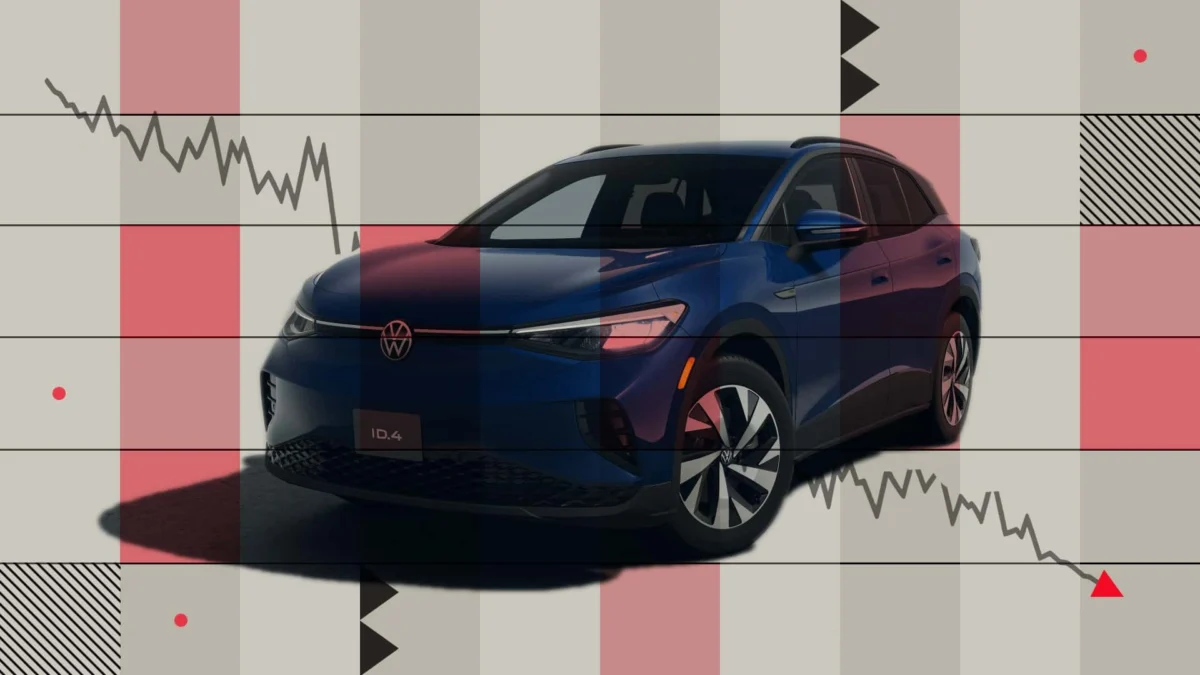
The automotive landscape in the United States is shifting beneath the feet of legacy manufacturers, and few are feeling the tremors as acutely as Volkswagen. Recent data from the third quarter of the fiscal year reveals a staggering contraction in the brand’s electric vehicle (EV) footprint, with sales plummeting by 90% compared to the same period in 2025. As the industry pivots toward an electrified future, Volkswagen finds itself at a critical junction, struggling to balance a legacy of combustion-engine reliability with the urgent, yet currently unmet, demand for competitive, high-value electric vehicles.
The Magnitude of the Downturn: A Q3 Reality Check
The numbers released for the period of July through September are nothing short of catastrophic for Volkswagen’s North American electric division. In total, the German automaker managed to move only 1,421 electric vehicles across the entire United States. When contrasted with the figures from the previous year, this represents an unprecedented 90% decline, positioning Volkswagen as one of the hardest-hit manufacturers in the EV sector during the third quarter.
The primary culprits behind this decline are the two vehicles currently anchoring the brand’s EV lineup: the ID.4 crossover and the retro-inspired ID. Buzz minivan.
The ID.4, which was intended to be the volume driver for the brand, saw its sales evaporate. The company delivered just 989 units in Q3, a staggering 92.1% drop from the 12,470 units sold during the same timeframe in 2025. Simultaneously, the ID. Buzz—a vehicle that generated immense hype leading up to its release—failed to find traction with the American public, moving only 432 units, an 82.5% decrease from the 2,469 units sold during its introductory period last year.
These figures ripple outward to the brand’s total U.S. sales performance. Volkswagen reported total vehicle sales of 78,179 units for the quarter, reflecting an overall 10.9% decrease. When looking at the year-to-date performance from January through September, the picture is equally grim: total EV sales have dropped by 77%, with only 6,107 units sold stateside.
Chronology of a Strategic Stumble
To understand how a global automotive powerhouse found itself in such a precarious position, one must look at the decisions made over the last 18 months.
Early 2025: The Production Pivot
At the start of the year, Volkswagen made the strategic decision to throttle production of the ID.4 at its Chattanooga, Tennessee, manufacturing facility. The objective was to prioritize the production of high-margin internal combustion engine (ICE) SUVs, which continue to be the bedrock of the brand’s American profitability. While this decision aimed to protect the bottom line in the short term, it effectively choked the supply of the only affordable EV the brand had in its American stable.
Mid-2026: Supply Chain and Inventory Stagnation
As the year progressed, the brand moved into a phase of reliance on aging inventory. Imports of the ID. Buzz were halted due to shifting logistics and market demand, and the ID.4 production pause left dealers with dwindling, often mismatched, stock. By the time the third quarter arrived, the lack of new, fresh inventory meant that the brand was essentially fighting an uphill battle with no reinforcements on the horizon.
Late 2026: The "Clearance" Phase
In a desperate attempt to move the remaining stagnant stock, Volkswagen authorized significant price cuts, with some ID.4 models seeing discounts of up to $12,500. While these incentives helped clear dealer lots, they did little to change the narrative surrounding the brand’s relevance in the modern EV market.
Supporting Data: The Cost of Competitive Lag
The disconnect between Volkswagen’s offerings and the American consumer is largely driven by a value-to-range ratio that is increasingly difficult to justify.
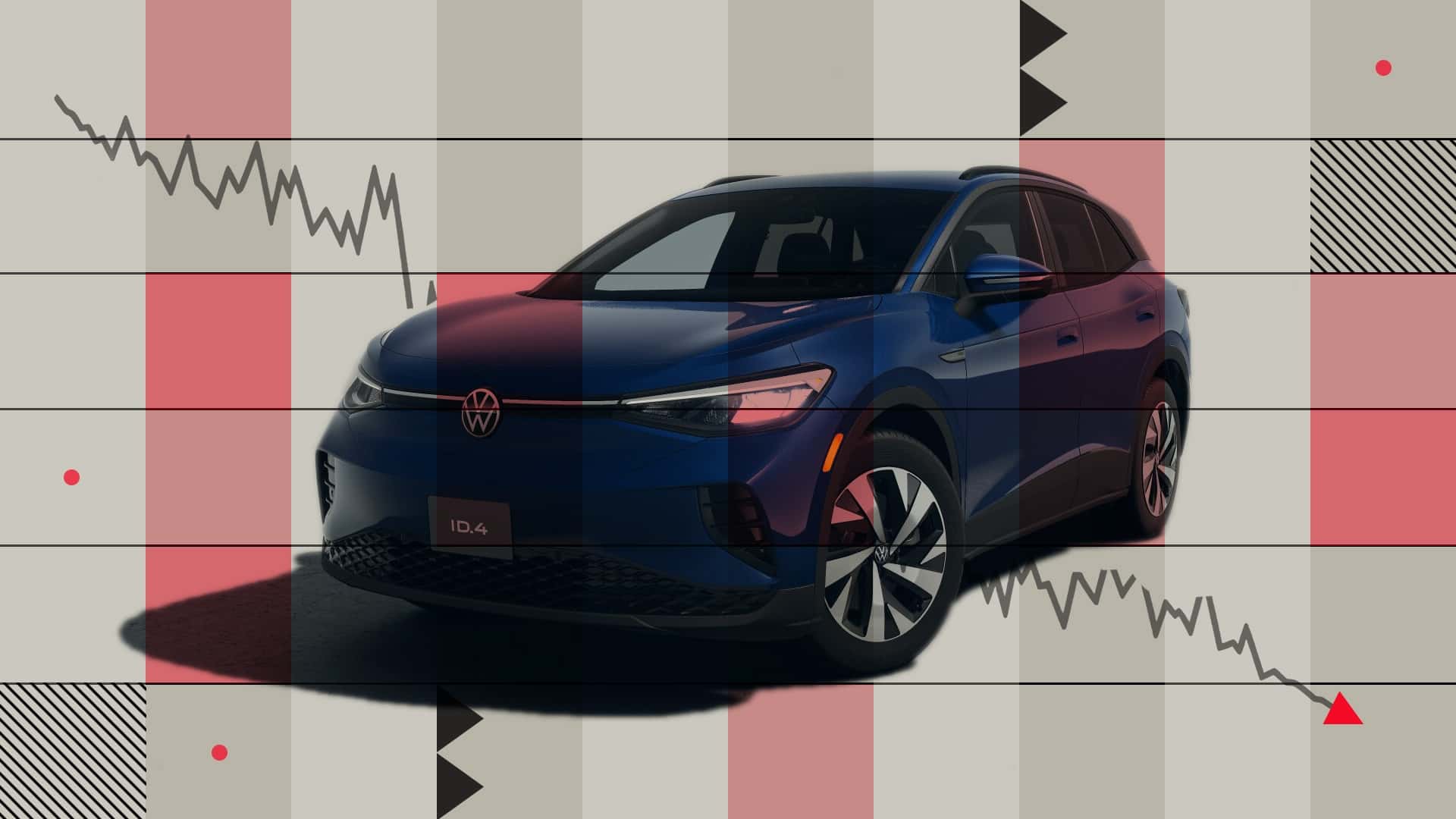
The ID. Buzz, for instance, enters the market with a starting MSRP of $61,545. For a consumer looking for a family vehicle, the price point is daunting. When that price is paired with a maximum EPA-estimated driving range of just 234 miles, the value proposition weakens significantly. In a market where competitors are pushing 300+ miles of range for a lower price, the ID. Buzz is relegated to a niche "lifestyle" vehicle rather than a practical daily driver.
Furthermore, the technology suite inside these vehicles has been a point of contention. Frequent software updates and the transition to new interfaces have left some owners feeling that their vehicles are dated shortly after purchase. The recent recall notices concerning battery fire risks—which advised owners not to charge beyond 80%—further eroded consumer confidence, creating a "perfect storm" of negative sentiment.
Official Stance and Internal Adjustments
While Volkswagen has not issued a singular "mea culpa," the company’s internal reorganization and product roadmap indicate an acknowledgment of these failures. Executives have signaled that the reliance on legacy platforms for the U.S. market was a miscalculation in speed.
The strategy for 2027 and beyond focuses on a total reset. The company is accelerating the introduction of the ID. Tiguan, a vehicle designed specifically to replace the aging ID.4. This move is not just a model swap; it is a fundamental shift in design philosophy. The ID. Tiguan promises to rectify the most common complaints regarding the current lineup:
- Ergonomics: The return of more physical controls in the cabin, moving away from the touch-sensitive sliders that have frustrated users for years.
- Utility: The inclusion of a front trunk (frunk), a feature that has become an industry standard for electric crossovers.
- Interior Tech: The introduction of an optional passenger-side screen, signaling a commitment to a more premium, tech-forward experience.
Implications: Can Volkswagen Reclaim the U.S. Market?
The implications of these Q3 results extend far beyond a single earnings report. They represent a crisis of identity for Volkswagen in the world’s most competitive automotive market.
The Risk of Irrelevance
If the ID. Tiguan launch does not succeed, Volkswagen risks being sidelined by domestic manufacturers like Ford and GM, and Asian rivals like Hyundai and Kia, who have moved aggressively to capture the middle-market EV buyer. The brand’s identity, once built on "the people’s car," is currently perceived by many as an "expensive, lagging car."
The 2028 Horizon
The outlook for 2028 is significantly more optimistic, provided the execution holds. The upcoming iterations of the ID. Buzz are expected to feature the North American Charging Standard (NACS) port, effectively ending the adapter-dependence that plagues current owners. Improved software architecture and a broader, more vibrant color palette suggest that Volkswagen is moving toward a more customer-centric design approach.
The Macroeconomic Environment
Finally, the "American retreat" from EVs—driven by high interest rates and fluctuating political support for charging infrastructure—is a headwind that every manufacturer faces. However, whereas other brands have diversified their portfolios with hybrid and plug-in hybrid options to hedge against EV volatility, Volkswagen’s all-in approach to the current ID lineup left them exposed when the EV market slowed down.
Conclusion: A Turning Point, Not an End
Volkswagen’s third-quarter results are a sobering reminder that brand legacy is not a shield against market shifts. The 90% sales drop is a direct consequence of a thin, aging, and overpriced portfolio that failed to adapt to the realities of the American consumer in 2026.
However, the company’s pivot toward the ID. Tiguan and the commitment to a cleaner, more feature-rich future for the ID. Buzz show that the brand is listening. The road ahead will require more than just new hardware; it will require a fundamental shift in how Volkswagen approaches the U.S. EV buyer. If the company can deliver on its promises for 2027, the current Q3 slump may eventually be viewed as the painful, necessary low point of a long-term turnaround. For now, however, the German automaker must contend with the reality that it has a significant amount of ground to recover if it intends to remain a key player in the American electric revolution.
