

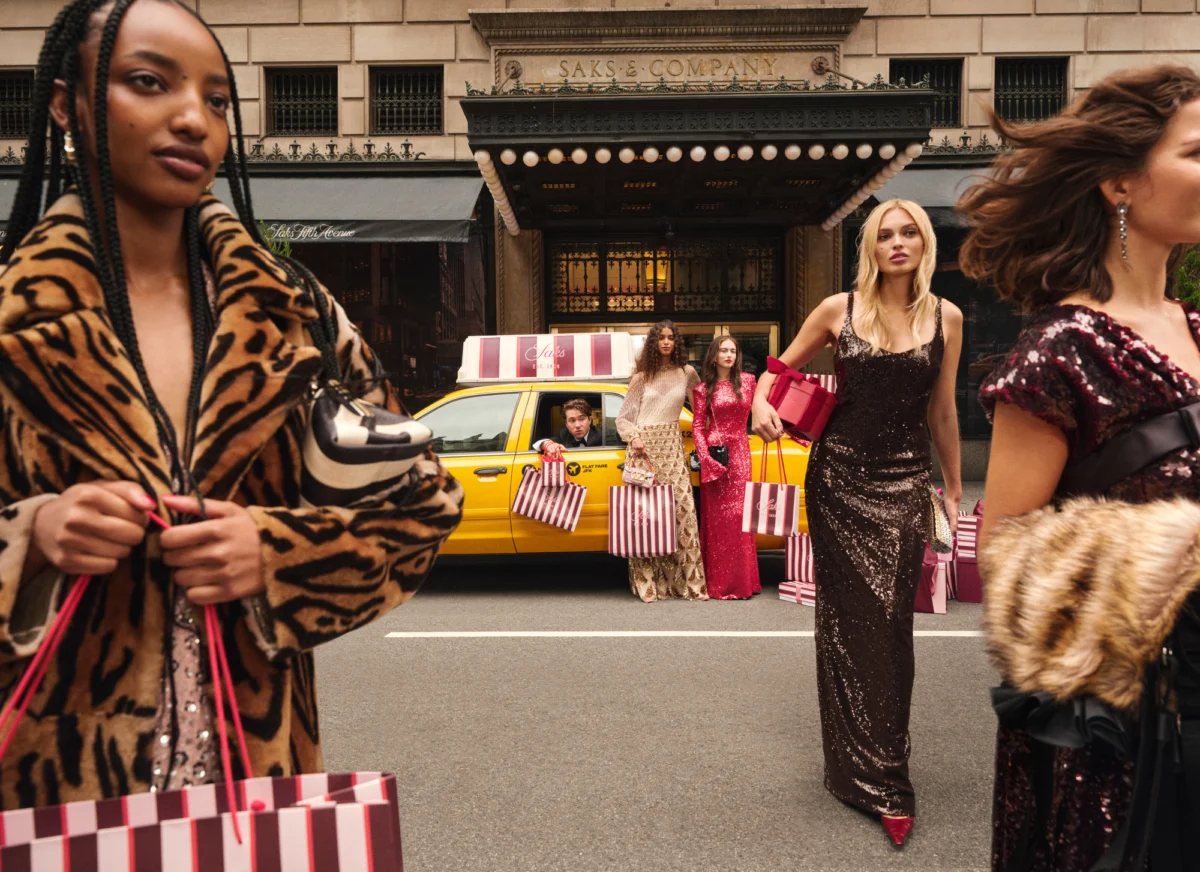
NEW YORK — In a move that signals both a creative rebirth and a high-stakes business realignment, Saks Fifth Avenue has officially launched its 2026 holiday campaign. Titled “Main Character Energy,” the campaign arrives at a pivotal moment for the luxury retailer, which recently underwent a massive structural overhaul following its emergence from bankruptcy earlier this summer.
The 2026 season is not merely about festive windows and high-end gifting; it represents a litmus test for the newly formed Exemplar Luxury Group (ELG), the parent entity now overseeing the consolidated operations of Saks Fifth Avenue, Neiman Marcus, and Bergdorf Goodman. As the retail landscape shifts toward experiential commerce, Saks is betting on a narrative that centers the consumer as the protagonist of their own holiday story, blending Manhattan’s historic grandeur with a modern, playful digital-first aesthetic.
Main Facts: The "Main Character" Narrative and the Return of the Light Show
The "Main Character Energy" campaign, which debuted on Tuesday, seeks to redefine the holiday shopping experience by stripping away the traditional stress of the season and replacing it with a sense of "playful discovery." Directed and photographed by the acclaimed Nadine Ijewere, the campaign features a diverse cast of creative influencers and models, including Ruby Lyn, Stella Jones, Solange Smith, Luna Yohannan, Divine Mugisha, and George McNally.
The Grand Spectacle at 611 Fifth Avenue
The centerpiece of the season remains the Saks Fifth Avenue flagship in Manhattan. Located at 611 Fifth Avenue, between 49th and 50th Streets, the store will host its legendary holiday window unveiling and light show on November 23. This year’s event is sponsored by Bread Financial, the official payment partner for Saks’ 2026 holiday season.
The event is expected to be a massive draw, traditionally requiring the closure of Fifth Avenue to accommodate thousands of spectators. The 2026 display will feature:
- Six Animated Windows: A curated visual journey through New York City, utilizing state-of-the-art animation to depict iconic cityscapes.
- Gallery Windows: Additional displays focusing on the "Main Character Energy" theme, showcasing high-fashion looks and luxury accessories.
- The Light Show: A synchronized music and LED display projected onto the flagship’s facade, a tradition that has become synonymous with New York City’s holiday identity.
Chronology: From Bankruptcy to the 2026 Holiday Revival
The path to the 2026 holiday season has been fraught with financial and operational hurdles. To understand the significance of this year’s campaign, one must look at the timeline of the retailer’s recent transformation.
2024: The Year of Austerity
In 2024, amid rising operational costs and a cooling luxury market, Saks Fifth Avenue made the controversial decision to cancel its traditional light show. The move was a cost-cutting measure designed to preserve capital during a period of retail volatility. While the windows remained, the absence of the grand performance was felt across the industry as a sign of the brand’s tightening belt.
2025: The Reinstatement
Recognizing the light show’s value as a "halo event" for brand prestige and foot traffic, Saks reinstated the show in 2025. This served as a bridge year, as the company began navigating the complex legalities of a merger and restructuring.
June 2026: The Birth of Exemplar Luxury Group
The most significant turning point occurred in June 2026, when Saks Fifth Avenue, Neiman Marcus, and Bergdorf Goodman emerged from a collective bankruptcy process. Under the new ownership of the Exemplar Luxury Group (ELG), the three entities were brought under a single management umbrella. This restructuring led to a drastic reduction in the physical footprint of Saks, shrinking the brand from 33 locations to just 15 high-performing stores.
October 2026: The Launch of "Main Character Energy"
With a leaner portfolio and a healthier balance sheet, the 2026 campaign marks the first major holiday push under ELG management. The launch this Tuesday serves as the opening salvo in a campaign designed to prove that the "new" Saks is not only stable but more aspirational than ever.
Supporting Data: The Flagship’s Growing Importance
The strategic decision to focus heavily on the Manhattan flagship is backed by a shift in revenue distribution. With the total number of Saks stores reduced by more than 50% during the bankruptcy proceedings, the 611 Fifth Avenue location now accounts for a significantly larger percentage of the brand’s overall revenue.

Retail Metrics and Assortment
- Concentrated Footprint: The reduction from 33 to 15 stores means the "Saks experience" is now concentrated in elite markets. The New York flagship is the undisputed "crown jewel" of this new, leaner fleet.
- The Holiday Market: To capitalize on the increased traffic, the flagship has introduced an expanded "Holiday Market." This floor features an international assortment of epicure, snow globes, and bespoke decor, designed to increase the "average basket size" of visiting tourists and locals.
- Gifting Strategy: The Saks Holiday Gift Guide has been segmented to capture diverse spending tiers, featuring "Gifts Under $200" alongside ultra-luxury party outfits for women and seasonal tailoring for men.
Digital Synergy
While the physical store is the focal point, Saks is leveraging "Main Character Energy" across its digital platforms. According to internal strategy reports, the goal is to drive "omnichannel discovery," where the whimsy of the Fifth Avenue windows is mirrored on Saks.com, ensuring that the 18 states no longer served by a physical Saks store still feel connected to the brand’s holiday spirit.
Official Responses: Leadership on the New Vision
Executive leadership at the Exemplar Luxury Group has been vocal about the importance of this season in cementing the company’s post-bankruptcy identity.
Darcy Penick, President and Chief Commercial Officer of Exemplar Luxury Group, emphasized the role of personalized service in the 2026 strategy. "Saks Fifth Avenue brings the magic of the holidays to life through extraordinary luxury offerings, personalized service, and a spirit of joy and discovery," Penick stated. "With our customers’ distinctive tastes at the heart of our approach, we’ve thoughtfully curated our holiday assortment and experiences to inspire every celebration."
Cheryl Han, Chief Marketing and Digital Officer of ELG, discussed the creative intent behind the "Main Character" theme. "We wanted to capture the joy and magic of the holidays—the unexpected discoveries, moments of delight, and sense of possibility," Han explained. "Bringing that spirit to life across Saks, from our Fifth Avenue flagship to saks.com, gives us an opportunity to make holiday shopping feel inspiring, playful, and full of surprise."
Furthermore, the partnership with Bread Financial is seen as a tactical move to provide flexible payment options for luxury consumers. A spokesperson for Bread Financial noted that the collaboration would extend beyond Manhattan, with a series of localized events at the remaining Saks locations across the country.
Implications: A High-Stakes Test for the Luxury Sector
The 2026 holiday season is more than a marketing exercise; it is a critical test of the "Exemplar Luxury Group" model. The merger of three of the most storied names in American luxury retail—Saks, Neiman’s, and Bergdorf’s—has been watched closely by Wall Street and the fashion industry alike.
1. Customer Perception and Brand Loyalty
The primary implication of this campaign is its impact on customer perception. Following a bankruptcy, brands often struggle with a "value" perception. By doubling down on a high-budget light show and a celebrity-led campaign, Saks is attempting to signal that its luxury status remains uncompromised. The "Main Character Energy" theme is specifically designed to resonate with a younger, affluent demographic that values self-expression and "Instagrammable" moments.
2. The Flagship-Centric Model
Saks’ move to elevate the flagship suggests a future where luxury retail is less about a broad national presence and more about "destination shopping." If the 2026 campaign successfully drives record traffic to the 15 remaining stores, it will validate the ELG strategy of "fewer, better" locations. However, this puts immense pressure on the Manhattan flagship to perform, as any downturn in NYC tourism or local spending could now have a disproportionate impact on the company’s bottom line.
3. The Role of Philanthropy in Modern Luxury
The inclusion of Make-A-Wish as a primary beneficiary of the holiday fundraising activity reflects a broader trend in luxury retail: the necessity of social responsibility. In 2026, affluent consumers—particularly Gen Z and Millennials—expect brands to align with charitable causes. This partnership helps soften the "exclusive" image of luxury retail, making the brand more accessible and community-oriented during the season of giving.
4. Competitive Positioning
With Neiman Marcus and Bergdorf Goodman now under the same corporate roof, the 2026 holiday season will reveal how ELG intends to differentiate its brands. While Saks is leaning into "Main Character Energy" and playful discovery, the industry will be looking to see if Neiman’s and Bergdorf’s adopt more traditional or avant-garde themes. The success of Saks’ campaign will set the tone for the entire group’s first fiscal year as a unified entity.
As the lights prepare to twinkle over Fifth Avenue on November 23, the stakes could not be higher. For Saks Fifth Avenue, the "Main Character" of the 2026 holiday season isn’t just the shopper—it’s the brand itself, fighting to reclaim its throne at the pinnacle of global luxury retail.
