

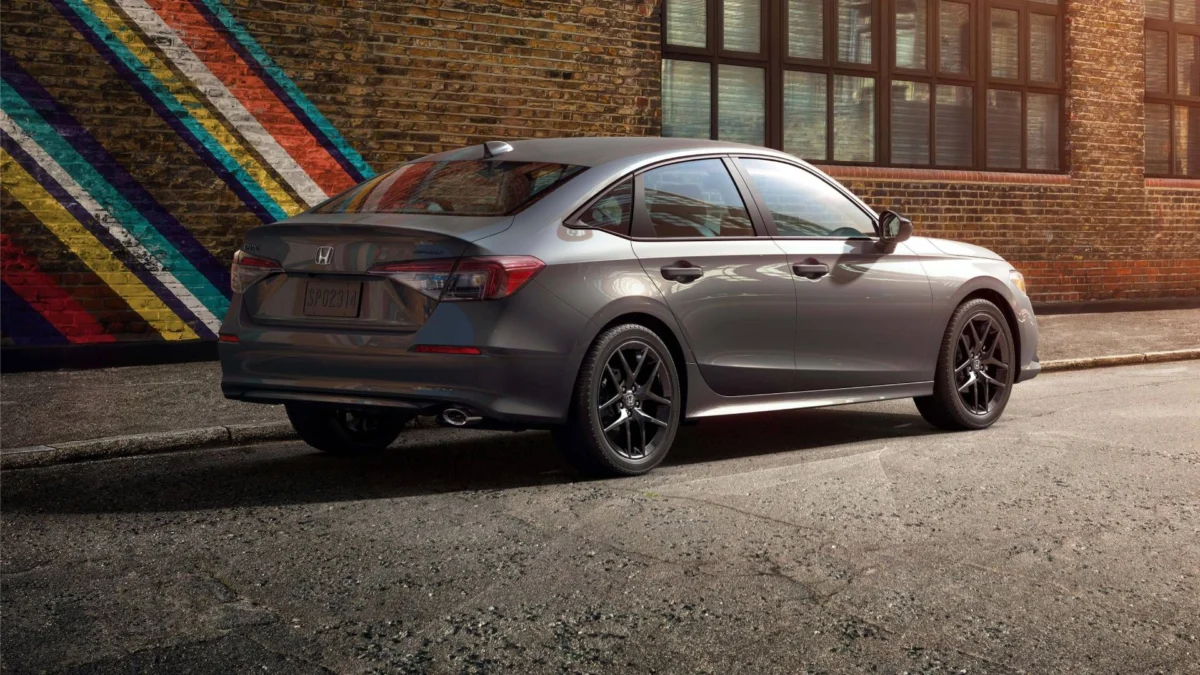
The Honda Civic, a perennial cornerstone of the Canadian automotive landscape, is evolving once again. As Honda navigates the transition toward electrification while maintaining the mechanical reliability that defined the nameplate for decades, the company has announced significant updates to its 11th-generation Canadian-market lineup for the 2027 model year. The introduction of the new "Sport-L" trim level serves as a strategic bridge, blending premium interior appointments with the proven reliability of Honda’s naturally aspirated powertrains, while the top-tier Sport Touring Hybrid receives a technological infusion designed to satisfy driving enthusiasts.
Main Facts: The 2027 Civic Strategy
The most significant change for the 2027 model year is the debut of the Sport-L trim, which seeks to capture a middle ground between the entry-level practicality of the LX and the advanced, electrified nature of the higher-tier Hybrid models.
For the sedan, the Sport-L occupies the space between the base LX and the Sport Hybrid. It retains the workhorse 150-horsepower 2.0L naturally aspirated four-cylinder engine, mated exclusively to a continuously variable transmission (CVT). However, it elevates the cabin experience with genuine leather upholstery, power-adjustable front seats, and sophisticated silver-toned interior accents.
In a move that redefines the entry point for the hatchback, the Sport-L now serves as the foundational trim for that body style. This shift is particularly noteworthy, as the hatchback version of the Sport-L includes dual-zone automatic climate control and a heated steering wheel—features that were previously gated behind the more expensive hybrid-electric variants.
Chronology: A Legacy of Evolution
The journey of the 11th-generation Civic has been marked by a constant recalibration of what customers expect from a compact vehicle.
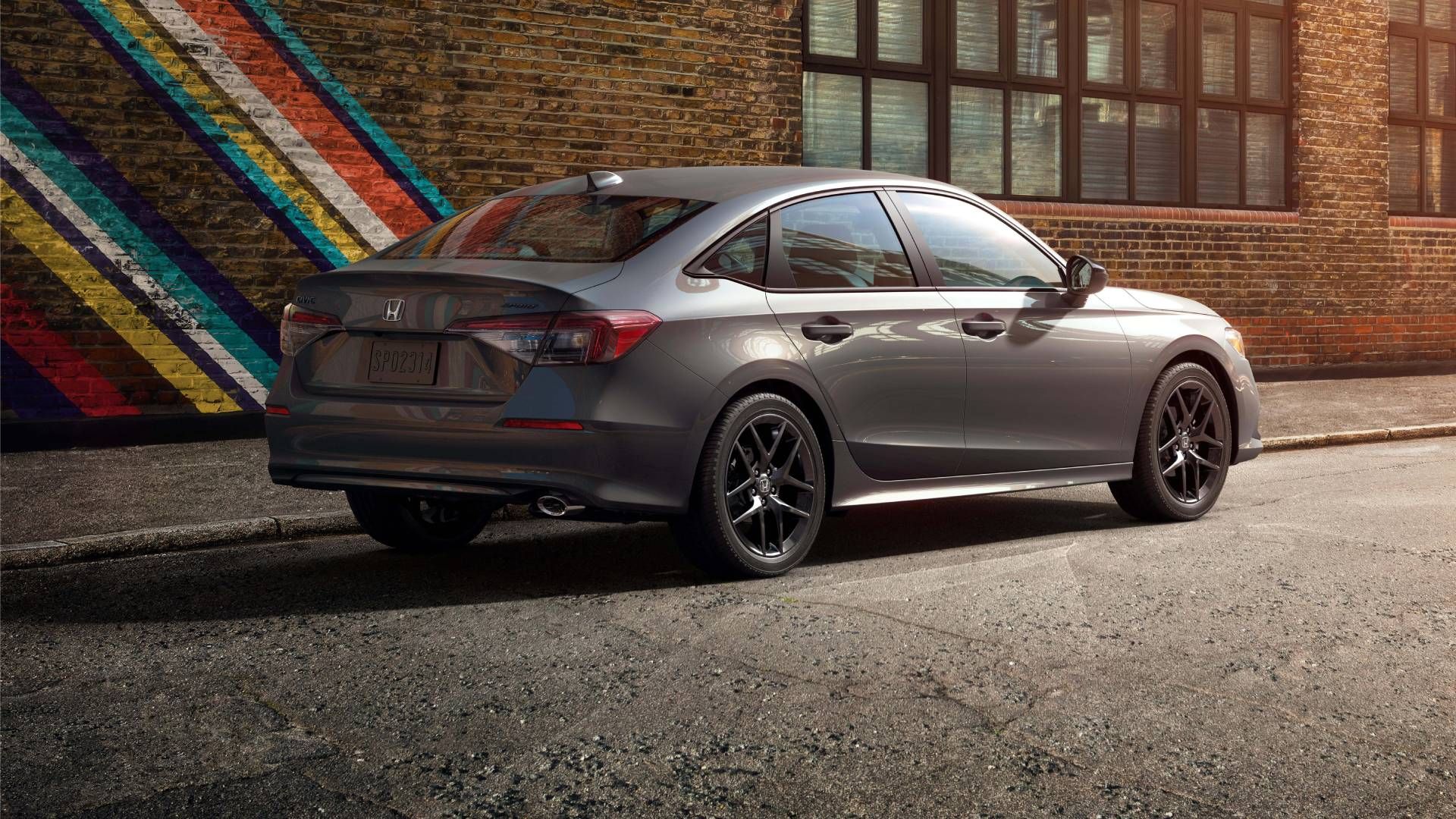
- 2022–2024: The 11th-generation Civic launched with a focus on "simplicity and something," emphasizing a minimalist design language and refined chassis dynamics.
- 2025: Honda made waves by introducing the hybrid powertrain to the Civic, which quickly became a commercial success. The model was subsequently honored as the 2025 North American Car of the Year, validating the automaker’s bet on hybrid technology.
- Late 2026: Honda officially announced the 2027 refresh, focusing on trim optimization and the integration of performance-simulated driving modes.
- Present: Deliveries of the 2027 Sport-L are scheduled to hit Canadian dealerships before the close of 2026, positioning the model for a strong start to the new calendar year.
Supporting Data: Pricing and Market Positioning
Honda’s pricing strategy for 2027 reflects a calculated approach to managing inflation while providing clear value ladders for consumers. The Canadian market, which has shown a high appetite for the Civic, sees the following entry points:
| Trim Level | Body Style | Base MSRP (CAD) | Total w/ Fees (CAD) |
|---|---|---|---|
| LX | Sedan | $29,090 | $32,544 |
| Sport-L | Sedan | $33,550 | $37,004 |
| Sport-L | Hatchback | $35,300 | $38,754 |
| Sport Touring Hybrid | Sedan/Hatch | $40,100 | $43,557 |
The LX remains the most accessible point of entry for the Canadian consumer. However, the Sport-L is clearly designed for the buyer who wants the premium tactile experience of leather and heated features without necessarily making the leap to the hybrid-electric powertrain.
According to internal Honda data, hybrid models now account for 50 percent of all Civic sales in Canada. This statistic is the driving force behind the decision to focus engineering resources on the Sport Touring Hybrid’s performance software, even while maintaining the gas-only Sport-L for traditionalists.
Performance Innovation: The "S+ Shift"
One of the most intriguing additions for 2027 is the "S+ Shift" mode, which will be standard on the Civic Sport Touring Hybrid. First introduced on the 2026 Honda Prelude concept, this software-driven feature is designed to bridge the gap between an electrified powertrain and the visceral feedback that enthusiasts crave.
In a conventional hybrid, the linear acceleration of electric motors can sometimes feel detached from the driving experience. S+ Shift attempts to simulate a performance-oriented transmission by:
- Simulated Gear Changes: Creating the sensation of physical shifting through rapid modulation of torque.
- Virtual Rev-Matching: Automatically adjusting the power delivery during downshifts to mimic the sound and feel of a manual transmission or a high-performance dual-clutch unit.
- Gear Holding: Allowing the driver to hold power delivery within a specific range, providing more confidence during spirited cornering.
- Audio Enhancement: Adjusting the engine note via the car’s speakers to provide auditory cues that correspond with the simulated shifts, increasing the driver’s engagement with the machine.
Early reports indicate that this system is not merely a gimmick; it provides a tangible sense of control that is rarely found in the hybrid segment, further distancing the Civic from its more utilitarian competitors.
Official Responses and Strategic Implications
The expansion of the Civic lineup suggests that Honda is not yet ready to abandon the internal combustion engine (ICE) in the compact segment. While the brand is aggressively pushing toward an electrified future—as evidenced by its North American Car of the Year win—the retention of the 2.0L engine in the Sport-L proves that the automaker acknowledges a lingering demand for simple, reliable, and cost-effective gas-powered mobility.
"The Civic remains our heartbeat," a company spokesperson suggested in recent briefings. By re-segmenting the hatchback and offering the Sport-L as a value-oriented premium trim, Honda is addressing two distinct market pressures: the rising cost of living and the demand for feature-rich vehicles.
Implications for the Competitive Landscape
The mid-size and compact sedan market is currently a battleground of shrinking options. As competitors exit the segment to focus solely on SUVs and crossovers, Honda’s commitment to the Civic sends a strong signal to brand-loyalists. By adding premium features like power seats and leather to the Sport-L, Honda is effectively "upselling" the Civic into a luxury-adjacent space, potentially cannibalizing sales from entry-level luxury compacts while simultaneously cementing its dominance in the mass-market segment.
Furthermore, the introduction of the S+ Shift in the hybrid model indicates that Honda intends to keep the Civic relevant as a "driver’s car." In an era where EVs are becoming common, the ability to replicate the nuances of a high-performance transmission is a unique selling proposition that could prevent the brand from losing the younger, enthusiast-leaning demographic to full-electric competitors.

Looking Ahead
As the 2027 Civic hits the streets, the focus will undoubtedly shift to how the Sport-L performs in real-world sales. If the trend of hybrid dominance continues, the Sport-L may represent the last major effort to refine the pure ICE Civic before future generations potentially shift exclusively to electrified platforms.
For the Canadian driver, the 2027 lineup offers a rare level of choice. Whether one is looking for the stripped-back value of the LX, the balanced comfort of the Sport-L, or the high-tech, performance-simulated experience of the Sport Touring Hybrid, the Civic continues to adapt, proving why it has remained a fixture on Canadian roads for over four decades.
As we look toward 2027, the Civic is not just surviving the transition to new energy; it is actively shaping how that transition feels from behind the wheel. By successfully blending its heritage of reliable mechanical engineering with cutting-edge software solutions, Honda is ensuring that the Civic nameplate will continue to be a benchmark for years to come. With deliveries beginning shortly, the market will soon decide if these refinements hit the mark—but if history is any indication, the 2027 Civic is poised to continue its legacy of excellence.
