

In an era where the television has transitioned from a passive display device to a sophisticated, internet-connected computer, consumers are facing a new dilemma. Unlike the analog televisions of the past, which were reliable workhorses that functioned until physical components failed, modern "smart" TVs are inherently tethered to their software. When the apps stop updating or the operating system becomes sluggish and insecure, the television effectively becomes a "dumb" screen.
Purchasing a high-end television is often viewed as a significant household investment, frequently costing thousands of dollars. Consumers reasonably expect these devices to remain functional and relevant for nearly a decade. However, the reality of the market is far more fragmented. There is no universal industry standard for software longevity, leaving buyers to navigate a labyrinth of proprietary policies, regional discrepancies, and vague manufacturer commitments.
The Evolution of the Smart TV Ecosystem
To understand why software support has become the primary metric of a TV’s longevity, one must look at how the technology has evolved. Early smart TVs were rudimentary, featuring basic app stores and limited connectivity. Today, they are the central hubs of home entertainment, handling streaming services, voice assistants, and smart home integration.
This complexity necessitates regular firmware updates to patch security vulnerabilities, improve user interface (UI) performance, and ensure compatibility with evolving streaming codecs. When a manufacturer ceases support, the TV doesn’t just stop getting new features; it eventually loses the ability to run essential apps like Netflix, Disney+, or YouTube, and becomes increasingly susceptible to digital threats.
Brand-by-Brand Breakdown: A Landscape of Inequality
The commitment to longevity varies wildly between major manufacturers. While some have moved toward explicit, multi-year guarantees, others maintain a "support as needed" approach that leaves consumers in the dark.
Samsung: The Seven-Year Benchmark
Samsung has emerged as the current industry leader in terms of explicit support. For its 2024 television lineup and select 2023 models, the company has pledged a seven-year software support cycle for its Linux-based Tizen OS. This is a significant milestone for the industry, effectively guaranteeing that a TV purchased today will remain fully supported until at least 2031. It is important to note, however, that this "seven-year" promise often applies to minor version updates and security patches rather than major annual OS overhauls.
LG: The webOS Re:New Program
LG introduced a strategic shift in early 2024 with its "webOS Re:New" program. The company now guarantees four years of webOS upgrades for its televisions, starting from 2022 models onwards. This approach is unique because it introduces a one-year "lag" period; for instance, the latest webOS version found on a 2026 TV will be pushed to a 2025 model a year later. This provides a structured path for upgrades, ensuring that users aren’t left with an obsolete interface just months after their purchase.
Sony: Model-Specific Longevity
Sony takes a different path, eschewing a blanket policy in favor of model-specific end-of-life (EOL) dates. Because Sony relies on Google TV (and previously Android TV) rather than a proprietary OS, their support cycle is often tied to the underlying hardware’s ability to run the latest version of the Google-maintained platform. By visiting Sony’s support portal, users can find specific "End of Support" dates for their hardware. For example, some 2025 Bravia models have clearly defined security support windows extending into 2030.
TCL and the "Best Effort" Strategy
TCL, known for its aggressive pricing, relies heavily on third-party platforms like Roku TV and Google TV. Their official security policy claims to "typically" provide updates for at least two years after the initial shipment of a device. Because the software maintenance is often shared with the OS provider, the longevity of a TCL TV is often determined by the partnership between the manufacturer and the software platform provider.
Regional Nuances and OS Dependencies
The software lifespan of a television is not just determined by the brand logo on the bezel, but by the operating system it runs and the region in which it is sold.
The Hisense VIDAA Exception
In Europe, Hisense has made waves with its proprietary VIDAA OS, recently pledging up to eight years of support for certain models. However, this policy is not globally consistent. In the United States, Hisense frequently utilizes Fire TV or Google TV platforms. Consequently, a US consumer buying a Hisense TV might receive a completely different level of software support than a consumer in the UK, as the update schedule is dictated by the OS provider (Amazon or Google) rather than the hardware manufacturer.
The Rise of Fire TV and Roku
Devices like Insignia (a Best Buy house brand) run Amazon’s Fire OS. These TVs benefit from Amazon’s broader commitment to their Fire TV ecosystem, which currently guarantees at least four years of security updates. Similarly, while Roku does not publish specific EOL dates for its televisions, its track record with standalone streaming sticks—some of which have seen nearly a decade of active updates—suggests a high level of long-term software stability.
The Implications of "Planned Obsolescence"
The lack of standardized support creates a "digital divide" in home electronics. When a premium television’s internal OS becomes unsupported, the hardware—which may still have a perfectly functional screen and high-quality speakers—becomes electronic waste.
Security Vulnerabilities
Perhaps more critical than the loss of new features is the security risk. A smart TV is a networked device on the home Wi-Fi, often connected to personal accounts and payment information. If a manufacturer stops issuing security patches, the device becomes an easy target for malicious actors looking to compromise a home network. An unsupported TV is effectively a "zombie" device that can be used for botnets or data exfiltration.
The "Streaming Box" Solution
For consumers worried about the lifespan of their smart TV’s software, the industry has provided an effective, low-cost workaround: the external streaming device. Products like the Apple TV 4K, Roku Ultra, or Amazon Fire TV Cube can be plugged into the HDMI port of an "aging" smart TV. These devices are generally updated more frequently than built-in TV software and offer superior performance.
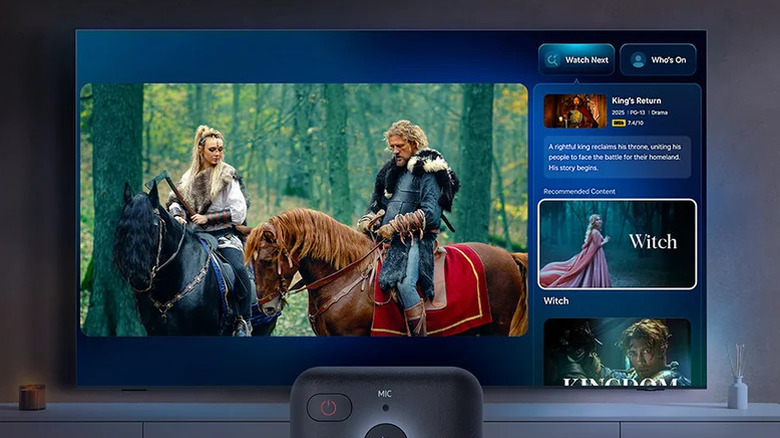
By offloading the "smart" functionality to a dedicated device, consumers can effectively ignore the manufacturer’s software policy, treating their television as a "dumb" monitor and relying on the external box to handle the software-heavy lifting. This strategy can easily extend the functional life of a television by an additional five to seven years.
Summary: A Checklist for Consumers
When evaluating a potential TV purchase, consumers should move beyond the display technology (OLED vs. LED) and consider the "Software Lifecycle" of the product:
- Check the OS: Determine if the TV runs a proprietary OS (like Samsung’s Tizen or LG’s webOS) or a major platform (Google TV, Fire TV, Roku). Major platforms generally have more predictable update cycles.
- Verify the Support Policy: Look for a dedicated "Software Security" or "Support" page on the manufacturer’s website. If a company does not have a public policy, assume the minimum.
- Prioritize Longevity: If you intend to keep a TV for more than five years, favor brands like Samsung or LG, which have introduced transparent, multi-year upgrade programs.
- Budget for an External Box: Always set aside $50–$150 in your budget for a future streaming device. It is the single most effective insurance policy against a "dying" smart TV interface.
Conclusion
The shift toward treating TVs as software-defined devices has brought incredible convenience, but it has also introduced a layer of fragility to the consumer experience. While the industry is slowly trending toward longer support windows, we remain far from a world where software longevity is guaranteed for the life of the display. Until manufacturers provide consistent, industry-wide, and transparent support policies, the consumer must act as the primary gatekeeper, researching the software pedigree of their hardware before making the final purchase.
Ultimately, the best way to ensure your TV stays "smart" for the next decade isn’t necessarily relying on the manufacturer’s software updates, but rather being prepared to augment your hardware with the evolving ecosystem of external streaming devices. In the current market, the hardware is yours to keep, but the software is merely a service that will eventually expire—and planning for that expiration is the hallmark of a savvy consumer.
