

By Adriane Quinlan
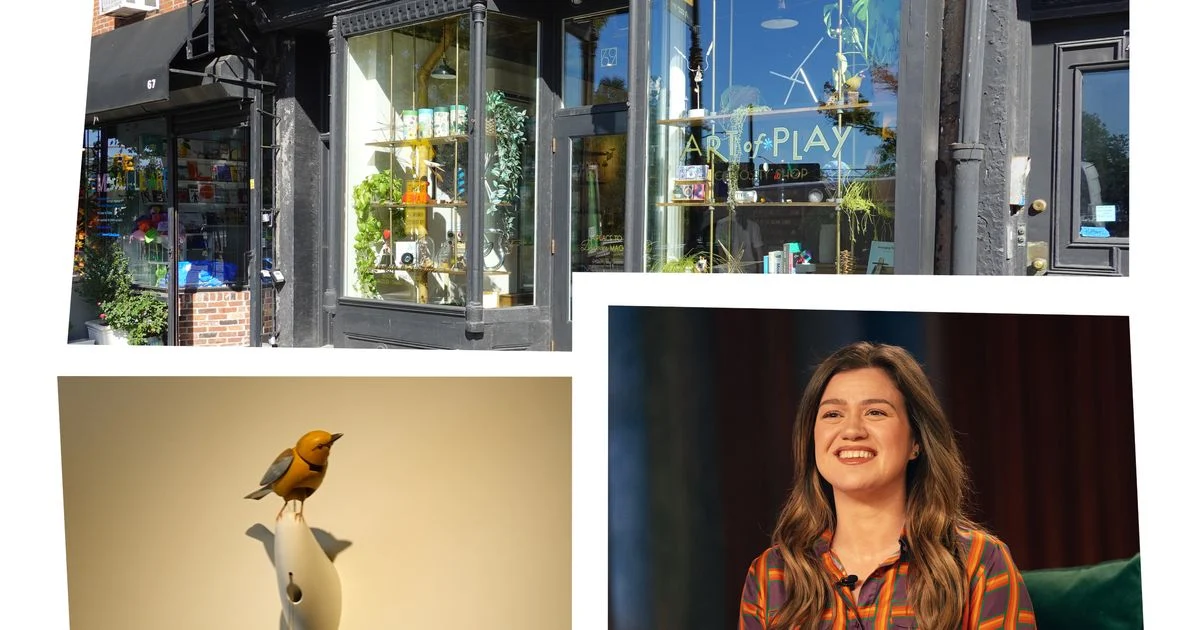
In the quiet, curated world of Atlantic Avenue’s specialty retail scene, the shop known as Art of Play has long prided itself on being a sanctuary for the curious—a place where magic-adjacent objects, high-end curiosities, and bespoke artisan crafts find homes with collectors. However, over the past few days, this boutique has been thrust into a frenetic, high-stakes collision between local commerce and the unyielding power of celebrity influence.
The catalyst for this transformation was a visit from singer Kelly Clarkson, whose subsequent social media activity turned a mundane retail interaction into a viral dispute. What began as a question about a piece of kinetic art has morphed into a national conversation regarding consumer entitlement, the volatility of social media platforms, and the very real-world consequences for small business owners when they find themselves in the crosshairs of an A-list star.
The Genesis of the Conflict
The incident, which occurred earlier this week, was initially presented by Clarkson to her 8 million followers on X (formerly Twitter) as a dismissive encounter. Clarkson described being treated with a level of coldness that she likened to the iconic, patronizing scene from the film Pretty Woman, in which Julia Roberts’ character is turned away from a high-end boutique.
"Kelly Clarkson has put us in danger," says Adam Rubin, one of the shop’s three co-owners, reflecting on the immediate aftermath. The narrative offered by the singer suggested a shopkeeper who was unwilling to engage with a customer, creating a public relations crisis for Art of Play almost instantaneously.
However, as the dust settles, the details of the interaction reveal a much more complex picture—one that hinges on the difference between standard retail goods and the fine-art nature of the shop’s inventory.
A Chronology of the Disconnect
To understand the friction, one must understand the object in question: "Molly," a one-of-a-kind singing and dancing bird created by artisan Bliss Kolb.
- The Visit: Kelly Clarkson entered the shop and expressed interest in purchasing the bird. According to shop owners, the store was bustling with activity at the time.
- The Interaction: Employees, attempting to manage a busy floor, reportedly informed the singer that the bird was a permanent fixture used in their magic demonstrations and was not for sale.
- The Pivot: In accordance with standard customer service practices, staff attempted to steer the singer toward other, commercially available items of a similar aesthetic.
- The Post: Clarkson left the premises and took to social media, sparking a wave of indignation among her followers.
- The Escalation: Art of Play responded via Instagram, attempting to clarify the nature of the bird. This led to "internet sleuths" discovering an old photo of the wall where the bird was displayed, which appeared to include a price tag, further muddying the waters.
- The Fallout: The shop began experiencing what Rubin describes as "asymmetrical social warfare," characterized by review-bombing, threats, and physical harassment of staff and neighbors.
The "Asymmetrical Warfare" of Celebrity
When asked to describe the experience of being on the receiving end of a viral celebrity critique, Rubin is candid. "It’s an insane misunderstanding," he explains. "Nothing happened in this shop to justify her scolding our shopkeeper on the way out. But things changed when she used her platform to attack us. It’s asymmetrical social warfare."
The power dynamic between a multi-million-follower account and a small neighborhood business is inherently unbalanced. While the store attempted to provide context—explaining that they operate as a liaison for artisans like Bliss Kolb, who lives in the woods and produces very few items—their explanations were quickly drowned out by the volume of incoming vitriol.
The confusion over the price tag is particularly illustrative of the divide between the creator economy and traditional retail. "We are a nontraditional shop," says Rubin. "This is a piece of sculpture. It’s a fine-art piece. So many people asked about it that we had put a price on it, but we talked to the creator… if someone showed serious interest, we would reach out to him about getting them an automaton." In a bid to deflect further unwanted attention, the shop has since jokingly (and pointedly) raised the price of the bird to $15 million.
The Human Cost: Harassment and Safety
The most concerning aspect of the Art of Play controversy is not the debate over the bird, but the subsequent safety issues reported by the owners. Since the initial tweet, the shop has been subjected to a barrage of digital and physical aggression.
"People are getting threatened on the street," Rubin notes, emphasizing that the shopkeepers—not the celebrity—are the ones bearing the brunt of the hostility. "Anyone who expresses admiration, positivity, or sympathy for Art of Play is getting attacked by trolls."
The harassment has extended beyond the store’s digital footprint. According to the owners, protesters have arrived on the sidewalk, shouting accusations of "racial profiling" at staff. The intensity of the situation reached a point where local residents, feeling caught in the crossfire of the shouting matches, felt compelled to contact the police. When those neighbors were filmed by the protesters, their personal information was allegedly doxxed online.
The store has essentially been forced to go under siege. The phone lines are down to prevent the constant stream of abusive calls, and the point-of-sale system has been tainted by hateful comments appearing on transaction screens, making it nearly impossible for legitimate customers to engage with the business.
Implications for Small Businesses
This incident highlights a growing trend in the age of social media: the weaponization of a platform by celebrities against private individuals or small businesses. While public figures are often encouraged to "use their voice," there is a fine line between sharing a personal grievance and inciting a digital mob.
For Art of Play, the reality is that the "negative interaction" would have remained a footnote in their daily operations if not for the amplification provided by Clarkson. "She was in the shop for less than five minutes," Rubin says. "If this tweetstorm had not happened, we wouldn’t have realized there was a negative interaction in the shop; it was that undramatic."
As the retail landscape shifts toward a more personalized, experience-based model, the expectations of the customer are changing. However, the basic rules of human decency—and the understanding that a retail shop is a place of work, not a stage for potential conflict—remain paramount.
Moving Forward
As of Tuesday morning, the atmosphere outside the store had regained some semblance of calm, though the digital aftermath remains volatile. For the owners of Art of Play, the focus has shifted from selling magic-adjacent curiosities to simply maintaining the safety of their staff and the sanctity of their space.
When asked if the incident has resulted in a surge of interest in the other bird—the $2,000 model that was initially offered to the singer—Rubin offers a weary, definitive response. "Oh, yeah," he says, before signaling that the conversation has reached its end.
The story of the bird, the shop, and the superstar serves as a stark reminder of how quickly the internet can distort a local interaction into a global event. In the quiet of their shop, the owners of Art of Play are left to pick up the pieces, hoping that the public’s attention will soon drift to the next viral moment, leaving them to return to the quiet, niche world of magic and fine art that they spent years building.
