

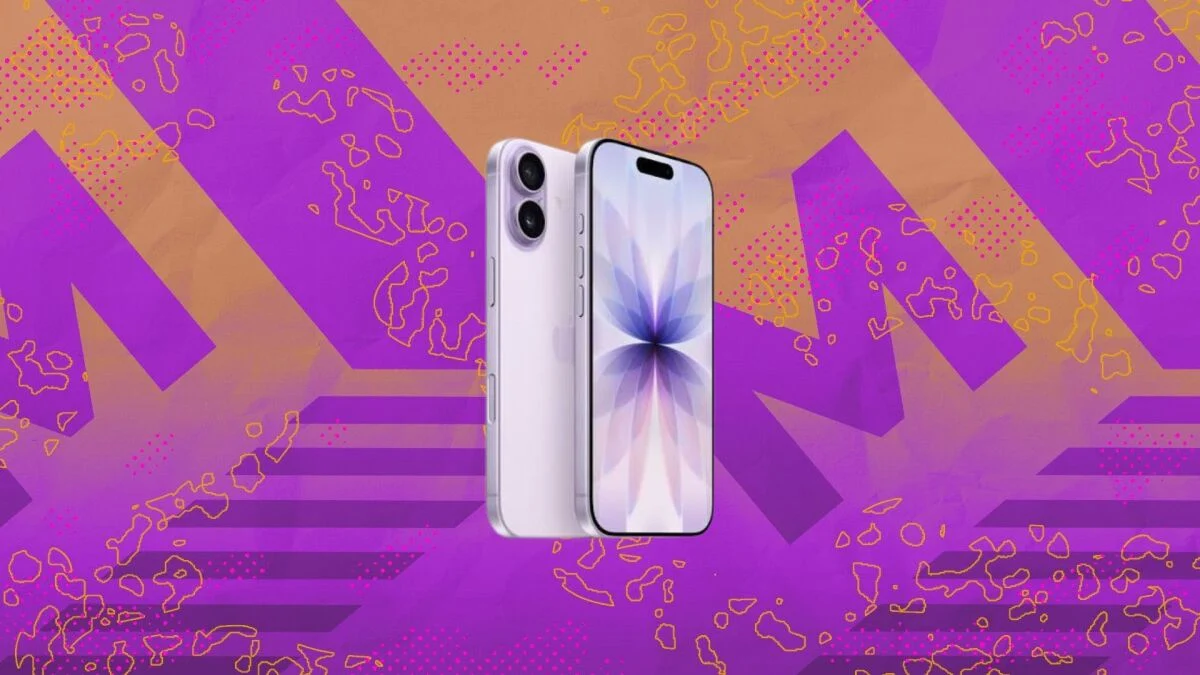
In the high-stakes world of wireless telecommunications, the battle for subscriber retention has moved from simple plan pricing to the "hardware ecosystem trap." As carriers race to secure long-term loyalty in an increasingly saturated market, T-Mobile has emerged as an aggressive frontrunner, currently offering the latest Apple iPhone 17 for a total cost of under $100. This move represents a significant pivot in how consumers access flagship technology, signaling a shift toward long-term service commitment over upfront hardware investment.
The Core Offer: Breaking Down the Deal
The current promotion at T-Mobile allows new customers to acquire the Apple iPhone 17 for a price point under $100, provided they meet specific eligibility requirements. Unlike previous generations of mobile deals that often required cumbersome trade-in processes, this offer is refreshingly straightforward: it mandates a switch to T-Mobile and the transfer of an existing phone number (port-in) onto either an "Experience More" or "Experience Beyond" service plan.
Crucially, this deal requires no trade-in of a legacy device. For those seeking a free alternative, the carrier is also offering the iPhone 17e at no cost, requiring only a switch to almost any T-Mobile plan. While the iPhone 17 is not strictly "free," the sub-$100 price point for a flagship device is a aggressive play that effectively subsidizes hundreds of dollars of the device’s retail value.
A Chronology of Carrier Subsidies
To understand the significance of this deal, one must look at the evolution of mobile carrier promotions over the last decade. Historically, carriers operated on a two-year contract model where the cost of the phone was baked into the monthly service fee. When the industry shifted toward "Equipment Installment Plans" (EIP) and transparent device financing, the burden of the phone’s cost became distinct from the service.
- 2020–2022 (The Trade-In Era): During the height of the smartphone saturation period, carriers like T-Mobile, Verizon, and AT&T began heavily leveraging trade-in credits. Users were incentivized to hand over their two-year-old devices to offset the cost of the latest iteration.
- 2023–2025 (The Diversification Phase): Carriers began expanding their portfolio of "free" devices. Consumers saw a surge in offers for devices like the Motorola Razr+, Google Pixel 11, and the Samsung Galaxy Z Flip 8. These deals were designed to move inventory of non-Apple hardware while keeping users locked into premium data plans.
- Late 2026 (The Current Landscape): We are now seeing a hybrid model. The market has reached a point where flagship device prices have climbed to levels that can deter casual upgrades. By lowering the entry barrier for the iPhone 17 to under $100, T-Mobile is attempting to capture the segment of the market that desires the latest Apple hardware but is hesitant to commit to the full MSRP of a flagship handset.
Supporting Data: The Mechanics of the "Lock-In"
While a price tag under $100 for an iPhone 17 is undeniably attractive, it is vital for consumers to understand the financial architecture behind the promotion. T-Mobile executes this deal through a structure of monthly bill credits.
The 36-Month Commitment
The discount is not an upfront price reduction; rather, it is applied incrementally over a 36-month period. If a customer chooses to leave T-Mobile or switch to a lower-tier plan before the 36-month term expires, the remaining balance of the phone—calculated based on the full retail value—becomes due immediately. This acts as a powerful retention tool, effectively "locking" the consumer into the T-Mobile ecosystem for three years.
The Hidden Upfront Costs
Savvy consumers should also account for the costs that are not covered by the monthly credit structure:
- Sales Tax: The state sales tax is calculated on the full retail value of the iPhone 17 at the time of purchase. This must be paid out-of-pocket, meaning the total "out-the-door" price is higher than the advertised "$100."
- Device Connection Fee: T-Mobile charges a standard $35 device connection fee per line at checkout, which is a non-negotiable administrative cost.
Industry Implications: Why Carriers Are Doing This
The decision to heavily subsidize flagship devices is not an act of charity; it is a calculated response to the "Carrier Wars."
The Cost of Customer Acquisition
In the wireless industry, the cost of acquiring a new customer (CAC) is exceptionally high. When a carrier can secure a customer for a 36-month period, the lifetime value (LTV) of that customer significantly outweighs the initial cost of subsidizing the iPhone 17. By bundling the hardware with "Experience More" or "Experience Beyond" plans, T-Mobile ensures that the customer is subscribed to their most profitable, high-tier service tiers.
The Apple Factor
Apple’s hardware remains the strongest driver of consumer loyalty in the mobile sector. By placing the iPhone 17 at the center of their promotional strategy, T-Mobile is effectively borrowing from Apple’s brand equity to drive traffic to their retail stores and website. It is a mutually beneficial arrangement: Apple keeps its market share high, and T-Mobile gains a long-term, high-value subscriber.
Consumer Considerations: Is the Deal Right for You?
Before diving into this promotion, consumers should weigh the benefits against the potential limitations.
The Case for Upgrading
- Cost-Efficiency: If you already plan to stay with a major carrier for the next three years, this deal is objectively one of the most cost-effective ways to own a top-tier handset.
- Performance: The iPhone 17 represents the cutting edge of mobile technology, offering improvements in camera capabilities, processing power, and battery efficiency that justify an upgrade for users on older hardware.
The Case for Caution
- The "Golden Handcuffs": If you are the type of user who likes to switch carriers to chase better coverage or lower prices, this 36-month commitment will be a major hindrance.
- Plan Requirements: Ensure that the "Experience More" or "Experience Beyond" plans fit your monthly budget. Sometimes, the premium cost of these plans over three years can negate the savings gained from the discounted hardware.
The Future of Smartphone Financing
As we look toward the remainder of 2026 and into 2027, the trend toward long-term service-bundled hardware is likely to accelerate. We are seeing a decline in the "unlocked" phone market as carriers tighten their control over hardware distribution. For the average consumer, this means that the "sticker price" of a phone is becoming increasingly irrelevant compared to the "total cost of ownership" over a three-year term.
The current T-Mobile offer is a bellwether for the industry. It proves that despite economic fluctuations, the demand for flagship hardware remains inelastic, provided the entry barrier is sufficiently lowered. Whether this model is sustainable in the long term remains to be seen, but for now, it provides a unique window of opportunity for those looking to upgrade their mobile experience without the traditional financial burden.
Final Analysis
The opportunity to secure an Apple iPhone 17 for under $100 is a testament to the aggressive nature of current mobile competition. By leveraging a 36-month commitment and requiring higher-tier service plans, T-Mobile has crafted a deal that satisfies both the consumer’s desire for the latest technology and the carrier’s need for long-term customer stability.
However, potential buyers must perform their due diligence. By calculating the total cost of the monthly service plans, the upfront sales tax, and the connection fees, consumers can determine if this is a genuine financial boon or a clever marketing trap. For the committed T-Mobile subscriber, or for those looking to make a permanent move to a new carrier, the deal is undeniably one of the strongest in the current market.
As always, keep an eye on the fine print. While the allure of a $100 flagship phone is strong, the best consumer is an informed one. Ensure your service needs align with the requirements of the plan, and you will likely find that this is indeed one of the most efficient ways to stay on the cutting edge of the smartphone revolution.
