

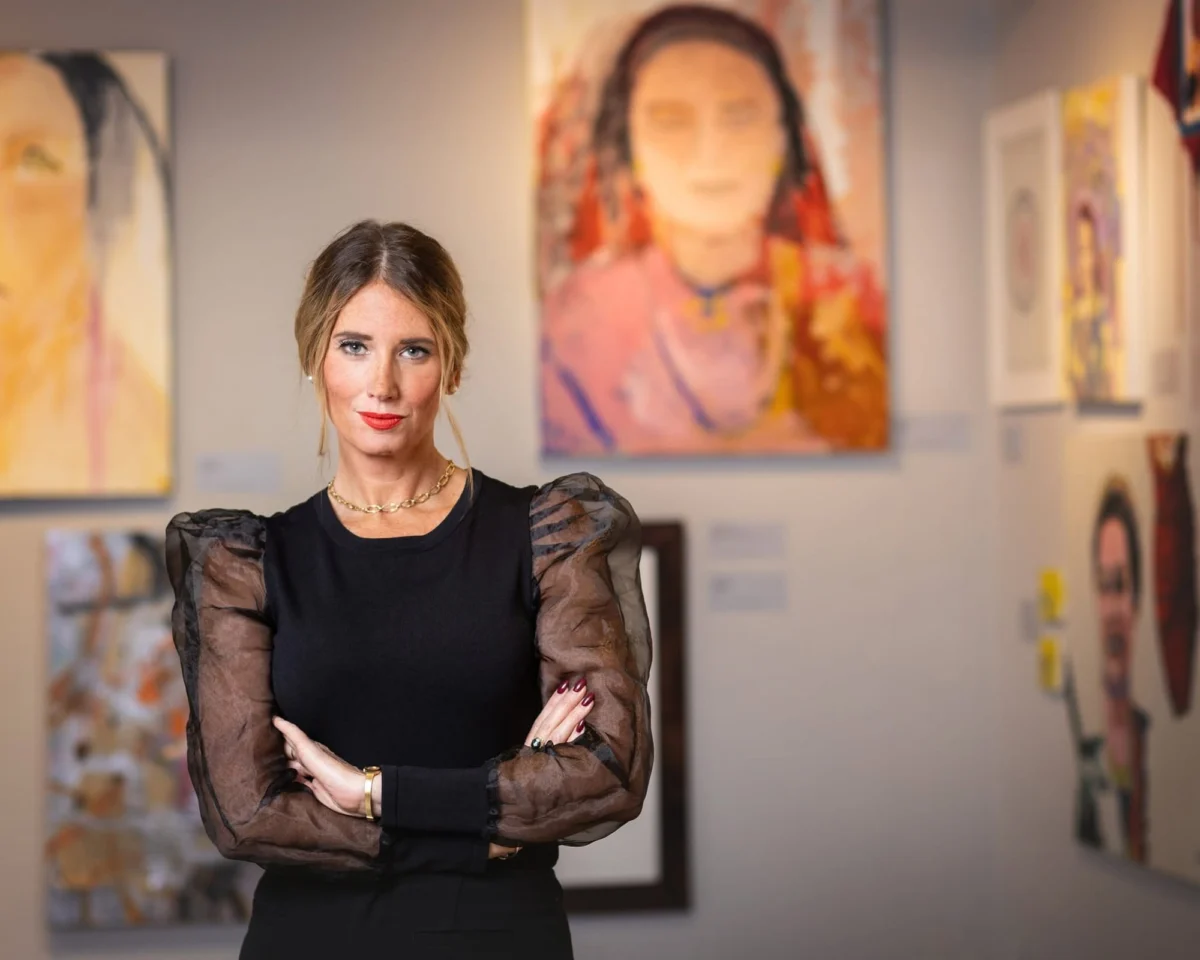
Every Thursday, the art world pauses to survey the landscape of institutional change, high-profile appointments, and the shifting tides of aesthetic policy. In this week’s edition of Art Movements, we examine the Metropolitan Museum of Art’s bold selections for its 2027 commission cycle, the leadership evolution at the Armenian Museum of America, and the intensifying scrutiny surrounding the role of artificial intelligence in the creative economy.
The Met’s 2027 Vision: Danh Vo and Sandra Mujinga
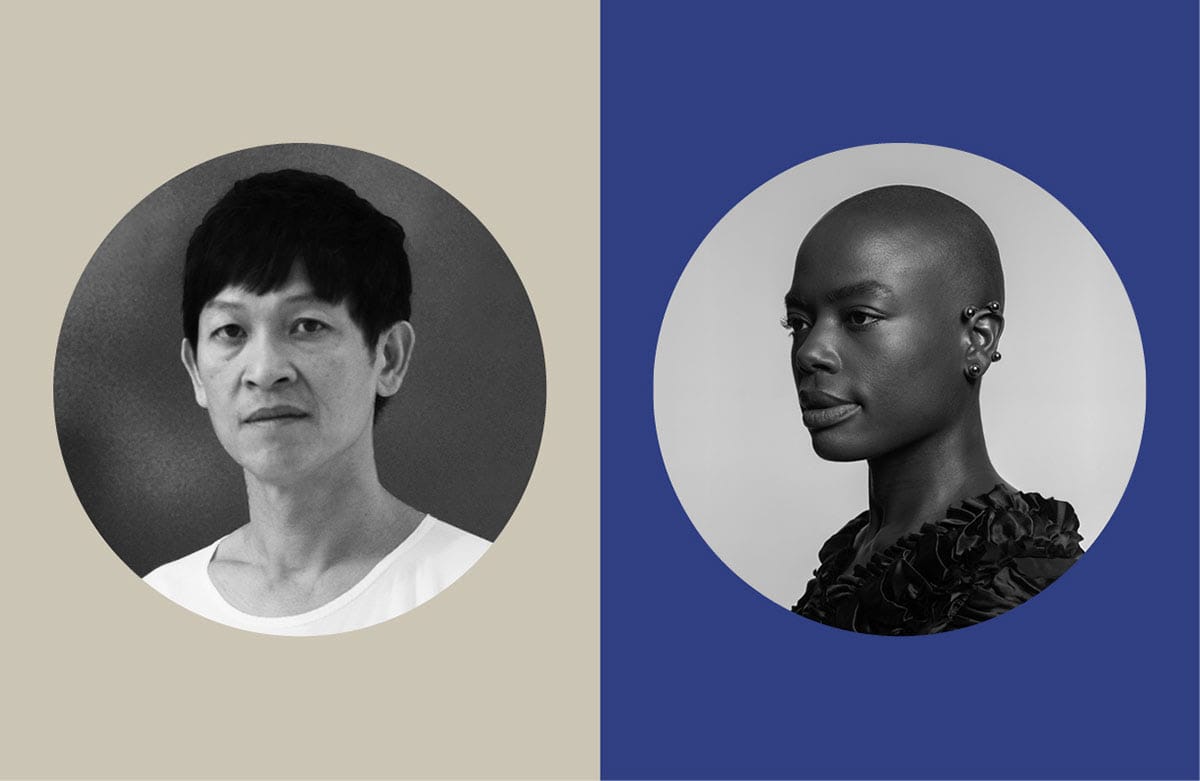
The Metropolitan Museum of Art has officially announced its artistic lineup for the 2027 Genesis Facade and Great Hall commissions, signaling a continued commitment to artists whose work interrogates the fluidity of history and the complexities of the human condition.
The Commissions
For the 2027 Genesis Facade Commission, the museum has selected Danh Vo. Known for his conceptual practice that often draws upon his personal narrative as a Vietnamese boat refugee, Vo’s work frequently deconstructs the symbols of colonial power and the migration of objects through time. His intervention on the museum’s Beaux-Arts exterior—scheduled for a September 2027 debut—will occupy the institution’s four iconic niches. This project is expected to continue his tradition of juxtaposing fragile, intimate artifacts with the grandiosity of Western architecture.
Simultaneously, the 2027 Great Hall Commission will feature Sandra Mujinga. An artist whose multidisciplinary practice bridges Afrofuturism, science fiction, and the sociological impacts of post-colonialism, Mujinga is slated to install a site-specific work in the Met’s interior in November 2027. Her work often utilizes digital shadows, synthetic materials, and light to explore themes of visibility and survival.
Institutional Rationale
Met Director and CEO Max Hollein emphasized the thematic synergy between the two artists. “Danh Vo and Sandra Mujinga both treat history as something alive and unsettled,” Hollein stated. “They are deeply attuned to the ways objects and bodies carry meaning across time, making them the ideal voices to engage with the Met’s own complex, layered history.”
Leadership Evolution: Sarah Hayes at the Armenian Museum of America
In a strategic move to solidify its administrative future, the Armenian Museum of America (AMoA) has announced the appointment of Sarah Hayes as its new Deputy Director. Hayes, who has served as the head of the museum’s Development department since 2023, brings a career defined by international engagement and financial stewardship to the role.
A Career Built on Cross-Cultural Stewardship
Hayes’s connection to Armenian culture is deeply personal and long-standing. Her professional trajectory began in the field, serving as a Peace Corps Volunteer in Armenia from 2005 to 2007. This formative period provided her with an on-the-ground understanding of the nation’s heritage and its sociopolitical challenges.
Before her tenure at the AMoA, Hayes served as the West Coast operations manager for the Armenia Tree Project in Los Angeles. This role required navigating both the philanthropic landscape of the Armenian diaspora and the logistical complexities of environmental activism. Her transition to the museum space proved fruitful; she was instrumental in securing key acquisitions for a major Arshile Gorky exhibition, a project that solidified the museum’s reputation for scholarly rigor.

Strategic Implications
As Deputy Director, Hayes is tasked with continuing the institution’s push toward long-term financial sustainability. The AMoA, located in Watertown, Massachusetts, serves as a critical repository for Armenian history. By promoting from within, the Board of Trustees has signaled a desire for continuity and a focus on the momentum established during the post-pandemic recovery years.
Chronology of Institutional Shifts: A Mid-Decade Overview
To understand the weight of these recent appointments, one must look at the recent timeline of the art sector’s institutional realignment:
- 2023: Sarah Hayes joins the Armenian Museum of America, immediately focusing on donor relations and the acquisition of the Gorky collection.
- 2024: The Metropolitan Museum of Art expands its "Genesis" commissioning initiative, signaling a long-term plan to diversify its exterior programming.
- 2025: Global discussions regarding the ethical use of digital archives in museum displays reach a fever pitch, setting the stage for the current interest in artists like Sandra Mujinga, who works at the intersection of the physical and the digital.
- October 2026: Official announcement of the 2027 Met Commissions, highlighting the institution’s move toward artists who explicitly challenge nationalist and colonial narratives.
- Present: The industry pivots toward sustainable leadership models and the integration of AI-governance debates into museum policy.
Supporting Data: The Rise of Conceptual Commissions
The Met’s selection process is not merely an aesthetic choice; it is a data-driven response to current trends in the global art market. According to recent industry reports, institutions that incorporate “site-responsive” or “concept-heavy” commissions see a 15–20% increase in visitor engagement among the 18–35 demographic.
The Genesis Facade, in particular, has become a high-stakes venue for political dialogue. Since its inception, the commission has moved from traditional sculpture toward conceptual installations that force viewers to acknowledge the museum as a site of historical revision. By choosing Vo and Mujinga, the Met is doubling down on this trend, ensuring that the "facade" of the museum reflects the "interiors" of contemporary critical theory.
Official Responses and the AI Debate
Outside of these appointments, a significant cultural storm is brewing regarding the role of AI in art, a topic that has reached the highest echelons of government. Senator Bernie Sanders recently weighed in on the burgeoning debate, expressing concerns regarding the displacement of human labor by generative algorithms.
The Legislative Perspective
Sanders argued that while technology offers new avenues for expression, it must not be used as a tool to undermine the economic stability of working artists. “We are seeing a trend where massive corporations utilize the intellectual labor of generations of artists to feed AI models, effectively commodifying creativity without compensation,” Sanders noted.
Institutional Implications
This sentiment is echoing through museum boardrooms. Many institutions, including the Met, are now drafting internal policies regarding the use of AI in commissioned works. The concern is twofold:
- Intellectual Property: Who owns the output if an artist utilizes an AI tool during the creation of a commissioned work?
- The Human Element: Museums are increasingly prioritizing "authenticity" and "lived experience" in their commissions as a counter-reaction to the influx of algorithmically generated imagery.
The selection of Sandra Mujinga, whose work often explores the "digital shadow" and the human body’s role in a post-human world, reflects this tension. She does not merely use technology; she critiques the way technology consumes the body. Her work will serve as a bellwether for how elite institutions handle the digital turn.
Conclusion: The Future of the Institution
The recent announcements from the Metropolitan Museum of Art and the Armenian Museum of America represent more than just administrative housekeeping. They represent a clear shift in priorities.
As we look toward 2027, the art world is moving away from the "spectacle" of the mid-2010s and toward a more reflective, critical engagement with the past. The appointment of leaders like Sarah Hayes suggests that smaller, culturally specific institutions are prioritizing institutional memory and financial discipline. Simultaneously, the Met’s selection of artists like Vo and Mujinga confirms that even the world’s largest, most traditional institutions are being forced to grapple with the uncomfortable, unsettled, and often contradictory nature of history.
In the coming year, we expect to see further developments in the "AI Art" debate, as legislation begins to catch up with practice. For now, the art world remains a space of vibrant, if occasionally chaotic, evolution. Stay tuned as we continue to track how these commissions unfold and how the institutions of today define the art of tomorrow.
